covid-test-accuracy-for-eg5-and-ba286-variantscovid-test-accuracy-for-eg5-and-ba286-variants">COVID-19 continues to cause significant illness and mortality in the United States, with approximately 2,000 deaths reported weekly in recent months12. Despite this ongoing impact, the CDC is revising its isolation guidance to better align with current understanding of the virus, increased population immunity, and available treatments34. These changes aim to simplify recommendations and improve public adherence while maintaining protection for vulnerable groups34.
Potential Shorter COVID-19 Isolation Period: What the CDC May Recommend
The CDC has shifted from fixed-duration isolation periods to symptom-based isolation strategies for COVID-19, reflecting improved knowledge about viral shedding and transmission risk56. Since late 2021, the CDC shortened isolation from 10 to 5 days for asymptomatic individuals, based on data showing that replication-competent virus is rarely detected beyond 10 days after symptom onset278. Recent updates recommend ending isolation when a person is fever-free for at least 24 hours without medication and symptoms are improving, rather than adhering to a fixed number of days59.
Several states, including Oregon and California, have adopted symptom-based isolation policies without fixed durations, aligning with approaches taken by countries such as Denmark and Australia10311. This flexibility is supported by evidence indicating lower viral activity in communities compared to earlier pandemic peaks, as shown by wastewater surveillance and stable hospitalization trends7123.
Key aspects of the updated isolation approach include:
- Isolation ends when fever has resolved for 24 hours without fever-reducing medication and symptoms are improving59.
- Post-isolation mask use recommendations remain under review, with some guidance suggesting mask use in crowded or enclosed spaces during recovery3.
- The isolation period is individualized based on symptom progression rather than a fixed timeline513.
This symptom-based strategy aims to reduce unnecessary isolation duration while minimizing transmission risk, particularly as most people now have some immunity from vaccination or prior infection39.
Public Health Guidance Evolving: Adapting to the Current COVID-19 Pandemic Landscape
The evolution of COVID-19 isolation guidance reflects changing pandemic conditions, including rising immunity levels and improved treatment options3. The CDC’s updated respiratory virus guidance now applies uniformly to COVID-19, influenza, and respiratory syncytial virus (RSV), promoting consistency in public health messaging134. This unified approach recommends staying home and away from others while symptomatic and resuming normal activities once symptoms improve and fever has resolved for 24 hours313.
Factors influencing these changes include:
- Increased population immunity through vaccination and prior infection, reducing severity and duration of illness39.
- Availability of effective antiviral treatments that lower the risk of severe disease when administered early314.
- Evidence from states and countries that have implemented symptom-based isolation without increases in hospitalizations or deaths311.
- Recognition that strict isolation mandates can disrupt daily life and reduce compliance with testing and isolation recommendations315.
States like California have updated their guidance to recommend masking indoors around others for 10 days after symptom onset or positive test, with the option to end masking earlier if two sequential negative antigen tests are obtained16. The CDC also emphasizes that people with symptoms should stay home and avoid public activities regardless of isolation mandates34.
This evolving guidance balances the need to prevent transmission with practical considerations to improve adherence and reduce social disruption.
Debate Over Updated COVID-19 Isolation Recommendations: Expert Perspectives
The decision to revise isolation guidelines remains controversial among experts and the public. While the updated guidance simplifies recommendations and aligns COVID-19 isolation with other respiratory viruses, concerns persist about ongoing transmission and mortality32. Weekly COVID-19 deaths in the U.S. have ranged from 1,900 to 3,600 during the Omicron wave, underscoring the continued health burden2.
Key points in the debate include:
- Some experts argue that evolving pandemic conditions justify reconsidering isolation durations to reflect current risks and promote adherence3.
- Wastewater surveillance indicates lower viral activity compared to early 2022, supporting more flexible isolation policies12.
- Low public adherence to existing isolation guidelines suggests that simplified rules could improve compliance and reduce transmission1715.
- Disruption caused by isolation may discourage testing and isolation, potentially undermining public health efforts15.
- However, relaxing isolation mandates risks increased spread, particularly among high-risk groups vulnerable to severe COVID-19 outcomes3.
Balancing these factors requires ongoing monitoring and clear communication to ensure that revised guidelines protect public health without causing undue hardship.
“The mortality rate is now approaching that of influenza, which was not true earlier in the pandemic when it was four to five times higher than influenza. We don’t have any kind of special isolation rules for the general public for this, so this would be similar to what the recommendations are for influenza or other community-associated respiratory illnesses.”
— Dr. Blumberg, Chief of Pediatric Infectious Diseases, UC Davis Health9
Current COVID-19 Prevention Measures: Protecting Yourself and Others
Despite changes in isolation guidance, the CDC continues to emphasize core prevention strategies to reduce COVID-19 transmission and protect vulnerable populations34. These measures include vaccination, good hygiene, mask use, and staying home when sick.
Key prevention recommendations are:
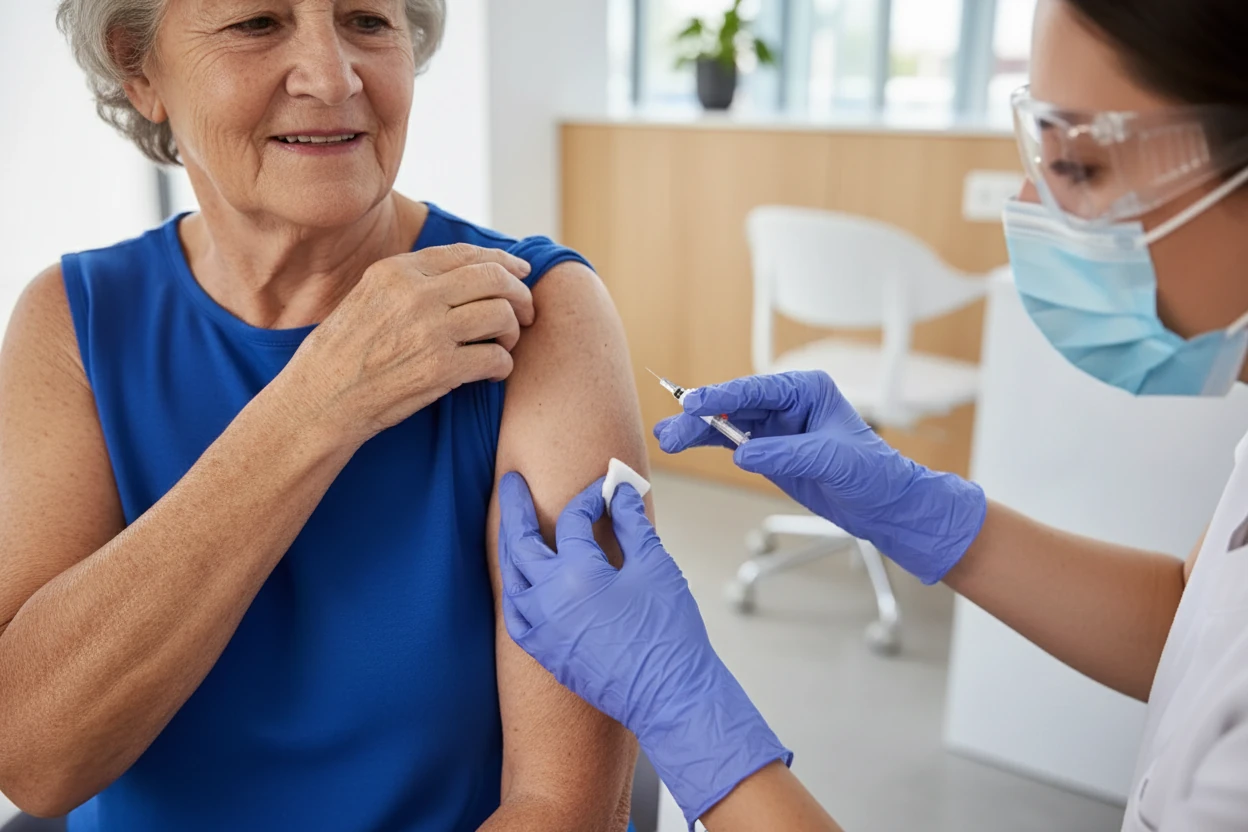
- Stay up to date with COVID-19 vaccines to reduce the risk of severe illness, hospitalization, and death31819.
- Practice good hygiene, including covering coughs and sneezes, frequent handwashing, and cleaning high-touch surfaces34.
- Improve indoor air quality by increasing ventilation or using air purifiers, especially in crowded or enclosed spaces34.
- Stay home and avoid contact with others when experiencing respiratory symptoms, regardless of isolation mandates34.
- Use well-fitting masks or respirators in crowded indoor settings and during the recovery period after infection to reduce transmission316.
Vaccination uptake for updated COVID-19 vaccines remains suboptimal, which complicates efforts to ease isolation policies safely18. Revised isolation guidelines may serve as a prompt to improve vaccination coverage, particularly among high-risk groups3.
The CDC also highlights that antiviral treatments are available and most effective when started early, offering additional protection against severe disease314.
💡 Did You Know? The CDC’s updated respiratory virus guidance now applies uniformly to COVID-19, influenza, and RSV, promoting consistent public health messaging and prevention strategies19.
| Prevention Strategy | Purpose | Notes |
|---|---|---|
| Vaccination | Reduces severe illness and death | Uptake remains low for updated vaccines18 |
| Good hygiene | Limits spread via droplets and surfaces | Includes handwashing and respiratory etiquette3 |
| Improved indoor air quality | Reduces airborne viral particles | Ventilation and air purification recommended4 |
| Staying home when sick | Prevents exposure to others | Applies regardless of isolation mandates3 |
| Mask use | Source control and personal protection | Especially important indoors and post-infection316 |