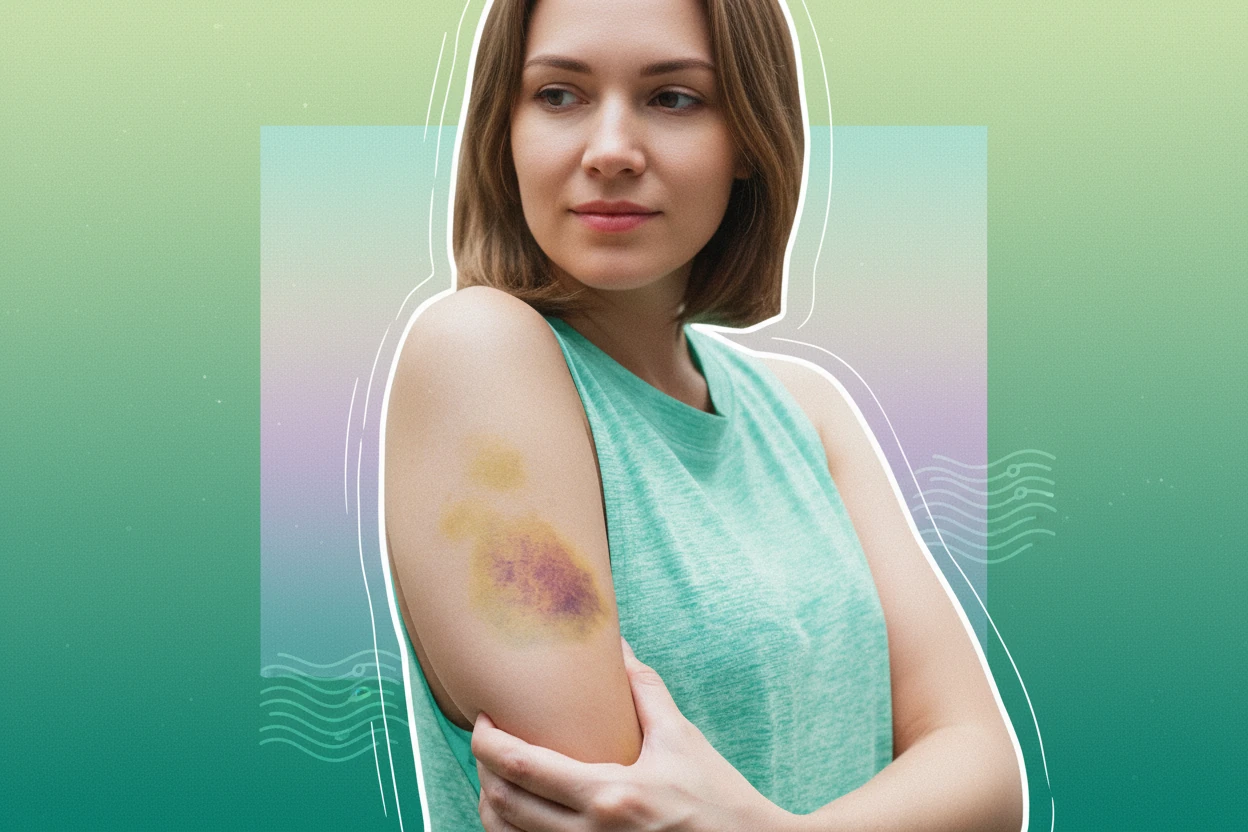
Easy bruising affects nearly half of all people at some point, with women and older adults being more commonly affected12. Most bruises are harmless and heal without treatment, but easy bruising can sometimes signal an underlying health issue or medication effect34. Understanding the causes, symptoms, and treatments of easy bruising is important to know when to seek medical advice and how to manage bruises effectively2.
Signs of Easy Bruising
Easy bruising is characterized by the appearance of bruises without clear or significant trauma5. Bruises initially appear red due to blood leaking from broken capillaries under the skin, then change color as the blood breaks down, progressing from blue-purple to green-yellow during healing67. Signs that suggest easy bruising include:
- Multiple bruises appearing frequently without obvious injury54
- Bruises that are unusually large or painful after minor trauma4
- Bruises that persist longer than typical or do not fade as expected54
- Increased frequency of bruising compared to previous patterns51
- New bruises developing spontaneously or after minor bumps51
Bruises may also be accompanied by tenderness, swelling, or a raised bump on the skin7. In some cases, pinpoint reddish dots called petechiae or larger purpura (small bleeding under the skin) may appear, indicating bleeding under the skin7.
💡 Did You Know? Easy bruising is common with age. Most bruises are harmless and go away without treatment3.
Common Causes of Easy Bruising
Easy bruising can result from a variety of factors ranging from lifestyle to medical conditions. Understanding these causes helps identify when bruising is normal or when further evaluation is needed.
An Active Lifestyle
Bruises often result from minor trauma such as falls, bumps, or sports-related injuries89. Blunt impacts cause thin blood vessels (capillaries) to rupture, allowing blood to leak into surrounding tissues and form bruises1011. Incorrect exercise techniques, hard surfaces, and rapid changes in exercise intensity can increase the risk of bruising during physical activity8.
Age
As people age, the skin becomes thinner and loses some of its protective fatty layer, making blood vessels more fragile and prone to rupture312. This leads to more frequent and easily formed bruises, often without noticeable trauma122. Senile purpura, a condition common in older adults, causes dark purple bruise-like lesions on the skin, especially on the forearms2.
Sun-Damaged Skin
Sun exposure damages the skin and weakens blood vessels, increasing the risk of bruising5. Actinic purpura is a condition where sun-damaged skin develops dark bruises easily, especially on the arms and hands5. Protective measures like wearing long sleeves and using topical treatments such as alpha hydroxy acid (AHA) or tretinoin cream can help thicken sun-damaged skin and reduce bruising5.
Blood Thinners or Painkillers
Certain medications can increase susceptibility to bruising by affecting blood clotting or thinning the blood. Common drugs include:
- Aspirin, ibuprofen, and naproxen sodium (NSAIDs)132
- Anticoagulants and anti-platelet agents213
- Some antibiotics and antidepressants3
- Herbal supplements like ginkgo biloba that have blood-thinning effects3
These medications reduce the blood's ability to clot, making bruises larger and more noticeable even after minor injuries213.
Steroids
Corticosteroids, whether taken orally or applied topically, can thin the skin and weaken blood vessels, leading to easier bruising512. Long-term steroid use is a common cause of fragile skin and increased bruising12.
Low Blood Platelet Count
Platelets are blood cells essential for clotting. A low platelet count (thrombocytopenia) can cause easy bruising and bleeding1413. Conditions like immune thrombocytopenia (ITP) involve the immune system destroying platelets, leading to decreased clotting ability and increased bruising risk14.
A Bleeding Disorder
Inherited or acquired bleeding disorders affect the blood’s ability to clot properly and can cause easy bruising213. Examples include:
- Hemophilia A and B (factor VIII and IX deficiencies)13
- Von Willebrand disease, which affects platelet function and clotting proteins213
- Vitamin K deficiency, which impairs clotting factor production213
- Vitamin C deficiency (scurvy), which weakens blood vessels and connective tissue152
These disorders may present with bruising, bleeding from unusual sites, or excessive bleeding after minor injuries113.
Liver Damage
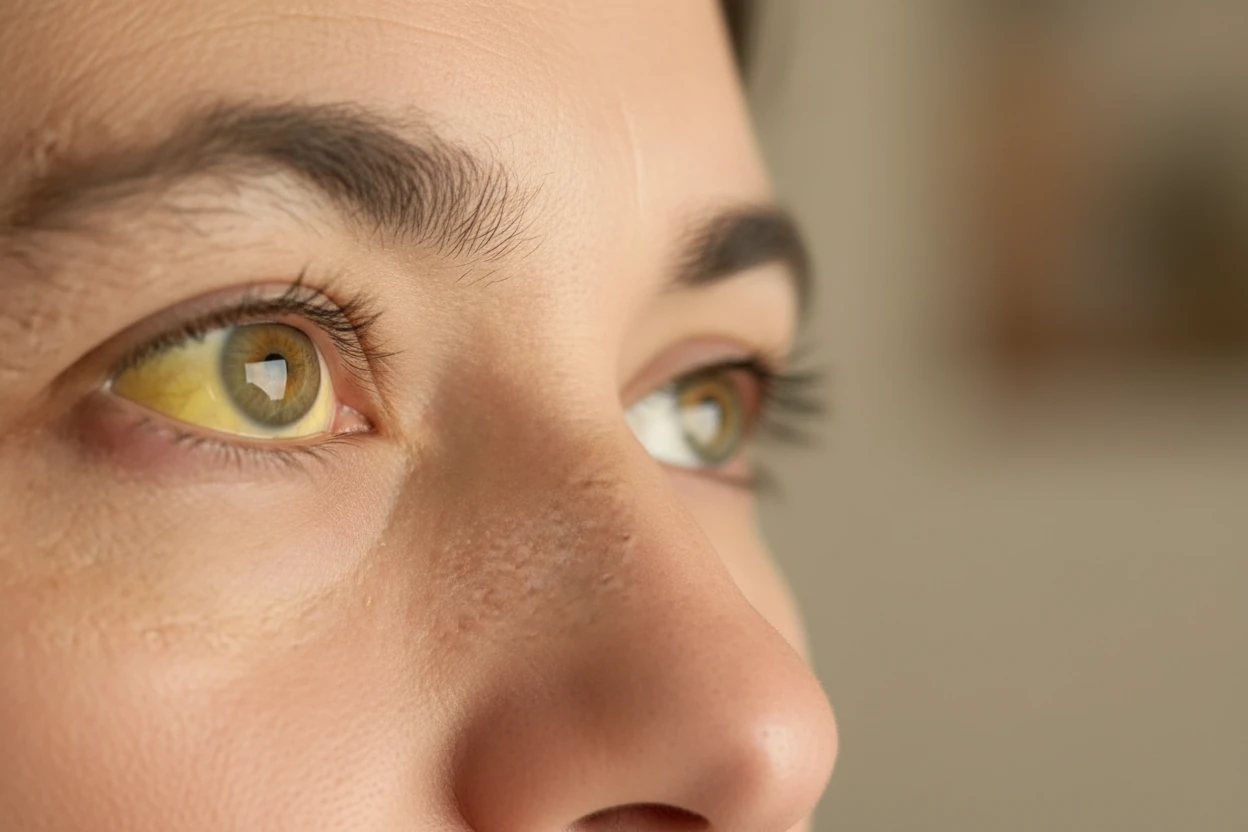
Liver disease can impair the production of clotting factors, increasing the risk of bleeding and bruising213. Cirrhosis and other liver conditions reduce the liver’s ability to maintain normal blood clotting, leading to easy bruising2.
Blood Cancer
Certain blood cancers, such as leukemia and myelodysplastic syndromes, affect blood cell production and can cause low platelet counts or abnormal clotting, resulting in easy bruising213. These conditions may also present with other symptoms like fatigue, fever, or bone pain13.
Diagnosing Easy Bruising
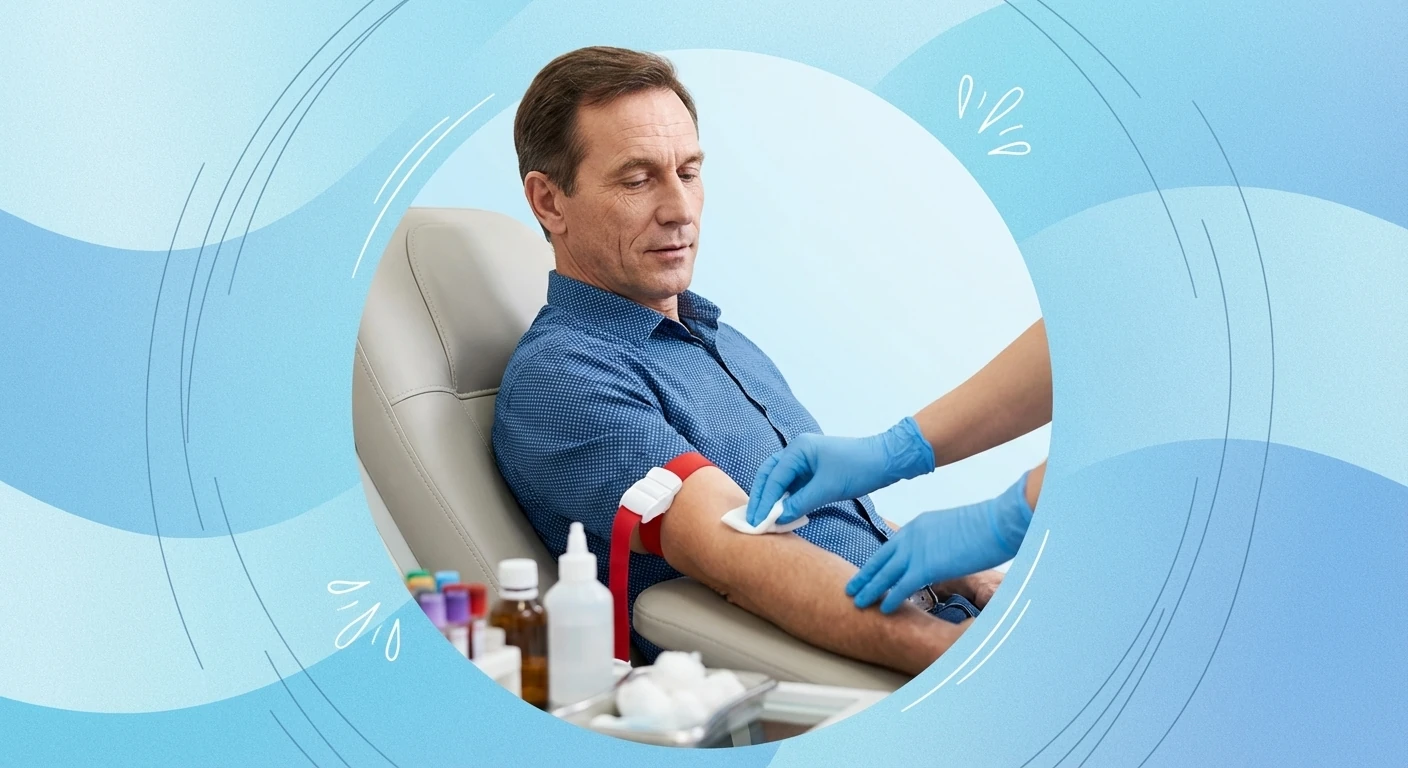
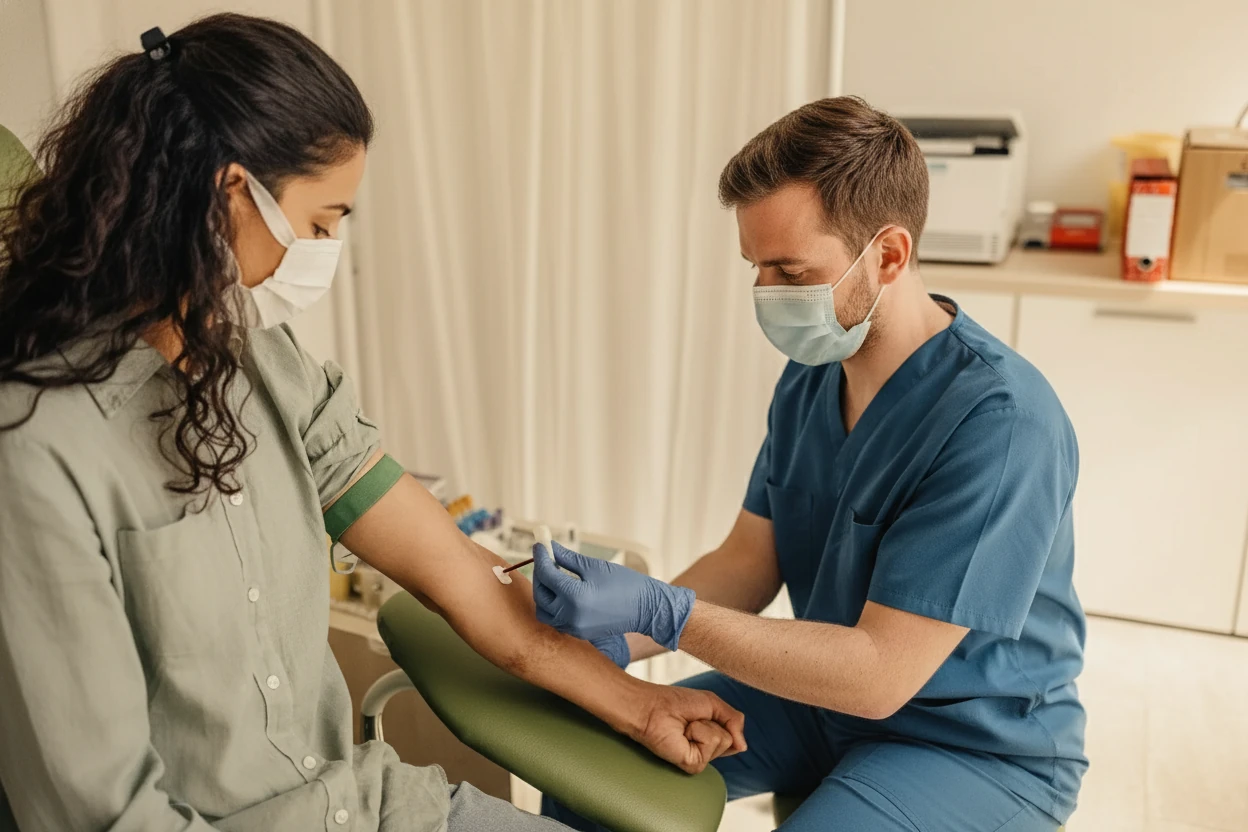
Diagnosing the cause of easy bruising starts with a thorough medical history and physical examination1617. Important factors include:
- Frequency, size, and location of bruises16
- History of trauma or injury16
- Medication and supplement use1813
- Family history of bleeding or bruising disorders1617
- Presence of other symptoms such as bleeding gums, nosebleeds, or joint bleeding17
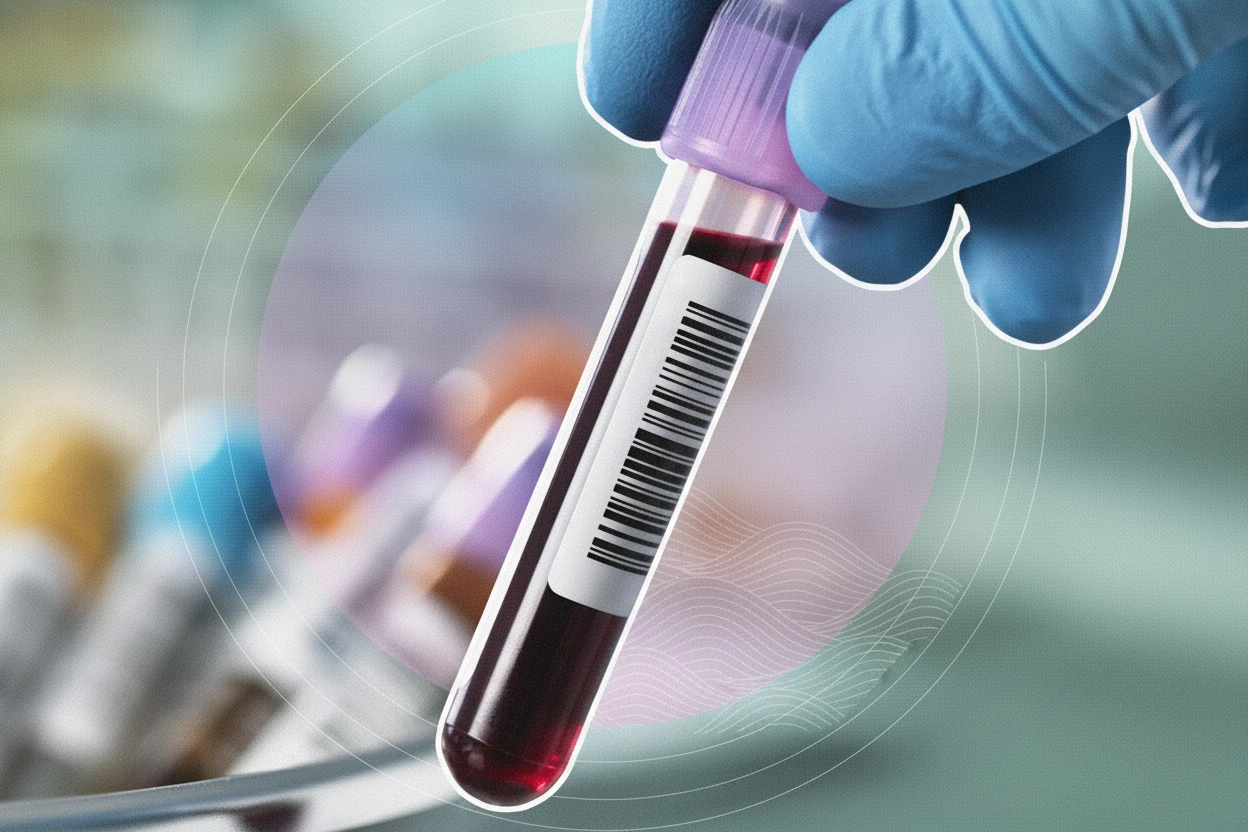
Initial laboratory tests often include:
- Complete blood count with platelet count to check for thrombocytopenia1617
- Prothrombin time (PT) and partial thromboplastin time (PTT) to assess clotting function1617
- Peripheral blood smear to examine blood cells17
Additional tests may be ordered based on clinical suspicion, such as platelet function assays or screening for specific clotting factor deficiencies17. Petechiae (tiny red spots) may prompt platelet count testing to evaluate for immune thrombocytopenia (ITP)14.
“Primary care physicians are often asked about easy bruising and excessive bleeding. A thorough history including family history guides appropriate work-up.”
— Michael Ballas, MD, American Academy of Family Physicians17
Bruise Treatment Options
Most minor bruises heal without specific treatment within two weeks75. Treatment focuses on symptom relief and promoting healing. The RICE method is commonly recommended for significant bruising:
- Rest the bruised area to prevent further injury5
- Apply ice packs for 15 minutes every hour during the first 24 to 48 hours to reduce swelling and bleeding57
- Use compression with an elastic bandage if appropriate to limit swelling5
- Elevate the bruised limb above heart level to decrease blood flow and swelling5
After 48 hours, applying heat such as a warm compress may help accelerate bruise resolution by increasing blood flow57. Over-the-counter pain relievers like acetaminophen can be used for pain control; however, NSAIDs should be used cautiously as they may increase bleeding risk5.
For bruising related to sun-damaged skin, topical treatments like alpha hydroxy acid (AHA) or tretinoin cream can help thicken the skin and reduce bruising5.
If laboratory tests reveal an underlying bleeding disorder or platelet problem, treatment may include specific therapies such as platelet transfusions, clotting factor replacement, or medications to address the cause1416.
Preventing Bruises
Preventing bruises depends on the underlying cause but generally involves protecting the skin and avoiding trauma5. Key prevention strategies include:
- Using sunscreen with SPF 30 or higher to protect against sun damage and actinic purpura5
- Wearing protective clothing such as long sleeves to shield fragile skin5
- Maintaining a safe home environment with good lighting to prevent falls and bumps5
- Avoiding activities or medications that increase bleeding risk when possible513
- Using caution with exercise techniques and avoiding hard surfaces to reduce injury risk8
Some causes of easy bruising, such as inherited bleeding disorders or immune thrombocytopenia, may not be preventable but can be managed with medical care145.
Potential Complications
While most bruises are harmless, complications can occur, especially if there is an underlying health condition5. Potential complications include:
- Infection at the bruise site, indicated by redness, oozing, or fever5
- Severe bleeding in rare cases, such as intracranial hemorrhage in immune thrombocytopenia (ITP)14
- Persistent or worsening bruising that may signal serious blood disorders or cancers2
Early recognition and treatment of complications are essential to prevent serious outcomes14.
When to See a Doctor
Medical evaluation is recommended if bruising is unexplained, persistent, or severe16. Seek medical attention if you experience:
- Large or multiple bruises without clear cause161
- Bruises on unusual areas such as the chest, back, or face3
- New onset or increased frequency of bruising, especially after starting new medications181
- Bruises accompanied by other bleeding symptoms like nosebleeds or excessive bleeding from cuts1
- Signs of infection at the bruise site, including redness, warmth, oozing, or fever5
- Family history of bleeding or bruising disorders16
Prompt evaluation helps rule out serious conditions such as bleeding disorders, platelet problems, or blood cancers217.
“Easy bruising could reflect a bleeding disorder. Other signs of increased bleeding could be nose bleeds or excessive bleeding after cuts.”
— Dr. Eric Kraut, The Ohio State University Comprehensive Cancer Center1
Summary
Easy bruising is common and often harmless, especially in women and older adults23. Bruises form when small blood vessels break and blood leaks into the skin, causing discoloration that changes color as it heals67. Causes range from minor trauma and lifestyle factors to medications and serious medical conditions like bleeding disorders or blood cancers213. Diagnosis involves a careful history, physical exam, and blood tests to identify underlying causes1617. Most bruises heal with simple home care using rest, ice, compression, and elevation (RICE), while prevention focuses on protecting the skin and avoiding trauma5. Medical attention is important for unexplained, severe, or persistent bruising to ensure proper diagnosis and treatment161.