Hemochromatosis is a common genetic disorder causing the body to absorb and store excessive iron, primarily in organs like the liver, heart, and pancreas1. This iron overload can lead to serious health problems including liver disease, diabetes, and heart failure, often manifesting symptoms in midlife2. Early diagnosis and treatment are crucial to prevent irreversible organ damage and improve life expectancy3.
Chronic Fatigue & Weakness in Hemochromatosis: Understanding Iron Overload Symptoms
Fatigue is one of the most frequent early symptoms of hereditary hemochromatosis4. Excess iron accumulates in vital organs such as the liver, heart, and pancreas, impairing their function and leading to persistent tiredness and reduced exercise tolerance4. Additionally, iron overload can cause endocrine dysfunctions including diabetes mellitus, hypothyroidism, and hypogonadism, which further contribute to feelings of fatigue and weakness5. Many patients report ongoing exhaustion that significantly affects daily activities4.
Joint Pain & Stiffness: Arthritis Symptoms Linked to Hemochromatosis
Arthropathy, or joint disease, is a common manifestation of hereditary hemochromatosis caused by iron deposition in the joints6. The joint symptoms often resemble osteoarthritis or rheumatoid arthritis in both clinical presentation and radiological findings, which can complicate diagnosis7. Patients typically experience pain and stiffness, especially in the knuckles, knees, and hands, which can impair mobility and daily function628. Joint pain is frequently the first complaint leading individuals to seek medical evaluation8.
Abdominal Pain & Discomfort: Gastrointestinal Symptoms of Iron Overload
Iron overload in the liver can cause abdominal discomfort, tenderness, and pain, particularly in the right upper quadrant4. Symptoms such as abdominal fullness, bloating, and cramping may indicate liver involvement and iron-induced damage4. Persistent abdominal pain in hemochromatosis patients may signal progressive liver fibrosis or cirrhosis, a serious late-stage complication32. These symptoms often prompt further liver function testing and imaging studies3.
Skin Color Changes & Bronze Tone: Dermatological Signs of Hemochromatosis
A classic sign of advanced iron overload is skin hyperpigmentation, often described as bronze or slate-gray discoloration5. This "bronzing" of the skin is a hallmark of hemochromatosis and usually appears after years of iron accumulation52. The skin changes result from iron deposits in the skin and may be accompanied by other symptoms such as hair loss and facial flushing9. Noticing such discoloration should prompt medical evaluation for iron overload5.
Diabetes & Blood Sugar Issues: Pancreatic Effects of Hemochromatosis
Iron accumulation in pancreatic beta cells disrupts insulin secretion, leading to diabetes mellitus in patients with hemochromatosis10. This form of diabetes is considered secondary and results directly from pancreatic iron overload52. Diabetes related to hemochromatosis may present alongside other endocrine abnormalities and is a significant contributor to morbidity10. Early detection and management of iron overload can help prevent or delay the onset of diabetes3.
Heart Conditions & Cardiac Symptoms: Iron Overload's Impact on Cardiovascular Health
Cardiac complications are serious consequences of iron overload in hereditary hemochromatosis. Iron deposits in the heart muscle can cause cardiomyopathy, arrhythmias, and ultimately heart failure1112. These cardiac manifestations are a major cause of morbidity and mortality if untreated12. Symptoms of heart involvement include dyspnea (shortness of breath), edema (swelling), palpitations, and chest discomfort12. Iron-mediated oxidative stress may also increase the risk of coronary artery disease11. Early cardiac evaluation is essential in patients with known iron overload11.
Cardiac complications from iron overload, such as cardiomyopathy and arrhythmias, are major causes of illness in untreated hemochromatosis patients. Early diagnosis and treatment can significantly improve heart function and outcomes1112.
Liver Damage & Cirrhosis Risk: Hepatic Complications of Hemochromatosis
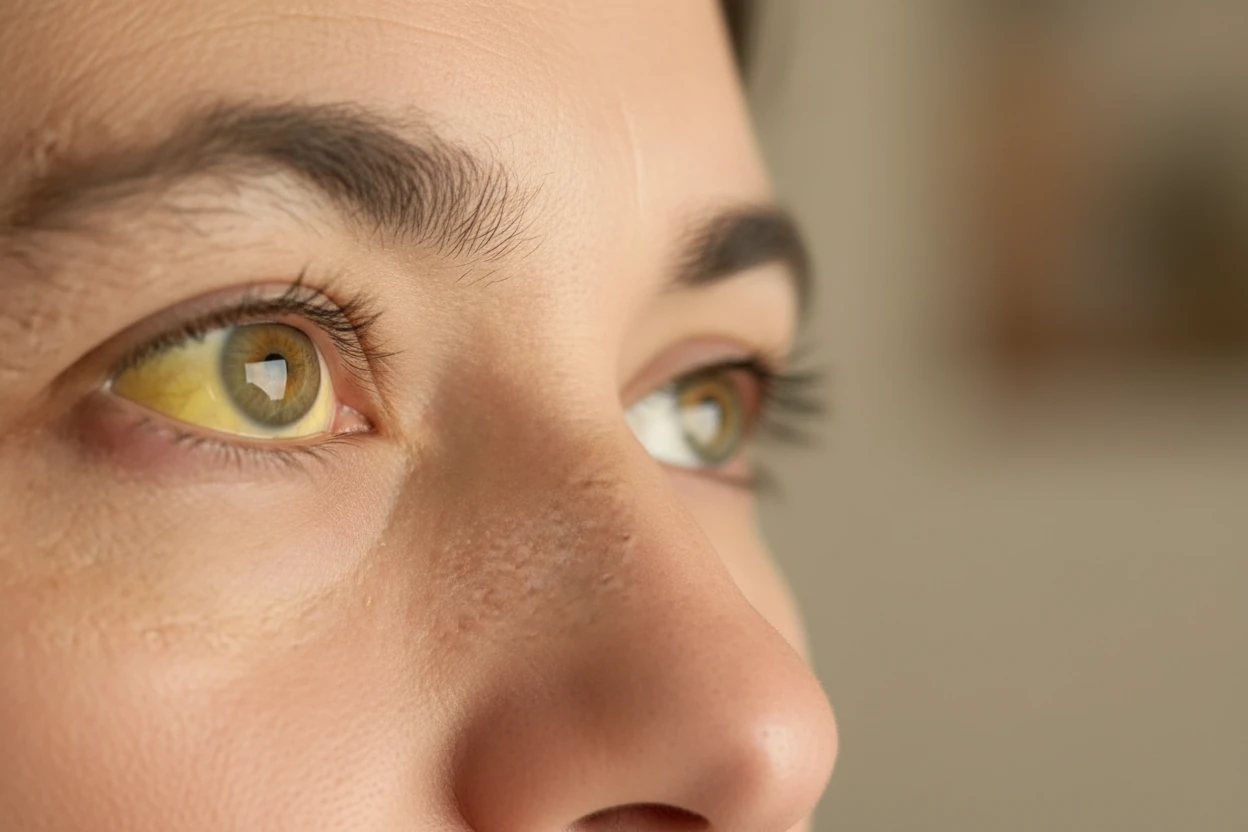
The liver is the primary organ affected by iron overload in hemochromatosis. Excess iron causes hepatocellular injury, fibrosis, and can progress to cirrhosis32. Untreated iron overload increases the risk of hepatocellular carcinoma, a type of liver cancer313. Clinical signs of liver involvement include hepatomegaly (enlarged liver), ascites (fluid accumulation), jaundice, and right upper quadrant pain3. Regular liver function tests and imaging are critical for monitoring disease progression3. Phlebotomy treatment can prevent or slow liver damage but cannot reverse cirrhosis once established14.
Hormonal Imbalances & Endocrine Effects: How Hemochromatosis Affects Glands
Iron deposition affects endocrine glands such as the pituitary and gonads, leading to hormonal dysfunction5. This damage results in conditions like hypogonadism, hypothyroidism, and other hormonal deficiencies5. Clinical manifestations include amenorrhea (absence of menstruation), loss of libido, and erectile dysfunction5215. These endocrine effects contribute to fatigue and reduced quality of life. Early recognition of hormonal imbalances can guide comprehensive management of hemochromatosis5.
Pediatric Hemochromatosis Symptoms: Recognizing Iron Overload in Children
Juvenile hemochromatosis is a rare, early-onset form of the disease that typically presents in adolescence or early adulthood after years of iron accumulation16. Children with this condition may show early signs such as fatigue, joint pain, and organ dysfunction17. Severe complications like liver cirrhosis and cardiomyopathy can also manifest in pediatric patients16. Family history is a significant risk factor for early-onset iron overload in children, highlighting the importance of genetic screening17. Early diagnosis in children is vital to prevent irreversible organ damage16.
Is Hemochromatosis Contagious? Understanding Transmission & Genetic Factors
Hereditary hemochromatosis is a genetic disorder inherited in an autosomal recessive pattern, meaning it is passed down through families and is not contagious4. The majority of cases result from mutations in the HFE gene4. Secondary iron overload caused by mcv blood test results meaning and normal range transfusions or other medical conditions is also not transmissible between individuals18. Understanding this helps reduce stigma and promotes appropriate family screening4.
When to See a Doctor for Hemochromatosis Symptoms & Iron Overload Concerns
Early medical evaluation is crucial if symptoms of iron overload or a family history of hemochromatosis are present3. Individuals should consult a healthcare professional if they experience persistent fatigue, joint pain, abdominal discomfort, or noticeable skin color changes3. Unexplained tiredness, reduced strength, or joint and abdominal pain warrant prompt assessment for iron overload43. Screening is especially recommended for first-degree relatives of affected individuals, even if asymptomatic3.
Hemochromatosis Symptoms Summary: Key Signs of Iron Overload
Hemochromatosis is characterized by excessive iron absorption leading to systemic iron overload and organ damage4. Common symptoms include:
- Chronic fatigue and weakness due to organ dysfunction and endocrine issues45.
- Joint pain and stiffness resembling arthritis76.
- Abdominal pain linked to liver involvement43.
- Skin bronzing or gray discoloration as a late sign of iron overload5.
- Diabetes caused by pancreatic iron deposition105.
- Cardiac symptoms including arrhythmias and heart failure1112.
- Liver damage progressing to fibrosis, cirrhosis, and increased cancer risk313.
- Hormonal imbalances causing reproductive and thyroid dysfunction5.
- Pediatric cases present earlier with severe manifestations1617.
Early diagnosis and treatment, mainly through phlebotomy, can prevent irreversible damage and improve prognosis314.
Frequently Asked Questions About Hemochromatosis & Iron Overload
What causes hereditary hemochromatosis?
Hereditary hemochromatosis is caused by mutations in genes that regulate iron absorption, most commonly the HFE gene, leading to excessive iron absorption from food419.
Can hemochromatosis be cured?
While there is no cure, early diagnosis and treatment with regular blood removal (phlebotomy) can manage iron levels, relieve symptoms, and prevent complications314.
Is hemochromatosis contagious?
No, hemochromatosis is a genetic disorder and is not contagious or transmissible between people418.
When do symptoms usually appear?
Symptoms typically develop in mid-adulthood, often between ages 30 and 60, with women generally showing symptoms later than men42.
What organs are most affected by iron overload?
The liver, heart, pancreas, joints, skin, and endocrine glands are most commonly affected by iron accumulation in hemochromatosis2045.