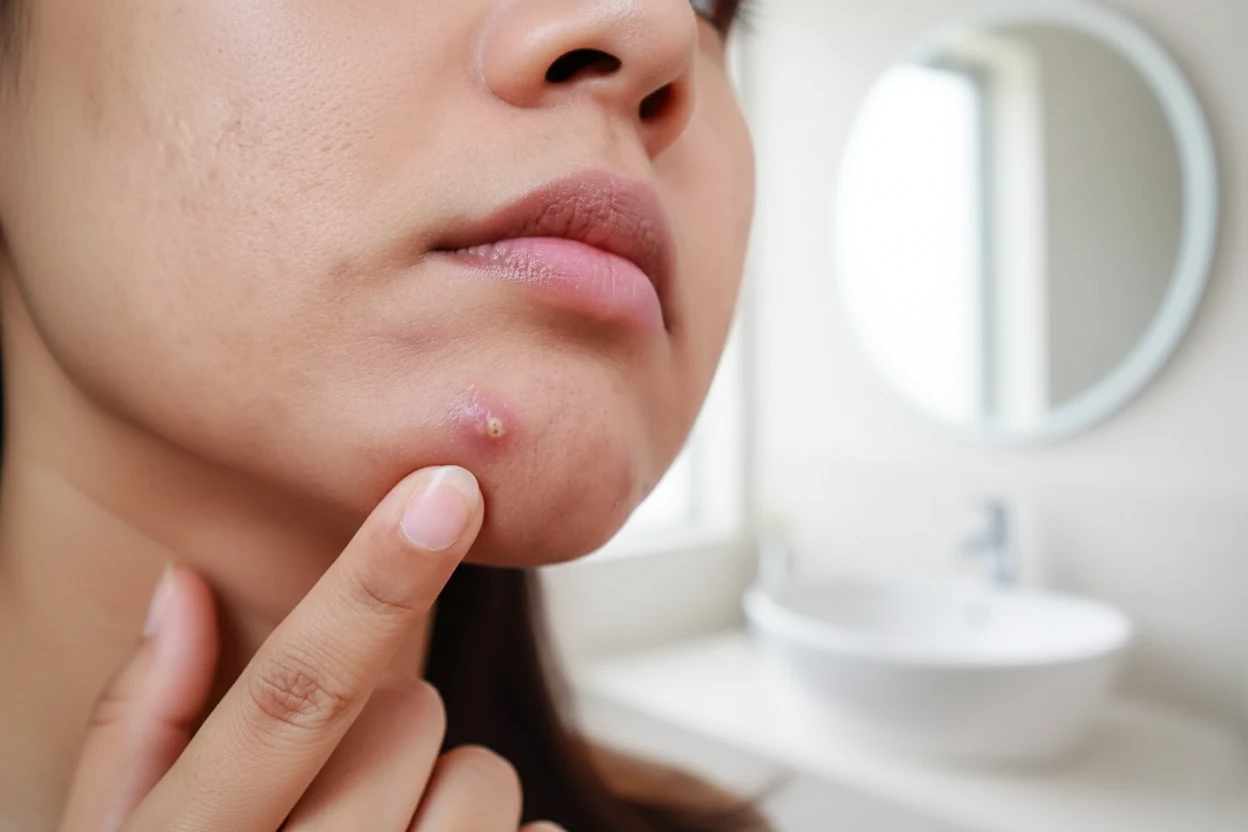
acne-causes-and-skin-purgingacne-causes-and-skin-purgingacne-bacne-causes-treatments-and-preventionacne-bacne-causes-treatments-and-preventionAcne affects millions worldwide, with various types requiring different treatments. While typical acne vulgaris is caused by bacteria, excess oil, and clogged pores, a less common form called fungal acne results from yeast overgrowth123. Dandruff shampoos, known for controlling scalp yeast, have gained attention as a potential treatment for fungal acne due to their antifungal ingredients45. However, their effectiveness and safety for acne treatment vary depending on the acne type and skin sensitivity67.
Dandruff Shampoo Acne Effectiveness
Fungal acne, medically termed Malassezia folliculitis or pityrosporum folliculitis, arises from an overgrowth of Malassezia yeast, the same organism responsible for dandruff and seborrheic dermatitis89103. Dandruff shampoos contain antifungal agents such as zinc pyrithione, ketoconazole, and selenium sulfide that inhibit Malassezia by disrupting fungal metabolism and cell membranes11129105. These ingredients reduce yeast populations on the scalp and skin, which can improve fungal acne symptoms104.
In contrast, acne vulgaris—the most common acne type—is caused by bacterial proliferation (Cutibacterium acnes), excess sebum, follicular plugging, and inflammation, none of which are targeted by dandruff shampoos1213. Therefore, dandruff shampoos are unlikely to be effective for typical bacterial acne but may benefit fungal acne cases103.
- Zinc pyrithione suppresses yeast growth, potentially treating fungal acne10.
- Ketoconazole is effective against Malassezia species causing fungal acne9.
- Selenium sulfide shampoos reduce Malassezia populations, improving dandruff and possibly fungal acne1112.
- Acne vulgaris involves bacteria and oil clogging hair follicles, mechanisms not addressed by dandruff shampoos1.
- Fungal acne often appears as itchy, small pustules and may worsen in hot, humid conditions5.
“Using dandruff shampoos as a face or body cleanser to treat fungal-related skin conditions such as fungal acne or seborrheic dermatitis is actually something I recommend to my patients.”
— Dr. Ramya Garlapati, Skin Medicinals4
Dandruff Shampoo Safety for Skin
Antifungal shampoos are generally well tolerated but can cause skin dryness and irritation, especially in individuals with sensitive skin or pre-existing conditions like eczema1112141510. Irritation may compromise the skin barrier, leading to redness, itching, fissures, and increased risk of secondary infections15. Frequent or prolonged use of dandruff shampoos on facial skin can exacerbate dryness and worsen eczema symptoms15.
- Zinc pyrithione shampoos may cause dryness or irritation in some users10.
- Selenium sulfide and ketoconazole shampoos can dry out skin, particularly with frequent application1112.
- Excessive dryness can lead to skin barrier dysfunction, fissures, and infection risk15.
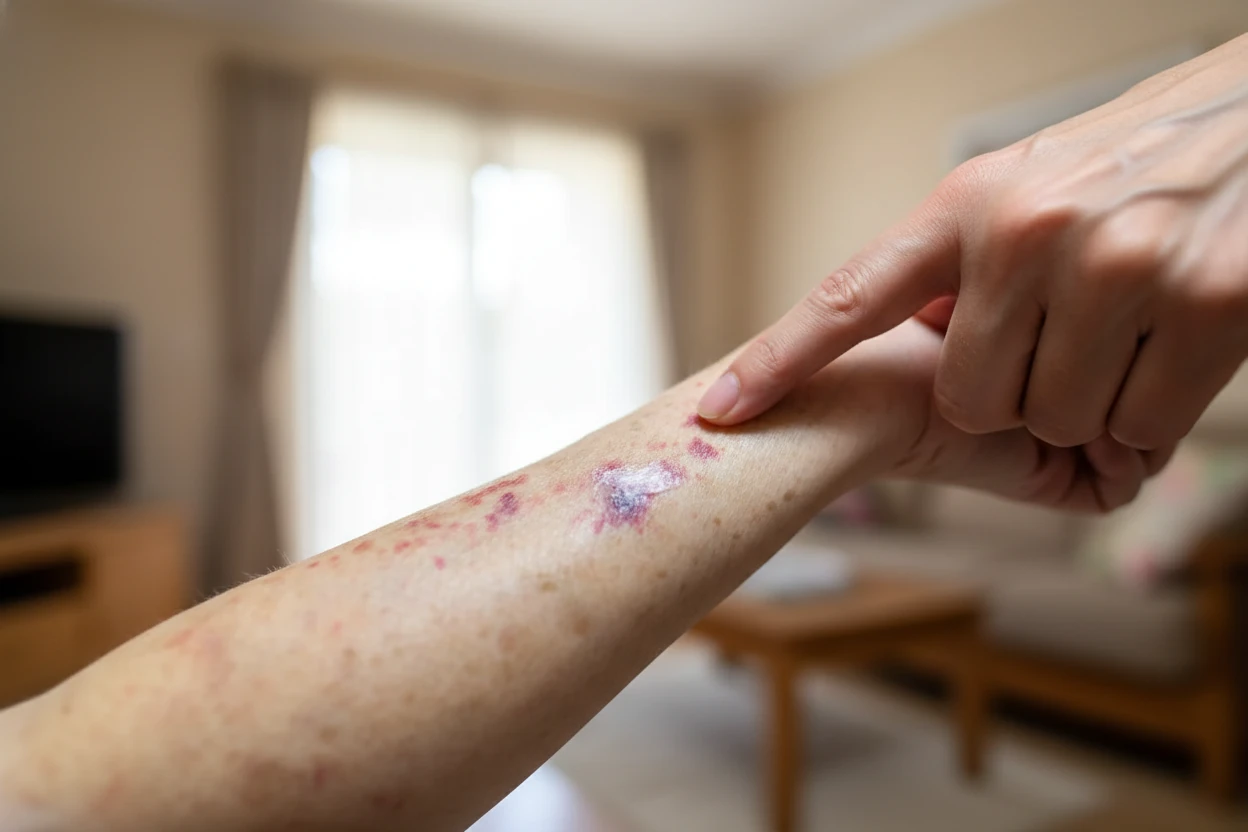
- Eczema flare-ups may include oozing blisters, redness, and discoloration worsened by irritants15.
- People with sensitive or atopic skin should consult a healthcare provider before using these shampoos on the face14.
“Patients with a specific fungal type of acne, known as pityrosporum folliculitis, can benefit from anti-dandruff shampoos due to their antifungal effects.”
— Dr. Lauren Penzi, MDCS Dermatology6
Using Dandruff Shampoo on Acne
💡 Did You Know? Head & Shoulders dandruff shampoo might be helpful for Malassezia folliculitis (fungal acne). The active ingredient in many dandruff shampoos is zinc pyrithione, which stops yeast growth—the cause of dandruff and fungal acne3.
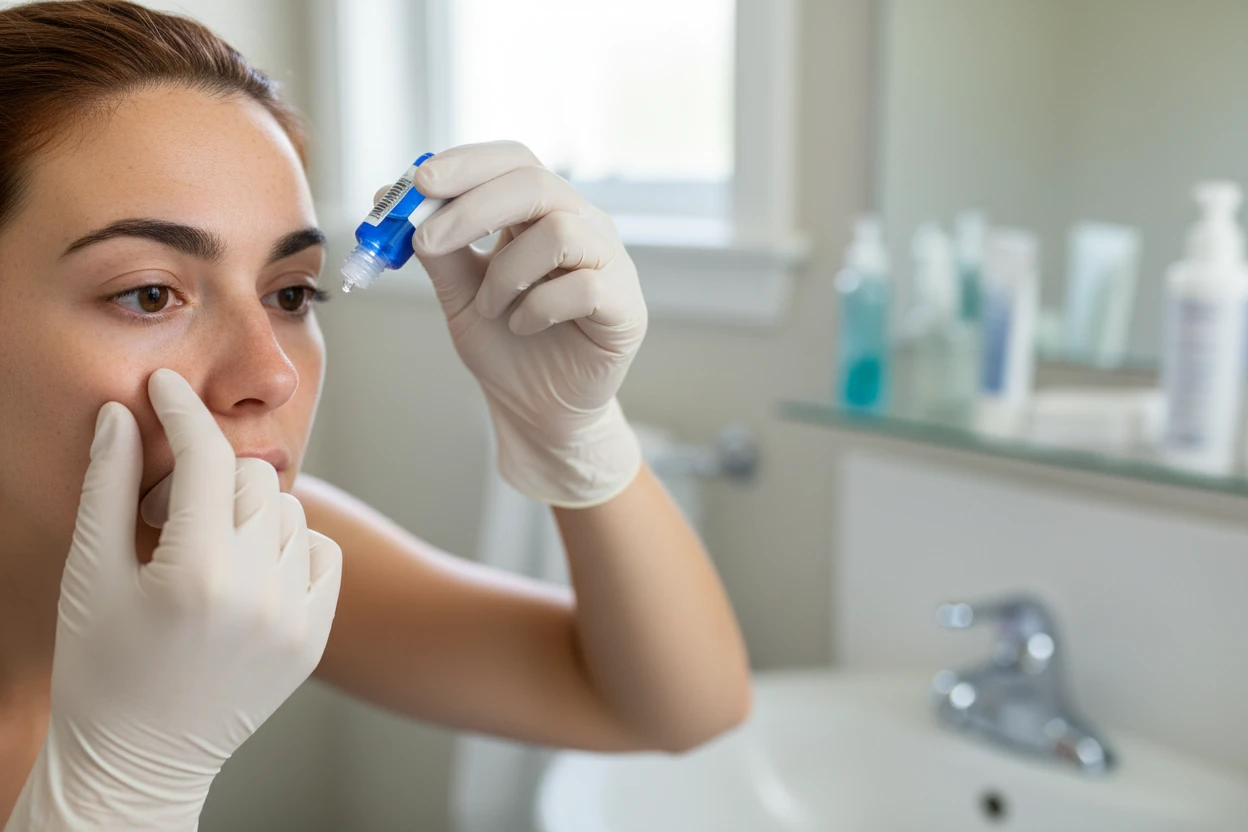
When using dandruff shampoos for fungal acne, it is important to select gentle, fragrance-free formulations to reduce irritation risk, especially for sensitive or eczema-prone skin14156. Application should be gentle, using fingertips without scrubbing, and the shampoo should be left on the skin for a few minutes to allow antifungal action before rinsing with lukewarm water1465.
Post-wash moisturizing with non-comedogenic products helps maintain skin hydration and barrier integrity15. Overuse or harsh application can worsen dryness and irritation, so limiting use to two or three times per week is advisable6.
- Choose fragrance-free, gentle antifungal shampoos to minimize irritation15.
- Apply a small amount gently with fingertips, avoiding vigorous scrubbing14.
- Leave shampoo on affected skin for several minutes before rinsing145.
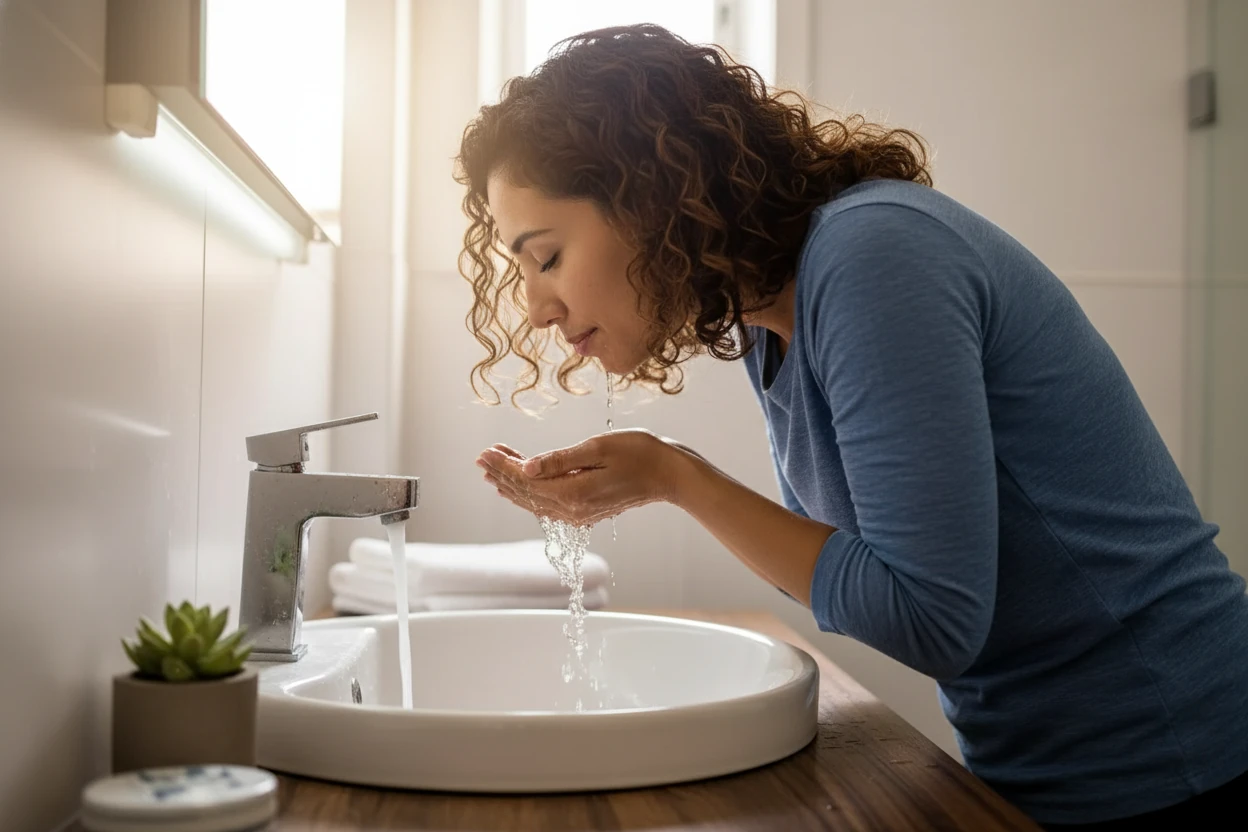
- Rinse with lukewarm water and gently pat skin dry6.
- Follow with a non-comedogenic moisturizer to restore hydration15.
Alternative Acne Treatment Options
Standard acne treatments target the specific causes of acne vulgaris and fungal acne more effectively than dandruff shampoos. Acne vulgaris treatments focus on reducing bacterial overgrowth, inflammation, and follicular plugging, while fungal acne requires antifungal therapies11615.
Common acne treatments include:
- Topical and oral antibiotics to reduce Cutibacterium acnes and inflammation13.
- Oral antifungals like itraconazole for fungal acne15.
- Hormonal therapies to regulate androgen levels and reduce sebum production16.
- Photodynamic therapy to decrease acne lesions and inflammation16.
- Procedural treatments for acne scars and cysts16.
- Topical retinoids to normalize follicular keratinization and reduce inflammation16.
- Oral isotretinoin for severe, resistant acne, requiring careful monitoring17.
- Gentle cleansing twice daily with non-comedogenic skincare products supports treatment16.
These approaches are generally better studied and more targeted than off-label use of dandruff shampoos for acne12171613.
| Acne Type | Common Treatments | Target Mechanism | Notes |
|---|---|---|---|
| Acne Vulgaris | Antibiotics, retinoids, hormonal therapy | Bacterial reduction, sebum control | Most common acne type116 |
| Fungal Acne | Oral antifungals, antifungal shampoos | Yeast inhibition | Requires antifungal agents155 |
Dandruff shampoos like Nizoral (ketoconazole) and Head & Shoulders (zinc pyrithione) are safe to use on the face for fungal acne when applied carefully. Patch testing and limited use help prevent irritation and dryness.46
Key Takeaways and Summary
- Dandruff shampoos containing zinc pyrithione, ketoconazole, or selenium sulfide can reduce Malassezia yeast and may help treat fungal acne9105.
- These shampoos are unlikely to improve typical bacterial acne vulgaris, which requires different treatments113.
- Use of dandruff shampoos on the face should be cautious, especially for sensitive or eczema-prone skin, to avoid dryness and irritation1415.
- Application involves gentle use, leaving the shampoo on the skin for a few minutes, followed by rinsing and moisturizing146.
- Standard acne treatments including antibiotics, retinoids, hormonal therapies, and oral antifungals remain the preferred options depending on acne type161513.