Bilevel positive airway pressure (BiPAP) machines are widely used to assist people who have difficulty breathing due to various medical conditions. These devices deliver pressurized air through a mask, helping patients breathe more easily by providing two different pressure levels for inhalation and exhalation1. BiPAP therapy is effective in both hospital and home settings, improving oxygen levels and reducing carbon dioxide retention in patients with respiratory failure2.
What Does a BiPAP Machine Do?
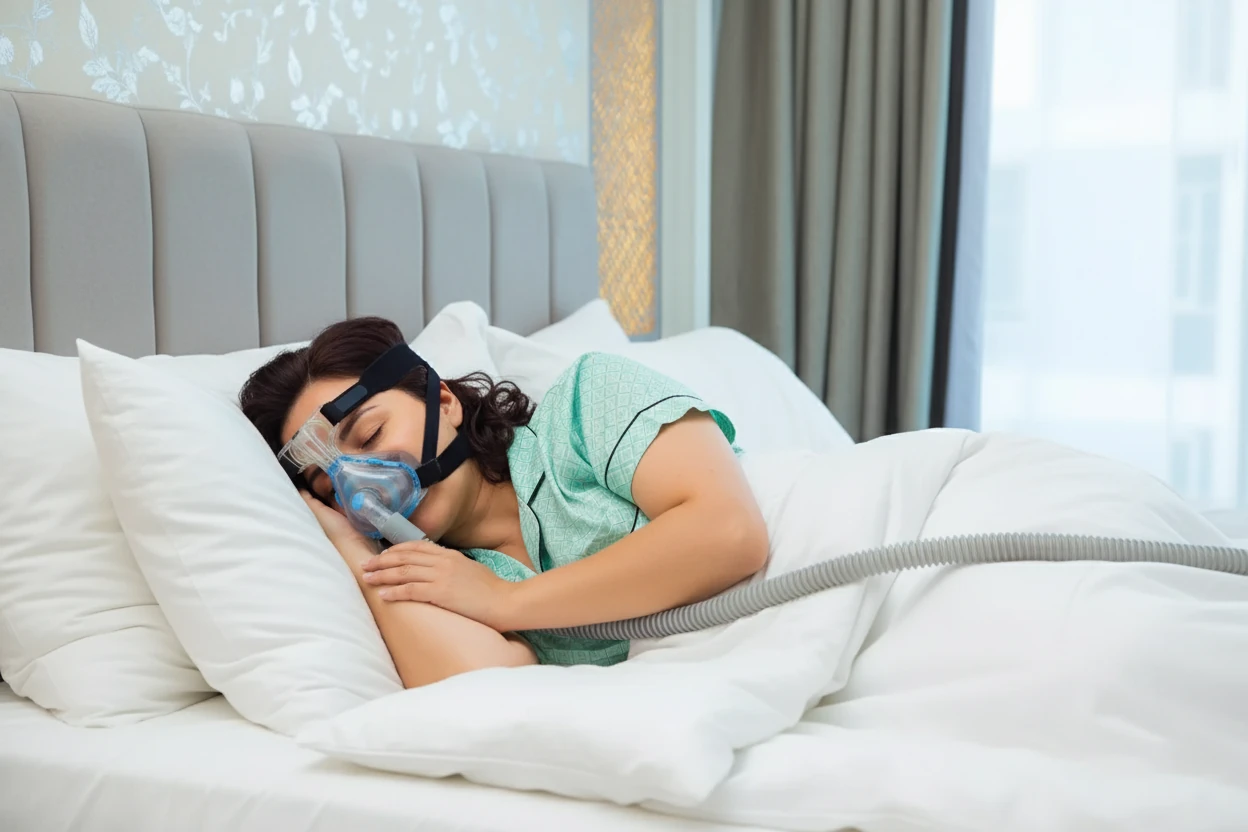
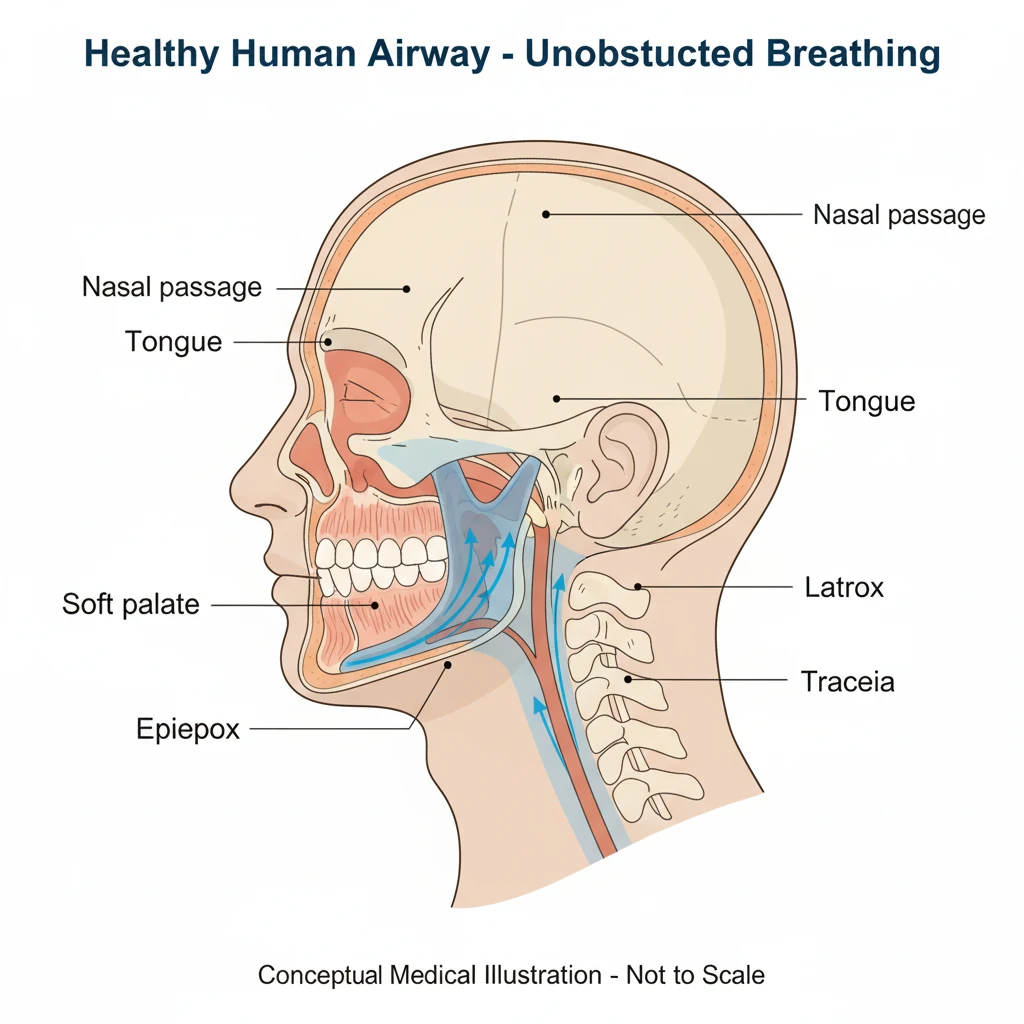
A BiPAP machine provides two levels of airway pressure: a higher inspiratory positive airway pressure (IPAP) during inhalation and a lower expiratory positive airway pressure (EPAP) during exhalation3. This bilevel pressure support mimics natural breathing patterns better than continuous pressure devices, reducing the work of breathing and improving ventilation efficiency43. By delivering pressurized air through a tight-fitting mask that covers the nose and mouth or just the nose, BiPAP helps keep the airways open and enhances gas exchange in the lungs3.
The machine can be set to deliver a backup respiratory rate, typically adjustable between 10 and 20 breaths per minute, to ensure adequate ventilation if the patient’s spontaneous breathing is insufficient3. Humidification is often integrated into BiPAP devices to prevent airway dryness and irritation, improving patient comfort during therapy3.
“BPAP machines use pressure to push air into the lungs and are commonly used for people with obstructive sleep apnea. Depending on the settings, this opens the upper airways, increasing airflow into the lungs and improving oxygen levels in the blood.”
— Meir Kryger, Healthline Medical Review2
What Is a BiPAP Machine Used For?
BiPAP therapy is primarily used to support patients with respiratory conditions that impair ventilation and gas exchange. It is effective in treating chronic obstructive pulmonary disease (COPD), neuromuscular disorders causing respiratory muscle weakness, and acute respiratory failure3. The device helps improve oxygen delivery and carbon dioxide removal, reducing symptoms like shortness of breath and fatigue53.
In addition to respiratory failure, BiPAP is commonly prescribed for obstructive and central sleep apnea, obesity hypoventilation syndrome, congestive heart failure, and certain neurological diseases affecting breathing muscles12. It is also used in managing severe asthma, pneumonia-symptoms-and-treatmentpneumonia-symptoms-and-treatmentpneumonia with respiratory distress, and complex sleep apnea when continuous positive airway pressure (CPAP) therapy is ineffective or poorly tolerated16.
BiPAP therapy can be an alternative to invasive mechanical ventilation in cases where patients can breathe spontaneously but need assistance to maintain adequate ventilation72.
Using a BiPAP Machine at Home
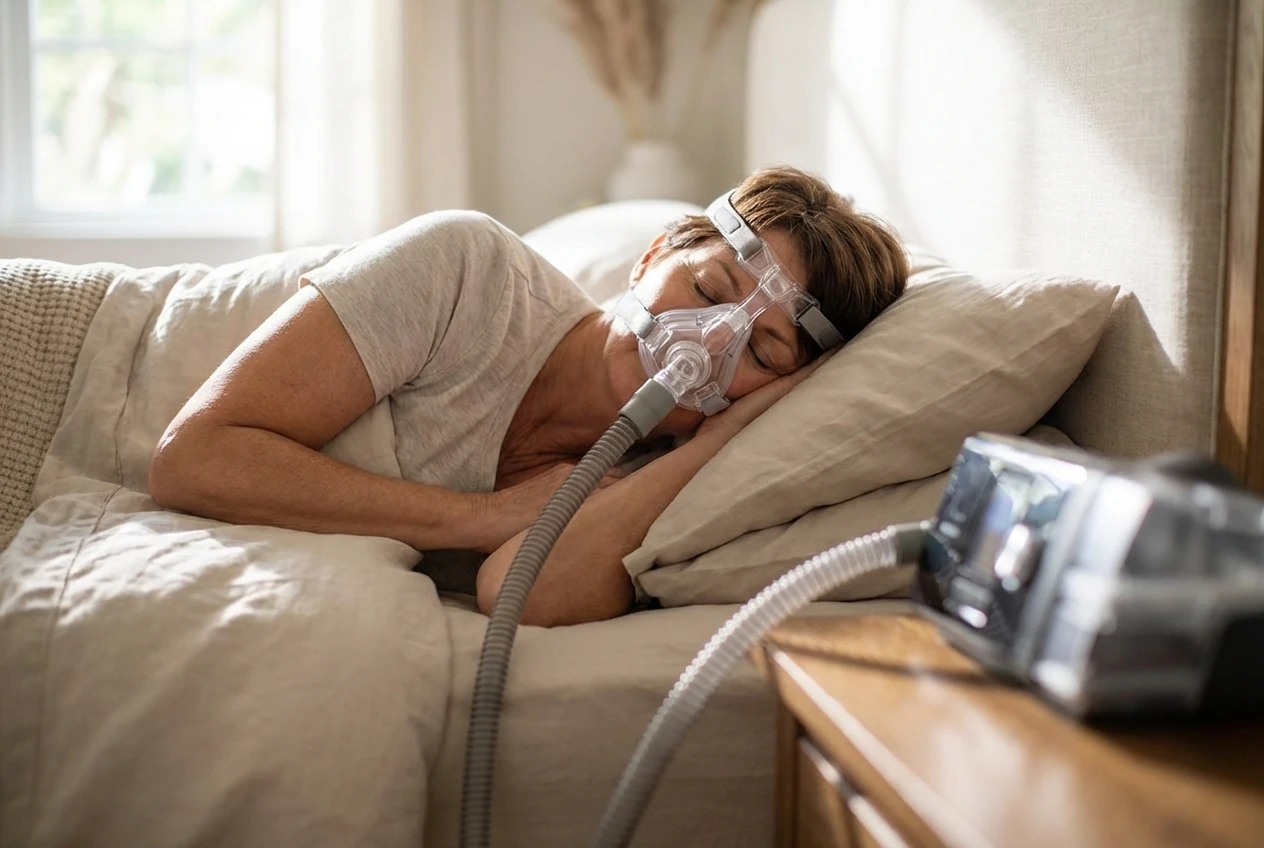
BiPAP machines are designed for both hospital and home use, allowing patients with chronic respiratory conditions to receive therapy outside clinical settings3. Home BiPAP devices are compact, about the size of a toaster or lunchbox, and connect to a mask via flexible tubing12. Patients typically wear nasal or full-face masks during sleep or as needed during the day to support breathing31.
Home BiPAP therapy is especially useful for patients with COPD, neuromuscular diseases, and sleep apnea who experience hypoventilation or impaired gas exchange3. It can also be applied in palliative care to ease dyspnea and improve comfort in advanced respiratory failure3.
Patients may experience initial side effects such as nasal dryness, sore throat, or mask discomfort, but these usually diminish as they acclimate to the therapy3. Regular medical follow-up is important to optimize machine settings and ensure effective treatment3.
- BiPAP machines assist breathing without invasive tubes or surgery1.
- Devices provide two pressure levels to make inhalation easier and exhalation more natural8.
- Humidification features reduce airway dryness and irritation3.
- Masks must fit securely to maintain effective positive airway pressure3.
- Backup respiratory rates can be programmed to support breathing if needed3.
Who Shouldn't Use BiPAP
BiPAP therapy is not suitable for everyone. It is contraindicated in patients with facial injuries that prevent a proper mask fit or those with airway obstructions that block airflow95. Patients who cannot protect their airway due to altered mental status or who require long-term invasive mechanical ventilation should not use BiPAP953.
Initial use of BiPAP may cause discomfort, including chest pressure, mask irritation, nasal dryness, eye irritation, or sore throat3. Some patients may feel claustrophobic or anxious when wearing the mask, which can limit tolerance10. Most side effects improve with time and proper mask fitting3.
Sleep studies or polysomnography are often conducted to titrate BiPAP settings for optimal therapy. Auto-titrating BiPAP machines can adjust pressure levels automatically, reducing the need for in-lab titration3.
- Facial trauma or physical barriers preventing mask seal95.
- Airway obstruction blocking airflow to lungs95.
- Reduced consciousness or inability to cooperate with therapy3.
- Need for invasive mechanical ventilation95.
- Claustrophobia or intolerance to mask use10.
BiPAP vs. CPAP
Both BiPAP and continuous positive airway pressure (CPAP) machines deliver positive airway pressure to keep airways open and improve breathing3. CPAP provides a constant single pressure throughout the respiratory cycle, primarily used for obstructive sleep apnea3. In contrast, BiPAP delivers two pressure levels: a higher pressure during inhalation (IPAP) and a lower pressure during exhalation (EPAP), making it suitable for patients who need ventilatory support beyond airway splinting93.
BiPAP’s bilevel pressure allows for easier exhalation and better ventilation in patients with hypoventilation or respiratory muscle weakness36. CPAP is generally the first-line treatment for obstructive sleep apnea, while BiPAP is reserved for patients who cannot tolerate CPAP or have more complex breathing disorders such as central sleep apnea or neuromuscular diseases116.
| Feature | CPAP | BiPAP |
|---|---|---|
| Pressure delivery | Constant single level pressure3 | Two levels: higher IPAP, lower EPAP3 |
| Primary use | Obstructive sleep apnea3 | Complex apnea, hypoventilation, COPD3 |
| Exhalation pressure | Same as inhalation pressure3 | Lower than inhalation pressure3 |
| Patient comfort | May cause difficulty exhaling3 | Easier exhalation, better tolerance6 |
| Typical pressure range | 8–10 cm H2O6 | 4–30 cm H2O6 |
A Quick Review
BiPAP therapy helps you breathe more easily by providing two pressure levels, making inhalation easier and exhalation more natural. It is a valuable treatment for respiratory conditions where CPAP is insufficient or poorly tolerated.16
BiPAP is a noninvasive ventilation mode that supports breathing by delivering two different pressure levels during inhalation and exhalation3. This bilevel pressure system reduces the effort required to breathe and improves gas exchange, making it effective for patients with respiratory failure, COPD, neuromuscular diseases, and complex sleep apnea32.
CPAP machines provide a continuous single pressure to keep airways open, mainly treating obstructive sleep apnea3. While CPAP is effective for many patients, BiPAP offers advantages for those who need additional ventilatory support, such as patients with hypoventilation or respiratory muscle weakness93.
BiPAP therapy is generally safe and well-tolerated, with mild side effects that improve over time. It can be used both in hospitals and at home, improving quality of life and reducing symptoms related to poor ventilation31.