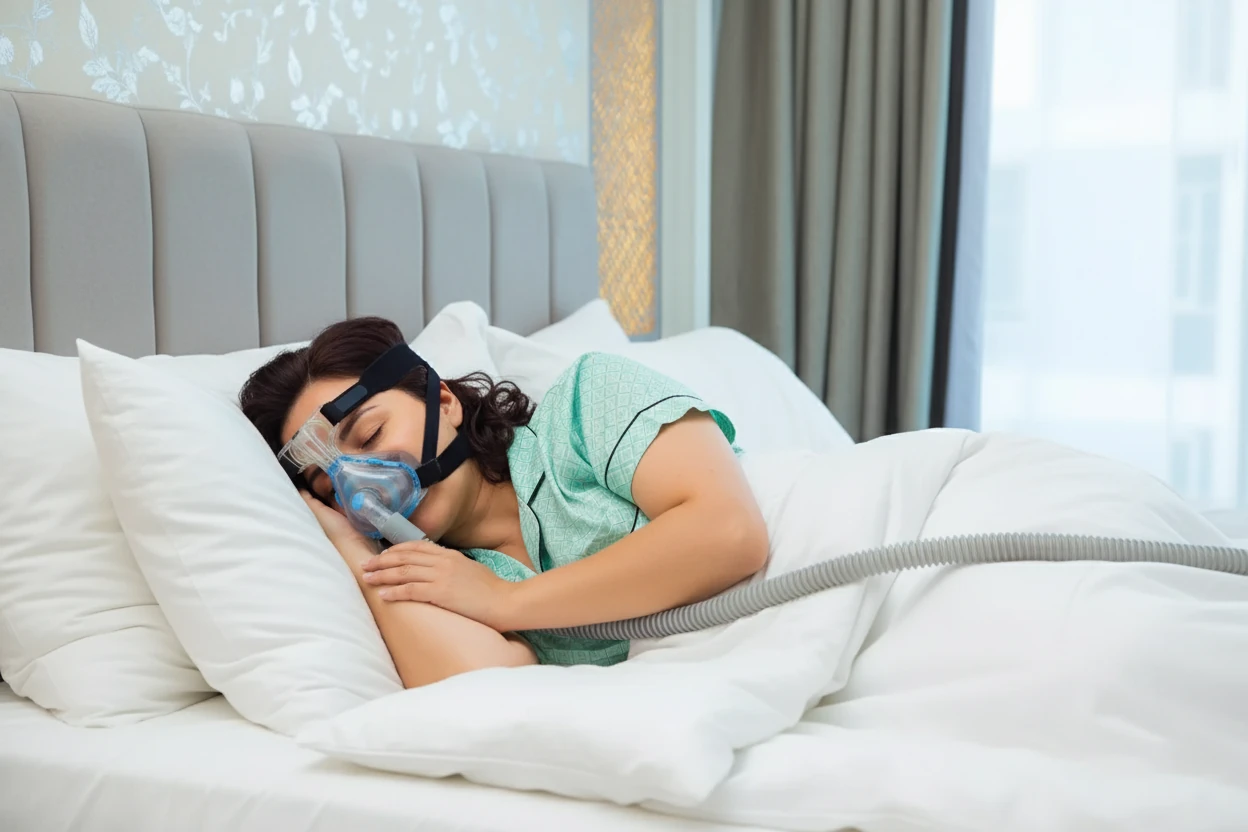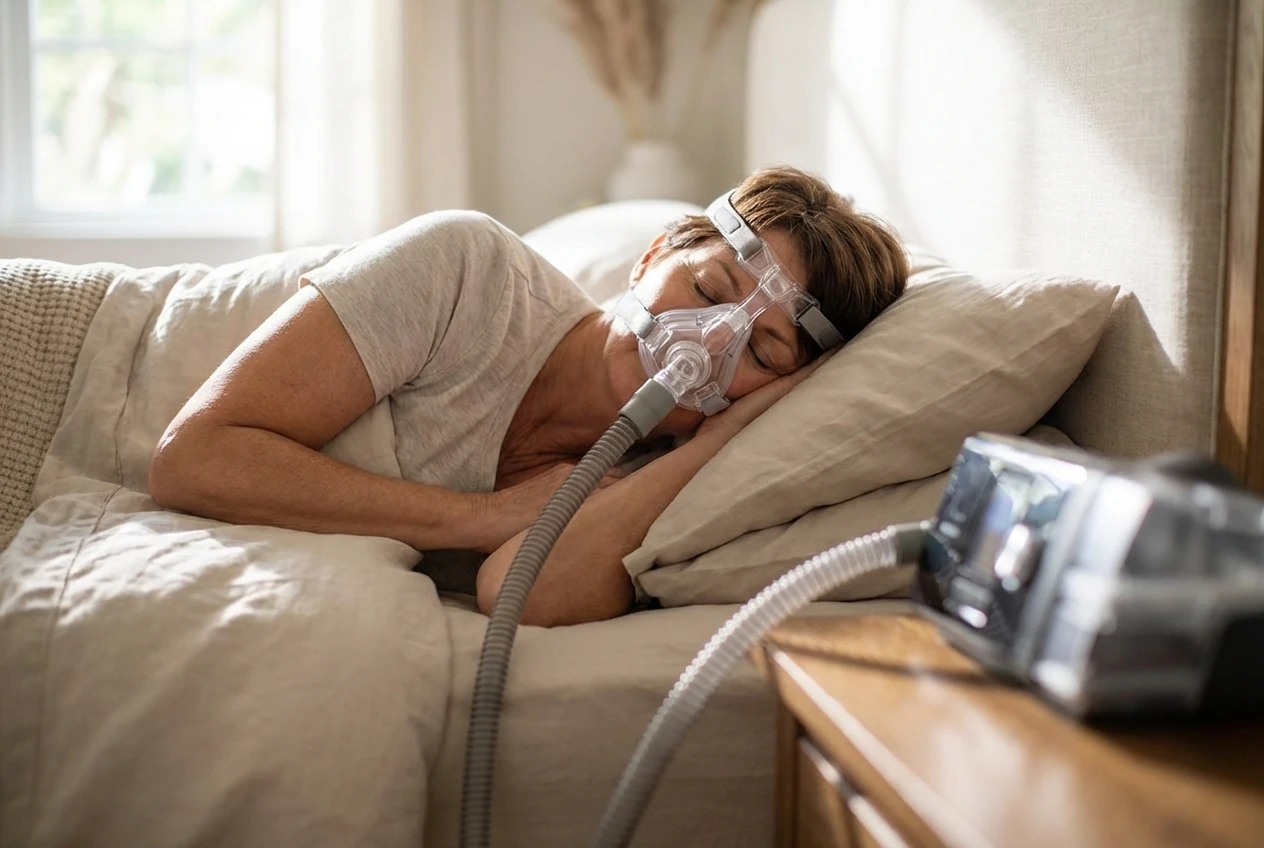
Sleep paralysis affects a significant portion of the population, with estimates ranging from 7.6% to 40% experiencing at least one episode in their lifetime12. This condition occurs during transitions between sleep and wakefulness, causing temporary muscle paralysis despite full conscious awareness23. Although sleep paralysis itself is not dangerous, its symptoms can be distressing and are often accompanied by vivid hallucinations and intense fear34.
Inability to Move or Speak During Episodes
Sleep paralysis is characterized by a temporary inability to move or speak during the moments of falling asleep or waking up54. This occurs because the depression diagnosis process and criteria maintains the muscle atonia (paralysis) typical of rapid eye movement (REM) sleep even as consciousness returns67. REM atonia normally prevents the body from acting out dreams by inhibiting motor neurons, except for eye and respiratory muscles78. During sleep paralysis, this muscle inhibition persists, leaving the individual "trapped" in their body, fully aware but unable to move any part of it except the eyes and to breathe89.
Episodes typically last from a few seconds to a couple of minutes but can extend up to 20 minutes in rare cases34. The paralysis usually resolves spontaneously or when external stimuli such as touch or voice interrupt the episode53. Sleep paralysis can occur as an isolated event or recur frequently, with recurrent isolated sleep paralysis (RISP) recognized as a clinical condition1011.
Risk factors for sleep paralysis include sleep deprivation, irregular sleep schedules, psychiatric disorders such as anxiety and PTSD, substance use, and comorbid sleep disorders like narcolepsy and obstructive sleep apnea12113. Episodes often begin in childhood or adolescence and are more common in people with high stress or disrupted sleep patterns133.
“The person has lost muscle control. Their eyes are able to move and they can breathe — those are the only muscles functioning at that time.”
— Susie Fong, UCLA Health8
Sleep Paralysis Hallucinations
Hallucinations during sleep paralysis are vivid and often involve multiple sensory modalities, including visual, auditory, tactile, and olfactory experiences1415. These hallucinations typically occur at sleep onset (hypnagogic) or upon awakening (hypnopompic) and contribute significantly to the distress experienced during episodes514.
Common types of hallucinations include:
- Intruder hallucinations: The sensation of a threatening presence or figure in the room, often perceived as malevolent or evil14169.
- Visual hallucinations: Geometric shapes, shadowy figures, or faceless entities are frequently reported1517.
- Tactile hallucinations: Sensations such as tingling, pressure, or vibrations on the body14.
- Auditory hallucinations: Hearing footsteps, voices, or music without an external source14.
- Vestibular-motor hallucinations: Feelings of floating, flying, or out-of-body experiences144.
The neuropharmacology of these hallucinations may involve activation of serotonin 2A receptors, which could explain their vivid and multi-sensory nature15. These hallucinations often feel indistinguishable from reality, intensifying the fear and panic during episodes69.
Fear and Anxiety During Episodes
Intense fear and anxiety are hallmark emotional responses during sleep paralysis episodes514. The hallucinations of threatening presences or entities often trigger panic, helplessness, and a sense of impending danger1816. This fear can create a feedback loop, increasing autonomic arousal and potentially prolonging the episode19.
Sleep paralysis has been linked to increased risk of anxiety disorders and poor sleep quality, which may in turn exacerbate the frequency and severity of episodes20. Cultural interpretations of sleep paralysis often describe these experiences as encounters with "sleep demons" or intruders, reflecting the universal nature of the fear response1617.
- Episodes are usually brief but can provoke strong emotional distress5.
- Fear of the sensation of paralysis and hallucinations may lead to avoidance of sleep and subsequent sleep deprivation20.
- Recurrent isolated sleep paralysis (RISP) is associated with higher levels of anxiety and panic symptoms1811.
- Stressful life events and psychiatric conditions increase vulnerability to sleep paralysis2111.
- Managing anxiety and stress may reduce episode frequency and distress22.
Chest Pressure and Breathing Sensations
A common and distressing symptom during sleep paralysis is the sensation of pressure on the chest or difficulty breathing, often described as suffocation or choking1416. This is explained by the involvement of respiratory muscles in REM atonia, which can impair the sensation of breathing even though actual respiration continues normally239.
The "incubus phenomenon" is a well-documented hallucination combining chest pressure with the visual or tactile perception of a threatening entity pressing down on the chest or throat1016. This phenomenon is widespread across cultures and contributes to the intense fear experienced during episodes16.
- Sensations of chest tightness or heaviness are common during episodes14.
- Respiratory muscle paralysis affects the feeling of breathlessness but not oxygen intake23.
- The incubus phenomenon involves a combination of chest pressure and hallucinated presence16.
- These symptoms can mimic panic attacks or respiratory distress, increasing anxiety9.
- Understanding the benign nature of these sensations can help reduce fear during episodes3.
Sleep Paralysis in Children
Sleep paralysis often begins in childhood or adolescence, with symptoms in children mirroring those in adults1324. However, in children, episodes may be mistaken for nightmares, night terrors, or other parasomnias, complicating diagnosis24. Early recognition is important to differentiate benign isolated sleep paralysis from other sleep or psychiatric disorders10.
Children with sleep paralysis may experience:
- Temporary inability to move or speak during sleep transitions24.
- Hallucinations involving frightening images or sensations24.
- Sensations of chest pressure or suffocation similar to adults23.
- Emotional distress including fear and panic24.
- Confusion with other sleep disorders such as night terrors or nightmare disorder24.
Parents and caregivers should seek medical advice if children frequently experience frightening episodes of immobility during sleep or if these episodes cause significant distress24. Sleep paralysis itself is benign but may indicate underlying sleep or mental health conditions requiring evaluation2510.
When to Seek Medical Help
Although sleep paralysis is generally harmless, recurrent or distressing episodes may signal underlying conditions that warrant medical evaluation1026. Individuals should consider consulting a healthcare provider if:
- Episodes occur frequently or worsen over time26.
- Sleep paralysis causes significant anxiety or disrupts sleep quality3.
- There are symptoms suggestive of comorbid sleep disorders such as narcolepsy or obstructive sleep apnea1211.
- Psychiatric conditions like anxiety, PTSD, or bipolar disorder are present or suspected11.
- Children experience frequent or severe episodes that interfere with daily functioning24.
Diagnosis typically involves a detailed medical and sleep history, assessment of mental health, and possibly sleep studies such as polysomnography or multiple sleep latency testing to rule out narcolepsy or other disorders326. Treatment focuses on managing underlying causes, improving sleep hygiene, and addressing psychiatric comorbidities1027.
Sleep paralysis is a transient state where the brain wakes up before the body, causing temporary paralysis and vivid hallucinations. While frightening, it is generally benign and can be managed by improving sleep habits and addressing stress2838.
Sleep Paralysis Symptoms Summary
Sleep paralysis is a REM parasomnia characterized by temporary muscle atonia during full conscious awareness, usually occurring at sleep onset or upon awakening27. Key symptoms include:
- Inability to move or speak despite full consciousness54.
- Vivid hallucinations involving multiple senses, often of threatening presences or out-of-body experiences1415.
- Intense fear, panic, and helplessness during episodes514.
- Sensations of chest pressure or suffocation linked to respiratory muscle involvement2316.
- Episodes lasting from a few seconds to several minutes, typically resolving spontaneously or with external stimuli34.
Risk factors include sleep deprivation, irregular sleep schedules, psychiatric disorders, substance use, and comorbid sleep disorders such as narcolepsy and obstructive sleep apnea12113. Sleep paralysis often begins in adolescence and may recur, especially in high-stress populations like medical students113.
| Symptom Category | Description | Typical Duration | Associated Features |
|---|---|---|---|
| Motor Paralysis | Inability to move or speak despite awareness | Seconds to minutes | Eye and respiratory muscles spared8 |
| Hallucinations | Visual, auditory, tactile, olfactory experiences | Concurrent with paralysis | Intruder, incubus, vestibular-motor types144 |
| Emotional Response | Fear, panic, helplessness | During episodes | May prolong episode duration19 |
| Chest Pressure Sensations | Feeling of suffocation or pressure on chest | During episodes | Incubus phenomenon common16 |
The sensation of a threatening presence during sleep paralysis is a common hallucination worldwide, likely caused by brain activity disruptions during REM sleep transitions179.
Sleep Paralysis FAQs
How common is sleep paralysis?
Sleep paralysis affects up to 40% of people at least once in their lifetime, with recurrent episodes occurring in about 10% of individuals1264.
Is sleep paralysis dangerous?
Sleep paralysis itself is not physically harmful but can cause significant emotional distress and anxiety5103.
What triggers sleep paralysis?
Triggers include sleep deprivation, irregular sleep schedules, sleeping on the back, psychiatric disorders, substance use, and other sleep disorders like narcolepsy11328.
Can sleep paralysis be treated?
There is no direct treatment for episodes, but managing underlying conditions, improving sleep hygiene, and reducing stress can decrease frequency and severity10223.
When should I see a doctor about sleep paralysis?
Seek medical advice if episodes are frequent, cause anxiety, disrupt sleep, or if you have symptoms of other sleep or mental health disorders262411.