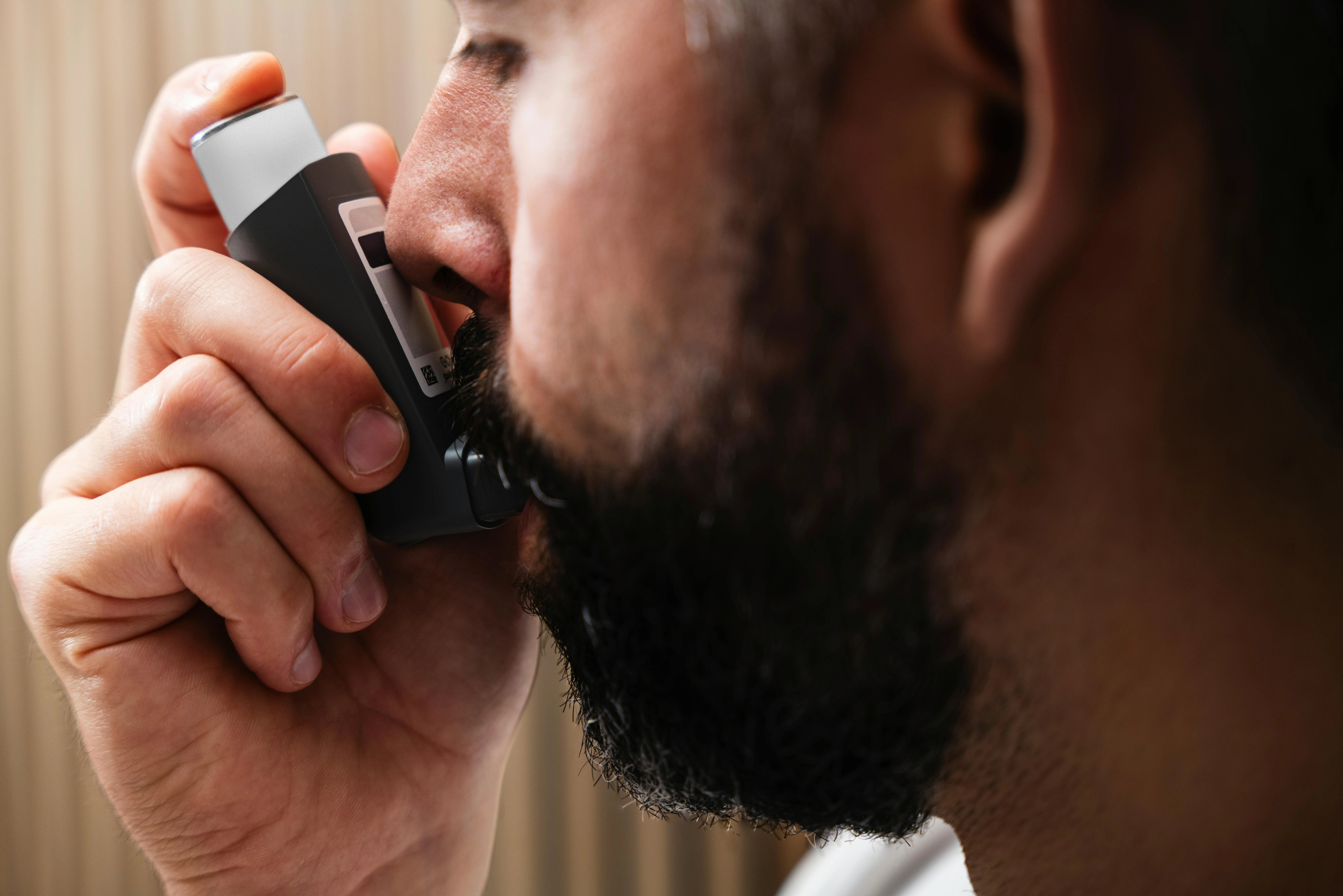
Chronic obstructive pulmonary disease (COPD) is a progressive lung condition that affects millions worldwide and is a leading cause of illness and death1. It is characterized by persistent respiratory symptoms and airflow limitation caused by airway and alveolar abnormalities2. Early symptoms are often mild and mistaken for aging or smoking effects, which can delay diagnosis and treatment3. Understanding COPD symptoms and stages is essential for timely management and improving quality of life4.
Common COPD Symptoms
COPD symptoms result from chronic inflammation and damage to the lungs, leading to airflow obstruction and impaired gas exchange5. These symptoms vary widely among individuals and worsen as the disease progresses1.
Shortness of Breath
Shortness of breath, or dyspnea, is the hallmark symptom of COPD and often the main reason patients seek medical care6. Early in the disease, breathlessness typically occurs during exertion, such as climbing stairs or walking uphill1. As COPD advances, dyspnea becomes persistent and can occur even at rest6. Patients often describe a sensation of chest tightness and difficulty taking deep breaths, sometimes referred to as "air hunger" or an urgent need to breathe61.
Chronic Cough
A chronic cough is a common early symptom of COPD and may precede measurable airflow limitation6. This cough is often productive, bringing up sputum (mucus) that can vary in color and consistency5. Persistent coughing may disrupt sleep and cause musculoskeletal discomfort, such as rib soreness6. Many patients initially attribute their cough to smoking or aging, leading to under-recognition3.
Frequent Respiratory Infections
People with COPD are more susceptible to respiratory infections like colds, flu, pneumonia-symptoms-and-treatmentpneumonia-symptoms-and-treatmentbronchitis, and pneumonia5. These infections can worsen symptoms and accelerate lung damage. Exacerbations, or flare-ups, are episodes of acute symptom worsening often triggered by infections or environmental irritants7. Frequent exacerbations increase the risk of hospitalization and reduce quality of life8.
Chest Tightness
Chest tightness or heaviness is commonly reported by COPD patients and may make it difficult or painful to take deep breaths5. This symptom reflects airway inflammation and narrowing, contributing to airflow limitation5.
Wheezing
Wheezing is a whistling or squeaky sound heard during breathing, caused by narrowed airways5. It is a frequent symptom in COPD and may worsen during exacerbations or physical activity6.
Fatigue
Fatigue or extreme tiredness is common in COPD due to the increased effort required for breathing and reduced oxygen delivery to tissues5. This symptom can limit daily activities and contribute to a decline in overall health5.
COPD Assessment and Staging
Accurate assessment and staging of COPD are critical for guiding treatment and predicting outcomes. The Global Initiative for Chronic Obstructive Lung Disease (GOLD) provides the international standard for COPD diagnosis and management8.
Spirometry is the gold standard test to diagnose COPD and assess lung function by measuring the volume and flow of air exhaled1. Key spirometric parameters include forced vital capacity (FVC) and forced expiratory volume in one second (FEV1)9101. COPD severity is classified into four GOLD grades based on FEV1 percent predicted:
| GOLD Grade | FEV1 % Predicted | Severity Description |
|---|---|---|
| 1 | ≥80% | Mild airflow limitation |
| 2 | 50–79% | Moderate airflow limitation |
| 3 | 30–49% | Severe airflow limitation |
| 4 | <30% | Very severe airflow limitation |
In addition to spirometry, GOLD groups patients into A, B, C, or D categories based on symptom burden and exacerbation risk to tailor treatment8. Group A patients have low symptoms and low exacerbation risk, while Group D patients have high exacerbation risk regardless of symptom severity8.
Patient-reported tools such as the COPD Assessment Test (CAT) and the modified Medical Research Council (mMRC) scale help quantify symptom impact and guide management811.
“GOLD stands for the Global Initiative for Chronic Obstructive Lung Disease. It was started in 1997 by the National Heart, Lung, and Blood Institute, the National Institutes of Health, and the World Health Organization.”
— Matthew Hoffman, WebMD12
GOLD Stage 1 Symptoms
Mild COPD (GOLD 1) often causes minimal or no noticeable symptoms1. Early symptoms, if present, are subtle and frequently mistaken for normal aging or effects of smoking3. Patients may not seek medical attention at this stage due to the mild nature of symptoms3.
GOLD Stage 2 Symptoms
Moderate COPD (GOLD 2) is characterized by increased symptom burden and measurable airflow limitation1. Exertional dyspnea becomes more apparent, with breathlessness during routine activities such as walking or climbing stairs1. Chronic cough often worsens, especially in the morning and with physical activity1. Many patients receive a COPD diagnosis during this stage due to symptom progression3. Activities of daily living may become challenging due to breathlessness1.
GOLD Stage 3 Symptoms
Severe COPD (GOLD 3) involves marked reduction in lung function and more intense symptoms1. Patients experience severe shortness of breath that limits physical activity9101. Frequent exacerbations are common and often require hospital care8. Peripheral edema (swelling of legs and feet) may develop due to right heart strain caused by lung disease1.
GOLD Stage 4 Symptoms
Very severe COPD (GOLD 4) represents the final stage with critical lung impairment1. Patients have persistent symptoms including dyspnea at rest1. Respiratory failure and right heart failure are common complications1. Severe exacerbations significantly worsen prognosis and quality of life8. Additional symptoms include tachycardia (rapid heart rate) and peripheral edema1.
COPD Symptoms in Women
Women with COPD often experience more severe symptoms and earlier disease onset compared to men13. Female patients report worse dyspnea, higher rates of exacerbations, and poorer quality of life13. Difficulty breathing and rapid heart rate may occur even at rest in women with advanced COPD913.
Self-Assessment of Symptoms
Patients can monitor their COPD symptoms using tools like the COPD Assessment Test (CAT) and the modified Medical Research Council (mMRC) scale8. These questionnaires help quantify symptom burden and the impact on daily life8. Self-assessment can facilitate early detection of worsening symptoms and prompt medical evaluation8.
Common signs indicating worsening COPD include:
- Severe shortness of breath1415
- More frequent exacerbations or flare-ups1415
- Increased cough or sputum production
- Changes in sputum color or thickness
- New or worsening swelling in legs or ankles
💡 Did You Know? Chronic obstructive pulmonary disease (COPD) results from lung damage causing inflammation and narrowing of airways, leading to airflow obstruction and difficulty breathing5.
When to See a Doctor
Early consultation with a healthcare provider is recommended for individuals with respiratory symptoms and risk factors for COPD, such as smoking or exposure to lung irritants3. Prompt evaluation can lead to earlier diagnosis and treatment, which may slow disease progression and improve quality of life3.
Seek medical attention if you experience:
- Worsening shortness of breath or breathlessness during activities
- Increased coughing or sputum production, especially if sputum changes color or consistency
- New or worsening swelling in ankles, feet, or legs
- Unexplained weight loss or gain
- Frequent morning headaches or dizziness
- Fever, chills, or other signs of infection
Emergency care is warranted for:
- Sudden or severe difficulty breathing
- Blue or gray lips or fingernails indicating low oxygen levels
- Confusion, restlessness, or slurred speech
- High fever over 103°F (40°C)1617
“All of these conditions can cause breathlessness. Doctors use stages or grades to describe how severe COPD is. This system is called the GOLD staging or grading system. Your grade will affect what treatment you receive.”
— Matthew Hoffman, WebMD12
COPD Symptoms Summary
“Chronic obstructive pulmonary disease (COPD) includes two main types of lung disease: chronic bronchitis and emphysema. Chronic obstructive asthma is not classified as a type of COPD.”
— Matthew Hoffman, WebMD12
COPD is a chronic, progressive lung disease primarily caused by long-term exposure to tobacco smoke and other irritants15. Symptoms include:
- Shortness of breath, initially on exertion and later at rest61
- Chronic cough with sputum production65
- Wheezing and chest tightness5
- Fatigue and reduced exercise tolerance5
- Frequent respiratory infections and exacerbations75
The GOLD staging system classifies COPD severity based on lung function and symptoms, guiding treatment decisions8. Early diagnosis and management can improve symptoms, reduce exacerbations, and enhance quality of life36.