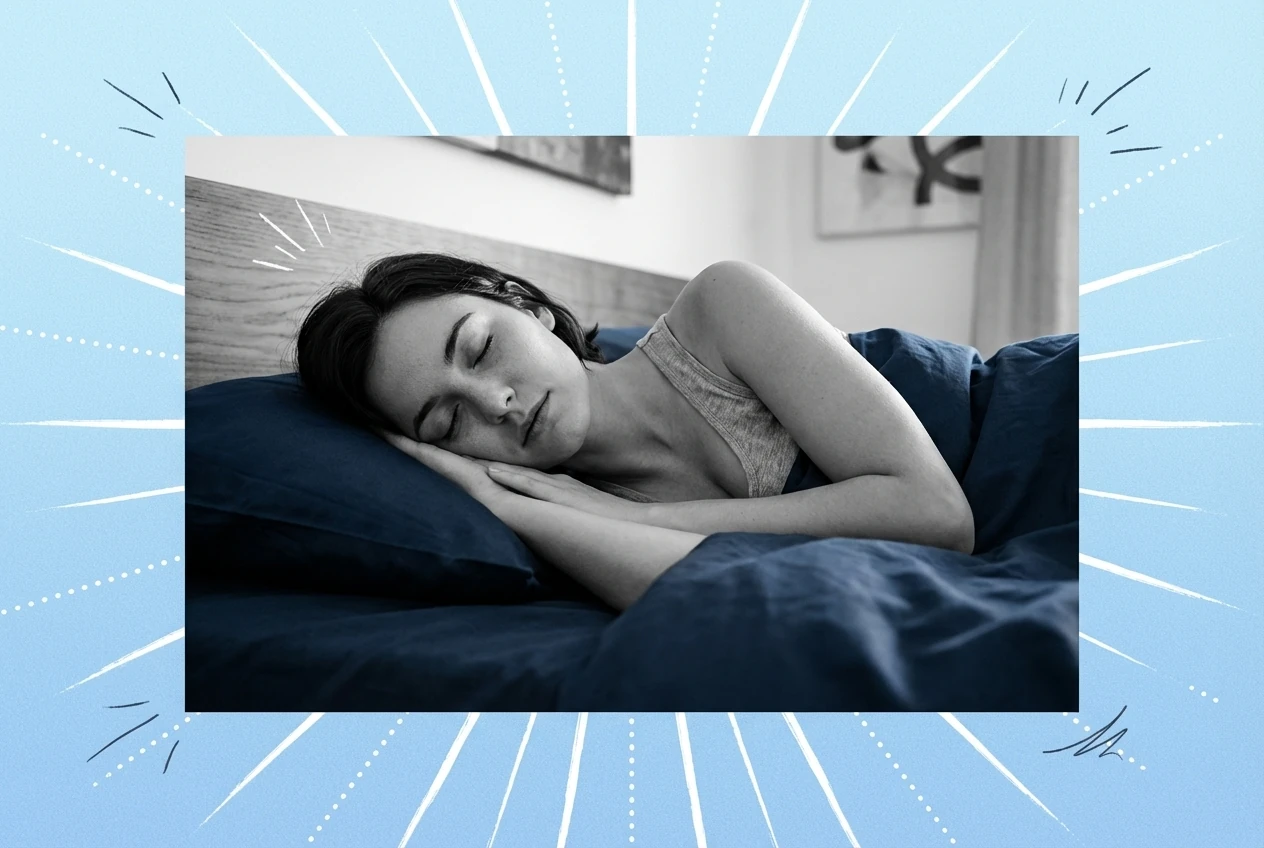
Sleep paralysis is a common but often frightening experience where a person is temporarily unable to move or speak while falling asleep or waking up. It affects about 20% of people at least once in their lifetime, with some experiencing recurrent episodes1. This condition occurs due to a disruption in the normal transition between rapid eye movement (REM) sleep and wakefulness, leading to a temporary paralysis of voluntary muscles despite full conscious awareness1. Understanding the causes and risk factors of sleep paralysis can help in managing and reducing its occurrence.
Poor Sleep Habits and Sleep Loss
Poor sleep habits and sleep deprivation are significant contributors to sleep paralysis. Inadequate sleep and irregular sleep schedules disrupt the normal sleep architecture, particularly the REM sleep phase, which is closely linked to sleep paralysis episodes2. Chronic stress and shift work further increase the risk by causing circadian rhythm disturbances and sleep fragmentation34. These factors can lead to more frequent and severe episodes of sleep paralysis.
Key contributors include:
- Chronic stress and anxiety that impair sleep quality34
- Shift work causing circadian rhythm disruptions34
- Sleep deprivation reducing restorative sleep phases2
- Irregular sleep schedules interfering with normal REM cycles2
Improving sleep hygiene by maintaining consistent sleep times, managing stress, and ensuring adequate sleep duration can reduce the risk of sleep paralysis2.
Sleep Disorders Linked to Sleep Paralysis
Sleep paralysis is often associated with several sleep disorders that disrupt normal sleep patterns and muscle atonia during REM sleep.
Insomnia
Although insomnia primarily involves difficulty falling or staying asleep, it is linked to poor sleep quality and fragmented sleep, which may increase the likelihood of sleep paralysis episodes5. Insomnia-related sleep disturbances can disrupt REM sleep transitions, contributing to paralysis episodes during sleep-wake shifts5.
Obstructive Sleep Apnea
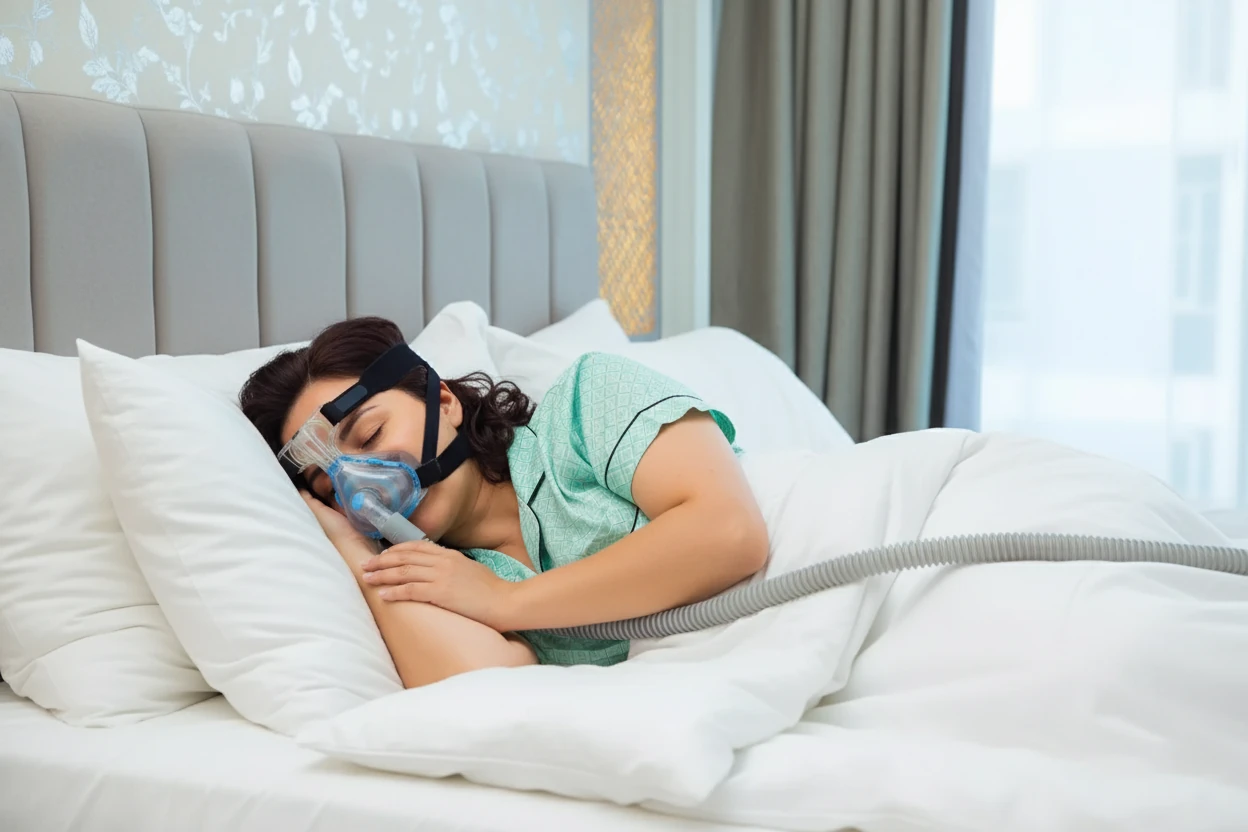
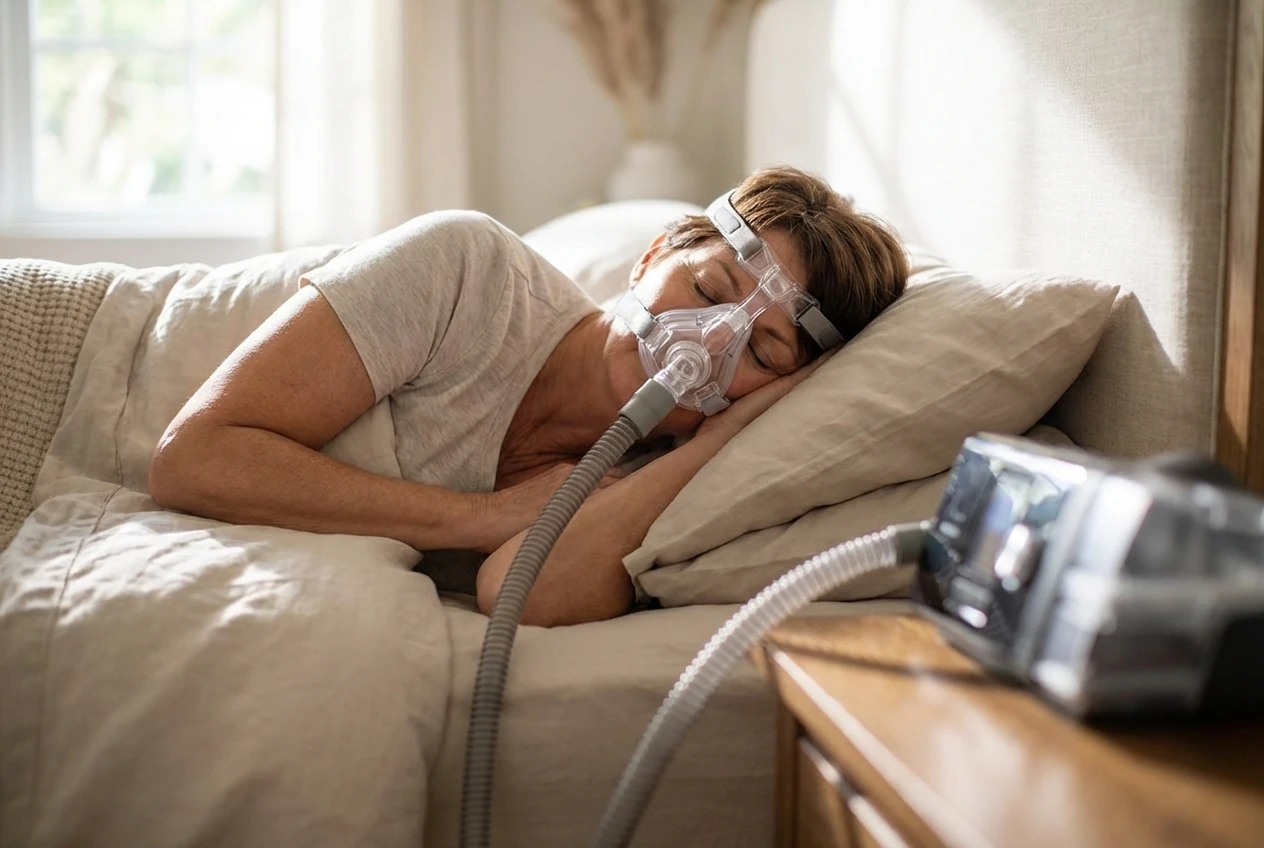
Obstructive sleep apnea (OSA) is a sleep disorder characterized by repeated airway obstruction during sleep, leading to fragmented sleep and oxygen desaturation6. Sleep paralysis is more common in people who sleep on their backs, a position associated with OSA, possibly due to intermittent hypoxia and sleep fragmentation affecting REM sleep stability37. OSA may increase the frequency of sleep paralysis episodes by disrupting normal REM atonia and sleep architecture7.
Narcolepsy
Narcolepsy is a neurological disorder marked by excessive daytime sleepiness and abnormal REM sleep regulation. Sleep paralysis is a cardinal symptom of narcolepsy and often occurs during transitions between REM sleep and wakefulness89. In narcolepsy, REM muscle atonia can persist into wakefulness, causing episodes of paralysis accompanied by vivid hallucinations81. Diagnosing narcolepsy in patients with recurrent sleep paralysis is important for appropriate management8.
Mental Health and Sleep Paralysis
Mental health conditions are strongly linked to increased risk and severity of sleep paralysis. Stressful life events and chronic stress elevate the likelihood of experiencing sleep paralysis episodes34. Post-traumatic stress disorder (PTSD) is particularly associated with recurrent sleep paralysis, often accompanied by intense fear and hallucinations34. depression-7-helpful-choices">depression-reliefdepression-reliefDepression and anxiety disorders also correlate with higher rates of sleep paralysis10.
These mental health conditions may alter neurotransmitter systems involved in sleep regulation, such as serotonin and gamma-aminobutyric acid (GABA), contributing to REM sleep disruptions and muscle atonia persistence11. Managing underlying psychiatric disorders and reducing stress can help mitigate sleep paralysis frequency and distress11.
Is Sleep Paralysis Hereditary?
Genetic factors may moderately influence susceptibility to sleep paralysis. Twin studies suggest a genetic connection related to the PER2 gene, which regulates circadian rhythms, indicating that variations in this gene may affect the timing and quality of sleep, thereby influencing sleep paralysis risk12. However, genetic associations between sleep paralysis and circadian-expressed single nucleotide polymorphisms remain inconclusive and require further research13.
This suggests that while genetics can play a role, environmental and lifestyle factors likely have a stronger impact on sleep paralysis occurrence.
Who Experiences Sleep Paralysis?
Sleep paralysis affects a broad range of individuals but is more prevalent in certain groups. Approximately 7.6% of the general population experiences sleep paralysis, with higher rates reported among students and psychiatric patients1415. Studies indicate that African American and Asian populations have a higher prevalence of sleep paralysis compared to Caucasians16.
Sleep paralysis often begins in adolescence and can continue into the 20s and 30s17. It is also more common in individuals with disrupted sleep patterns, mental health conditions, or sleep disorders such as narcolepsy and obstructive sleep apnea117.
Sleep Paralysis Risk Factors
Several factors increase the risk of experiencing sleep paralysis. These include lifestyle habits, substance use, medications, and sleep position.
Substance Use
Substance use disorders are linked to sleep disturbances that may include sleep paralysis10. Alcohol consumption and withdrawal can disrupt REM sleep, increasing the risk of sleep paralysis episodes5. Excessive alcohol use and substance abuse contribute to fragmented sleep and altered neurotransmitter function, which may precipitate sleep paralysis5.
Some Medications
Certain psychotropic medications affecting neurotransmitters involved in sleep regulation have been associated with sleep paralysis symptoms18. These include selective serotonin reuptake inhibitors (SSRIs) and tricyclic antidepressants, which may alter REM sleep and muscle atonia11. Medications that disrupt normal sleep architecture can increase the frequency or severity of sleep paralysis episodes18.
How You Sleep
“Sleep paralysis is a largely harmless phenomenon that is mostly benign but can be frightening.”
— University of Colorado Anschutz Medical Campus20
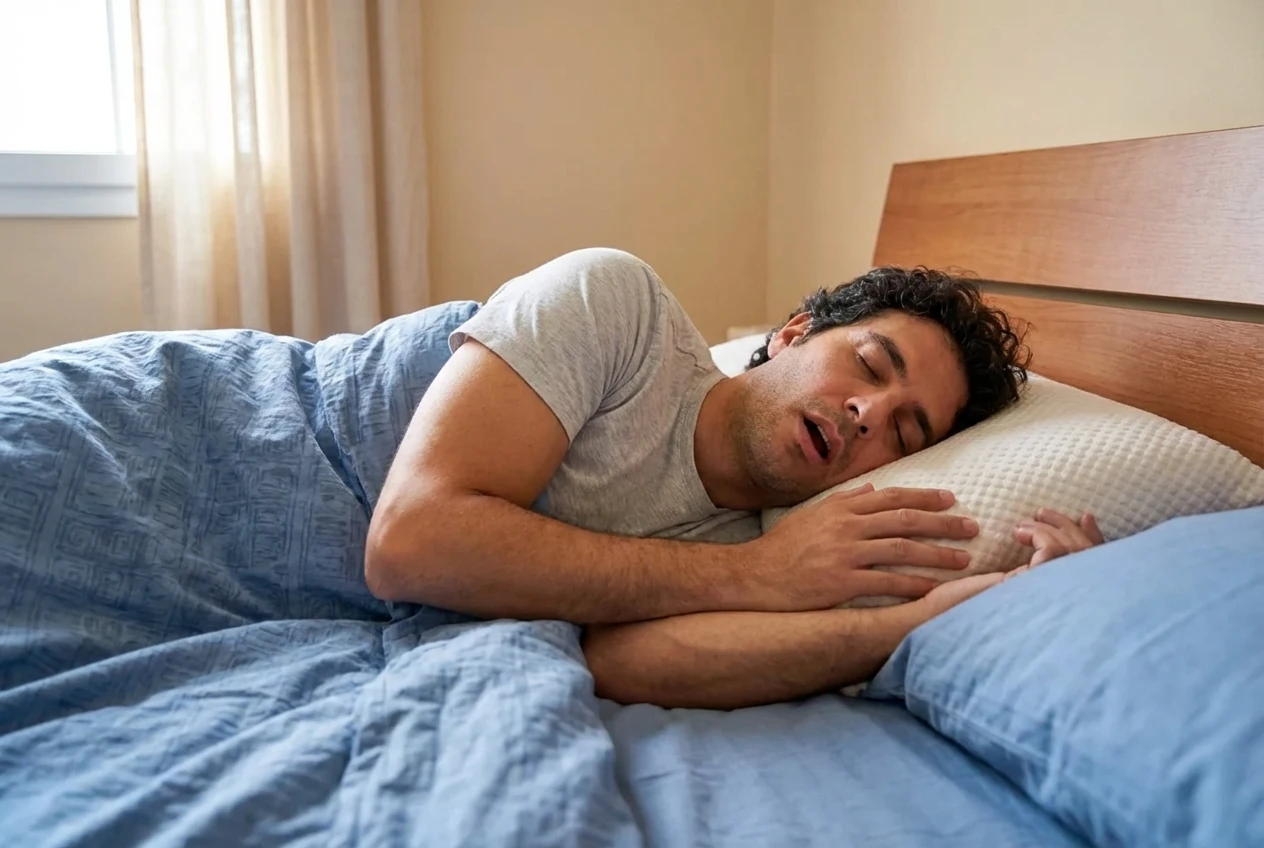
Sleep position plays a role in sleep paralysis risk. Sleeping on the back (supine position) is associated with a higher incidence of sleep paralysis, possibly due to its connection with obstructive sleep apnea and airway obstruction during sleep37. Changing sleep position may help reduce episodes in some individuals2.
Additional risk factors include:
- Irregular sleep schedules and circadian rhythm disruptions from shift work or jet lag34
- Poor sleep hygiene and sleep deprivation2
- Mental health conditions such as anxiety, PTSD, and depression310
Summary of Sleep Paralysis Causes
Sleep paralysis is a REM parasomnia occurring during transitions between REM sleep and wakefulness, characterized by temporary muscle atonia with conscious awareness. Its causes are multifactorial, involving:
- Disrupted sleep patterns due to poor sleep habits, sleep deprivation, and irregular schedules23
- Sleep disorders such as narcolepsy, obstructive sleep apnea, and insomnia835
- Mental health conditions including PTSD, anxiety, and depression that affect sleep regulation31011
- Genetic predisposition related to circadian rhythm genes, though evidence is limited1213
- Substance use and certain medications that alter neurotransmitter systems and REM sleep101811
- Sleep position, especially supine sleeping, linked to higher risk37
Management focuses on improving sleep hygiene, treating underlying sleep and mental health disorders, reducing stress, and adjusting lifestyle factors. In some cases, pharmacologic interventions targeting REM sleep may be beneficial1911.