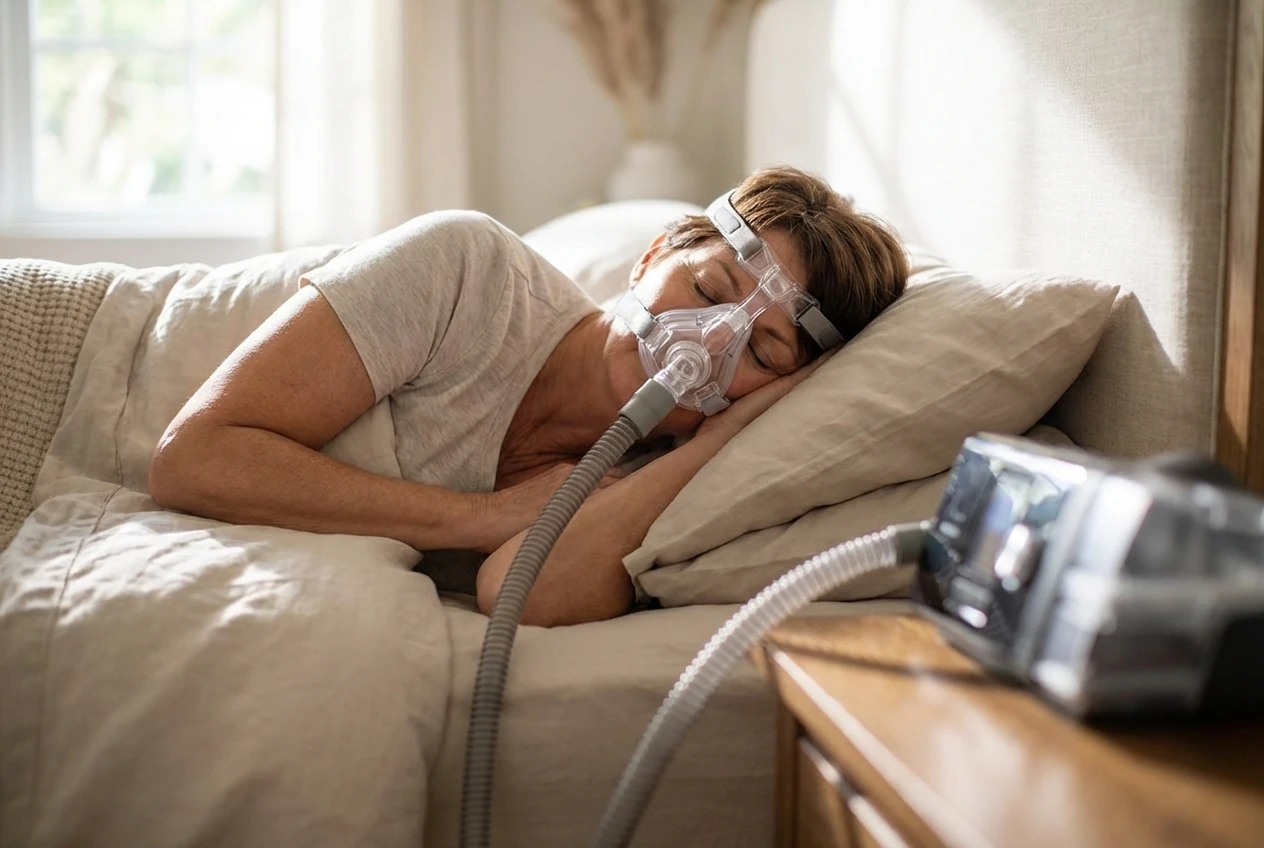
Obstructive sleep apnea (OSA) affects millions of adults in the United States, causing repeated interruptions in breathing during sleep and leading to serious health risks1. Continuous positive airway pressure (CPAP) machines are the most common and effective treatment for OSA, helping to keep airways open and improve sleep quality2. Using a CPAP machine consistently can reduce the risk of cardiovascular disease and improve daytime alertness and overall quality of life34.
Who Needs a CPAP Machine?
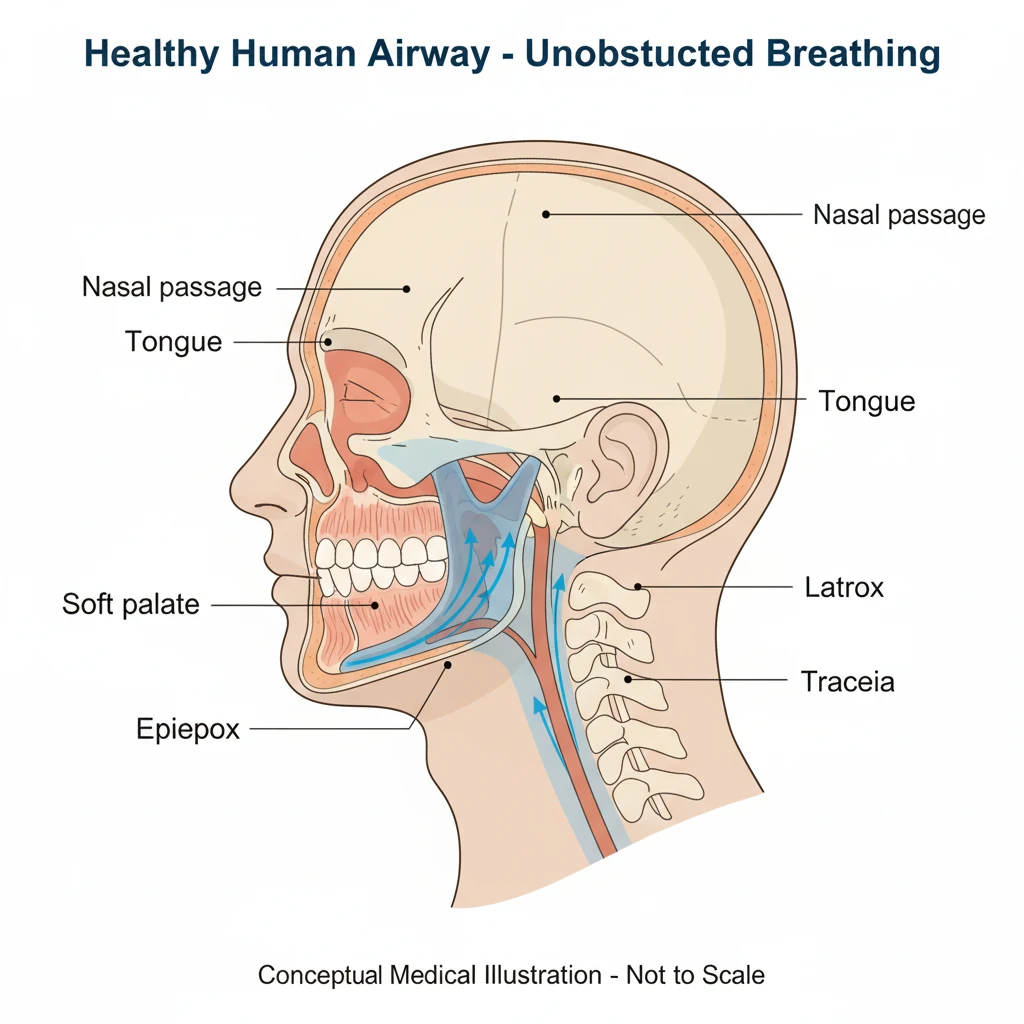
CPAP therapy is primarily prescribed for people diagnosed with obstructive sleep apnea (OSA), a condition where the airway repeatedly narrows or closes during sleep, causing breathing pauses1. OSA affects an estimated 2–9% of adults in the U.S., with higher rates seen in men and older adults1. Common symptoms include loud snoring, excessive daytime sleepiness, morning headaches, and difficulty concentrating15.
The American Thoracic Society recommends CPAP as the first-line treatment for moderate to severe OSA1. It is also prescribed for mild OSA when other health conditions, such as cardiovascular disease or diabetes, are present6. Untreated OSA is linked to a 2–3 fold increased risk of heart attacks, strokes, and early death1.
CPAP is also used in neonatal intensive care units to support breathing in preterm infants with respiratory distress, potentially reducing the need for more invasive ventilation methods7.
People with central sleep apnea (CSA), a less common form of sleep apnea caused by brain signaling problems, may also benefit from CPAP therapy, although treatment approaches can differ18.
Types of CPAP Machines
There are several types of positive airway pressure devices, each designed to meet different patient needs and clinical situations69.
- Standard CPAP: Delivers a fixed, continuous air pressure throughout the breathing cycle to keep the airway open69.
- Auto-CPAP (APAP): Adjusts air pressure automatically based on real-time breathing patterns, providing more personalized comfort69.
- Bi-level Positive Airway Pressure (BiPAP): Provides two pressure levels—higher during inhalation and lower during exhalation—used for complex sleep apnea or patients who have trouble exhaling against constant pressure69.
- Travel CPAP: Compact and lightweight machines designed for portability without sacrificing essential features69.
CPAP Masks
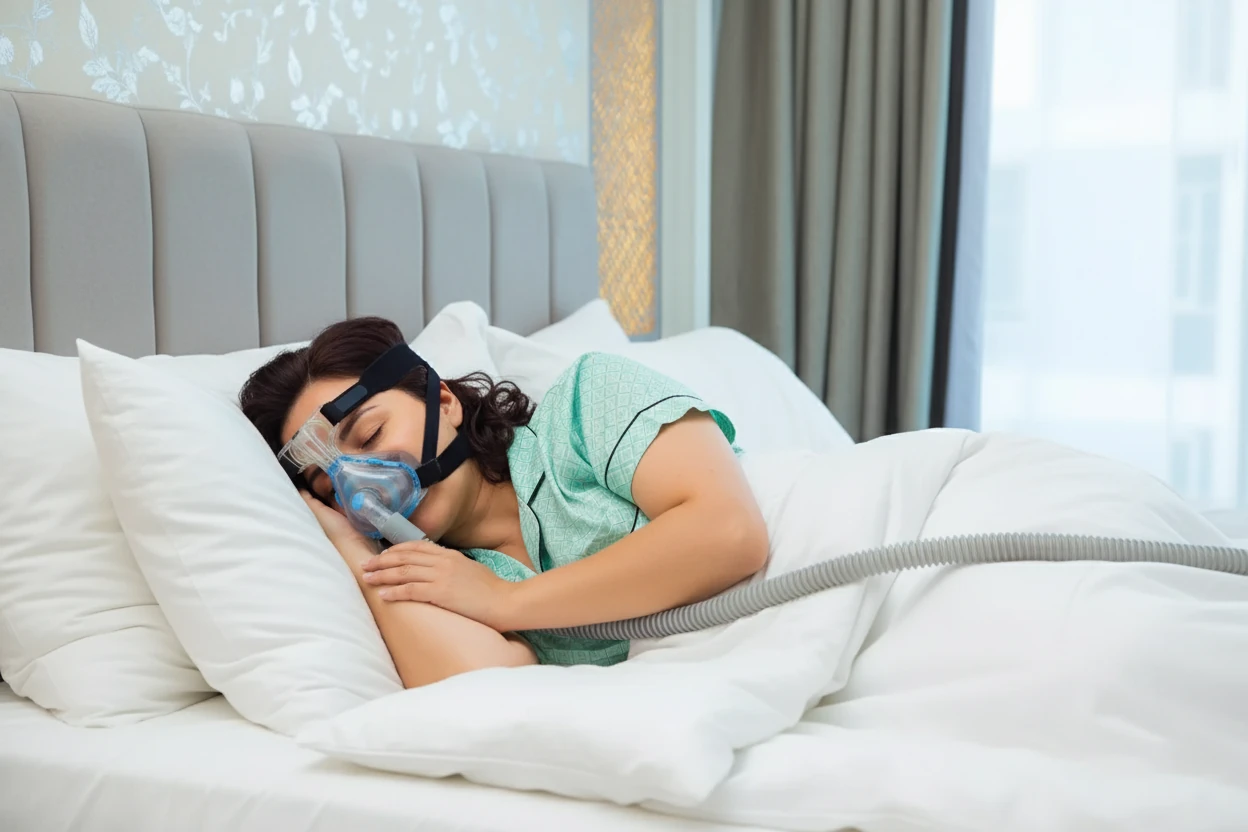
The mask is a critical component of CPAP therapy, connecting the machine to the user’s airway. There are several mask types to suit different preferences and needs2:
- Nasal Mask: Covers the nose only; suitable for people who breathe primarily through their nose2.
- Full Face Mask: Covers both the nose and mouth; ideal for mouth breathers or those who move a lot during sleep2.
- Nasal Pillow Mask: Features small tubes that fit directly into the nostrils; less bulky and allows for better visibility, useful for people who wear glasses or read in bed2.
- Hybrid Mask: Covers the mouth and has prongs or cushions sealing the nostrils without covering the nose bridge2.
Proper mask fit is essential to prevent air leaks, skin irritation, and discomfort. Masks come in various sizes and styles, and adjustments may be needed to find the best fit102.
“CPAP is an important treatment for obstructive sleep apnea, but it may be frustrating at first. Learn how to avoid uncomfortable masks and other common CPAP problems.”10
CPAP Machine Costs
CPAP machines vary in price depending on type, features, and brand. Typical costs range from about $350 to $3,0001112.
| Device Type | Typical Cost Range | Notes |
|---|---|---|
| Standard CPAP | $350 – $1,300 | Most common, fixed pressure |
| Auto-CPAP (APAP) | $700 – $2,000 | Adjusts pressure automatically |
| BiPAP | $1,700 – $3,000 | Dual pressure levels for complex cases |
| Travel CPAP | $500 – $1,500 | Portable, lightweight |
Most private insurance plans cover CPAP machines partially or fully, often requiring a prescription and documentation of medical necessity, such as a sleep study confirming OSA diagnosis1112. Medicare and Medicaid also provide coverage under certain conditions11.
Renting a CPAP machine before purchase may be an option to test if the therapy works for you13.
How To Use a CPAP Machine
Using a CPAP machine involves several steps to ensure comfort and effectiveness. The machine delivers pressurized air through a hose connected to a mask that fits over your nose or mouth82.
- Set up the machine: Place the CPAP device on a stable surface near your bed and connect the tubing and mask8.
- Fit the mask: Adjust the straps so the mask fits snugly but comfortably, avoiding leaks and pressure points102.
- Turn on the machine: Start the airflow, which may begin at a low pressure if your device has a ramp feature that gradually increases pressure as you fall asleep108.
- Use every night: Consistent nightly use is critical for treatment success34.
- Clean regularly: Wash the mask, tubing, and humidifier chamber frequently to prevent infections and maintain device function814.
Tips
- Try wearing the mask during the day while awake to get used to the sensation before using it overnight10.
- Use a heated humidifier attachment if you experience nasal dryness or congestion108.
- If you feel claustrophobic, try different mask styles or relaxation techniques10.
- Check for air leaks and adjust mask fit or straps as needed to improve comfort and therapy effectiveness102.
- If you wake up with a dry mouth, consider using a chin strap or switching to a full face mask108.
Many people find it challenging to start CPAP therapy due to mask discomfort or the sensation of forced air. Persistence and working closely with your healthcare provider can help you adjust and gain the full benefits of treatment.1014
CPAP Machine Benefits
CPAP therapy is highly effective in treating obstructive sleep apnea by preventing airway collapse during sleep, which reduces apneas (breathing pauses) and hypopneas (shallow breathing)3415. Benefits include:
- Improved sleep quality and reduced snoring2.
- Increased daytime alertness and reduced fatigue3415.
- Better cognitive function, mood, and concentration3415.
- Lowered mcv blood test results meaning and normal range pressure and reduced risk of cardiovascular events such as heart attacks and strokes41516.
- Decreased risk of metabolic syndrome and type 2 diabetes117.
- Enhanced overall quality of life and longevity31518.
CPAP therapy requires consistent use every night to achieve these benefits3415. Patient education and support improve adherence and treatment success19.
Potential Side Effects
While CPAP therapy is generally safe, some users experience mild side effects, especially during the initial adjustment period341514. Common issues include:
- Nasal congestion, dryness, or runny nose341514.
- Skin irritation or redness from mask contact34152.
- Mask discomfort or feelings of claustrophobia102.
- Dry mouth, especially if breathing through the mouth108.
- Noise from the machine, though modern devices are quieter102.
Most side effects are transient and can be minimized by:
- Using a heated humidifier to reduce nasal symptoms108.
- Ensuring proper mask fit and trying different mask styles if needed102.
- Regular cleaning and maintenance of the device and accessories814.
If side effects persist, consult your healthcare provider to adjust settings or explore alternative devices14.
Side effects like nasal dryness or mask discomfort often improve with time and proper adjustments. Don't give up early on CPAP therapy, as the long-term health benefits are significant.1014
Key Takeaways
- CPAP machines are the gold standard treatment for obstructive sleep apnea, improving breathing during sleep and reducing health risks34151.
- Different types of CPAP devices and masks exist to suit individual needs and improve comfort692.
- Costs vary widely, but insurance often covers CPAP machines when prescribed1112.
- Proper use, mask fit, and maintenance are essential for effective therapy and minimizing side effects108.
- Consistent, long-term use of CPAP improves sleep quality, daytime function, and reduces cardiovascular and metabolic risks341516.