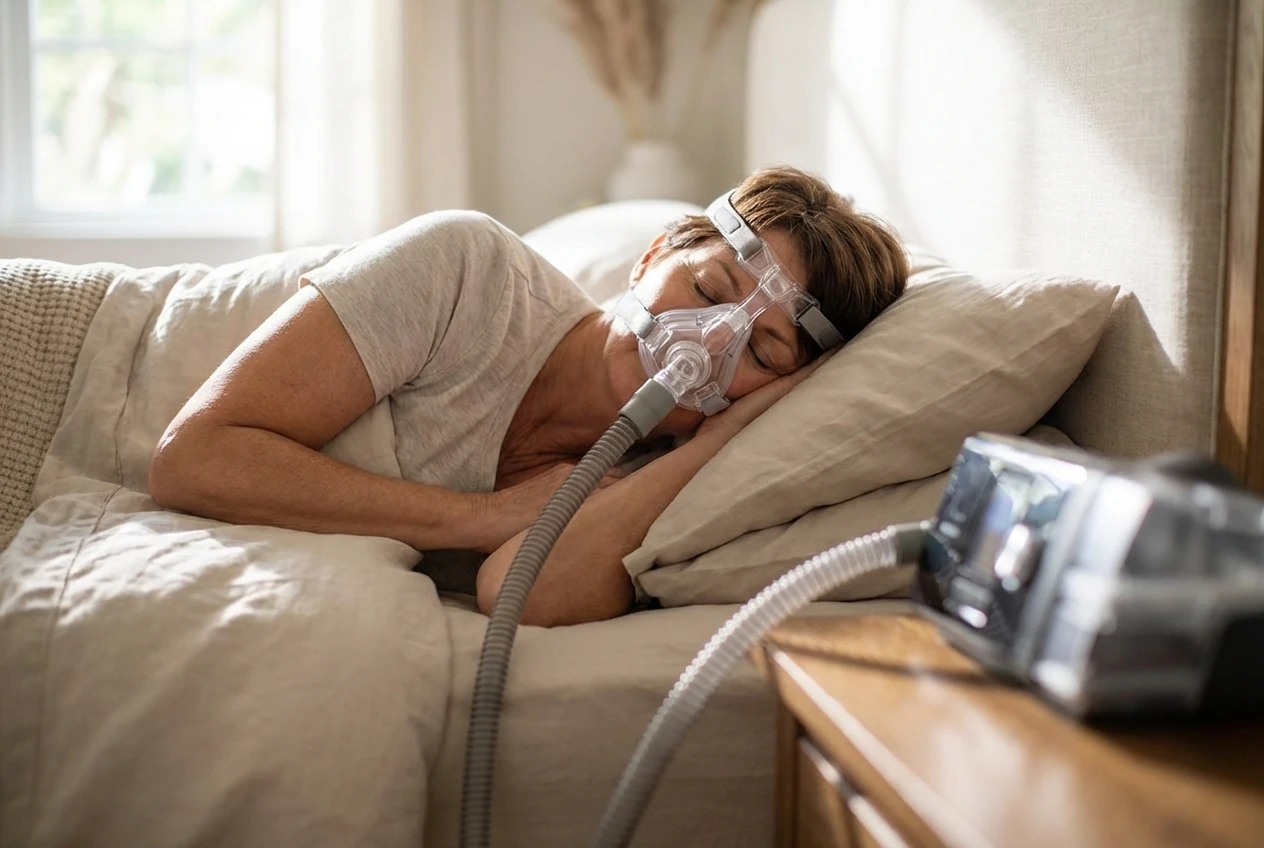
Insomnia affects about 10-30% of people worldwide, with approximately 25 to 30 million Americans experiencing it at any given time12. This condition leads to difficulty falling asleep, staying asleep, or waking too early, causing daytime fatigue and impaired function12. Chronic insomnia can increase risks for heart disease, high blood pressure, diabetes, and mood disorders, making effective management essential34.
Understanding Insomnia
Insomnia is characterized by difficulty initiating or maintaining sleep, or waking up too early and being unable to return to sleep1. It results in poor sleep quality and daytime impairment, including fatigue, impaired concentration, and frustration that can worsen sleep problems51. Insomnia symptoms may be transient, lasting days to weeks, or chronic, persisting for months or years13. Nonrestorative sleep—waking unrefreshed—is a hallmark complaint among those affected5. Daytime consequences often include unintended naps and mood disturbances63.
Women, especially postmenopausal, and older adults have a higher prevalence of insomnia12. Insomnia frequently coexists with other conditions such as depression-7-helpful-choices">depression-reliefdepression-reliefdepression, anxiety, chronic pain, and systemic illnesses, creating a complex clinical picture53. Diagnosis is primarily clinical, based on history and symptoms, without the need for sleep studies in most cases13.
💡 Did You Know?
Insomnia is the inability to fall asleep or stay asleep. About 25 to 30 million Americans have insomnia at any given time2.
Common Causes of Sleeplessness
Sleep disturbances arise from multiple factors including behavioral habits, environmental influences, and medical conditions1. Substance use plays a significant role: alcohol initially induces sleep but later disrupts sleep continuity and reduces REM sleep, leading to awakenings7. Caffeine blocks adenosine receptors, promoting wakefulness and delaying sleep onset; its stimulant effects can last 5-6 hours, affecting sleep if consumed late71.
Circadian rhythm disruptions caused by shift work, jet lag, or irregular schedules increase insomnia risk1. Medical conditions such as gastroesophageal reflux disease (GERD), chronic pain, and systemic illnesses often contribute to sleep fragmentation and insomnia symptoms13. Mental health disorders like anxiety and depression are also common contributors and may increase insomnia risk two to three times53.
Key causes of insomnia include:
- Alcohol and caffeine consumption, especially in the evening71
- Circadian rhythm disruptions from shift work or travel1
- Medical comorbidities such as GERD, chronic pain, and systemic illnesses1
- Mental health disorders including anxiety and depression53
- Lifestyle factors like late meals and inactivity13
Effective Sleep Remedies and Techniques
Addressing insomnia often requires a multifaceted approach targeting behaviors, environment, and underlying health issues. Below are 15 remedies supported by evidence to improve sleep quality and reduce insomnia symptoms.
1. Avoid Alcohol and Caffeine
Alcohol may help you fall asleep but disrupts sleep architecture by reducing REM sleep and increasing awakenings, leading to fragmented sleep7. Caffeine delays sleep onset and reduces total sleep time by blocking adenosine receptors; even moderate intake late in the day can impair sleep71. Avoiding these substances, especially in the hours before bedtime, supports better sleep continuity1.
2. Avoid Blue-Light Screens
Exposure to blue light from phones, tablets, and computers before bedtime suppresses melatonin production, delaying sleep onset and reducing sleep quality1. Limiting screen time at least an hour before bed helps maintain natural circadian rhythms and promotes sleep readiness1.
3. Consider the Military Method
The military method is a relaxation technique involving progressive muscle relaxation and controlled breathing to help fall asleep quickly8. It encourages focusing the mind and relaxing the body, which can reduce sleep latency and ease insomnia symptoms8.
4. Exercise During the Day
Regular physical activity improves sleep quality and duration by promoting deeper, more restorative sleep9. Exercising earlier in the day is preferable, as vigorous activity close to bedtime may interfere with sleep onset19.
5. Get Out of Bed
If unable to fall asleep within 20 minutes, getting out of bed and engaging in a quiet, relaxing activity can prevent negative associations between the bed and wakefulness5. Returning to bed only when sleepy helps reinforce healthy sleep habits5.
6. Improve Your Sleep Environment and Routine
Creating a comfortable, quiet, and dark bedroom environment supports sleep initiation and maintenance1. Maintaining a consistent sleep schedule, including weekends, stabilizes circadian rhythms1. Environmental factors such as room temperature and noise control are important for uninterrupted sleep1.
7. Meditate
Mindfulness meditation reduces stress and anxiety, which are common perpetuators of insomnia10. Regular meditation practice improves sleep onset and quality by calming the mind and enhancing relaxation1110.
8. Relax Your Body
Progressive muscle relaxation and other relaxation techniques decrease physiological arousal, helping to prepare the body for sleep10. These methods reduce muscle tension and promote a sense of calm conducive to sleep10.
9. Relieve Anxiety
Cognitive-behavioral therapy for insomnia (CBT-I) addresses anxiety and negative thoughts about sleep that perpetuate insomnia510. Techniques include cognitive restructuring and stimulus control to reduce worry and improve sleep behaviors510.
10. Think About Calming Scenarios
Visualization of peaceful, calming scenarios can distract from intrusive thoughts and promote relaxation8. This mental technique helps reduce anxiety and facilitates sleep onset8.
11. Treat Any Underlying Health Issues
Addressing medical conditions such as GERD, chronic pain, and mood disorders is critical for effective insomnia management13. Treating these underlying causes often improves sleep quality and reduces insomnia symptoms51.
12. Try Sleep Medication or Supplements
When behavioral interventions are insufficient, medications may be considered. Benzodiazepines and Z-drugs enhance GABA activity to promote sleep but carry risks of dependence and side effects74. Newer drugs targeting orexin receptors, such as suvorexant, show promise with fewer risks4. Herbal supplements like valerian, hops, kava, chamomile, magnesium, zinc, and tart cherry have demonstrated some efficacy in improving sleep quality and reducing sleep latency, though quality and safety vary1213.
13. Try Some Relaxing Activities
Engaging in calming pre-sleep activities such as reading, listening to soft music, or taking a warm bath can facilitate the transition to sleep1. These activities reduce stress and prepare the mind and body for rest1.
14. Use Autogenic Training
Autogenic training involves self-suggestion techniques to induce relaxation and reduce stress8. It helps lower heart rate and muscle tension, promoting sleep readiness8.
15. Use Breathing Techniques
Controlled breathing exercises, such as slow diaphragmatic breathing, activate the parasympathetic nervous system, reducing arousal and facilitating sleep onset108. These techniques are simple and can be practiced in bed to improve sleep quality10.
When to See a Doctor for Insomnia
Persistent insomnia that does not improve with lifestyle changes and behavioral interventions warrants professional evaluation51. Chronic insomnia increases risks for cardiovascular disease, metabolic disorders, and mood disturbances, making timely intervention important51. Referral to a sleep specialist may be needed for diagnostic testing such as polysomnography to identify underlying sleep disorders or medical conditions15. Cognitive-behavioral therapy for insomnia (CBT-I) is the first-line treatment with strong evidence for sustained improvement in sleep quality and daytime function510.
Sleep hygiene practices, including avoiding stimulants, limiting screen exposure, and maintaining consistent sleep schedules, support treatment and should be reinforced by healthcare providers1. Relaxation techniques and mindfulness therapies are effective adjuncts to improve sleep onset and reduce anxiety10.
Insomnia and Sleep Solutions Summary
Insomnia is a common and often chronic condition characterized by difficulty falling or staying asleep, leading to daytime impairment and increased health risks51. Causes are multifactorial, including substance use, circadian disruptions, medical illnesses, and mental health disorders13. Effective management involves a combination of behavioral strategies, environmental modifications, and treatment of underlying conditions51.
Cognitive-behavioral therapy for insomnia (CBT-I) remains the gold standard treatment, with medications and supplements as adjuncts when necessary5104. Avoiding alcohol and caffeine, improving sleep environment, practicing relaxation and mindfulness, and addressing health issues are key steps to improve sleep quality7112. Early intervention reduces the risk of chronic insomnia and its associated morbidity5.
- Insomnia affects up to 30% of people worldwide and can cause significant daytime impairment12.
- Avoiding alcohol and caffeine before bedtime improves sleep continuity and quality71.
- Behavioral therapies like CBT-I are the most effective long-term treatments for chronic insomnia510.
- Relaxation techniques, meditation, and controlled breathing support sleep onset and reduce anxiety108.
- Persistent insomnia requires medical evaluation to identify and treat underlying causes51.