Chronic Obstructive Pulmonary Disease (COPD) is a progressive lung condition that affects millions worldwide, causing difficulty in breathing and airflow limitation1. While there is no cure, early diagnosis and comprehensive management can significantly improve symptoms and quality of life2. Treatment focuses on slowing disease progression, reducing exacerbations, and enhancing daily functioning through a combination of lifestyle changes, medications, rehabilitation, and, in severe cases, surgery3.
Lifestyle Changes for COPD
Lifestyle modifications are essential in managing COPD and can greatly influence disease progression and patient well-being2. These changes support lung health, reduce symptoms, and lower the risk of flare-ups.
Not Smoking
Smoking cessation is the most effective intervention to slow COPD progression and reduce mortality risk3. Continued smoking accelerates lung damage and decreases responsiveness to medications2. Behavioral support combined with prescription medications is recommended to help patients quit smoking successfully23.
Regular Exercise
Physical activity is crucial for all COPD patients, regardless of disease severity, as it improves symptoms, exercise capacity, and quality of life2. Exercise is considered the most effective way to enhance lung function and reduce breathlessness23.
Avoid Irritants
Exposure to environmental irritants such as air pollution, dust, and chemical fumes can worsen COPD symptoms and accelerate lung damage1. Avoiding these irritants helps reduce inflammation and exacerbations2.
Eat a Healthy, Balanced Diet
A nutritious diet supports overall health and energy levels, which is important for COPD patients to maintain strength and manage symptoms4. Proper nutrition also helps prevent weight loss and muscle wasting associated with advanced COPD4.
Vaccinations
Vaccinations against influenza and pneumonia-symptoms-recognizing-the-signspneumonia-symptoms-and-treatmentpneumonia-symptoms-and-treatmentpneumonia are recommended to prevent respiratory infections that can trigger COPD exacerbations4. These infections often lead to hospitalizations and worsen lung function2.
Lifestyle interventions, especially quitting smoking and regular exercise, are critical for improving quality of life and reducing COPD exacerbations.235
COPD Medications and Prescriptions
Pharmacologic therapy is a cornerstone of COPD management, aiming to relieve symptoms, reduce exacerbations, and improve health status2. Medication choice depends on symptom severity and exacerbation history6.
Bronchodilator
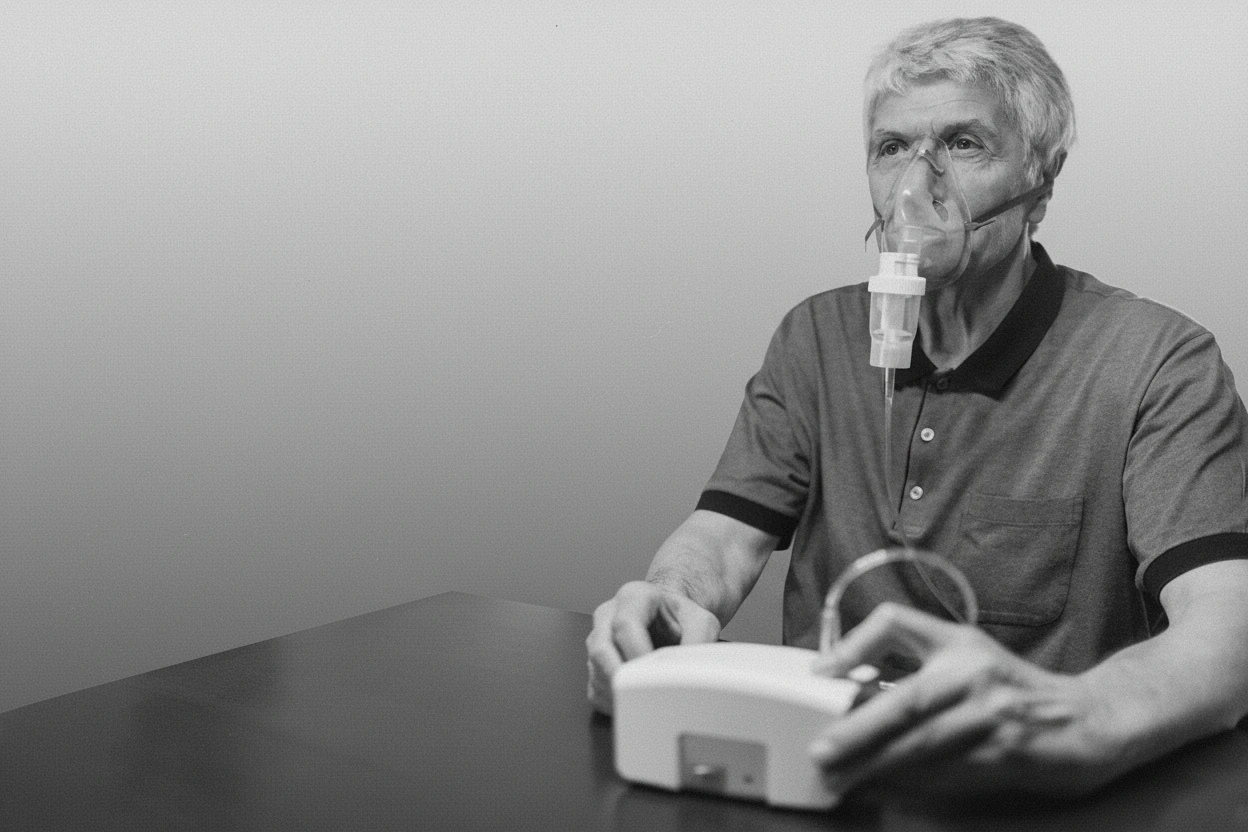
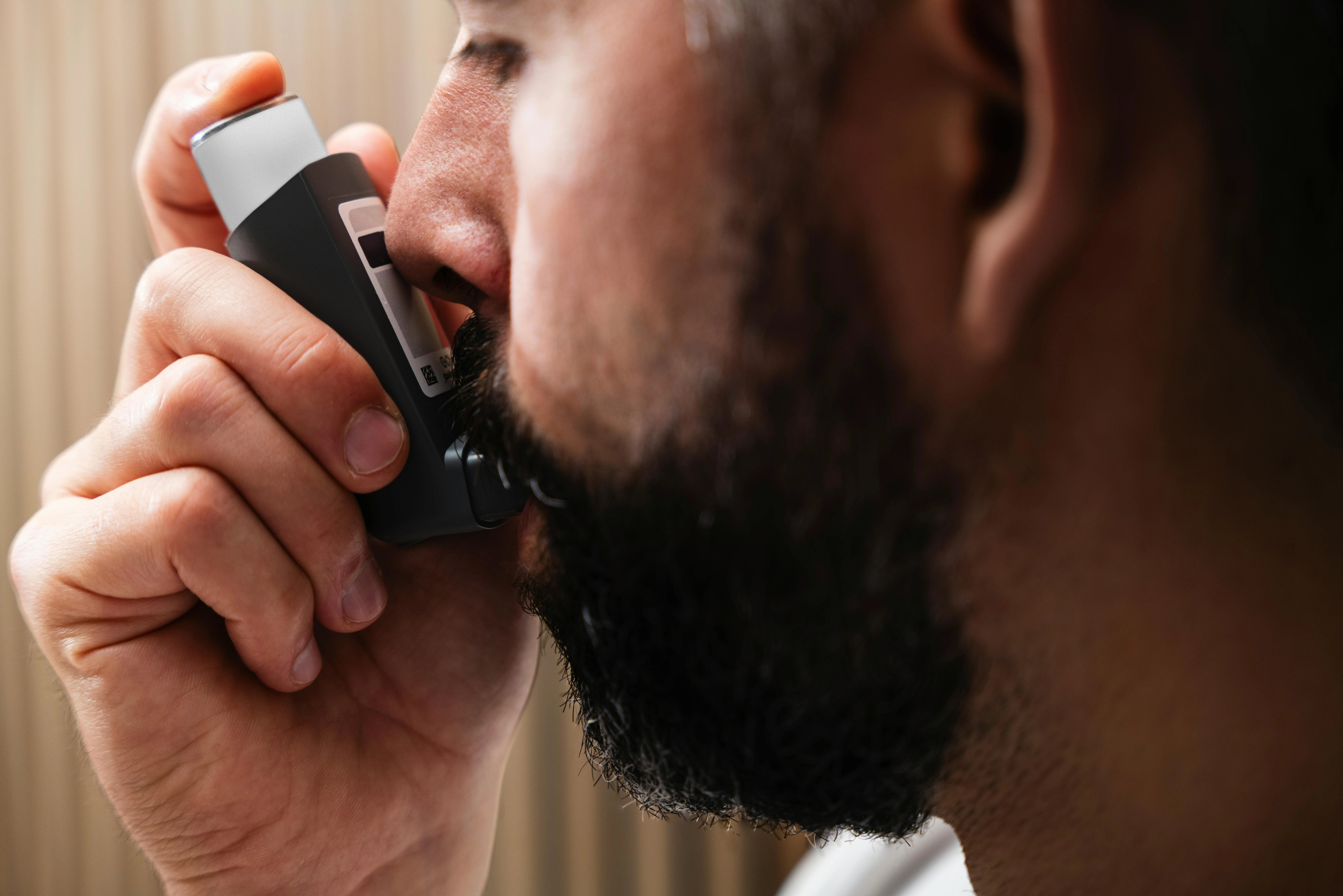
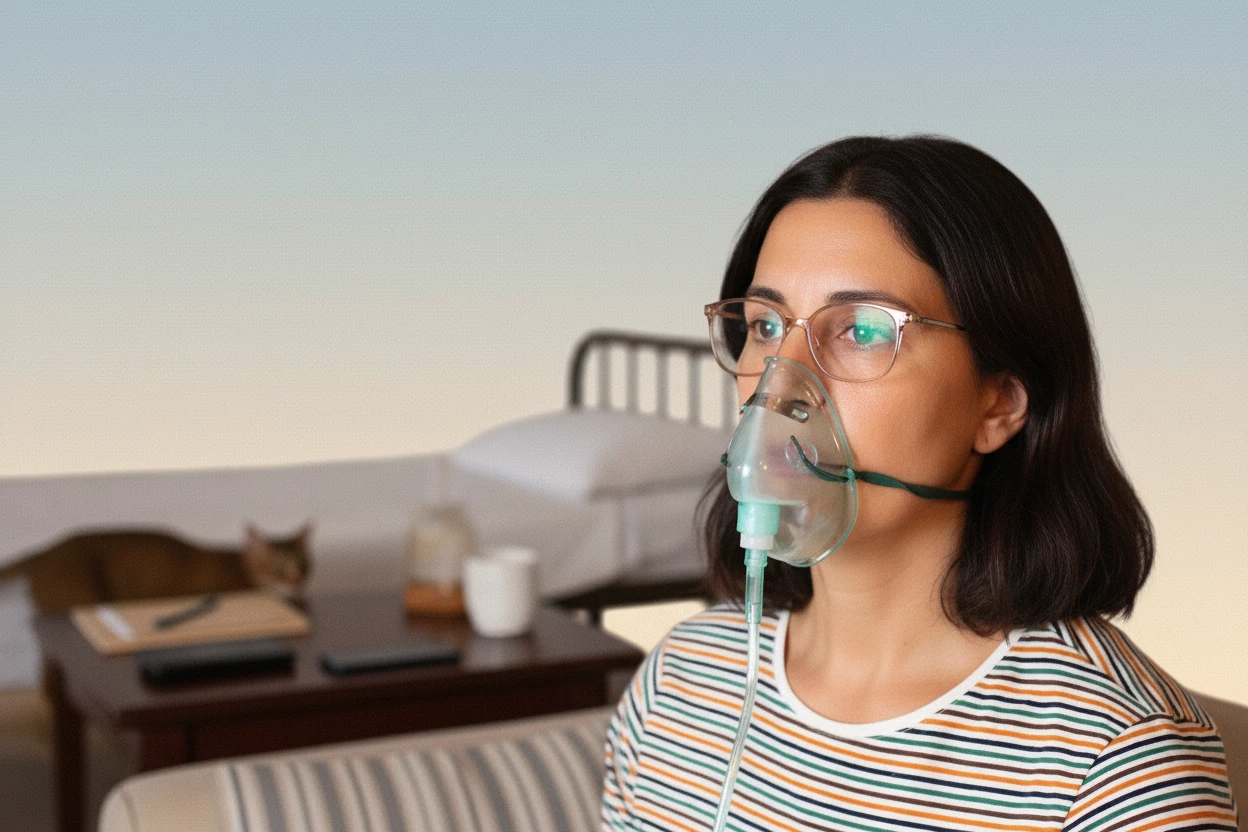
Bronchodilators relax the muscles around the airways, opening them to ease breathing6. They are the mainstay of COPD pharmacotherapy and can be administered via inhalers or nebulizers23.
- Short-acting bronchodilators provide rapid symptom relief and are often the first treatment for mild COPD23.
- Long-acting bronchodilators are preferred for maintenance therapy in moderate to severe COPD, improving ongoing symptom control23.
- Two primary types include beta-2 agonists and anticholinergics23.
Corticosteroids
Inhaled corticosteroids (ICS) reduce airway inflammation and are added for patients with frequent exacerbations or severe disease3. They help decrease swelling and mucus production in the airways6.
Combination Medicines
Combination inhalers that include long-acting beta-2 agonists (LABA), long-acting muscarinic antagonists (LAMA), and corticosteroids (ICS) are recommended for patients with a history of exacerbations7. Triple therapy (LABA/LAMA/ICS) improves lung function and reduces exacerbation frequency87.
Phosphodiesterase-4 Inhibitors
Phosphodiesterase-4 inhibitors like roflumilast may be prescribed for severe COPD to reduce inflammation and prevent exacerbations9. These oral medications are used when inhaled therapies are insufficient6.
Antibiotics
Antibiotics are used to treat COPD flare-ups caused by bacterial infections6. They help reduce symptom severity and prevent complications during exacerbations4.
| Medication Type | Purpose | Usage | Examples |
|---|---|---|---|
| Short-acting bronchodilators | Rapid symptom relief | As needed | Albuterol, Ipratropium |
| Long-acting bronchodilators | Maintenance therapy | Daily | Salmeterol, Tiotropium |
| Inhaled corticosteroids | Reduce airway inflammation | Daily, for severe cases | Budesonide, Fluticasone |
| Combination inhalers | Combined bronchodilator + ICS | Daily, for frequent exacerbations | BUD/GLY/FOR (triple therapy)8 |
| Phosphodiesterase-4 inhibitors | Reduce inflammation, prevent exacerbations | Severe COPD | Roflumilast |
💡 Did You Know? Short-acting bronchodilators last about 4 to 6 hours, while long-acting bronchodilators provide symptom control for 12 hours or more6.
Pulmonary Rehabilitation Programs
Pulmonary rehabilitation is a multidisciplinary intervention recommended for patients with moderate to severe COPD2. It combines exercise training, education, and psychosocial support to improve lung function and quality of life23.
Programs typically include:
- Supervised aerobic and resistance exercise to enhance exercise capacity and reduce symptoms3.
- Education on disease management, breathing techniques, and medication use2.
- Psychosocial support to address anxiety and depression related to COPD23.
Pulmonary rehabilitation can be delivered in outpatient clinics or through home-based programs, making it accessible to many patients23.
With self-management I have a better understanding of my condition and am able to cope with it in a more positive way.10
Oxygen Therapy for COPD
Long-term oxygen therapy is prescribed for patients with severe resting hypoxemia, defined as a partial pressure of oxygen (PaO2) ≤ 55 mm Hg or oxygen saturation (SaO2) ≤ 88%2. Oxygen therapy improves survival and quality of life in these patients23.
Oxygen can be delivered in various ways:
- Portable oxygen devices allow ambulatory use, enabling patients to remain active3.
- Continuous or intermittent oxygen use is tailored to individual needs23.
Supplemental oxygen helps improve organ function and reduces symptoms of breathlessness4.
Surgical Procedures for COPD
Surgical interventions are reserved for select patients with severe COPD who do not respond adequately to medical therapy23. Options include:
- Lung volume reduction surgery (LVRS), which removes damaged lung tissue to improve lung function23.
- Bullectomy, the removal of large air spaces (bullae) that interfere with breathing6.
- Lung transplantation for end-stage COPD, replacing diseased lungs with healthy donor lungs to improve quality of life and survival236.
These procedures require careful patient selection and post-operative management, including lifelong immunosuppression after transplantation6.
Ongoing research is exploring new treatments such as stem cell therapy and gene therapy, which may offer future advances in COPD care9.
| Treatment Component | Key Benefit | When Used |
|---|---|---|
| Lifestyle changes | Slow progression, reduce exacerbations | All patients |
| Bronchodilators | Symptom relief, improve airflow | Mild to severe COPD |
| Inhaled corticosteroids | Reduce inflammation | Frequent exacerbations, severe COPD |
| Pulmonary rehabilitation | Improve exercise capacity, quality of life | Moderate to severe COPD |
| Oxygen therapy | Improve survival, reduce symptoms | Severe resting hypoxemia |
| Surgery | Improve lung function, quality of life | Select severe cases |
Complementary COPD Treatments
Evidence for complementary and alternative medicine (CAM) in COPD is limited, and most guidelines do not recommend CAM as primary treatment. Some studies suggest potential benefits for symptom management, but more research is needed to confirm efficacy and safety.
Managing Daily Life With COPD
“COPD treatment may improve symptoms, reduce the risk of COPD exacerbations and allow you to do more of the activities you enjoy. Each person's COPD symptoms and treatment options are different.”
— American Lung Association4
Living with COPD requires ongoing management to control symptoms and prevent complications2. Patients benefit from personalized treatment plans developed with their healthcare team4.
Key aspects include:
- Adherence to prescribed medications and lifestyle changes23.
- Participation in pulmonary rehabilitation programs to maintain physical function4.
- Use of oxygen therapy as needed to improve activity tolerance4.
- Awareness and management of exacerbations, which may require antibiotics, steroids, or hospital care11.
- Palliative care to relieve symptoms, anxiety, and stress throughout the disease course4.
COPD Treatment Summary
COPD management is multifaceted, involving lifestyle changes, pharmacologic therapy, pulmonary rehabilitation, oxygen therapy, and surgery in severe cases23. The main goals are to reduce symptoms, slow disease progression, prevent exacerbations, and improve quality of life2.
- Smoking cessation is the single most effective intervention to slow disease progression3.
- Bronchodilators are the cornerstone of pharmacologic treatment, with inhaled corticosteroids and combination therapies used for more severe disease23.
- Pulmonary rehabilitation improves exercise capacity and reduces symptoms2.
- Long-term oxygen therapy improves survival in patients with severe hypoxemia2.
- Surgical options are reserved for select patients with advanced disease23.