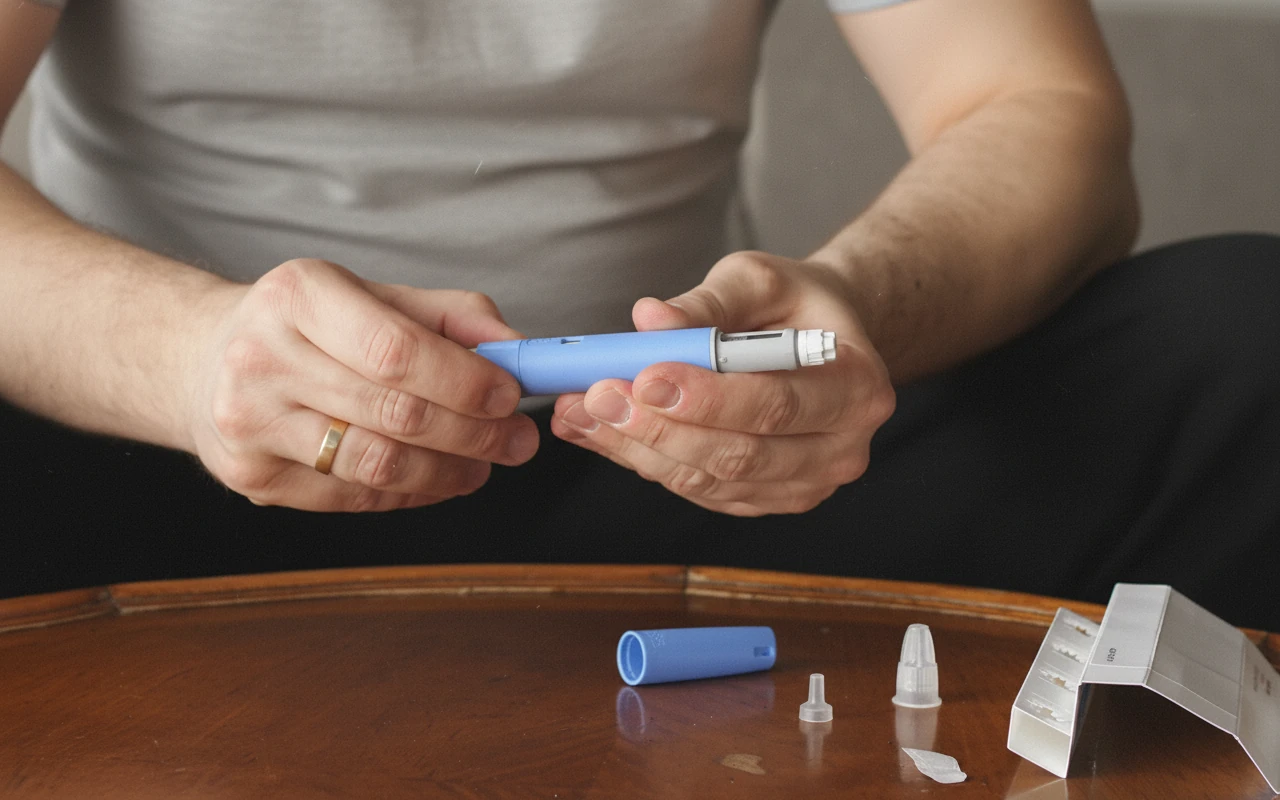
Obesity affects millions worldwide and is linked to serious health risks such as diabetes and cardiovascular disease. Medications like Ozempic have gained attention for their ability to aid weight loss by targeting appetite and blood sugar regulation. Clinical trials show that semaglutide, the active ingredient in Ozempic, can lead to significant weight reduction when combined with lifestyle changes12.
How Ozempic Works for Weight Loss
Ozempic contains semaglutide, a glucagon-like peptide-1 (GLP-1) receptor agonist that mimics the natural GLP-1 hormone in the body34. GLP-1 is an incretin hormone released after eating, which helps regulate blood sugar and appetite. Ozempic works by:
- Enhancing insulin secretion from the pancreas, which lowers blood glucose levels34.
- Suppressing glucagon release, reducing hepatic glucose production34.
- Slowing gastric emptying, which delays food leaving the stomach and promotes feelings of fullness34.
- Acting on the central nervous system to reduce appetite and decrease food intake34.
These combined effects lead to better glycemic control and reduced calorie consumption, contributing to weight loss. Ozempic is administered as a once-weekly subcutaneous injection using a pre-filled pen, with dosing individualized and gradually increased as tolerated34.
Ozempic reduces food noise—the constant, obsessive thoughts about food—by signaling fullness to the brain and slowing digestion, helping users regain control over eating habits5.
Ozempic Benefits and Effectiveness
Ozempic is FDA-approved for improving blood sugar control in adults with type 2 diabetes and reducing cardiovascular events in those with established cardiovascular disease34. Its weight loss benefits, although off-label, are well documented in clinical trials and real-world studies.
Key benefits include:
- Significant weight loss: Adults with obesity or overweight lost an average of 10-15% of their body weight over 68 weeks when treated with semaglutide plus lifestyle intervention, compared to minimal loss with placebo341.
- Improved cardiometabolic risk factors: Weight loss with Ozempic is associated with reductions in waist circumference, blood pressure, blood glucose, lipid levels, and markers of inflammation12.
- Enhanced physical functioning and quality of life: Patients report better mobility and mental well-being following weight loss12.
- Sustained weight loss: Weight reduction begins early, with continued improvement up to 60 weeks, and can be maintained with ongoing treatment16.
Despite these benefits, Ozempic is not a cure for diabetes or obesity. It is intended as an adjunct to lifestyle changes such as diet and exercise, which are essential for optimal outcomes34.
- Average weight loss of 10-15% body weight over ~68 weeks1.
- Reduction in cardiovascular risk factors including blood pressure and cholesterol12.
- Improved physical and emotional well-being12.
- Appetite suppression leading to decreased caloric intake34.
- Once-weekly dosing improves adherence34.
Weight Loss Alternatives to Ozempic
Several other GLP-1 receptor agonists and related drugs are available for weight management, each with distinct indications and dosing.
- Rybelsus: An oral semaglutide formulation approved for glycemic control in type 2 diabetes but not specifically for weight loss34.
- Wegovy: Contains semaglutide at higher doses than Ozempic and is FDA-approved specifically for chronic weight management in adults and adolescents with obesity34.
- Mounjaro and Zepbound: These contain tirzepatide, a dual GLP-1 and glucose-dependent insulinotropic polypeptide (GIP) receptor agonist, showing even greater weight loss efficacy in some studies34.
- Saxenda: Liraglutide, another GLP-1 receptor agonist, approved for weight management but requires daily injections347.
- Trulicity: A GLP-1 receptor agonist primarily for type 2 diabetes, with some weight loss effects but not approved for obesity treatment8.
| Medication | Active Ingredient | Administration | Approved Use | Weight Loss Indication |
|---|---|---|---|---|
| Ozempic | Semaglutide | Weekly injection | Type 2 diabetes | Off-label weight loss34 |
| Rybelsus | Semaglutide | Oral daily | Type 2 diabetes | No34 |
| Wegovy | Semaglutide | Weekly injection | Weight management | Yes34 |
| Mounjaro | Tirzepatide | Weekly injection | Type 2 diabetes & obesity | Yes34 |
| Saxenda | Liraglutide | Daily injection | Weight management | Yes73 |
| Trulicity | Dulaglutide | Weekly injection | Type 2 diabetes | No8 |
| Sources:3478 | ||||
Ozempic and its counterparts curb hunger signals and quiet what obesity medicine experts call ‘food noise’—constant, obsessive thoughts about food5.
Generic and Off-Brand Ozempic Options
Currently, there are no FDA-approved generic versions of Ozempic34. Some compounded semaglutide products are marketed as alternatives but lack rigorous testing and regulation. These compounded versions may vary in potency and purity, posing potential health risks34.
- Compounded semaglutide is not recommended due to safety concerns34.
- Counterfeit Ozempic products have been reported, containing incorrect doses or contaminants9.
- Patients should only obtain Ozempic from licensed pharmacies to ensure quality and safety34.
Ozempic Safety and Side Effects
Like all medications, Ozempic can cause side effects. The most common adverse events are gastrointestinal and usually mild to moderate.
Common side effects include:
- Nausea, vomiting, and diarrhea342.
- Constipation and abdominal discomfort2.
- Fatigue reported in some patients2.
Less common but serious risks:
- Pancreatitis (inflammation of the pancreas)34.
- Gallbladder disease, including gallstones, especially with rapid weight loss341.
- Rare cases of thyroid cancer observed in animal studies; human risk remains unclear10.
- Potential worsening of diabetic retinopathy in some patients10.
- Kidney injury or failure in rare cases10.
Patients with a history of pancreatitis or gallbladder disease should be monitored closely34. Most gastrointestinal symptoms improve over time or with dose adjustments2.
While Ozempic can cause nausea and digestive upset, these side effects often lessen after the initial dose escalation period. Patients are advised to adjust their eating habits to reduce discomfort8.
Ozempic Weight Loss Summary
Ozempic offers a powerful tool for weight loss, especially in adults with obesity or overweight conditions, when combined with lifestyle modifications. Clinical evidence shows:
- Average weight loss of nearly 15% body weight over 68 weeks in non-diabetic adults1.
- Improvements in cardiovascular risk factors and quality of life12.
- Weight loss primarily results from appetite suppression and delayed gastric emptying34.
- Weight regain is common if treatment is stopped, highlighting the need for ongoing management119.
- Ozempic is not a quick fix but a long-term adjunct to diet and exercise2.
Patients should consult healthcare providers to determine if Ozempic is appropriate for their individual health needs and to discuss potential risks and benefits.
- Ozempic mimics GLP-1 hormone to reduce appetite and improve blood sugar control34.
- It produces significant, sustained weight loss when combined with lifestyle changes12.
- Alternatives like Wegovy and tirzepatide offer other options for weight management34.
- No generic Ozempic is available; beware of compounded or counterfeit products349.
- Common side effects are gastrointestinal; serious risks require medical monitoring342.