Subclinical hypothyroidism is a common thyroid disorder characterized by elevated thyroid-stimulating hormone (TSH) levels with normal free thyroid hormone levels. Its prevalence ranges from 3% to 15% in the general population and increases with age, particularly affecting women more than men1. While many individuals remain asymptomatic, the condition carries risks such as progression to overt hypothyroidism and increased cardiovascular events, making early recognition and appropriate management important23.
Subclinical Hypothyroidism Symptoms
Subclinical hypothyroidism is primarily a biochemical diagnosis and is usually asymptomatic. Most patients do not experience overt symptoms, but some may report mild, non-specific complaints41. When symptoms do occur, they tend to be subtle and overlap with other conditions, making clinical diagnosis challenging5.
Common symptoms associated with overt hypothyroidism, which may occasionally be seen in subclinical cases, include:
- Fatigue and lethargy56
- Dry skin and hair thinning6
- Constipation6
- Menstrual irregularities6
- Joint and muscle pain6
However, these symptoms are more typical of overt hypothyroidism rather than subclinical disease4. The risk of symptom development increases with higher TSH levels, especially above 10 mIU/L2.
Subclinical hypothyroidism often presents without clear symptoms, making laboratory testing essential for diagnosis. Mild symptoms, when present, are usually nonspecific and can be mistaken for other health issues45.
Causes of Subclinical Hypothyroidism
Subclinical hypothyroidism shares similar etiologies with overt hypothyroidism. The most common cause is autoimmune thyroiditis, particularly Hashimoto's thyroiditis, where the immune system attacks the thyroid gland, impairing hormone production64. Other causes include:
- Medications such as lithium and amiodarone that interfere with thyroid function76
- Pregnancy-related thyroiditis6
- Viral infections causing thyroid inflammation6
- Iodine deficiency or excess (less common in iodine-sufficient regions)6
Risk Factors
Several factors increase the likelihood of developing subclinical hypothyroidism:
- Family history of thyroid disease or autoimmune disorders86
- Personal history of pregnancy complications such as preterm delivery, miscarriage, or infertility8
- Use of medications known to affect thyroid function, including lithium and amiodarone7
- Female sex and advancing age, with prevalence rising significantly in women over 60 years19
These risk factors help identify individuals who may benefit from targeted screening and monitoring8.
Diagnosing Subclinical Hypothyroidism
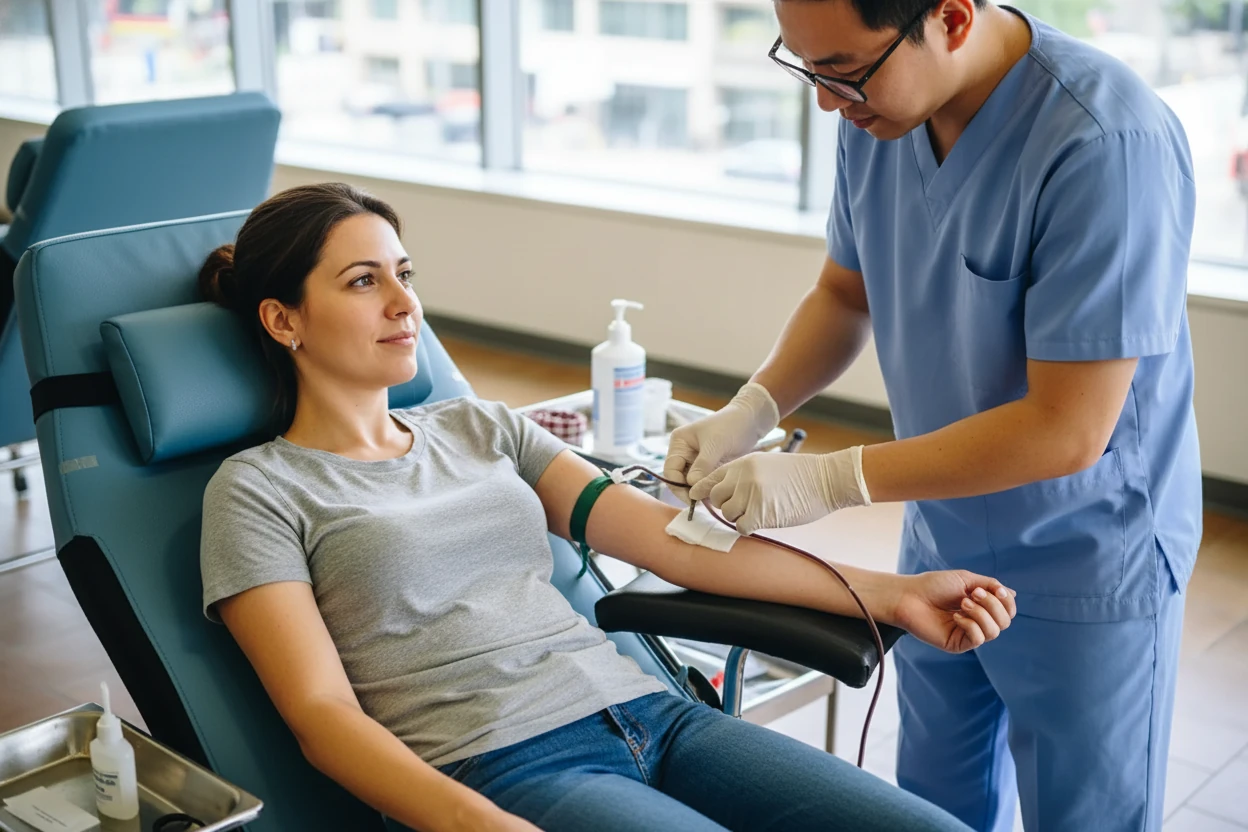
Diagnosis is based on laboratory findings of elevated serum TSH with normal free thyroxine (free T4) levels1. The typical TSH cutoff for diagnosis is above 4.0 to 4.5 mIU/L, but values above 10 mIU/L are considered more clinically significant110.
Key diagnostic steps include:
- Measuring serum TSH and free T4 levels to confirm subclinical hypothyroidism110
- Repeating TSH testing after 6 to 12 weeks to exclude transient causes such as illness or medication effects10
- Testing for thyroid peroxidase (TPO) antibodies to detect autoimmune thyroiditis611
- Thyroid ultrasound may be used if physical examination reveals abnormalities or to assess gland structure6
- Additional diabetes mellitus symptoms causes and treatment tests to evaluate cardiovascular risk factors, such as lipid profile and complete blood count, may be considered6
Physical examination may reveal a small or firm thyroid gland, but often no palpable abnormality is present6.
Confirming subclinical hypothyroidism requires careful interpretation of TSH and free T4 levels, repeated testing, and assessment for autoimmune markers to guide management decisions111.
Subclinical Hypothyroidism Treatment Options
Treatment decisions depend on TSH levels, symptom presence, age, and cardiovascular risk. The mainstay of therapy is levothyroxine, a synthetic thyroid hormone replacement611.
Guidelines recommend:
- Initiating levothyroxine therapy in patients with TSH levels greater than 10 mIU/L, regardless of symptoms112
- Considering treatment in symptomatic patients with TSH between 4.5 and 10 mIU/L, especially if TPO antibodies are positive or cardiovascular risk factors exist112
- Starting with low doses (25 to 75 mcg daily) and titrating based on TSH response and clinical symptoms1112
- Cautious dosing in older adults or those with heart disease to avoid overtreatment and cardiac complications1213
Treatment aims to normalize TSH levels, relieve symptoms, and prevent progression to overt hypothyroidism611.
However, evidence suggests that many patients, particularly older adults with mild TSH elevation, may not benefit symptomatically from treatment, and overtreatment can cause harm, including atrial fibrillation and bone loss51412.
| Patient Group | Treatment Recommendation | Dose Considerations |
|---|---|---|
| TSH > 10 mIU/L | Levothyroxine recommended | Start 25-75 mcg, titrate as needed112 |
| Symptomatic with TSH 4.5-10 | Consider levothyroxine, especially if TPO positive | Low starting dose, monitor closely112 |
| Older adults (>65 years) | Individualized approach; often observe unless TSH >10 | Start low dose if treated1314 |
| Pregnant or trying to conceive | Treat even mild elevations due to fetal risk | Adjust dose frequently during pregnancy1512 |
“Treatment decisions should consider age, TSH level, symptoms, cardiovascular risk, and antibody status to optimize outcomes and avoid overtreatment.”
— Pearce SH et al.11
Preventing Progression
About 50% of subclinical hypothyroidism cases resolve spontaneously, while approximately 25% progress to overt hypothyroidism over time216. The risk of progression is higher in patients with:
- TSH levels above 10 mIU/L2
- Positive thyroid autoantibodies (TPO antibodies)16
- Female sex and younger age16
Preventive strategies focus on monitoring and lifestyle modifications to reduce cardiovascular risk3. Adequate iodine intake supports thyroid hormone synthesis, but excessive iodine can cause thyroid dysfunction and should be avoided.
Regular follow-up with repeat TSH testing every 6 to 12 months is recommended for patients not initially treated210.
Related Thyroid Conditions
Levothyroxine therapy should be tailored to individual patient factors, with careful monitoring to avoid overtreatment and associated risks5.
Subclinical hypothyroidism is linked to several health issues, including:
- Increased risk of cardiovascular disease, such as coronary artery disease and heart failure317
- Cognitive decline, particularly in patients younger than 75 years3
- Depression and mood disturbances, with higher prevalence in affected individuals1518
- Reproductive challenges, including infertility and increased miscarriage risk1519
- Complications during pregnancy, where maintaining normal TSH reduces adverse outcomes1519
These associations highlight the importance of appropriate diagnosis and management to mitigate potential complications315.
Living With Subclinical Hypothyroidism
Most patients with subclinical hypothyroidism can live normal lives with regular monitoring. Treatment with levothyroxine is recommended for those with TSH >10 mIU/L, symptomatic patients, or those with positive thyroid antibodies112.
Key points for living with the condition include:
- Regular blood tests to monitor TSH and adjust treatment as needed612
- Awareness of symptoms that may indicate progression to overt hypothyroidism4
- Lifestyle changes to reduce cardiovascular risk, such as healthy diet and exercise3
- Special considerations during pregnancy, requiring close monitoring and dose adjustments1512
- Avoiding overtreatment to prevent side effects like atrial fibrillation and bone loss, especially in older adults514
Patient education and interprofessional healthcare collaboration improve outcomes and ensure personalized care11.