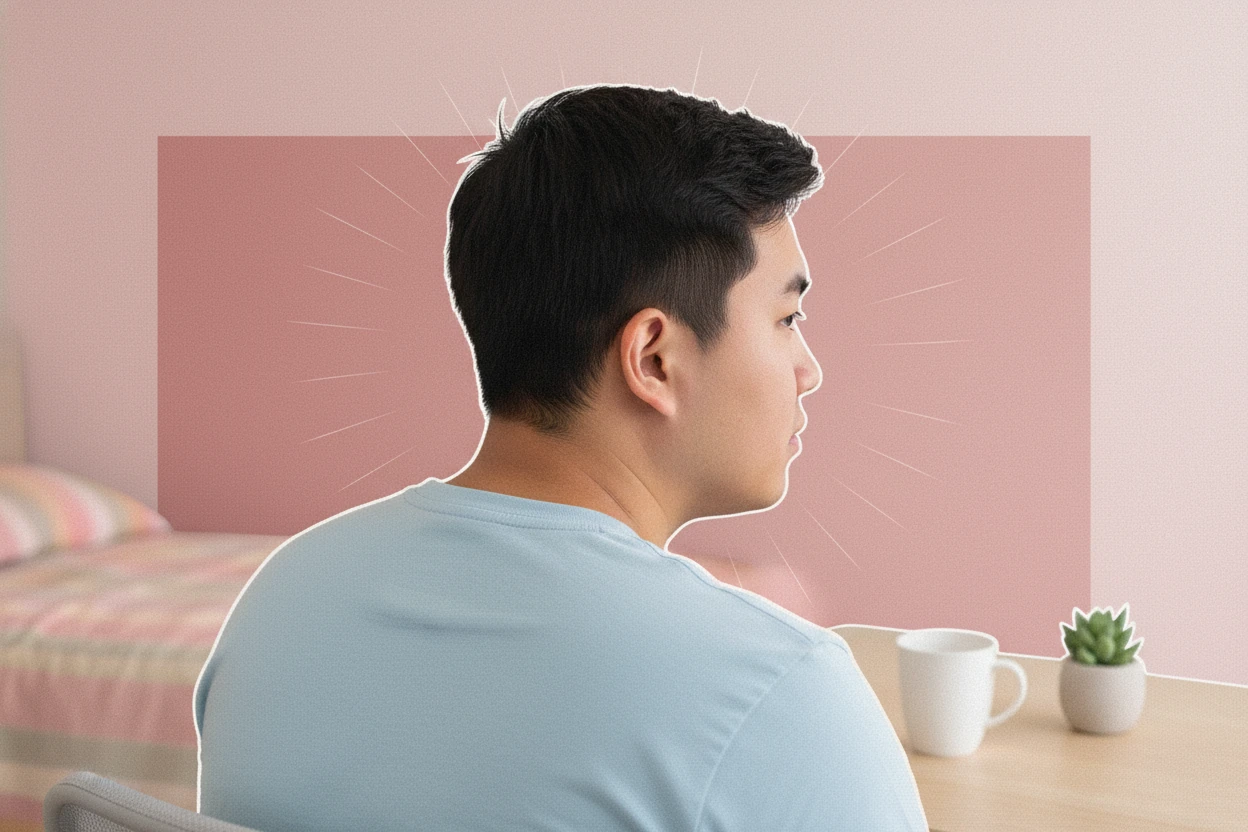
A buffalo hump is a visible buildup of fat located at the base of the back of the neck, between the shoulders. This condition is often linked to excess cortisol levels in the body, which can result from various medical conditions or medication use12. While a buffalo hump itself is generally not harmful, it can signal underlying health issues that require medical attention3. Understanding its symptoms, causes, diagnosis, and treatment options is essential for effective management.
Symptoms of a Buffalo Hump
The hallmark symptom of a buffalo hump is a localized fatty lump on the dorsocervical region, which is the area behind the neck and between the shoulders41. In many cases, this fat accumulation appears as an isolated physical finding without other symptoms5. However, when caused by conditions like Cushing's syndrome, additional signs may be present, including:
- Moon face: a rounded, swollen appearance of the face due to fat redistribution671
- Muscle wasting in the limbs, leading to thin arms and legs63
- Wide, purplish stretch marks (striae) on the skin, especially on the breasts, abdomen, and hips71
- Easy bruising and thinning skin73
These accompanying symptoms often reflect the systemic effects of cortisol excess or other underlying disorders. In contrast, buffalo humps caused by obesity or medication side effects may lack these additional signs84.
Common Causes
A buffalo hump can result from multiple underlying causes, primarily related to abnormal fat distribution or hormonal imbalances. The most common causes include:
- Cushing's Syndrome: Excess cortisol production leads to fat redistribution, including accumulation in the dorsocervical area, often accompanied by moon face and purple striae6719.
- Iatrogenic Glucocorticoid Exposure: Long-term use of glucocorticoid medications such as prednisone, dexamethasone, and hydrocortisone can mimic cortisol effects, causing buffalo hump formation1071112.
- HIV-Associated Lipodystrophy: Antiretroviral therapy (ART), especially certain drug classes, can cause abnormal fat accumulation, including dorsocervical fat pads, often combined with fat loss in limbs1341415.
- Obesity: Excess adiposity can lead to generalized fat deposition, including localized accumulation in the dorsocervical region81411.
- Poor Posture: Chronic forward head posture and postural kyphosis can contribute to the appearance of a hump due to muscle weakness and spinal curvature, although this is distinct from fat accumulation1611.
- Madelung Disease (Multiple Symmetrical Lipomatosis): A rare metabolic disorder causing symmetrical fat deposits in areas including the neck, often linked to alcohol use1711.
Other less common causes include adrenal tumors secreting excess cortisol and genetic disorders affecting fat metabolism1812.
Diagnosis Process
Diagnosing a buffalo hump involves both physical examination and targeted investigations to identify the underlying cause. The process includes:
- Clinical Inspection and Palpation: Visual and tactile assessment of the dorsocervical fat pad to confirm fat accumulation411.
- Medical History and Medication Review: Evaluating use of glucocorticoids, antiretroviral drugs, and other medications that may contribute to fat redistribution10411.
- Biochemical Testing: Measuring cortisol levels, adrenocorticotropic hormone (ACTH), and performing dexamethasone suppression tests to assess for hypercortisolism and Cushing's syndrome561920.
- Imaging Studies: Magnetic resonance imaging (MRI), computed tomography (CT), or X-rays to detect adrenal or pituitary tumors and to differentiate fat accumulation from spinal deformities like kyphosis6181112.
- Bone Density Evaluation: To assess for osteoporosis, which may cause spinal curvature resembling a hump but is distinct from a buffalo hump113.
This stratified diagnostic approach ensures accurate identification of the cause and guides appropriate treatment54.
Treatment and Removal
Treatment of a buffalo hump depends primarily on addressing its underlying cause. Options include:
- Lifestyle Modifications: Weight loss through diet and exercise can reduce fat accumulation in cases related to obesity811.
- Medication Adjustment: Reducing or stopping glucocorticoid therapy or modifying antiretroviral regimens under medical supervision may prevent progression10411.
- Surgical Lipectomy: Removal of the dorsocervical fat pad is effective, especially in patients with HIV-associated lipodystrophy, improving quality of life and mobility13421.
- Treatment of Hormonal Imbalances: Surgical removal of adrenal or pituitary tumors, chemotherapy, or pharmacologic therapies to control cortisol levels in Cushing's syndrome671920.
- Postural Correction: Physical therapy and exercises to improve posture can alleviate prominence of the hump caused by poor posture1611.
The choice of treatment is individualized based on the patient's condition, and some cases may require a combination of these approaches1347.
| Cause | Mechanism | Typical Additional Signs | Treatment Options |
|---|---|---|---|
| Cushing's syndrome | Cortisol excess → fat redistribution | Moon face, purple striae | Surgery, medication, lifestyle |
| HIV lipodystrophy | ART-induced fat redistribution | Fat loss in limbs, fat gain dorsocervical | Lipectomy, ART modification |
| Obesity | Excess fat deposition | Generalized adiposity | Weight loss, exercise |
| Poor posture | Muscle weakness, spinal curvature | Postural kyphosis | Posture correction, physical therapy |
Prevention Strategies
Preventing a buffalo hump involves managing risk factors and underlying conditions proactively. Recommended strategies include:
- Maintaining a healthy weight through balanced nutrition and regular physical activity to reduce excess fat deposits81416.
- Limiting the use of glucocorticoid medications when possible and under medical guidance to avoid iatrogenic fat accumulation107.
- Improving posture with ergonomic adjustments and exercises to prevent muscle weakness and spinal curvature16.
- Monitoring bone health to prevent osteoporosis, which can indirectly affect back shape57.
- Regular medical follow-up for patients on medications or with conditions that increase buffalo hump risk416.
These measures support overall metabolic and musculoskeletal health, potentially reducing the incidence or severity of dorsocervical fat pads58.
Potential Complications
While a buffalo hump itself is generally benign, complications can arise mainly from the underlying causes or the physical effects of the fat accumulation. These include:
- Impaired neck and upper back mobility due to large fat deposits, affecting daily activities416.
- Psychosocial distress, including altered body image and emotional challenges54.
- Systemic complications from untreated primary diseases such as cardiovascular risks, respiratory issues, and bone fractures, especially in Cushing's syndrome or osteoporosis57.
- Increased risk of metabolic disorders like hyperglycemia and dyslipidemia associated with some causes814.
Preventive care focusing on weight management, bone strength, and cautious steroid use can mitigate these risks5716.
A buffalo hump is usually not harmful on its own, but when linked to conditions like Cushing's syndrome or HIV-associated lipodystrophy, early diagnosis and treatment are crucial to prevent serious health complications.457
Living With a Buffalo Hump
Living with a buffalo hump can be challenging, particularly when the fat pad is large or associated with chronic illness. Key considerations include:
- The dorsocervical fat pad is typically benign and does not cause direct harm4.
- Large humps may restrict neck movement and cause discomfort or functional limitations416.
- The visible hump can lead to covid-riskcovid-recovery-monitoring-at-home">covid-risk">psychological distress, affecting self-esteem and social interactions5.
- Failure to manage the underlying cause can result in systemic health problems, emphasizing the importance of early medical evaluation54.
- Supportive care, including mental health counseling and peer support, can help patients cope with emotional impacts5.
Open communication with healthcare providers ensures tailored management plans that address both physical and psychological needs54.
“Early medical evaluation facilitates diagnosis and management of buffalo hump and its causes, which is essential to prevent systemic complications and improve quality of life.”
— Sandeep K. Dhaliwal, MD22
Frequently Asked Questions
Can a buffalo hump go away?
Yes, a buffalo hump can regress if the underlying cause is treated effectively. Weight loss, medication adjustment, or surgery may reduce or remove the fat pad211.
Is a buffalo hump dangerous?
The fat accumulation itself is usually not dangerous, but it may indicate serious conditions like Cushing's syndrome or adrenal tumors that require prompt treatment53.
How is a buffalo hump diagnosed?
Diagnosis involves physical examination, medical history review, biochemical tests for cortisol and ACTH, and imaging to identify tumors or spinal issues5619.
Can poor posture cause a buffalo hump?
Poor posture can contribute to a hump-like appearance due to spinal curvature and muscle weakness, but this is distinct from fat accumulation1611.
What treatments are available?
Treatment depends on the cause and may include lifestyle changes, medication adjustments, surgery, and physical therapy1347.