Hashimoto's disease is the most common autoimmune thyroid disorder, affecting women significantly more than men and often developing between ages 30 and 5012. This chronic condition leads to the immune system attacking the thyroid gland, resulting in reduced thyroid hormone production and a range of symptoms31. While there is no cure, effective treatment options exist to manage symptoms and maintain thyroid hormone balance41.
Hashimoto's Disease Symptoms
Hashimoto’s thyroiditis often progresses slowly, and early stages may be asymptomatic or present with subtle symptoms that worsen over time52. The disease primarily causes hypothyroidism (underactive thyroid), which leads to a variety of systemic symptoms due to low thyroid hormone levels42.
Common symptoms include:
- Fatigue and excessive sleepiness42
- Weight gain and difficulty losing weight42
- Increased sensitivity to cold42
- Constipation and slowed digestion42
- Dry, brittle hair and hair loss42
- Muscle weakness, unexplained muscle aches, and joint pain62
- Depression and low mood42
- Memory problems or difficulty concentrating ("brain fog")42
- Irregular or heavy menstrual periods42
- Puffy face and swelling around the eyes42
- Slow heart rate (bradycardia)42
In some cases, patients may develop a goiter, which is an enlargement of the thyroid gland causing visible swelling in the neck78. This goiter can create a sensation of tightness or fullness in the neck without significant pain8. Rarely, Hashimoto’s thyroiditis can cause transient hyperthyroidism, with symptoms such as a rapid heartbeat (tachycardia)92.
Many people with Hashimoto’s disease do not notice symptoms initially. As the disease progresses, symptoms of hypothyroidism such as fatigue, weight gain, and cold intolerance become more apparent24.
Hashimoto's Disease Causes
Hashimoto’s disease is an autoimmune disorder characterized by the immune system mistakenly attacking the thyroid gland, leading to inflammation and gradual destruction of thyroid tissue105. The exact cause remains unclear, but it is believed to result from a combination of genetic predisposition and environmental triggers511.
Key factors involved in the development of Hashimoto’s disease include:
- Genetic susceptibility, with family history playing a significant role511
- Environmental triggers such as infections, including hepatitis-symptoms-and-signshepatitis C virus, which may damage thyroid tissue and promote autoimmunity1213
- Exposure to certain medications like lithium and radiation therapy1413
- Excessive iodine intake, which can increase the risk of autoimmune thyroiditis511
- Stress is hypothesized as a potential trigger, though conclusive evidence is lacking11
- Higher risk in women, older adults, pregnant individuals, and those with other autoimmune diseases or genetic syndromes such as Down’s syndrome105
Environmental factors acting on genetically susceptible individuals are believed to trigger Hashimoto’s thyroiditis, though exact triggers are not fully identified5.
Diagnosing Hashimoto's Disease
Diagnosis of Hashimoto’s disease involves a combination of clinical evaluation and laboratory testing. It begins with a thorough medical history and physical examination, focusing on symptoms and assessment of the thyroid gland410.
Key diagnostic steps include:
- Reviewing family history and symptoms suggestive of hypothyroidism or thyroid enlargement45
- Palpation of the thyroid gland to detect enlargement (goiter) or nodules7
- Laboratory tests measuring thyroid function:
- Thyroid-stimulating hormone (TSH), which is elevated in hypothyroidism and suppressed in hyperthyroidism410
- Thyroxine (T4), the primary hormone produced by the thyroid, typically low in hypothyroidism410
- Triiodothyronine (T3), useful in diagnosing hyperthyroidism when T4 is normal410
- Measurement of thyroid autoantibodies, especially anti-thyroid peroxidase (TPO) and anti-thyroglobulin antibodies, which are elevated in Hashimoto’s thyroiditis110
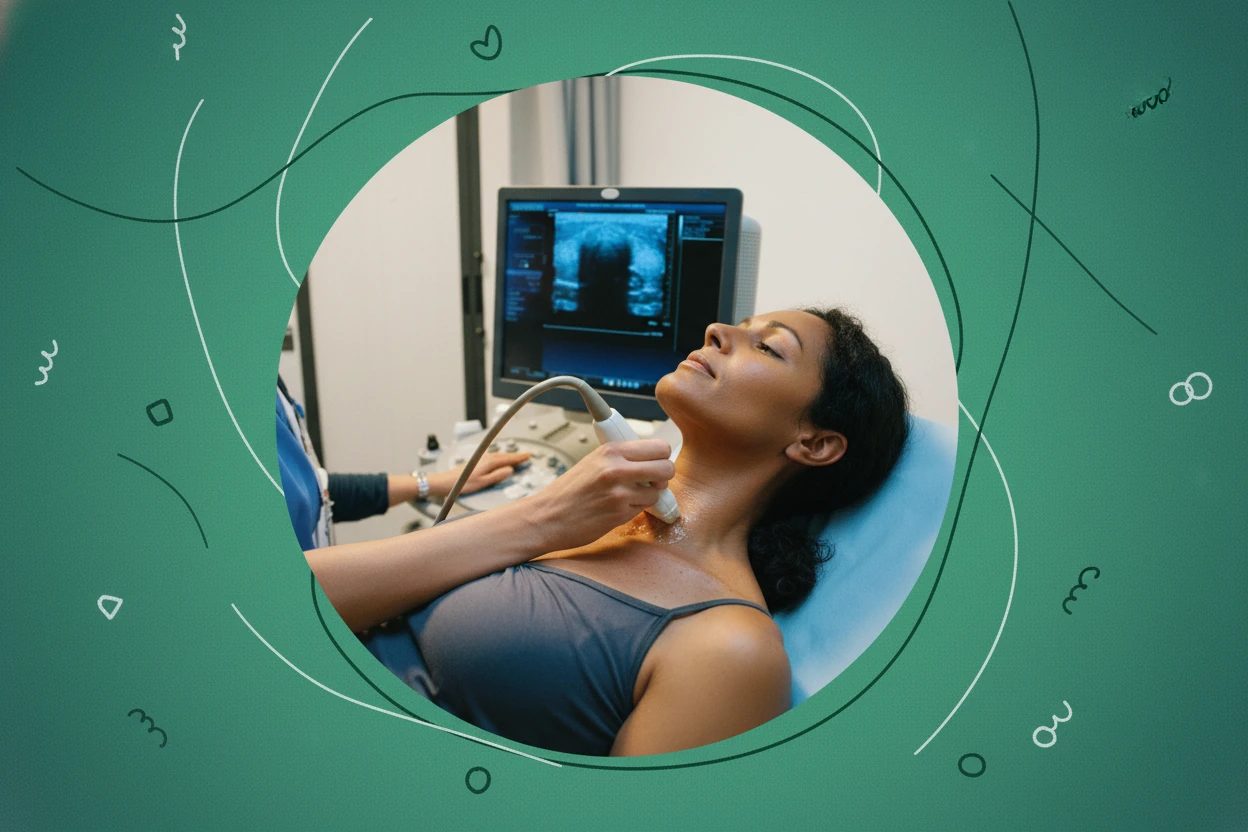
In some cases, thyroid ultrasound may be used to assess gland size and exclude other causes of thyroid enlargement815.
Elevated TSH with low T4 levels, combined with positive thyroid autoantibodies, strongly supports the diagnosis of Hashimoto’s thyroiditis1016.
Hashimoto's Disease Treatment Options
Treatment focuses on managing hypothyroidism and maintaining normal thyroid hormone levels. Not all patients with Hashimoto’s disease require immediate treatment, especially if thyroid hormone levels are normal despite elevated antibodies415.
The main treatment approach includes:
- Levothyroxine therapy: a synthetic form of thyroxine (T4) taken orally to replace deficient thyroid hormone410
- Dosage is individualized based on age, weight, severity of hypothyroidism, and other health factors16
- Levothyroxine should be taken on an empty stomach, typically 30–60 minutes before breakfast, to optimize absorption410
- Avoiding certain foods and supplements (e.g., calcium, iron, soy products) within four hours of levothyroxine intake to prevent interference with absorption416
- Regular monitoring of TSH and thyroid hormone levels every 6 to 12 weeks initially, then annually once stable1016
If levothyroxine dose is too high, symptoms of hyperthyroidism such as rapid heartbeat, anxiety, and weight loss may occur416. Conversely, inadequate dosing can lead to persistent hypothyroid symptoms416.
Nutritional interventions, including anti-inflammatory diets rich in fruits, vegetables, fish, and plant proteins, may help reduce inflammation and improve symptoms, though more research is needed17.
| Treatment Aspect | Details | Reference |
|---|---|---|
| Medication | Levothyroxine (synthetic T4) | 410 |
| Administration | Taken on empty stomach, 30–60 min before food | 410 |
| Monitoring | TSH and thyroid hormones every 6–12 weeks initially | 1016 |
| Dietary considerations | Avoid calcium, iron, soy near medication time | 416 |
| Nutritional support | Anti-inflammatory diet may benefit symptoms | 17 |
| Sources:4101617 | ||
Levothyroxine is the standard therapy for hypothyroidism caused by Hashimoto’s thyroiditis and effectively restores euthyroidism1.
Hashimoto's Disease Prevention
Currently, there is no known way to prevent Hashimoto’s disease due to its unclear exact cause and strong genetic component518. However, minimizing exposure to potential environmental triggers may reduce risk in susceptible individuals14.
Preventive considerations include:
- Avoiding excessive iodine intake, especially from supplements or iodine-rich foods511
- Preventing infections such as hepatitis C virus through safe practices like safe sex and avoiding sharing needles or razors1914
- Limiting exposure to radiation and certain medications known to affect thyroid function14
Maintaining a healthy lifestyle with stress management and balanced nutrition may support overall immune health, though direct prevention of Hashimoto’s is not established11.
Hashimoto's Comorbid Conditions
Hashimoto’s thyroiditis frequently coexists with other autoimmune diseases, with patterns differing between adults and children2021.
One of the most important choices you can make is to choose to love yourself instead of choosing to attack yourself22.
Common comorbid conditions include:
- In adults:
- Rheumatoid arthritis and psoriatic arthritis (joint diseases)20
- Connective tissue disorders such as Sjögren’s syndrome, characterized by dryness of eyes and mouth20
- In children:
- Celiac disease, an autoimmune disorder triggered by gluten20
- Type 1 diabetes mellitus20
- Both children and adults may have vitiligo and Addison’s disease at comparable rates20
These comorbidities highlight the need for comprehensive care and monitoring in patients with Hashimoto’s thyroiditis20.
Living with Hashimoto's Disease
With appropriate treatment and monitoring, most patients with Hashimoto’s disease have a favorable prognosis and can lead normal lives410. Key aspects of living with the disease include:
- Strict adherence to prescribed levothyroxine therapy to maintain normal thyroid hormone levels4
- Regular follow-up visits for thyroid function testing and dose adjustments as needed10
- Awareness of symptoms that may indicate under- or overtreatment, such as fatigue or palpitations4
- Lifestyle measures such as balanced diet, exercise, adequate sleep, and stress management to support immune health1711
- Understanding that while levothyroxine controls symptoms, it does not cure the autoimmune process4
Rare but serious complications of untreated hypothyroidism include myxedema coma, a life-threatening condition requiring emergency care18.
Symptom control and normalization of thyroid function are achievable with levothyroxine therapy and monitoring16.