Metabolic dysfunction-associated steatohepatitis (MASH) is a severe and progressive liver disease that develops from excess fat accumulation in the liver, leading to inflammation and scarring1. It is part of a broader condition known as metabolic dysfunction-associated steatotic liver disease (MASLD), which affects over 30% of adults worldwide and is becoming a leading cause of liver-related complications, including liver cancer12. Early detection and management of MASH are critical to prevent progression to cirrhosis and other serious health outcomes3.
MASH Symptoms
MASH is often called a "silent" disease because it usually causes no symptoms in its early stages34. Many people with MASH feel fine and are unaware they have the condition until liver damage becomes advanced. When symptoms do appear, they tend to be non-specific and may include:
- Upper abdominal discomfort or pain, especially in the right upper belly area34
- Fatigue or general weakness4
- Unexplained weight loss4
As MASH progresses and liver fibrosis (scarring) worsens, more severe symptoms related to liver dysfunction may develop, such as:
- Jaundice, a yellowing of the skin and eyes34
- Ascites, which is swelling in the abdomen due to fluid buildup3
- Easy bruising or bleeding caused by impaired blood clotting3
- Swelling in the legs and spider-like blood vessels under the skin4
- Enlarged spleen and changes in skin color on the palms4
Because early MASH symptoms are subtle or absent, regular checkups are important for individuals with risk factors to detect liver disease before complications arise3.
MASH Causes and Risk Factors
MASH develops when excess fat builds up in liver cells (hepatocytes), causing inflammation and damage13. This fat accumulation is often linked to metabolic dysfunction, including problems with how the body processes sugar and fat. The exact mechanisms leading to MASH are complex and not fully understood but involve insulin resistance and chronic inflammation3.
Risk Factors
Several metabolic and demographic factors increase the risk of developing MASH:
- Obesity, particularly with a body mass index (BMI) greater than 3035
- Type 2 diabetes and metabolic syndrome, which includes high blood pressure, high blood sugar, and abnormal cholesterol levels32
- Rapid weight loss, which can paradoxically worsen liver inflammation3
- Age over 50 years, with incidence rising in older adults3
- Ethnicity, with higher prevalence in Hispanic and Asian populations3
- Genetic predisposition and environmental factors also contribute, though not all individuals with risk factors develop MASH2
- Other associated conditions include polycystic ovary syndrome, obstructive sleep apnea, hypothyroidism, and growth hormone deficiency6
MASLD may be partly genetic and partly environmental. Most people who develop MASLD have at least one of these risk factors, but not everyone2.
Diagnosing MASH
MASH is often detected incidentally during routine blood tests or physical examinations because early disease is asymptomatic35. Diagnosis requires a combination of clinical evaluation, laboratory tests, imaging, and sometimes liver biopsy.
Key diagnostic steps include:
- Medical history focusing on metabolic risk factors, alcohol use, medications, and diet3
- Physical examination for signs such as hepatomegaly (enlarged liver), jaundice, and BMI calculation3
- Blood tests assessing liver enzymes (alanine aminotransferase [ALT], aspartate aminotransferase [AST]), lipid profiles, and markers of inflammation34
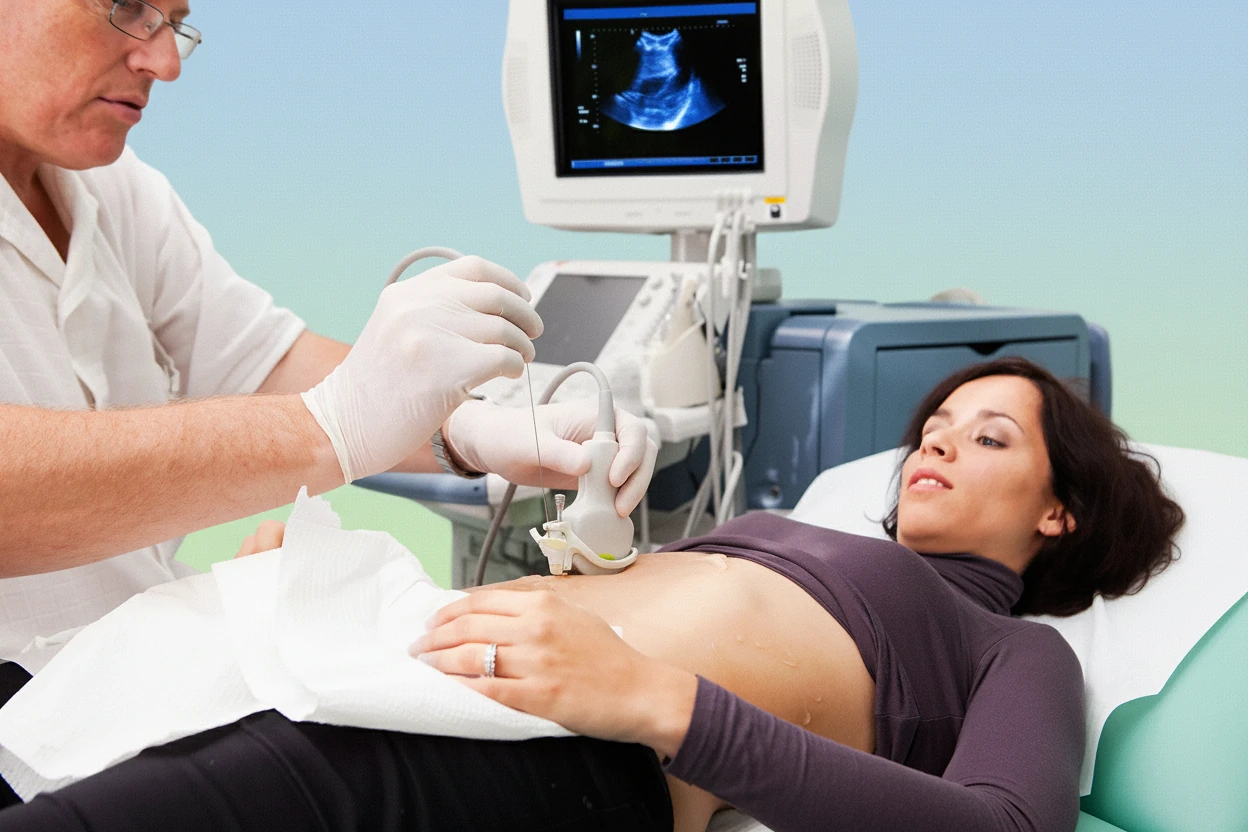
- Imaging studies such as ultrasound, computed tomography (CT), and magnetic resonance imaging (MRI) to visualize liver fat and fibrosis35
- Non-invasive liver stiffness measurements using transient elastography (FibroScan) or magnetic resonance elastography (MRE) to assess fibrosis severity357
Liver biopsy remains the gold standard for confirming MASH diagnosis and staging fibrosis but is performed selectively due to its invasive nature and risks35. Biopsy involves microscopic examination of liver tissue to detect fat accumulation, inflammation, and scarring3.
Stages of MASH
MASH progresses through stages defined by the extent of fibrosis:
| Fibrosis Stage | Description | Clinical Significance |
|---|---|---|
| F0–F1 | No or mild fibrosis | Early disease, often asymptomatic5 |
| F2 | Moderate fibrosis | Increased risk of progression5 |
| F3 | Advanced fibrosis | High risk of cirrhosis and complications5 |
| F4 | Cirrhosis (severe scarring) | Risk of liver failure, cancer, and death3 |
| Sources:12345 | ||
Approximately 20% of MASH cases progress to cirrhosis, which greatly increases the risk of liver cancer and liver failure35.
MASH Treatment Options
Currently, there is no cure for MASH, but treatment focuses on preventing progression and managing metabolic risk factors. Treatment strategies include lifestyle changes, medications, and surgery.
Lifestyle Approaches
Lifestyle modification is the cornerstone of MASH management and prevention358. Key interventions include:
- Weight loss through a balanced, calorie-controlled diet low in sugar and saturated fats38
- Regular physical activity, aiming for 150 to 300 minutes of moderate-intensity exercise per week32
- Avoidance or limitation of alcohol intake to reduce liver stress28
- Management of diabetes, high cholesterol, and hypertension to improve metabolic health35
Weight loss of 7–10% of body weight can reduce liver fat, inflammation, and fibrosis, potentially reversing early MASH26.
Medication
Pharmacological treatment options for MASH have been limited until recently. The first FDA-approved drug specifically for MASH with moderate to severe fibrosis is resmetirom, a thyroid hormone receptor-β agonist91011.
- Resmetirom is indicated for adults with non-cirrhotic MASH and fibrosis stages F2 or F387
- It works by reducing liver fat and inflammation, improving fibrosis, and has demonstrated safety and tolerability in clinical trials9108
- Resmetirom is prescribed alongside lifestyle modifications118
- Other medications targeting metabolic comorbidities, such as GLP-1 receptor agonists for diabetes and obesity, are used to improve overall metabolic health but are not specifically approved for MASH treatment58
- Non-incretin weight-loss agents are not recommended as MASH-targeted therapies8
Surgery
Bariatric surgery may be considered for patients with obesity and advanced liver disease35. Surgical options such as gastric bypass or sleeve gastrectomy can:
- Promote significant and sustained weight loss5
- Improve or even reverse liver damage caused by MASH5
- Reduce the risk of progression to cirrhosis, liver cancer, and the need for liver transplantation5
Surgery is typically reserved for patients who do not respond adequately to lifestyle and medical therapies.
Preventing MASH
Prevention of MASH focuses on maintaining metabolic health and avoiding liver injury132. Key preventive measures include:
- Maintaining a healthy weight through balanced diet and regular exercise32
- Avoiding excessive alcohol consumption and hepatotoxic medications3
- Managing metabolic conditions such as diabetes, high blood pressure, and high cholesterol32
- Regular screening for liver disease in individuals with metabolic risk factors to enable early intervention512
Adopting these lifestyle habits not only prevents MASH but also reduces the risk of cardiovascular disease and other metabolic complications2.
Conditions Related to MASH
The Delphi panel revealed that approximately 75% of MASH patients in Germany remain undiagnosed. Non-invasive measures, such as fibrosis scores, liver enzyme tests, and liver stiffness measurement, were primary methods for diagnosing and monitoring MASH patients. Lifestyle modifications were the primary management strategy, given the absence of approved pharmacological treatments for MASH. The panel also highlighted significant challenges in managing MASH, including the lack of approved medications and the difficulty in sustaining lifestyle changes5.
MASH is closely associated with several metabolic and systemic conditions, reflecting its role as the hepatic manifestation of metabolic syndrome132. Related conditions include:
- Obesity and medically complicated obesity5
- Type 2 diabetes and prediabetes35
- Metabolic syndrome, including hypertension and dyslipidemia32
- Cardiovascular diseases such as coronary artery disease and heart failure32
- Chronic kidney disease3
- Extrahepatic malignancies including colorectal, stomach, and pancreatic cancers2
- Neurological complications like depression and neurocognitive dysfunction2
- Endocrine disorders such as thyroid dysfunction and polycystic ovary syndrome2
- Respiratory conditions like obstructive sleep apnea2
Managing these comorbidities is essential to improving overall outcomes in patients with MASH5.
Managing Life with MASH
Living with MASH requires ongoing medical care and lifestyle management to prevent disease progression and complications32. Without treatment, MASH can lead to:
- Cirrhosis, characterized by extensive liver scarring and impaired liver function3
- Hepatocellular carcinoma (liver cancer), with increased risk in cirrhotic patients32
- Liver failure, which may necessitate liver transplantation3
- Increased risk of cardiovascular events such as heart attack and stroke32
Early diagnosis and treatment improve prognosis and quality of life. Patients are encouraged to maintain healthy habits, adhere to medical therapies, and attend regular follow-ups for monitoring liver health32.