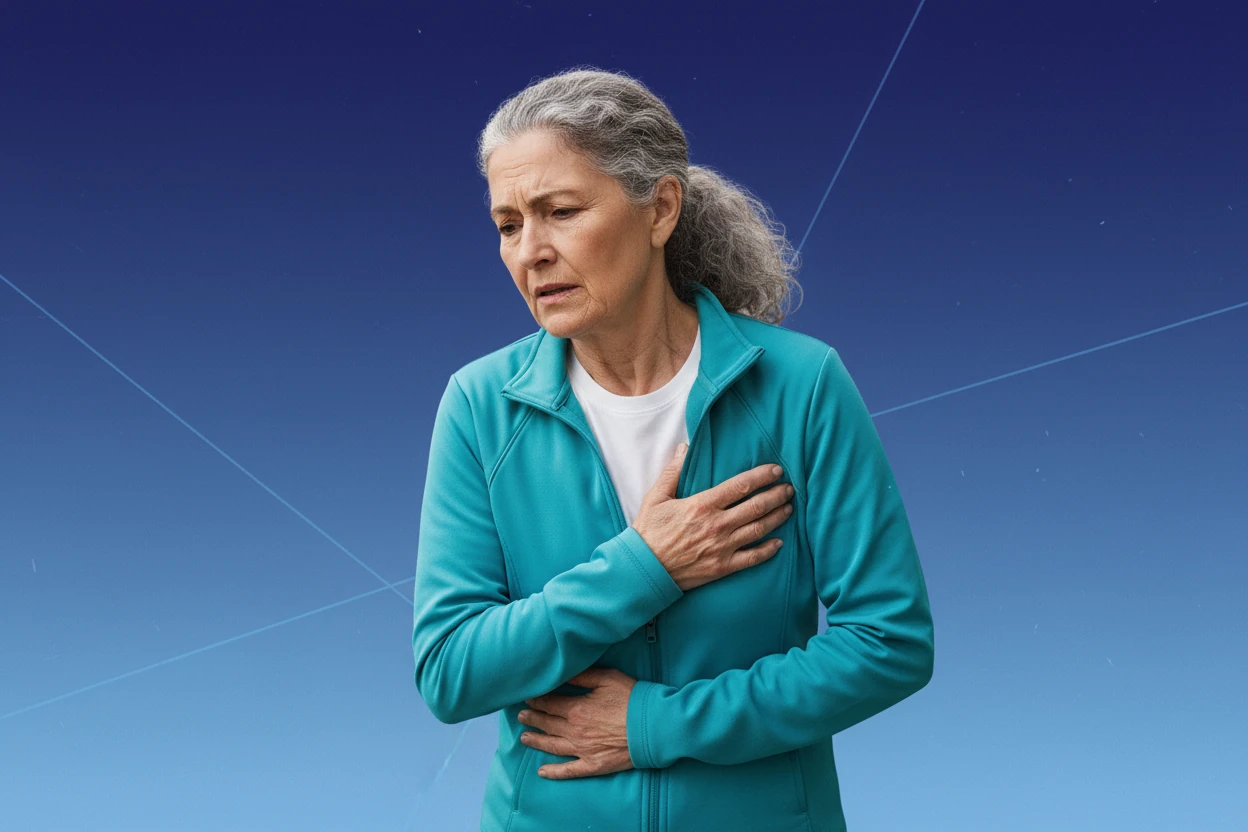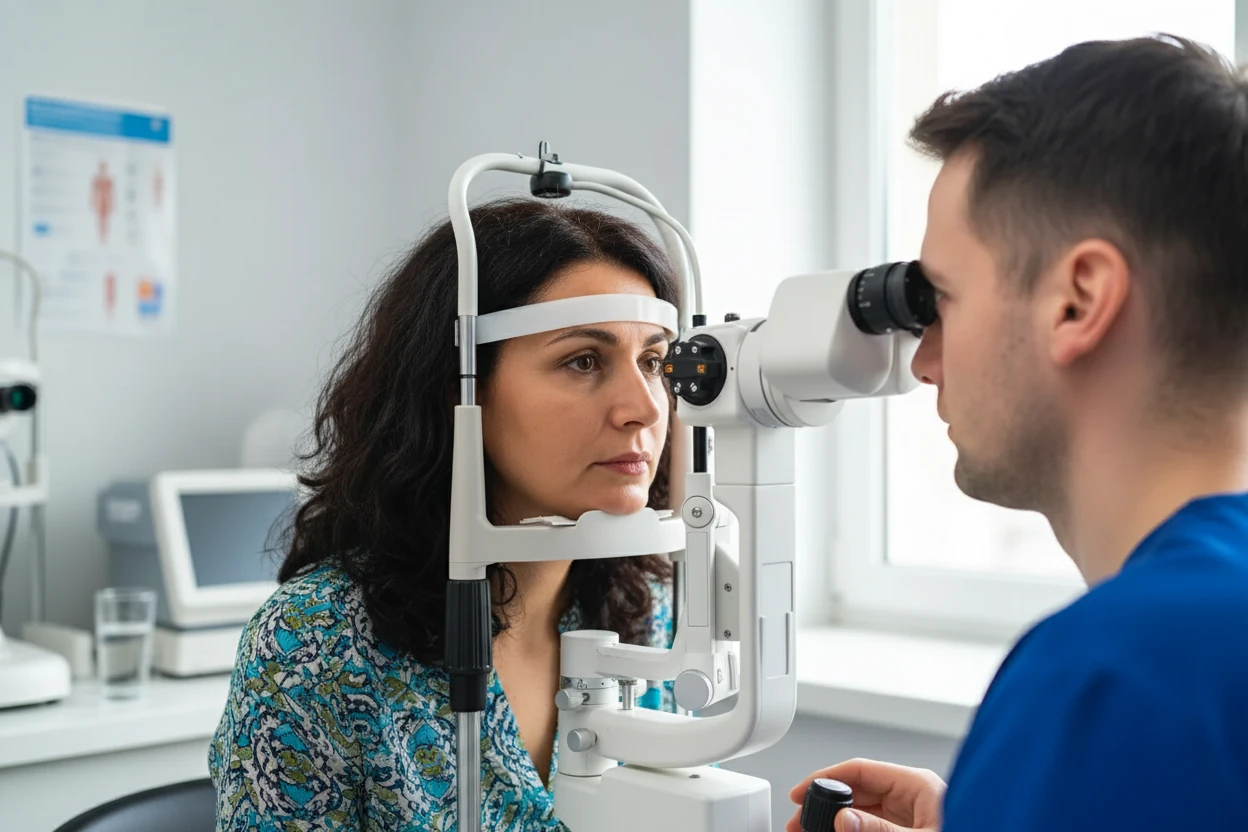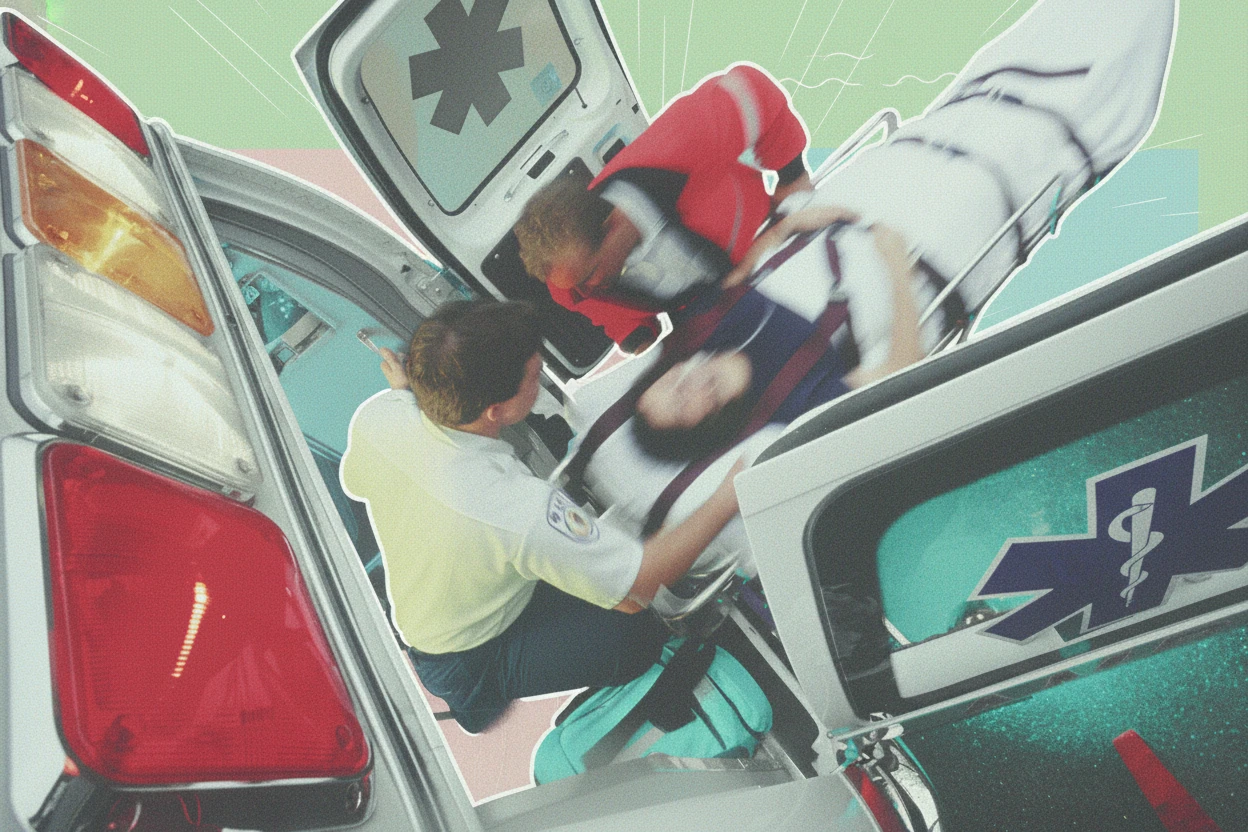
Heart disease is the leading cause of death worldwide and affects nearly half of all adults in the United States1. Many people with early heart disease have no symptoms, which can delay diagnosis and treatment2. Recognizing subtle and typical signs early can improve outcomes and prevent severe complications3. Understanding these symptoms is crucial for timely medical evaluation and intervention4.
Understanding Heart Disease
Heart disease refers to a range of conditions affecting the heart and blood-pressureblood-pressureblood-pressure-effective-strategies-and-tipsblood-pressure-effective-strategies-and-tipsblood vessels, including coronary artery disease (CAD), arrhythmias (abnormal heart rhythms), heart valve disease, cardiomyopathy (heart muscle disease), and congenital heart defects21. CAD is the most common type and results from narrowing of the coronary arteries due to plaque buildup (atherosclerosis), reducing blood flow to the heart muscle21. This can cause chest pain (angina), heart attacks, and heart failure21.
Other heart diseases include problems with the heart’s electrical system causing arrhythmias, diseases of the heart valves leading to stenosis or regurgitation, and congenital defects present from birth21. Heart failure occurs when the heart cannot pump enough blood to meet the body’s needs, often due to muscle weakness or stiffness51.
Risk factors for heart disease include aging, male sex (with risk increasing in women after menopause), family history, smoking, high blood pressure, high cholesterol, diabetes, obesity, physical inactivity, unhealthy diet, and chronic kidney disease16. Lifestyle changes and medications can prevent or manage many forms of heart disease1.
Shortness of Breath
Shortness of breath (dyspnea) is a common symptom of heart disease caused by impaired heart function7. When the heart cannot pump effectively, blood backs up into the lungs, leading to fluid accumulation (pulmonary congestion) that makes breathing difficult7. This is especially common in heart failure7.
Dyspnea may occur during physical activity, at rest, or when lying flat, sometimes waking patients at night78. Heart valve disorders and reduced cardiac output also contribute to breathlessness7. Because shortness of breath can result from lung or cardiac causes, medical evaluation is essential to determine the underlying problem7.
Unusual Fatigue
Fatigue related to heart disease is profound and persistent, differing from ordinary tiredness9. It results from reduced cardiac output, which leads to inadequate oxygen delivery to tissues7. Patients with heart failure often describe fatigue similar to or worse than that experienced during viral illnesses9.
This symptom may precede other signs of heart disease and warrants evaluation, especially if it limits daily activities without a clear cause7. Fatigue alone is nonspecific but should be considered alongside other symptoms such as shortness of breath or swelling7.
Swollen Feet or Legs
Swelling (peripheral edema) in the feet, ankles, or legs is commonly seen in right-sided heart failure7. When the heart cannot effectively pump blood, fluid accumulates in the tissues, causing swelling7. Other causes of edema include venous insufficiency, immobility, and pregnancy, so a thorough assessment is necessary7.
Increasing swelling, especially if accompanied by weight gain, may indicate worsening heart failure and requires prompt medical attention10. Swelling can also occur in the abdomen in advanced cases8.
Dizziness and Lightheadedness
Dizziness and lightheadedness in heart disease may result from arrhythmias (irregular heartbeats) or low blood pressure7. Reduced blood flow to the brain due to arterial stenosis or impaired cardiac output can also cause these symptoms7.
Valvular heart disease may lead to syncope (fainting) or near-fainting episodes because of decreased blood flow7. These symptoms should be evaluated urgently, as they may signal life-threatening conditions such as dangerous arrhythmias10.
Leg Pain When Walking
Pain or cramping in the legs during walking, known as intermittent claudication, is a classic symptom of peripheral artery disease (PAD)118. PAD results from atherosclerosis narrowing the arteries supplying the legs, leading to reduced blood flow during activity11.
Symptoms typically improve with rest and may include numbness, coolness, or skin color changes in the legs1112. PAD increases the risk of coronary artery disease and other cardiovascular events11.
Depression and Mood Changes
Depression is a common comorbidity in patients with heart disease but is not a direct diagnostic sign9. However, depression is associated with an increased risk of developing cardiovascular disease and worse outcomes in those already diagnosed13.
There is a bidirectional relationship between depression and heart disease, meaning each can influence the other13. Addressing mental health is an important part of comprehensive cardiovascular care13.
Skin Color Changes
Changes in skin color, such as cyanosis (bluish discoloration) or livedo reticularis (mottled skin), may indicate underlying cardiac or vascular disease7. Peripheral cyanosis suggests poor oxygen delivery due to cardiovascular compromise7.
Infections affecting the heart or blood vessels, like endocarditis, can cause skin manifestations such as petechiae (small red spots) or splinter hemorrhages under the nails7. These signs warrant urgent medical evaluation7.
Frequent Migraines
Migraine, especially with aura (visual or sensory symptoms preceding headache), is linked to increased cardiovascular risk14. Patients with migraine with aura have a higher incidence of ischemic stroke and coronary events14.
While migraines are not a direct symptom of heart disease, their presence may indicate elevated vascular risk and should prompt cardiovascular risk assessment14.
Palpitations and Heartbeat Awareness
Palpitations are sensations of a racing, pounding, or irregular heartbeat and may indicate arrhythmias78. They can result from heart muscle disease, coronary artery disease, or abnormal electrical activity1.
Persistent awareness of heartbeat or palpitations accompanied by dizziness, chest pain, or fainting requires urgent medical evaluation10. Some arrhythmias, like atrial fibrillation, increase stroke risk and need treatment8.
Nail Abnormalities
Certain nail changes can indicate systemic or cardiac disease7. Digital clubbing (enlargement of the fingertips) is associated with chronic hypoxia from heart or lung disease7. Splinter hemorrhages under the nails may suggest infective endocarditis7.
These signs, while less common, can provide clues to underlying cardiovascular problems and should prompt further investigation7.
Panic Attack Symptoms
Early myocardial infarction (heart attack) symptoms can mimic panic attacks, including sweating, nausea, and autonomic signs4. Chest pain accompanied by these symptoms requires urgent medical evaluation to rule out acute coronary syndrome4.
Recognizing these warning signs and responding quickly can reduce mortality and improve outcomes4.
“If only we correct our eating habits. Then not only we would have perfect body weight, but also we can get rid of most of the diseases.”
— Subodh Gupta15
When to See Your Doctor
Early consultation for any suspected cardiac symptoms is crucial for diagnosis and management, potentially preventing progression to severe disease37. Symptoms warranting medical evaluation include chest pain, shortness of breath, palpitations, dizziness, fatigue, and swelling76.
Public education emphasizes not ignoring early warning signs and seeking timely care to improve outcomes4. Regular health checkups can detect heart disease before symptoms develop2.
“Heart disease is the leading cause of death in the United States. Early recognition of symptoms and timely treatment can save lives and improve quality of life.”
— Michael A. Chen, MD, PhD12
Emergency Heart Symptoms
Certain symptoms require immediate medical attention as they may indicate life-threatening conditions such as acute coronary syndrome or heart failure7410. These include:
- Prolonged chest pain or discomfort not relieved by rest or medication410
- Severe shortness of breath or difficulty breathing710
- Syncope (fainting) or near-fainting episodes710
- Chest pain spreading to the arms, neck, jaw, back, or stomach10
- Sudden nausea, sweating, or lightheadedness with chest pain10
Rapid intervention in these cases improves survival and reduces complications4.
💡 Did You Know?
Peripheral artery disease symptoms like leg pain during walking may signal increased risk for coronary artery disease11.
Summary of Heart Disease Signs
💡 Did You Know?
Many individuals with cardiovascular disease are asymptomatic in early stages, making regular checkups vital for early detection2.
Heart disease often progresses silently, with symptoms appearing only after significant damage occurs32. Awareness of both typical and atypical symptoms is essential for early diagnosis and treatment43. Key signs include:
- Chest pain or discomfort
- Shortness of breath
- Unusual fatigue
- Swelling of feet or legs
- Dizziness or fainting
- Palpitations or irregular heartbeat
- Leg pain during walking
- Skin color changes and nail abnormalities
- Psychological symptoms such as depression and panic-like episodes
Early medical consultation and urgent evaluation for acute symptoms can save lives and improve quality of life74.