Coronary artery disease (CAD) is a leading cause of death worldwide and affects millions of people, often developing silently over many years1. It occurs when the coronary arteries narrow due to plaque buildup, reducing mcv blood test results meaning and normal range flow to the heart muscle and causing symptoms such as chest pain and shortness of breath2. Early recognition of these signs is crucial for timely treatment and prevention of serious complications like heart attacks3.
Chest Pain (Angina)
Angina is the most common symptom of CAD and refers to chest pain or discomfort caused by reduced blood flow to the heart muscle4. Patients often describe angina as a squeezing, pressure, or tightness in the chest that may also feel like heaviness or burning5. This pain results from myocardial ischemia, where the heart muscle does not receive enough oxygen-rich blood due to narrowed coronary arteries4.
Stable Angina
Stable angina is the most frequent form of angina and typically occurs during physical exertion or emotional stress when the heart’s oxygen demand increases4. It is characterized by predictable episodes of chest pain or discomfort that usually last minutes and are relieved by rest or nitroglycerin3. The pain is often described as dull, heavy, or aching rather than sharp or burning6. Stable angina indicates that coronary arteries are narrowed but not completely blocked, limiting blood flow during increased demand4.
Unstable Angina
Unstable angina is a more serious and unpredictable form of chest pain that can occur at rest or with minimal exertion3. It is a type of acute coronary syndrome and signals an urgent medical condition with a high risk of progressing to myocardial infarction (heart attack) or death34. Unstable angina results from an acute reduction in coronary blood flow, often caused by rupture of an atherosclerotic plaque and subsequent blood clot formation3. The pain is typically more severe, lasts longer, and is not relieved by rest or usual medications3.
“Coronary artery disease, also called CAD, is a condition that affects your heart. It is the most common heart disease in the United States. CAD happens when coronary arteries struggle to supply the heart with enough blood, oxygen and nutrients. Cholesterol deposits, or plaques, are almost always to blame. These buildups narrow your arteries, decreasing blood flow to your heart.”
— Stephen Kopecky, Mayo Clinic2
Breathing Difficulties
Shortness of breath, or dyspnea, is a common symptom in CAD, especially as the disease worsens and leads to heart failure3. Dyspnea is the sensation of difficulty breathing or breathlessness and occurs when the heart cannot pump effectively due to reduced blood flow4. In CAD, impaired cardiac function increases the workload on the heart, causing fluid to build up in the lungs (pulmonary congestion), which leads to breathing difficulties4.
Dyspnea combined with chest pain is a warning sign of acute coronary syndrome and requires urgent medical evaluation3. It may indicate myocardial infarction or worsening heart failure3. As CAD progresses, untreated ischemia can cause chronic heart failure, making dyspnea more frequent and severe4.
💡 Did You Know? Coronary artery disease often develops over many years without symptoms until the arteries become significantly narrowed or blocked2.
Arm, Back, Neck, or Jaw Discomfort
Pain or tightness radiating to the arms, back, neck, or jaw is a classic feature of myocardial ischemia and can occur with angina or myocardial infarction3. This referred pain happens because the heart and these areas share nerve pathways, causing the brain to interpret heart pain as discomfort in other regions4. Up to 30% of patients with ST-elevation myocardial infarction present with atypical symptoms, including pain in these areas rather than the chest7.
Patients may experience discomfort or pressure in the upper body without chest pain, which can delay recognition of CAD3. Pain in the arms, back, neck, or jaw should prompt immediate medical evaluation to rule out acute coronary events3.
Additional Warning Signs
Besides chest pain and radiating discomfort, CAD can present with other symptoms that may be less obvious but equally important4. These include:
- Fatigue
- Nausea
- Sweating
- Dizziness
These non-classical symptoms are especially common in women and elderly patients and may be the only signs of myocardial ischemia in some cases34. Recognizing these symptoms can help identify CAD earlier and prevent complications.
Heart Attack Risk Factors
Coronary artery disease significantly raises the risk of heart attack, which occurs when a coronary artery becomes completely blocked, causing death of heart muscle tissue4. Risk factors for developing CAD and subsequent heart attacks include:
- High blood pressure
- High cholesterol levels
- Diabetes
- Smoking
- Obesity
- Physical inactivity
- Family history of heart disease
- Chronic kidney disease
- Stress and unhealthy diet
CAD develops slowly as plaques build up in the arteries, narrowing them and reducing blood flow8. Symptoms may not appear until the arteries are severely clogged, increasing the risk of sudden heart attack8.
| Risk Factor | Impact on CAD and Heart Attack Risk8 |
|---|---|
| High blood pressure | Damages artery walls, accelerates plaque buildup |
| High cholesterol | Increases plaque formation in coronary arteries |
| Diabetes | Promotes atherosclerosis and vascular inflammation |
| Smoking | Causes artery narrowing and blood clot formation |
| Obesity | Raises blood pressure and cholesterol, increases risk |
Gender-Specific Symptoms
Women with CAD often experience different symptoms than men, which can complicate diagnosis9. Up to 40% of women with acute myocardial infarction do not have chest pain9. Instead, women are more likely to report:
- Fatigue
- Shortness of breath
- Nausea
- Abdominal pain
- Back pain
- Jaw pain
Silent myocardial infarction, a heart attack without typical symptoms, is more common in women, diabetics, and the elderly3. This can delay treatment and increase the risk of complications3.
“Women with CAD are more likely to report atypical symptoms such as fatigue, shortness of breath, nausea, and abdominal pain.”
— Araujo et al.10
When to Seek Medical Care
Prompt medical evaluation is essential for any symptoms suggestive of CAD4. Early diagnosis and treatment can prevent serious complications and improve outcomes3. Seek urgent care if you experience:
- Sudden, severe chest pain or pressure lasting more than a few minutes3
- Chest pain that spreads to the arms, neck, jaw, or back3
- Chest pain or shortness of breath at rest or with minimal exertion3
- New or worsening angina symptoms that are unpredictable or do not improve with rest or medication3
- Associated symptoms such as dizziness, nausea, sweating, or weakness3
Women and elderly patients should be especially vigilant for atypical symptoms like fatigue, nausea, or abdominal discomfort9.
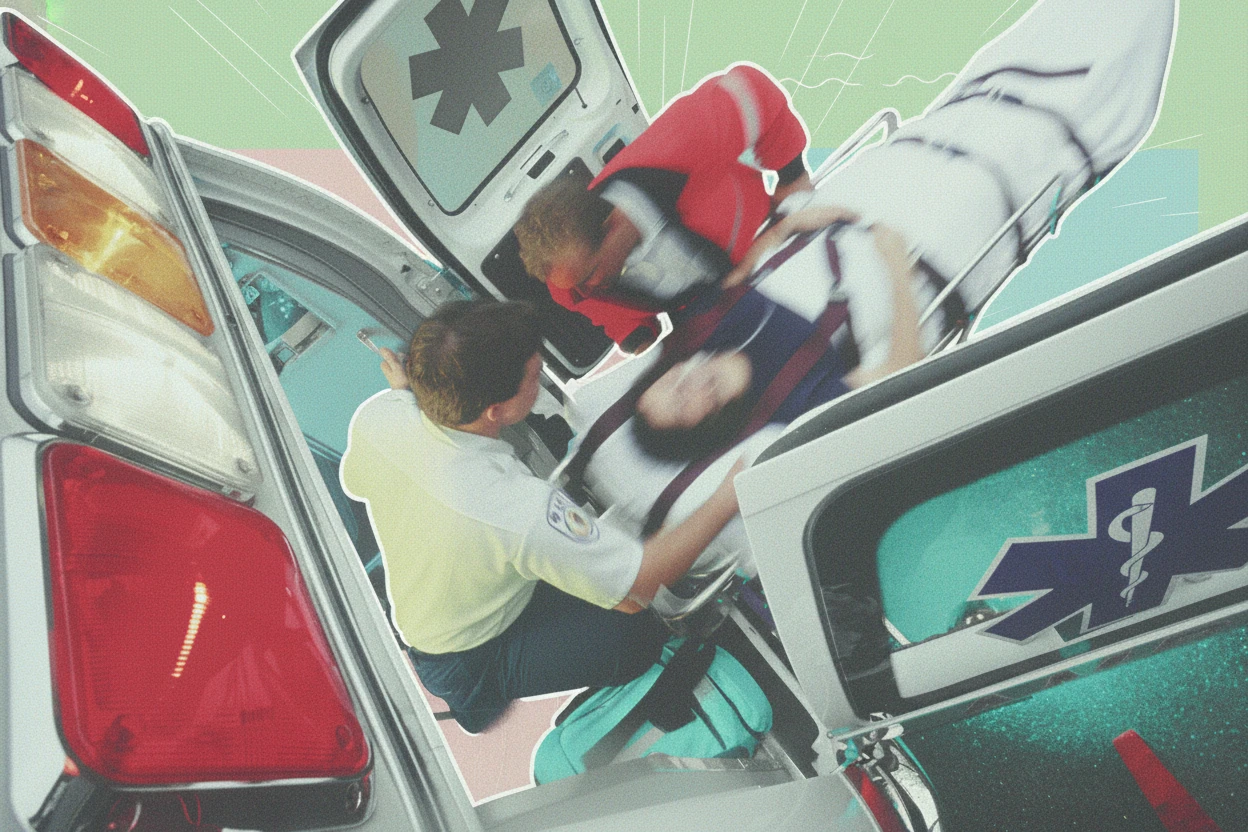
Recognizing CAD symptoms early can save lives. Chest pain, shortness of breath, and discomfort in the upper body are key warning signs. If you experience these, do not delay seeking emergency care.3
Key Takeaways
- Angina, or chest pain, is the most common symptom of CAD and results from reduced blood flow to the heart muscle4.
- Stable angina occurs predictably with exertion and is relieved by rest, while unstable angina is unpredictable, severe, and a medical emergency3.
- Shortness of breath often accompanies CAD, especially as heart failure develops3.
- Pain may radiate to the arms, back, neck, or jaw due to shared nerve pathways with the heart3.
- Women frequently experience atypical symptoms such as fatigue, nausea, and abdominal pain, which can delay diagnosis9.