Thyroid disorders affect more than 10% of the U.S. population, making thyroid testing an important part of health monitoring and disease management1. Advances in healthcare have introduced at-home thyroid testing kits, offering a convenient option for individuals to assess their thyroid function without visiting a clinic2. These tests typically measure thyroid hormones and antibodies, providing valuable information that can guide further medical evaluation3.
Thyroid Testing Benefits
Thyroid hormones regulate metabolism, energy, mood, and the function of vital organs such as the heart and brain. Testing your thyroid can provide important insights into your overall health and help detect disorders early.
Early Detection of Thyroid Disorders
Thyroid disease often presents with subtle or nonspecific symptoms, which can delay diagnosis1. At-home thyroid testing allows for early detection of thyroid dysfunction, potentially preventing complications by enabling timely medical intervention4. Screening primarily involves measuring thyroid-stimulating hormone (TSH), which is considered the most useful test for thyroid function56.
Symptoms of Thyroid Dysfunction
Thyroid dysfunction symptoms can be vague and overlap with other conditions. Common signs include fatigue, hair loss, mood swings, unexplained weight changes, and temperature sensitivity4. At-home testing can help identify thyroid imbalances when these symptoms are present, prompting further clinical evaluation2.
Family History of Thyroid Disorders
A family history of thyroid disease increases the risk of developing thyroid conditions4. Regular testing can detect early changes in thyroid function, allowing preventive measures or early treatment to be initiated1.
Fertility and Pregnancy
Thyroid health plays a critical role in fertility and pregnancy outcomes. Testing before conception or during pregnancy helps ensure hormone levels are optimal, supporting healthy fetal development and reducing risks associated with thyroid dysfunction4.
Convenience
At-home thyroid tests offer a private, convenient way to monitor thyroid health without the need for clinic visits or blood draws by healthcare professionals2. This ease of access encourages more people to engage in proactive health management3.
Monitoring Thyroid Function
For individuals diagnosed with thyroid disease, regular testing is essential to monitor treatment effectiveness and adjust medication dosages4. At-home testing may provide a practical option for ongoing monitoring, especially when combined with professional medical guidance2.
At-Home Thyroid Test Reliability
Currently, no peer-reviewed studies specifically validate the accuracy or reliability of commercially available at-home thyroid test kits7. Laboratory testing for thyroid function in clinical settings is highly standardized, but even then, test results can vary due to assay differences and pre-analytical factors such as sample collection and handling89.
Discrepancies in TSH results can occur even between different assay kits from the same manufacturer, highlighting the need for careful interpretation in the clinical context910. At-home tests may have additional variability due to self-collection methods and lack of standardization2.
Using tests processed in Clinical Laboratory Improvement Amendments (CLIA)-certified and College of American Pathologists (CAP)-accredited laboratories can improve reliability34. However, at-home testing should not replace professional medical evaluation and diagnosis.
Available At-Home Thyroid Tests
At-home thyroid tests commonly measure key thyroid hormones and antibodies, including:
- Thyroid-stimulating hormone (TSH)
- Free thyroxine (Free T4)
- Free triiodothyronine (Free T3)
- Thyroid peroxidase antibodies (TPO-Ab)
Some tests offer comprehensive panels combining these markers for a fuller picture of thyroid health1311.
Popular at-home thyroid test kits include:
| Test Kit | Biomarkers Measured | Result Time | Insurance Coverage | Notes |
|---|---|---|---|---|
| LetsGetChecked | TSH, Free T4, Free T3, TPO antibodies | 2–7 days | HSA/FSA only | Includes nurse consultation312 |
| Everlywell | TSH, Free T3, Free T4, TPO antibodies | 5–8 days | HSA/FSA only | Doctor reviews results313 |
| Paloma Health | TSH, Free T3, Free T4, TPO antibodies | 1 week | HSA/FSA only | Thyroid specialists, ongoing support1114 |
| myLAB Box | TSH, Free T3, Free T4, TPO antibodies | 2–5 days | HSA/FSA only | Free physician consultation3 |
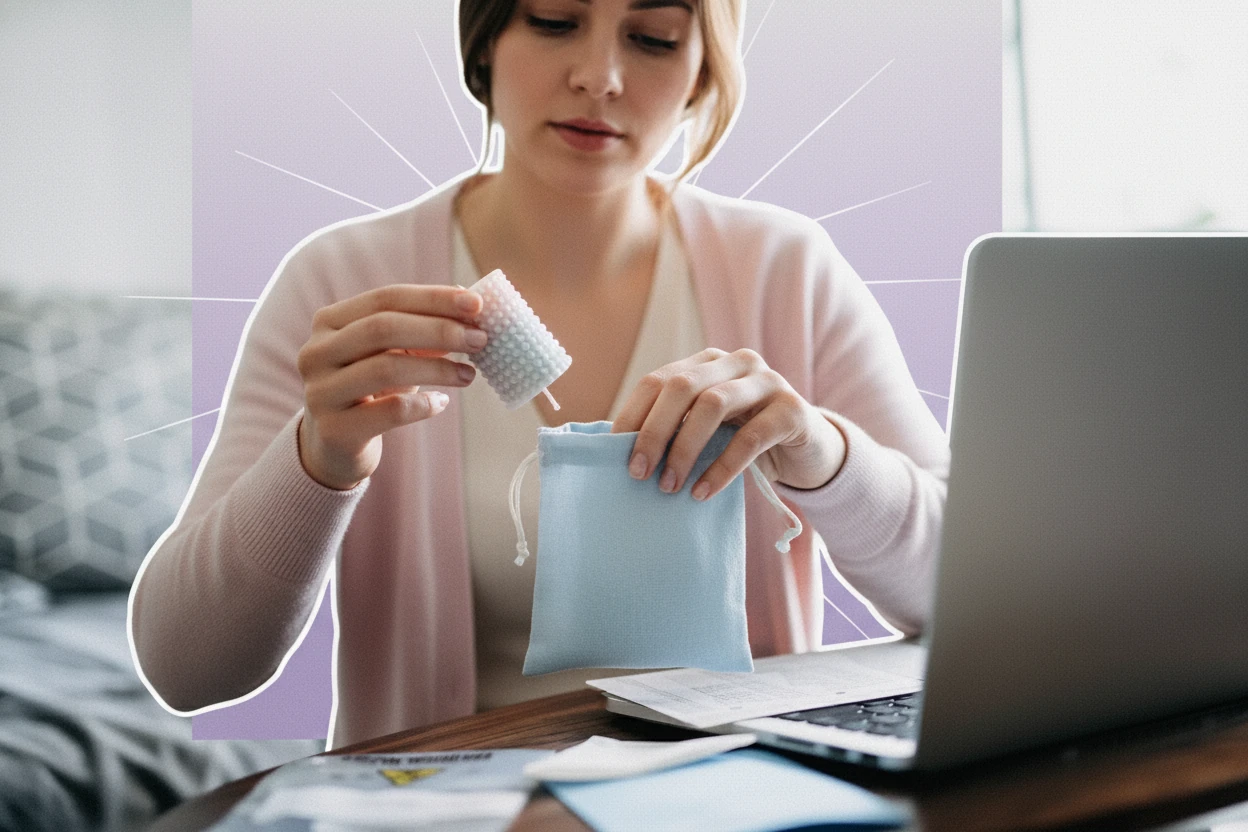
Most kits require a finger-prick blood sample collected at home and mailed to a certified lab for analysis311. Some companies provide follow-up consultations to help interpret results and discuss next steps3.
Selecting a Thyroid Test
Choosing the right at-home thyroid test depends on your clinical context and needs. The standard laboratory tests for thyroid function include TSH, Free T4, Free T3, and thyroid antibodies such as TPO-Ab and thyroglobulin antibodies1. TSH is the primary screening test for thyroid dysfunction6.
Consider the following when selecting a test:
- Test components: Ensure the test measures TSH at minimum; comprehensive panels may be needed for autoimmune thyroid disease evaluation14.
- Certifications: Choose tests processed in CLIA-certified and CAP-accredited labs for quality assurance34.
- Sample type: Most tests use finger-prick blood; some offer saliva testing but blood tests are more common and reliable4.
- Turnaround time: Faster results may be important if symptoms are acute3.
- Follow-up support: Access to medical consultation for result interpretation is valuable3.
- Cost and insurance: Most tests accept HSA/FSA payments but are not typically covered by insurance311.
Consulting a healthcare professional before purchasing a test can help ensure you select the appropriate panel based on your symptoms and medical history154.
Thyroid Testing Procedure at Home
The process for at-home thyroid testing generally involves the following steps:
- Order the test kit: Purchase online from a reputable provider with proper lab certifications34.
- Read instructions carefully: Understand the sample collection method and timing4.
- Collect the sample: Use the provided lancet to prick your finger and apply blood to the collection card, or provide saliva if applicable34.
- Package and send: Seal the sample as instructed and mail it back using the prepaid label3.
- Receive results: Access your results online, typically within a few days to a week311.
- Follow-up: Consult with a healthcare provider or use offered medical support to interpret results and plan next steps3.
Proper sample collection and handling are critical to ensure accurate results, as errors can occur during self-collection84.
Interpreting Thyroid Test Results
Understanding thyroid test results requires knowledge of reference ranges and clinical context. Reference intervals for TSH and other thyroid hormones can vary between laboratories and assays9. Generally:
- High TSH: Suggests hypothyroidism (underactive thyroid) where the thyroid produces insufficient hormones64.
- Low TSH: Indicates hyperthyroidism (overactive thyroid) with excess hormone production64.
- Free T4 and Free T3: Help confirm thyroid hormone levels and clarify dysfunction1.
- Thyroid antibodies: Elevated levels suggest autoimmune thyroid disease such as Hashimoto’s thyroiditis14.
At-home test results should be reviewed with a healthcare professional who can interpret them alongside symptoms, medications, and other clinical factors107. Abnormal results often require confirmatory testing in a clinical laboratory16.
“TSH assays are not infallible and must always be interpreted in the light of clinical features, effects of drug treatment, thyroxine concentrations, and antibody status.”
— Gurnell et al.10
Additional Testing Considerations
While TSH is the most useful single test for thyroid function, it is not perfect. Variability between assays and laboratories can affect results9. Clinical-laboratory collaboration is encouraged to resolve discrepant or confusing results7.
Other tests that may be necessary in complex cases include:
- Thyroglobulin and thyroglobulin antibodies
- TSH receptor antibodies (TRAb)
- Calcitonin for medullary thyroid cancer screening1
At-home tests typically do not cover all these markers and may lack the clinical context needed for comprehensive diagnosis15.
False positives or negatives can occur, so abnormal at-home results should prompt a full evaluation by a healthcare professional216. Routine thyroid testing in asymptomatic individuals is generally not recommended unless risk factors or specific clinical indications exist11.
Thyroid Test Summary
At-home thyroid testing kits provide a convenient and often affordable way to assess thyroid function. They commonly measure TSH, free T4, free T3, and thyroid antibodies, offering valuable information for early detection and monitoring of thyroid disorders13.
However, limitations include variability in test accuracy, potential errors in sample collection, and the need for professional interpretation72. Tests processed in CLIA-certified and CAP-accredited labs improve reliability34. At-home testing should complement, not replace, clinical evaluation and follow-up care16.
When used appropriately, at-home thyroid tests can empower individuals to take an active role in their health and facilitate timely medical consultation for thyroid concerns23.