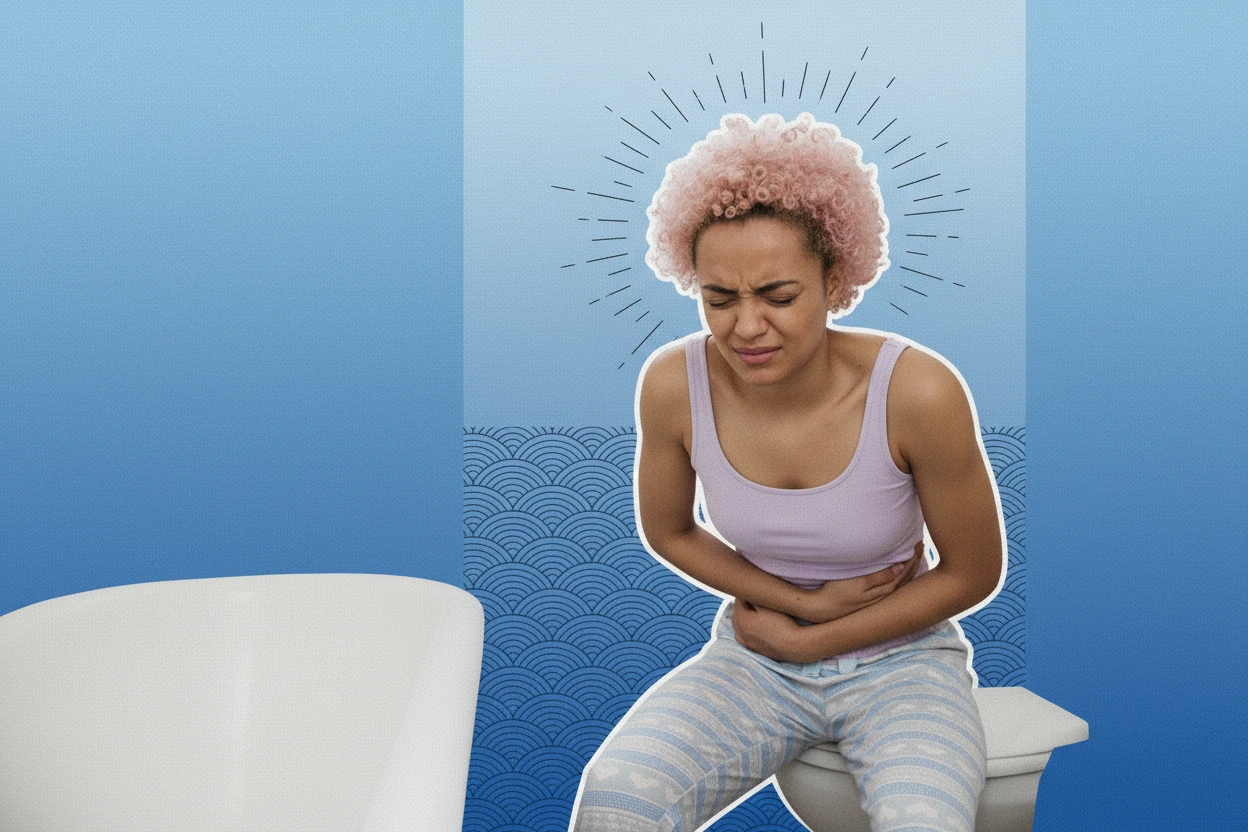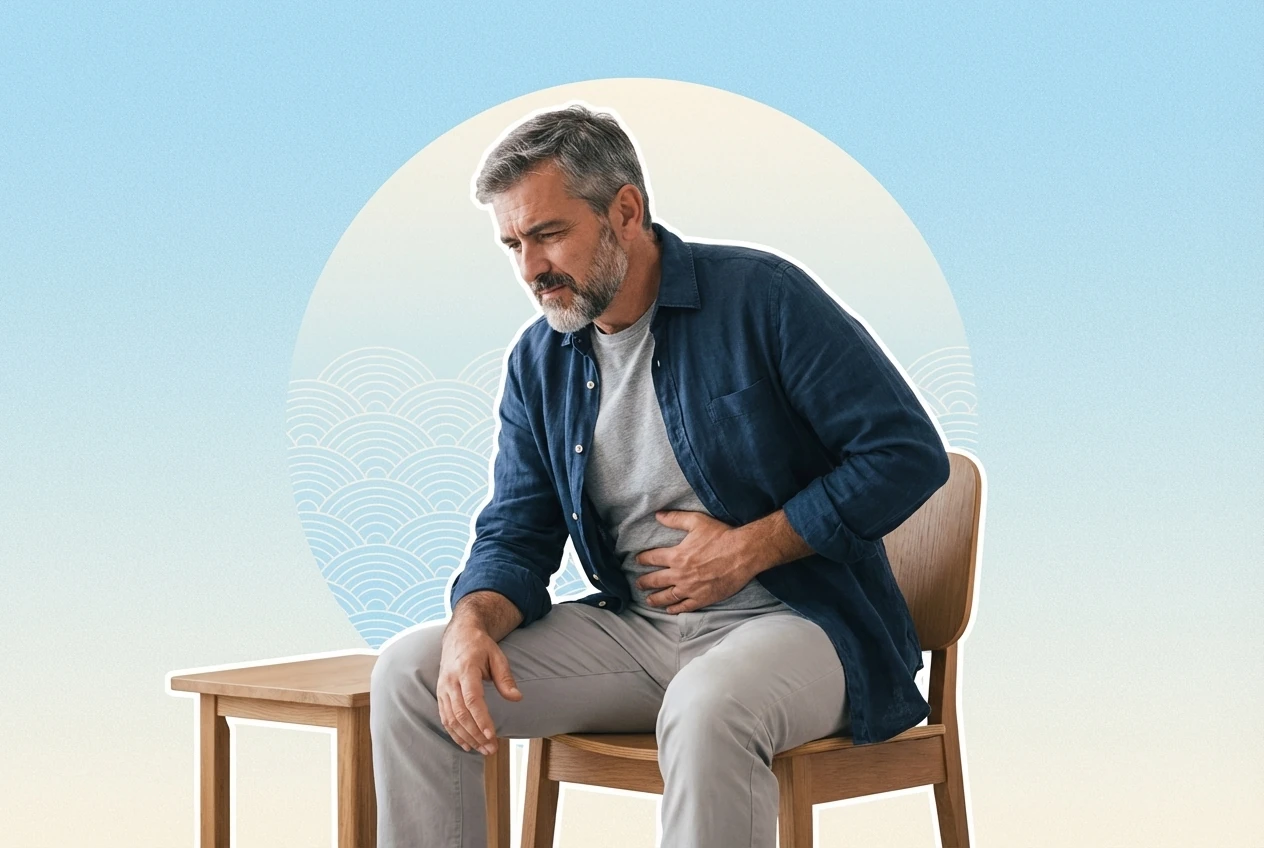
endometriosis-stages-symptoms-and-treatment">Endometriosis affects about 10–15% of women of reproductive age worldwide and is known for causing chronic pelvic pain and infertility12. A common but often misunderstood symptom is severe abdominal bloating, known as endo belly, which typically worsens around menstruation due to inflammation and increased intestinal sensitivity34. This condition can significantly impact quality of life, making understanding its symptoms, causes, and management essential for those affected56.
Understanding Endo Belly
Endo belly refers to severe abdominal bloating experienced by people with endometriosis, often occurring before or during menstruation6. Endometriosis is a chronic inflammatory disease characterized by the presence of tissue similar to the uterine lining growing outside the uterus, which triggers extensive inflammatory reactions in the abdomen47. This inflammation, combined with hormonal changes during the menstrual cycle, leads to symptoms such as painful abdominal distension and gastrointestinal discomfort34.
The pathophysiology of endo belly involves several key mechanisms:
- Ectopic endometrial tissue undergoes cyclic bleeding, causing local inflammation and irritation in the abdominal cavity14.
- This inflammation contributes to visceral hypersensitivity, meaning the intestines become more sensitive to pain and stretch84.
- Altered gut motility and functionality, influenced by hormonal fluctuations, can lead to digestive symptoms like constipation and mcv blood test results meaning and normal range84.
- Gut microbial imbalances (dysbiosis) may activate inflammatory pathways, further exacerbating symptoms4.
Endo belly is not simply weight gain or typical bloating; it often causes the abdomen to feel hard, tight, and visibly swollen from under the ribs down to the pelvis9. This severe distension can be so intense that patients may double over in pain10.
“People with endometriosis often have symptoms for years before receiving an accurate diagnosis. We're seeing a greater awareness of endo belly these days. Patients even bring in photos to document their symptoms.”
— Megan Billow, Cleveland Clinic6
Common Symptoms of Endo Belly
Endo belly presents with a range of symptoms primarily related to abdominal and pelvic discomfort:
- Severe, painful bloating and abdominal swelling that can last hours, days, or even weeks119.
- Pelvic and abdominal pain that often worsens with the menstrual cycle52.
- Gastrointestinal symptoms such as constipation, diarrhea, nausea, excess gas, and early fullness1269.
- Abdominal distension that fluctuates in intensity and may worsen throughout the day2.
- Visible swelling and a feeling of tightness or hardness in the abdomen109.
The persistent and unpredictable nature of endo belly symptoms can negatively affect mental health and body image. Many patients report feelings of frustration, anxiety, and depression related to their physical symptoms and the impact on daily life213. The chronic pain and bloating may lead to social withdrawal and reduced quality of life2.
Primary Causes
The causes of endo belly are multifactorial, linked closely to the underlying endometriosis and its effects on the gastrointestinal system:
- Chronic inflammation caused by ectopic endometrial tissue bleeding cyclically in the abdomen14.
- Visceral hypersensitivity, where the intestines become overly sensitive to normal stimuli, contributing to pain and bloating84.
- Altered gut motility and function influenced by hormonal changes during the menstrual cycle84.
- Gastrointestinal symptoms such as constipation, diarrhea, and food sensitivities are common in endometriosis patients126.
- Small intestinal bacterial overgrowth (SIBO) and gut microbial dysbiosis may worsen inflammation and digestive symptoms414.
Endometriosis can also cause cysts (endometriomas) on the ovaries or adhesions that bind organs together, which may contribute to abdominal swelling and discomfort7.
“Inflammation can cause the swelling we see in endo belly. Endometriosis can also irritate or block the intestines, causing constipation, gas and bloating. In endo belly, both processes are probably causing the abdomen to bulge out.”
— Megan Billow, Cleveland Clinic6
Treatment and Prevention Options
Managing endo belly requires a comprehensive approach targeting both endometriosis and its gastrointestinal symptoms:
- Surgical removal of endometriotic lesions via laparoscopy can reduce inflammation and improve gastrointestinal symptoms, including bloating16.
- Hormonal therapies, such as birth control pills and gonadotropin-releasing hormone (GnRH) antagonists, help suppress estrogen and reduce lesion activity14.
- Lifestyle modifications including regular exercise and stress reduction techniques can alleviate symptoms and improve quality of life56.
- Heat therapy may help relax abdominal muscles and reduce pain during flare-ups510.
- Pelvic floor physical therapy and complementary treatments like acupuncture may support symptom relief10.
Specialist care involving gynecologists, gastroenterologists, dietitians, and pain management experts is essential for optimal management52.
| Treatment Approach | Benefits | Source |
|---|---|---|
| Surgical excision | Reduces lesions and inflammation | 16 |
| Hormonal therapy | Suppresses estrogen, decreases symptoms | 14 |
| Lifestyle modifications | Improves overall symptom control | 56 |
| Heat therapy | Relieves muscle tension and pain | 510 |
| Multidisciplinary care | Comprehensive symptom management | 52 |
“Medication and surgery are often the best options since they help treat the underlying cause of endo belly endometriosis.”
— Megan Billow, Cleveland Clinic6
Dietary Management for Endo Belly
Dietary changes can play a significant role in managing endo belly symptoms by reducing inflammation and improving gut health:
- An anti-inflammatory diet rich in fiber, healthy fats, and minerals may help reduce symptoms156.
- Avoiding inflammatory foods such as caffeine, refined sugars, alcohol, and processed foods can decrease bloating and irritation10.
- Low FODMAP diets may be beneficial for some patients to reduce gas and bloating14.
- Elimination diets guided by a dietitian can identify food sensitivities contributing to gastrointestinal symptoms5.
- Drinking herbal teas like peppermint or ginger may soothe digestive discomfort14.
An anti-inflammatory dietary pattern focuses on whole, unprocessed foods that support immune balance and gut health. This approach may help modulate the inflammatory response triggered by endometriosis and improve symptoms like bloating and pain154.
💡 Did You Know? Endo belly is a severely bloated abdomen common in people with endometriosis, occurring before or during menstruation. The main symptom is a painful, swollen abdomen with gastrointestinal symptoms like constipation, diarrhea, and nausea6.
Other Potential Causes
While endometriosis is the primary cause of endo belly, other conditions can mimic or contribute to similar symptoms:
- Irritable bowel syndrome (IBS), which shares symptoms and inflammation patterns with endometriosis412.
- Small intestinal bacterial overgrowth (SIBO) causing gas and bloating14.
- Gastrointestinal obstruction, tumors, or inflammatory diseases may present with bloating and require evaluation12.
- Food sensitivities and intolerances can exacerbate gastrointestinal symptoms5.
- Aerophagia (swallowing air) and other systemic conditions may also cause bloating12.
Differential diagnosis is important to ensure appropriate treatment and rule out other serious conditions12.
When to Contact a Doctor
Persistent or worsening bloating and abdominal pain should prompt medical evaluation to identify the cause and prevent complications:
- Seek care if bloating is severe, persistent, or accompanied by alarm symptoms such as gastrointestinal bleeding, severe pain, or dyspareunia (painful intercourse)512.
- Radiologic studies like barium enema or ultrasound may be needed to assess structural causes such as tumors or inflammatory diseases5.
- Early diagnosis and treatment improve outcomes and quality of life for patients with endometriosis and endo belly5.
Endo belly is not just typical bloating or weight gain; it is a painful, hard swelling of the abdomen caused by inflammation and gut sensitivity related to endometriosis. Managing it often requires surgery, medication, diet changes, and stress reduction610.
Summary and Key Takeaways
- Endo belly is severe abdominal bloating linked to endometriosis, often worsening around menstruation due to inflammation and visceral hypersensitivity34.
- Symptoms include painful bloating, abdominal distension, gastrointestinal issues, and fluctuating intensity throughout the day211.
- Causes involve cyclic bleeding of ectopic endometrial tissue, altered gut motility, inflammation, and gut microbial imbalances184.
- Treatment requires a multidisciplinary approach including surgery, hormonal therapy, lifestyle changes, and dietary management152.
- An anti-inflammatory diet and elimination of trigger foods can help reduce symptoms and improve gut health1556.
- Other gastrointestinal conditions may mimic endo belly, so medical evaluation is essential for accurate diagnosis125.
- Early consultation with healthcare providers is important for persistent or severe symptoms to ensure effective management5.