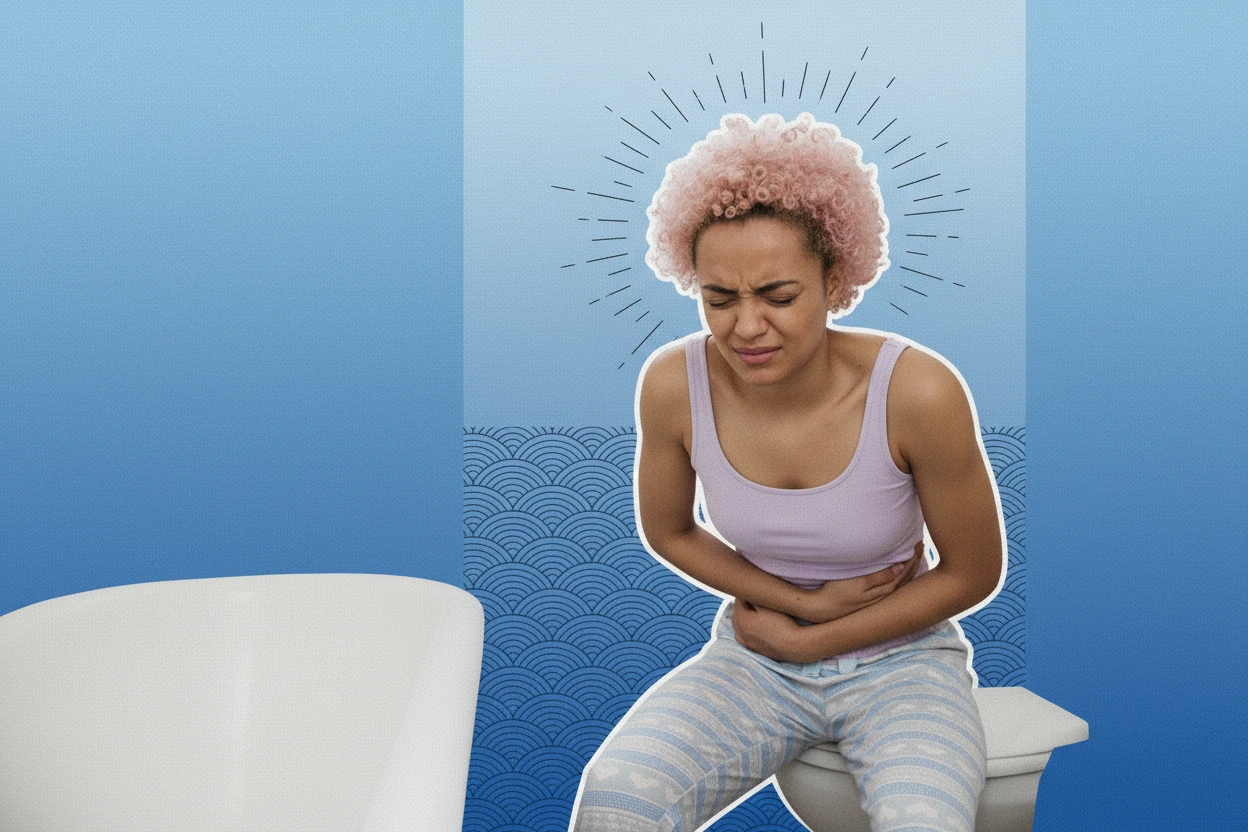
endometriosis-stages-symptoms-and-treatment">Endometriosis affects about 10% of women of reproductive age worldwide and is a leading cause of chronic pelvic pain and infertility1. Despite its prevalence, diagnosis is often delayed by 7 to 10 years on average, largely due to symptom overlap with other conditions2. This overlap, combined with limited awareness and the absence of simple diagnostic tests, leads to frequent misdiagnosis and prolonged suffering3.
Conditions Often Confused With Endometriosis
Endometriosis involves the growth of tissue similar to the uterine lining outside the uterus, causing symptoms such as severe cramps, pelvic pain, irregular periods, and infertility4. These symptoms are nonspecific and mimic several other gynecological and non-gynecological disorders, complicating diagnosis5.
Common conditions mistaken for endometriosis include:
-
Pelvic Inflammatory Disease (PID): An infection of the female reproductive organs often caused by sexually transmitted infections like gonorrhea and chlamydia. PID presents with pelvic pain, painful intercourse (dyspareunia), menstrual irregularities, and infertility, closely resembling endometriosis symptoms67.
-
Irritable Bowel Syndrome (IBS): A functional gastrointestinal disorder characterized by abdominal pain, mcv blood test results meaning and normal range, and constipation. Endometriosis involving the bowel can produce similar gastrointestinal symptoms, leading to confusion between the two8910.
-
Ovarian Cysts: Benign cystic structures on the ovaries that may cause pelvic pain, menstrual changes, and fertility problems. Ovarian cyst symptoms often overlap with those of ovarian endometriomas, a form of endometriosis1112.
-
Adenomyosis: A condition where endometrial tissue grows within the uterine muscle (myometrium), unlike endometriosis which occurs outside the uterus. Adenomyosis shares symptoms such as painful periods (dysmenorrhea), heavy bleeding (menorrhagia), painful intercourse, and subfertility, making clinical distinction difficult911.
-
Uterine Fibroids: Benign smooth muscle tumors of the uterine wall that cause pelvic pain and heavy menstrual bleeding. Their symptoms can mimic those of endometriosis, adding to diagnostic challenges911.
-
Interstitial Cystitis: A chronic bladder condition causing pelvic pain and urinary symptoms, sometimes confused with endometriosis affecting the bladder1314.
-
Myofascial Pain: Musculoskeletal pain in the pelvic region that can resemble endometriosis-related pain14.
These overlapping symptoms often lead to misdiagnosis, with approximately 75% of endometriosis patients initially diagnosed with other conditions2. The complexity increases when endometriosis occurs in atypical or extragenital locations, such as the bowel or bladder, further mimicking gastrointestinal or urinary tract disorders1516.