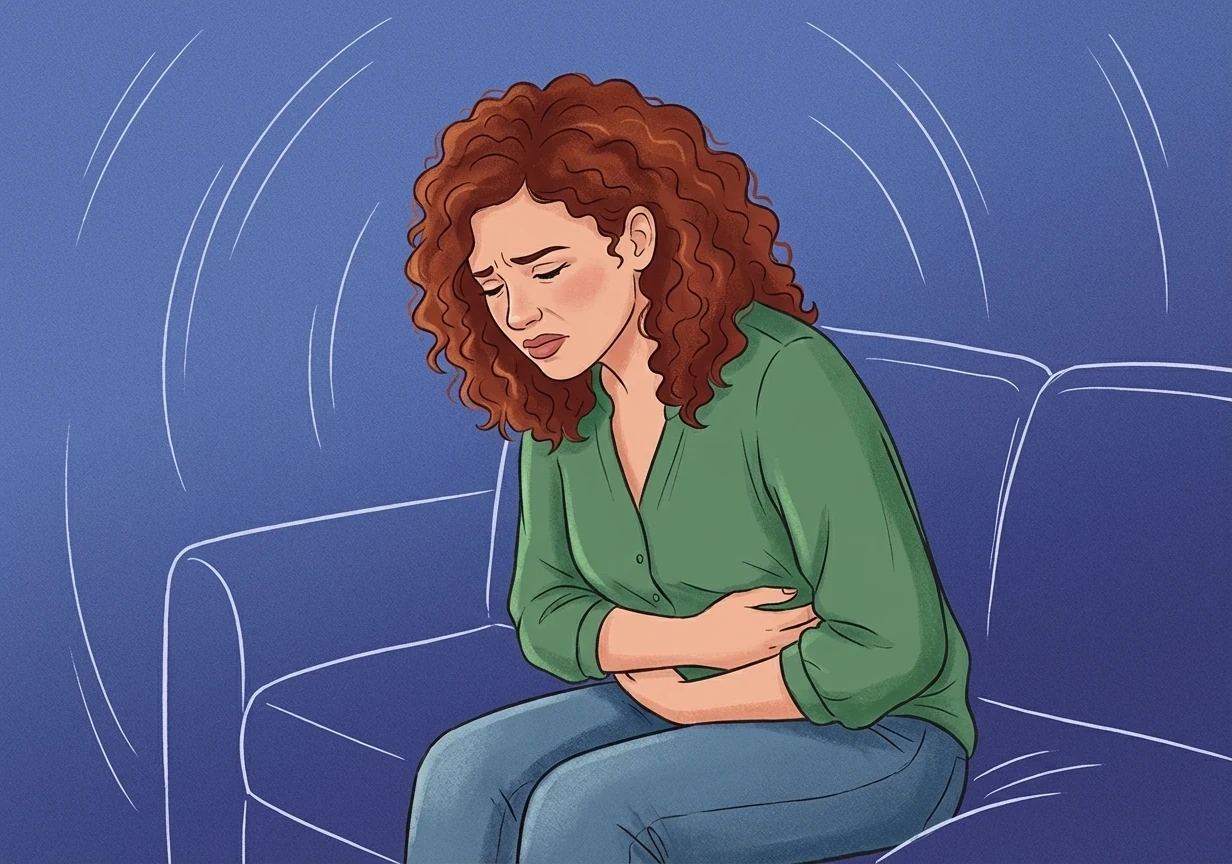
Hormonal imbalances can significantly affect the digestive system, leading to symptoms such as bloating, constipation, diarrhea, and abdominal pain. These symptoms are often linked to fluctuations in thyroid, sex, and stress hormones, which influence gastrointestinal motility and sensitivity123. Women, in particular, experience cyclical gastrointestinal changes related to menstrual phases, while stress hormones can exacerbate digestive discomfort through the brain-gut axis452. Understanding how hormones impact the belly is essential for effective treatment and symptom relief67.
Hormonal Effects on Digestion
Hormones play a crucial role in regulating digestive function by influencing gut motility, secretion, and sensitivity. Three main hormone groups—thyroid hormones, sex hormones, and stress hormones—are key players in causing belly problems.
Thyroid Hormones
The thyroid gland, located in the neck, produces thyroid hormones that regulate metabolism and gastrointestinal (GI) function18. These hormones control body temperature, mood, muscle strength, and weight, all of which indirectly affect digestion7.
- Hypothyroidism (low thyroid hormone levels) slows metabolism and gastrointestinal motility, often leading to constipation and weight gain due to decreased transit time through the gut187.
- Hyperthyroidism (excess thyroid hormones) accelerates metabolism and gastrointestinal transit, which can cause diarrhea, constipation, and weight loss187.
Thyroid imbalances disrupt normal digestive rhythms, making symptoms like constipation or diarrhea common in affected individuals18. Treatment targeting thyroid hormone levels can help restore normal GI function1.
Sex Hormones
Sex hormones, primarily estrogen and progesterone, regulate the menstrual cycle and influence gastrointestinal function, especially in women4910. These hormones modulate gut motility and sensitivity, contributing to various digestive symptoms.
- During the menstrual cycle, estrogen and progesterone levels fluctuate, with a sharp decrease at menstruation onset and a rise in estrogen during the follicular phase411.
- Elevated estrogen levels are associated with reduced gastrointestinal motility, which can cause bloating and constipation2123.
- Many women experience gastrointestinal symptoms such as bloating, abdominal pain, constipation, and diarrhea before or during their period41113.
- Postmenopausal women often have lower progesterone levels, which may contribute to constipation and other digestive issues13.
- Conditions like polycystic ovary syndrome (PCOS), characterized by high androgen levels, can also lead to abdominal weight gain and digestive symptoms14.
Sex hormones also interact with the gut microbiome, influencing inflammation and gut health, which adds complexity to hormone-related belly problems1516.
Stress Hormones
Stress hormones such as cortisol and adrenaline impact the digestive system by affecting the brain-gut axis27. Elevated stress hormone levels can alter gastrointestinal motility and sensitivity, leading to symptoms like bloating, constipation, diarrhea, nausea, and abdominal pain217.
- Chronic stress keeps cortisol levels high, which can promote fat storage around the abdomen and worsen digestive symptoms1819.
- Stress affects hormone balance and can exacerbate symptoms of irritable bowel syndrome (IBS) and other functional gastrointestinal disorders, particularly in women5202.
- The interplay between stress and sex hormones modulates digestive function and symptom severity25.
Managing stress is therefore a key component in alleviating hormone-related belly problems.
Treating Hormone-Related Belly Issues
Effective treatment of hormone-related digestive symptoms involves addressing the underlying hormonal imbalances and adopting lifestyle changes to support gut health.
Manage Your Stress
Reducing stress can significantly improve gastrointestinal symptoms linked to hormonal fluctuations217. Techniques to manage stress include:
- Aiming for 7-8 hours of quality sleep each night to support hormonal balance and digestive health1721.
- Engaging in relaxation activities such as meditation, massage, or reading7.
- Spending time outdoors, such as taking bike rides or walks, to reduce stress levels7.
- Consulting a mental health professional for guidance on coping strategies and stress management1721.
Stress reduction helps normalize cortisol levels, which can alleviate symptoms like bloating, constipation, and abdominal pain217.
Participate in Physical Activity
Regular physical activity positively influences hormone levels and gastrointestinal function17227. Exercise benefits include:
- Modulating sex hormone levels, potentially reducing bloating and constipation1722.
- Supporting metabolic health by regulating weight and glucose levels, indirectly improving gut motility1722.
- Enhancing overall digestive function and reducing stress-related symptoms1721.
Recommended activities include walking, cycling, and strength training, aiming for at least 150 minutes of moderate-intensity exercise per week1423.
Take Medication
Medical treatment may be necessary to correct hormonal imbalances causing digestive symptoms1247.
Hormonal belly is often misunderstood but can be effectively managed through a combination of lifestyle changes and medical treatment. Stress management, physical activity, and hormone therapy are key strategies to relieve digestive symptoms and improve quality of life17242.
- Thyroid hormone replacement therapy is prescribed for hypothyroidism to restore normal metabolism and GI motility187.
- Hormone replacement therapy (HRT), including estrogen and progestins, is often used to manage menopausal symptoms and associated gastrointestinal disturbances242526.
- In cases of hyperthyroidism, treatments may include medications to reduce thyroid hormone levels, radioiodine therapy, or surgery17.
- Medications to balance sex hormones may be recommended for conditions like PCOS or menopause-related symptoms14.
Treatment plans should be individualized and supervised by healthcare providers to optimize symptom relief and minimize side effects.
| Hormone Type | Effect on GI Tract | Common Symptoms | Treatment Approaches |
|---|---|---|---|
| Thyroid hormones | Regulate motility; hypo slows, hyper speeds | Constipation, diarrhea, weight changes | Hormone replacement, symptom management187 |
| Sex hormones | Modulate motility and sensitivity | Bloating, abdominal pain, constipation | Hormone therapy, lifestyle changes4224 |
| Stress hormones | Affect brain-gut axis | Abdominal pain, altered motility | Stress reduction, mental health support217 |
| Sources:17182324 | |||
Key Takeaways
- Hormones such as thyroid, sex, and stress hormones play a critical role in regulating digestion and can cause symptoms like bloating, constipation, diarrhea, and abdominal pain123.
- Thyroid imbalances affect metabolism and gut motility, with hypothyroidism slowing and hyperthyroidism speeding gastrointestinal transit18.
- Female sex hormones, especially estrogen and progesterone, influence gastrointestinal function and contribute to cyclical digestive symptoms in women4211.
- Stress hormones impact the brain-gut axis, exacerbating digestive symptoms; managing stress is essential for symptom relief217.
- Treatment involves lifestyle modifications such as stress reduction and physical activity, alongside medical therapies including hormone replacement and medications tailored to the specific hormonal imbalance24257.