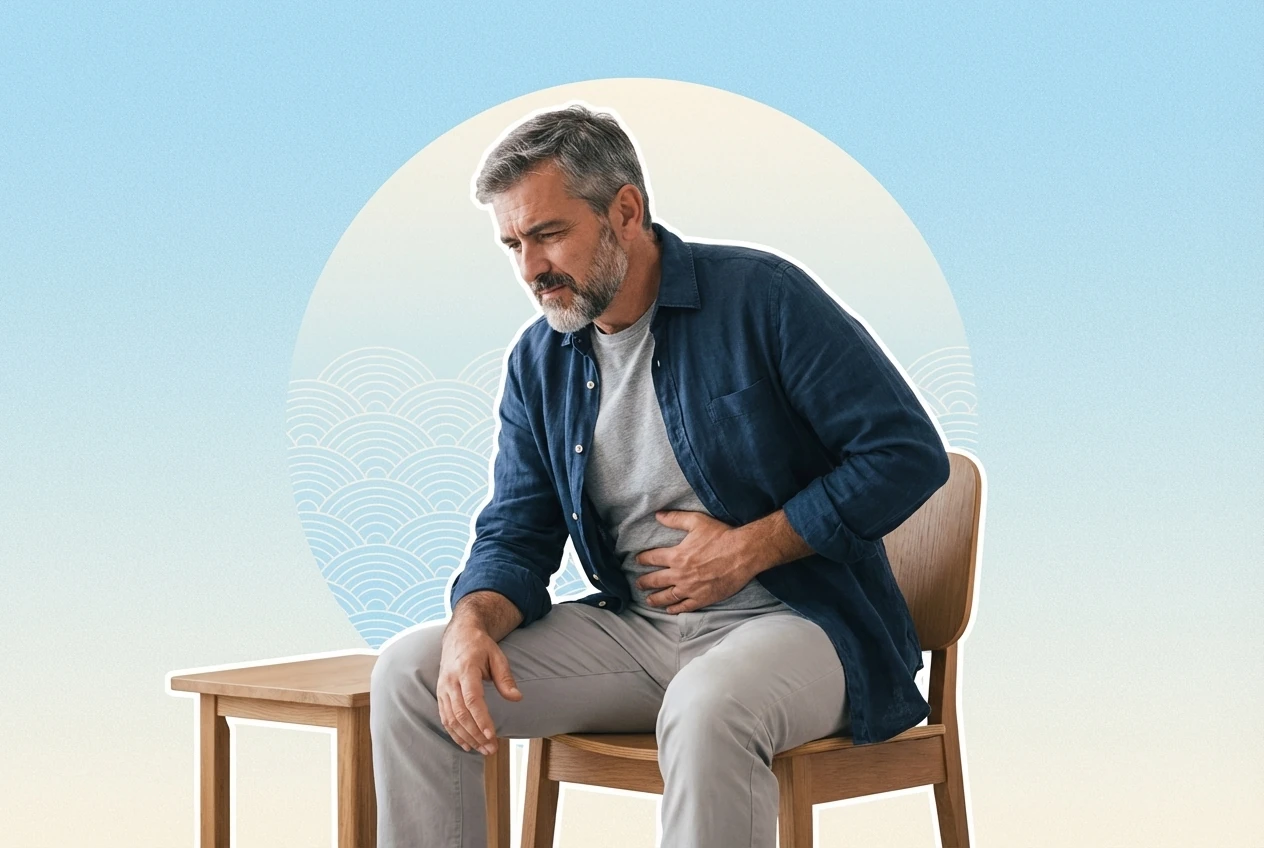
Ulcerative colitis (UC) is a chronic inflammatory bowel disease that affects the colon and can significantly disrupt daily life for patients and their loved ones1. Managing UC involves understanding its symptoms, triggers, and the impact it has on both physical and emotional well-being2. For those living with someone who has UC, awareness of factors such as stress, rest, and bathroom access is essential to provide effective support and improve quality of life3.
Stress and Ulcerative Colitis Flares
Psychological stress is a common and influential factor in ulcerative colitis. Many patients with UC experience anxiety and depression, which often correlate with increased disease activity and flare-ups4. Stress affects the gut by altering motility (the movement of the intestines), disrupting immune responses, and weakening the mucosal barrier that protects the colon lining56. These changes can trigger or worsen inflammation, leading to more frequent or severe flares7.
Research shows that stress is linked to increased relapse risk in UC patients, making stress management a critical part of holistic care6. Current clinical guidelines recommend incorporating stress reduction strategies to improve both mental health and disease outcomes7. Techniques such as physical activity, mindfulness, and relaxation exercises have been shown to reduce stress and enhance quality of life for those living with UC7.
Supporting someone with UC means recognizing how stress can affect their condition and encouraging healthy coping mechanisms. Emotional support, open communication, and patience can help reduce the psychological burden of the disease.
- Stress can worsen UC symptoms by impacting immune and gut function7.
- Anxiety and depression are more common in UC patients and often increase during active disease4.
- Stress reduction methods like exercise and mindfulness improve disease outcomes7.
- Caregivers' understanding of stress effects can aid in better disease management3.
- Encouraging social connections and support groups helps patients feel less isolated3.
“UC is a really complicated and isolating condition. Go easy on yourself, and don’t forget to care for your mental health, just as you would for your physical health. It’s OK to feel. It’s OK to get down, but don’t allow your condition to keep you down. You are a warrior; fight on.”
— Shawn Bethea3
Rest and Ulcerative Colitis Management
Adequate rest and good sleep quality are vital for managing ulcerative colitis effectively. Sleep disturbances are common among UC patients and have been linked to increased disease activity and symptom severity8. Poor sleep can lead to immune dysregulation and higher levels of inflammatory cytokines—proteins that promote inflammation—worsening the condition6.
“Pay attention to your body and go easy on yourself even though you might feel like your body is betraying you. Take time to rest. Ask for what you need.”
— UC patient since 20133
Clinical guidelines emphasize the importance of addressing sleep quality as part of comprehensive UC care9. Improving sleep hygiene—such as maintaining a regular sleep schedule, creating a restful environment, and avoiding stimulants before bedtime—can help reduce flare frequency and improve overall well-being8.
Rest is not only physical but also mental. Patients often benefit from pacing their activities and allowing time for recovery during flare-ups. Caregivers can support this by encouraging breaks and helping with daily tasks when needed.
- Sleep disturbances are linked to worsened UC symptoms and increased disease activity8.
- Poor sleep quality correlates with higher relapse rates in inflammatory bowel disease9.
- Immune system imbalance during poor sleep may increase inflammation6.
- Good sleep hygiene supports better disease management8.
- Rest and pacing activities help patients conserve energy and reduce symptom severity3.
Bathroom Access for Ulcerative Colitis
“You’re not alone. Technology and social media (along with local support groups) make it easy to connect with others willing to chat and who can relate. When you’re ready, go online and see what you can find, but always know that advice from your doctor and healthcare team should be prioritized.”
— UC patient since 20083
One of the most challenging symptoms of ulcerative colitis-treatmentcolitis-symptoms-causes-and-treatmentcolitis is bowel urgency—the sudden and urgent need to use the bathroom. Up to 85% of patients report urgency during active disease phases, which can severely impact social activities and quality of life10. Frequent bowel movements and urgency contribute to anxiety and stress, making ready access to bathrooms essential for patient comfort and emotional well-being1112.
Having reliable bathroom access reduces stress and helps patients manage their symptoms more effectively10. Caregivers play a crucial role by providing both practical support and emotional understanding, which improves coping and quality of life7. This support can include helping plan outings around bathroom availability, offering reassurance, and maintaining open communication about symptom needs.
- Bowel urgency is a frequent and disruptive symptom in UC, affecting up to 85% of patients during flares10.
- Urgency and increased stool frequency cause social anxiety and reduce quality of life11.
- Ready access to toilets lowers stress and improves psychosocial well-being10.
- Emotional and practical support from caregivers enhances patient coping7.
- Understanding and patience from loved ones help reduce the isolation caused by UC symptoms3.
- Plan outings with known bathroom locations in mind10.
- Encourage carrying emergency supplies such as wipes and extra clothing11.
- Support flexible scheduling to accommodate symptom unpredictability12.
- Maintain open, non-judgmental communication about needs and challenges7.
- Advocate for workplace or school accommodations when necessary3.