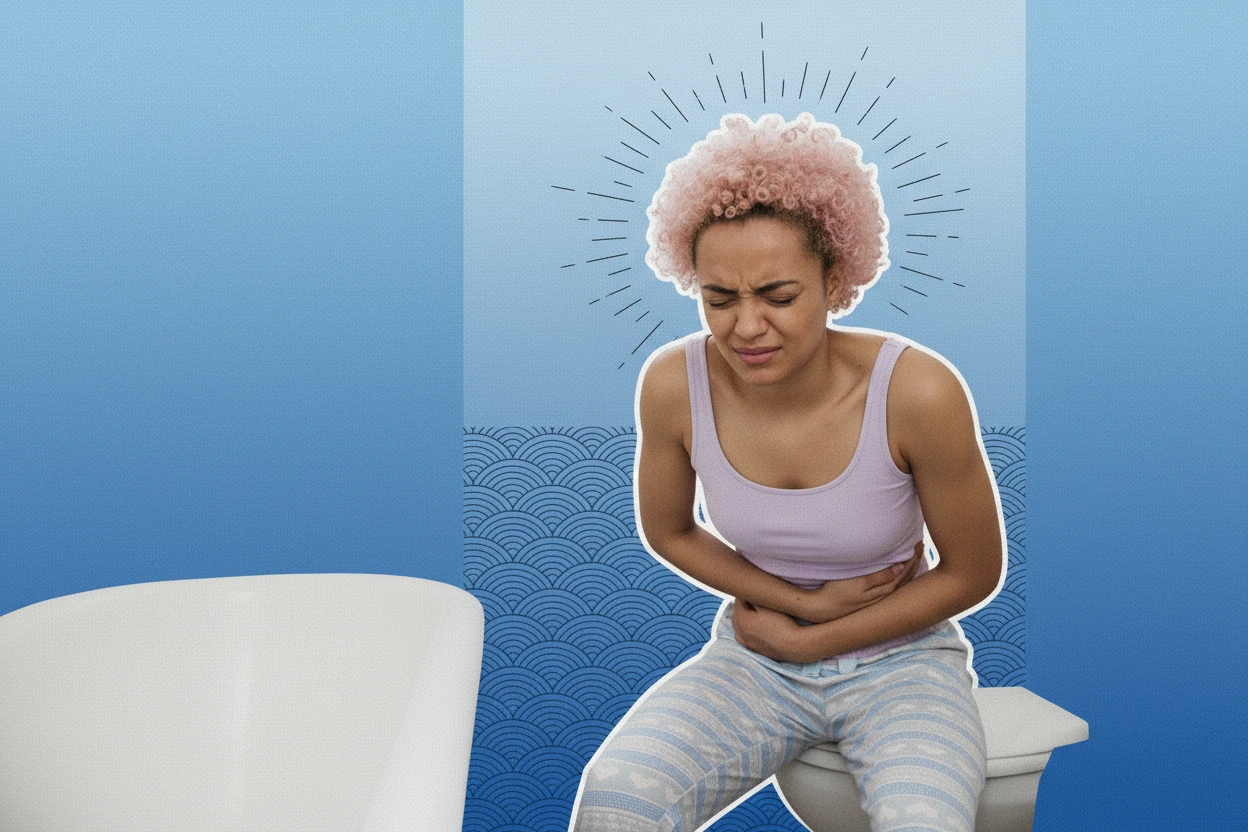
endometriosis-stages-symptoms-and-treatment">Endometriosis affects approximately 7–10% of women of reproductive age worldwide, causing chronic pelvic pain and infertility that can significantly impair quality of life12. This estrogen-dependent inflammatory condition involves the growth of endometrial-like tissue outside the uterus, leading to symptoms such as painful menstruation, dyspareunia, and organ dysfunction34. Effective management requires a personalized approach combining medication, surgery, and supportive therapies tailored to symptom severity and reproductive goals56.
Medication Treatments for Endometriosis
Medical management of endometriosis aims primarily to control pain and suppress disease progression by modulating hormonal and inflammatory pathways. Treatment choice depends on symptom severity, fertility desires, and patient comorbidities57.
Pain Relievers
Nonsteroidal anti-inflammatory drugs (NSAIDs) are commonly used as first-line agents to alleviate mild to moderate endometriosis-associated pain by reducing inflammation78. Over-the-counter options such as ibuprofen and naproxen sodium can help manage painful menstrual cramps and pelvic discomfort9. However, evidence for NSAIDs specifically reducing endometriosis pain is limited, and some patients may require stronger prescription analgesics if symptoms persist82.
Birth Control
Hormonal contraceptives are a cornerstone of endometriosis treatment for patients not seeking immediate fertility. Combined oral contraceptives (COCs), containing estrogen and progestin, regulate menstrual cycles, suppress ovulation, and induce decidualization or atrophy of endometriotic lesions, thereby reducing pain and lesion progression71011. These are available in various forms, including pills, patches, and vaginal rings, and can be administered continuously to improve symptom control116.
Progestin-only contraceptives, such as oral progestins, depot injections, implants, or levonorgestrel-releasing intrauterine systems, also inhibit lesion growth and angiogenesis, providing effective pain relief with a favorable safety profile1011. These are suitable alternatives for patients with contraindications to estrogen10.
Gonadotropin-Releasing (Antagonists and Agonists) Hormone
Gonadotropin-releasing hormone (GnRH) agonists and antagonists suppress ovarian hormone production, inducing a hypoestrogenic state that leads to regression of endometriotic tissue and symptom relief476. GnRH agonists initially cause a hormone flare but subsequently downregulate pituitary receptors, while antagonists competitively block receptors without flare36.
GnRH agonists are typically limited to six months of use due to side effects such as hot flashes, mood changes, and bone mineral density loss; add-back therapy with low-dose estrogen and progestin can mitigate these adverse effects and extend treatment duration46. Oral GnRH antagonists like elagolix and relugolix offer dose-dependent symptom control with improved tolerability and rapid onset of action36.
Progesterone and Progestin
Progesterone and synthetic progestins play a key role in managing endometriosis by inhibiting ovulation, inducing decidualization, and altering estrogen receptor expression to reduce lesion growth and inflammation710. Various formulations, including oral, injectable, implantable, and intrauterine devices, provide flexible options for symptom control10.
Progestin therapy effectively decreases pelvic pain and dysmenorrhea, with levonorgestrel-releasing intrauterine systems showing high patient satisfaction despite not suppressing ovulation1011. Side effects may include breakthrough bleeding, mood changes, and breast tenderness11.
Surgical Procedures for Endometriosis
Surgical intervention is considered when medical management fails to adequately control symptoms or when immediate diagnosis and treatment are needed, particularly in cases of severe pain or infertility1012.
Laparoscopy
Laparoscopy is the preferred minimally invasive surgical approach for diagnosing and treating endometriosis12105. It involves small abdominal incisions through which a laparoscope and surgical instruments are inserted to visualize, excise, or ablate endometriotic lesions and adhesions1210. This technique preserves reproductive organs and minimizes complications compared to open surgery1314.
Surgical removal of lesions and adhesions can reduce pain and improve fertility outcomes, especially in patients with minimal to mild disease1012. However, repeated surgeries should be avoided to prevent damage to reproductive structures and reduce risks10. Laparoscopic surgery is performed under general anesthesia and may utilize advanced technologies such as robotic assistance and fluorescence imaging to enhance precision15.
Laparotomy
Laparotomy, an open surgical procedure involving a larger abdominal incision, is rarely used and reserved for complex cases where extensive disease or adhesions require more invasive access1210. While it allows thorough excision, laparotomy carries higher morbidity and longer recovery times compared to laparoscopy12.
IVF for Endometriosis-Related Infertility
Endometriosis can impair fertility through inflammation, adhesions, and damage to fallopian tubes and ovaries216. Assisted reproductive technologies, particularly in vitro fertilization (IVF), are effective options to overcome infertility associated with endometriosis10.
IVF involves controlled ovarian stimulation, egg retrieval, fertilization outside the body, and embryo transfer to the uterus210. While IVF improves pregnancy rates, it does not treat endometriosis pain or lesion progression, so concurrent symptom management remains necessary210. Surgical treatment may be beneficial before IVF in patients with minimal to mild disease but is less effective in advanced cases or when other infertility factors exist10.
Complementary and Alternative Therapies
Complementary and alternative medicine (CAM) therapies are increasingly used as adjuncts to conventional treatment, although high-quality evidence supporting their efficacy is limited1017. Common CAM approaches include acupuncture, massage, and traditional Chinese medicine (TCM) herbal treatments17.
Acupuncture may reduce pelvic pain and lower CA-125 levels, a biomarker often elevated in endometriosis, according to some studies17. Massage therapy can alleviate pain by addressing scar tissue and muscle tension17. Certain TCM herbs are theorized to improve mcv blood test results meaning and normal range flow and reduce pain, with some research suggesting comparable efficacy to hormonal treatments17. Further rigorous studies are needed to confirm these benefits and guide clinical recommendations17.
Lifestyle Changes for Endometriosis
Lifestyle interventions can complement medical and surgical treatments by improving overall well-being and reducing symptom severity1817. Endometriosis-related chronic pain often disrupts daily activities, work, and education, making supportive lifestyle changes important1018.
“Endometriosis is extremely debilitating. The impact on patients’ lives is huge, affecting their interpersonal relationships, ability to hold a job, have a family, and maintain psychological wellbeing.”
— Linda Giudice, MD, PhD, MSc, University of California, San Francisco19
Recommended lifestyle strategies include:
- Adopting an anti-inflammatory diet rich in fruits, vegetables, and omega-3 fatty acids to reduce systemic inflammation1817.
- Engaging in regular light to moderate exercise such as walking or yoga to improve circulation and decrease pain10.
- Prioritizing good sleep hygiene to address common sleep disturbances that exacerbate pain and psychological distress10.
- Stress management techniques to support mental health and pain coping18.
These non-pharmacological approaches are adjuncts and should not replace medical or surgical care but may enhance quality of life1817.
Living With and Managing Endometriosis
Endometriosis is a chronic condition with multifaceted impacts on physical, emotional, and social well-being18. Early diagnosis and individualized treatment are essential to mitigate disease progression and improve quality of life1018.
The chronic pain and infertility associated with endometriosis can lead to psychological challenges, including depression and anxiety10. Mental health support, such as cognitive-behavioral therapy and peer support groups, is recommended to address these burdens1817. Multidisciplinary care models integrating gynecologists, pain specialists, mental health professionals, and physical therapists are increasingly advocated to meet complex patient needs18.