Irritable bowel syndrome with menopause-diet-hormone-balancing-foods-and-nutrient-sourcesmenopause-treatment-options-and-managementmenopause-symptomsconstipation (IBS-C) affects about 2.8% of the general population, with a higher prevalence among females and younger adults12. This chronic gastrointestinal disorder is characterized by recurrent abdominal pain and changes in bowel habits, primarily constipation3. Diagnosis relies on symptom history and physical examination, as no single test confirms IBS-C4. Treatment focuses on symptom relief through dietary, lifestyle, and pharmacologic interventions tailored to individual needs567.
IBS-C Symptoms: Chronic Constipation, Abdominal Pain & Bloating
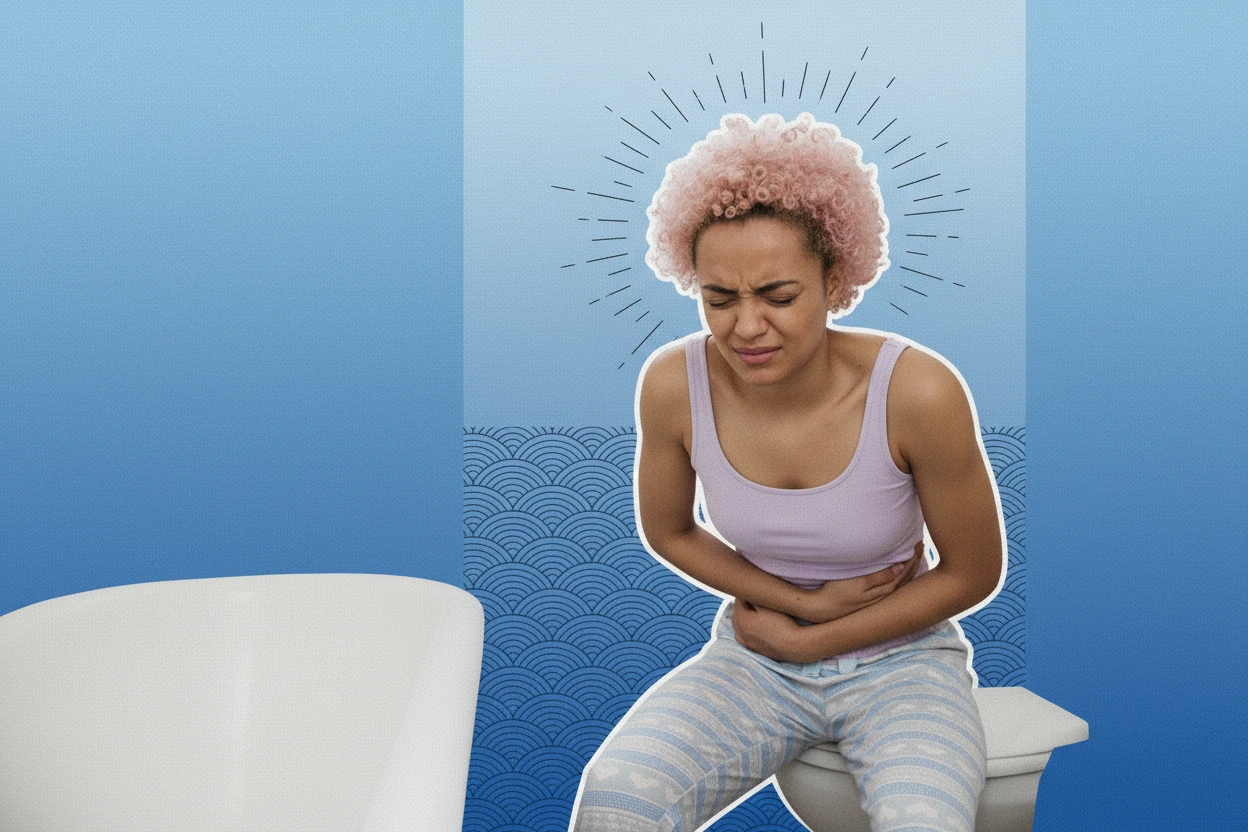
IBS-C is marked by infrequent and difficult bowel movements, often producing hard or dry stools8. Patients typically report hard, pellet-like stools every few days, frequently preceded by abdominal bloating8. Abdominal discomfort and pain are hallmark symptoms and can vary in intensity9. Other common symptoms include straining during defecation and a sensation of incomplete evacuation810. Bloating and excessive gas often accompany these symptoms, contributing to significant discomfort1.
Symptom relief often occurs temporarily after a bowel movement, but symptoms tend to recur10. Unlike simple constipation, IBS-C is associated with notable abdominal pain and bloating, which may not be present in other constipation disorders11. Patients may also experience feelings of fullness and upper gastrointestinal symptoms alongside constipation12.
What Causes IBS-C? Understanding Underlying Factors & Triggers
The exact cause of IBS-C remains unclear, but it is considered a multifactorial disorder involving abnormal gastrointestinal (GI) motility, visceral hypersensitivity, and psychosocial factors13. Alterations in the gut microbiota composition, known as gut dysbiosis, play a significant role in IBS-C pathophysiology by affecting intestinal motility and stool consistency1415. Delayed colonic transit time increases water absorption in the colon, leading to harder stools and constipation10. Dietary factors, including low fiber intake and food sensitivities, also contribute to symptom severity1610.
- Female sex: Women are disproportionately affected by IBS-C compared to men2.
- Younger age: IBS-C is more prevalent in younger adults but can occur at any age2.
- Genetic predisposition: Family history may increase individual risk11.
- Psychosocial factors: Anxiety, depression, and stress can exacerbate symptoms12.
- Dietary habits: Low intake of dietary fiber and sensitivity to certain foods worsen constipation and bloating1610.
Diagnosing IBS-C: Criteria, Tests & When to See a Doctor
Diagnosis of IBS-C is primarily clinical, based on symptom criteria and physical examination17. The Rome IV criteria are the current standard for diagnosing IBS and its subtypes, including IBS-C3.
A thorough medical history is essential, focusing on the frequency, consistency, and difficulty of bowel movements, as well as abdominal pain and bloating4. The Rome IV criteria define IBS by recurrent abdominal pain occurring at least one day per week in the last three months, associated with two or more of the following: pain related to defecation, change in stool frequency, or change in stool form318. Physical examination includes abdominal palpation to assess for tenderness or masses17.
While no definitive test confirms IBS-C, additional investigations may be performed to exclude other gastrointestinal diseases such as inflammatory bowel disease or celiac disease1920. These tests can include:
- Laboratory tests to rule out inflammation or malabsorption19.
- Colonoscopy for patients with alarm features (e.g., weight loss, rectal bleeding) or inadequate cancer screening2018.
- Breath tests for lactose intolerance or bacterial overgrowth when indicated20.
- Imaging studies like CT scans or upper endoscopy may be used to exclude other conditions20.
A positive diagnostic strategy based on symptom history and exclusion of other diseases is cost-effective and preferred over extensive exclusion testing21.
The diagnosis is based on a thorough medical history and physical exam. Doctors use a tool called the Rome criteria, a list of specific symptoms and factors that can help determine if someone has IBS-C. The most important of these criteria include the presence of abdominal pain or discomfort and change in bowel habits4.
IBS-C Treatment Options: Medications, Dietary Changes & Therapies
Treatment for IBS-C aims to alleviate symptoms and improve quality of life, as no definitive cure exists13. Management is personalized based on symptom severity and patient preferences10.
Increasing dietary fiber intake is a cornerstone of IBS-C management16. Soluble fibers such as inulin and psyllium are preferred, as they improve stool consistency and frequency without worsening symptoms2210. Fiber supplements can be effective in promoting bowel regularity10. A low-FODMAP diet, which restricts fermentable oligosaccharides, disaccharides, monosaccharides, and polyols, can reduce bloating and constipation symptoms in the short term2311. This diet involves an elimination phase followed by gradual reintroduction of foods to identify triggers23.
Other dietary recommendations include:
- Drinking adequate fluids, such as prune juice, to aid bowel movements10.
- Avoiding foods that exacerbate symptoms, including gluten and high-FODMAP items11.
Lifestyle modifications complement dietary interventions and can improve symptom control23. Key recommendations include:
- Regular physical activity to stimulate intestinal motility23.
- Stress management techniques, such as meditation or yoga, to reduce symptom exacerbation23.
- Ensuring adequate sleep to support overall gut health23.
- Using a footstool to mimic a squatting position during defecation, which improves anorectal angle and facilitates easier bowel movements510.
When lifestyle and dietary changes are insufficient, pharmacologic treatments may be necessary567. Options include:
- Fiber supplements as first-line therapy24.
- Osmotic laxatives (e.g., polyethylene glycol) to soften stools and increase bowel movements24.
- Stimulant laxatives (e.g., senna) under medical supervision1024.
- Prosecretory agents such as linaclotide and tenapanor, which increase intestinal fluid secretion and improve stool passage6721.
- Antispasmodics to reduce gut spasms and abdominal pain11.
- Tricyclic antidepressants (TCAs) and selective serotonin reuptake inhibitors (SSRIs) may help modulate pain and address psychological comorbidities2111.
- Probiotics containing strains like Bifidobacterium and Lactobacillus may improve stool frequency and consistency, though evidence is mixed11.
IBS is a condition that continues to challenge patients to find a treatment that consistently works for them25.
| Medication Type | Mechanism | Notes | Source(s) |
|---|---|---|---|
| Fiber Supplements | Increase stool bulk and soften stool | First-line treatment | 2410 |
| Osmotic Laxatives | Draw water into colon | Used if fiber insufficient | 24 |
| Prosecretory Agents | Increase intestinal fluid secretion | Linaclotide, tenapanor approved agents | 67 |
| Antispasmodics | Relax GI smooth muscle | Reduce abdominal pain | 11 |
| Antidepressants (TCAs, SSRIs) | Modulate pain and mood | Useful for pain and psychological symptoms | 2111 |
Related Health Conditions: Comorbidities & Differential Diagnoses with IBS-C
IBS-C often coexists with other health issues that can worsen symptom severity and complicate management. Common comorbidities include:
- Mental health disorders such as anxiety and depression, which can exacerbate IBS-C symptoms12.
- Dyspepsia (indigestion), frequently seen in IBS-C patients, contributing to upper GI symptoms like fullness and bloating12.
- Chronic constipation severity correlates with pelvic floor symptom distress, although pelvic floor dyssynergia is not always present26.
These overlapping conditions highlight the importance of a comprehensive, multidisciplinary approach to care12.
Living With IBS-C: Managing Daily Life, Diet & Stress
Living with IBS-C can be challenging due to fluctuating symptoms and their impact on daily life13. Patients often experience significant disruptions in personal and professional activities, with symptoms interfering with productivity and social engagement25. Psychological distress is common and may worsen symptom severity12.
Effective management involves ongoing communication with healthcare providers to tailor treatments and address both physical and mental health needs17. Lifestyle adjustments, including stress reduction, regular exercise, and adequate sleep, support symptom control23. Patients are encouraged to track symptoms and triggers to optimize management strategies11.
Frequently Asked Questions About IBS-C (Irritable Bowel Syndrome with Constipation)
What is the difference between IBS-C and chronic functional constipation?
IBS-C involves abdominal pain and bloating along with constipation, whereas chronic functional constipation primarily features constipation without significant pain or bloating11. IBS-C patients also report more upper GI symptoms and psychological distress12.
Can IBS-C and congenital sucrase-isomaltase deficiency (CSID) occur together?
Yes, although rare, patients may have both IBS-C and CSID, a genetic enzyme deficiency affecting sugar digestion. Separate diagnostic tests are required to confirm both conditions11.
Is there a cure for IBS-C?
Currently, there is no cure for IBS-C. Treatment focuses on managing symptoms through diet, lifestyle changes, and medications to improve quality of life1311.
How is IBS-C diagnosed?
Diagnosis is based on symptom history, physical examination, and exclusion of other conditions using criteria like Rome IV. No single test confirms IBS-C34.
What treatments are available for IBS-C?
Treatment includes increasing dietary fiber, lifestyle modifications, and medications such as laxatives, prosecretory agents, antispasmodics, and sometimes antidepressants. Probiotics may also help some patients567.