Blood sugar, or blood glucose, is the main sugar found in the bloodstream and serves as the body's primary energy source1. Maintaining blood sugar within a healthy range is essential for overall metabolic health and helps prevent serious complications such as cardiovascular disease and nerve damage12. Understanding how blood sugar works, what levels indicate health or disease, and how to monitor and manage it can empower individuals to maintain optimal health13.
Understanding Blood Sugar
Blood glucose originates primarily from the carbohydrates we consume in our diet1. When we eat, the body breaks down carbohydrates into glucose, which enters the bloodstream and is transported to cells to provide energy1. The pancreas plays a crucial role in regulating blood sugar by releasing two key hormones: insulin and glucagon1. Insulin helps cells absorb glucose, lowering blood sugar levels, while glucagon raises blood sugar by signaling the liver to release stored glucose when levels are low1.
The type of carbohydrate consumed affects blood sugar response. Simple carbohydrates, such as sugars and refined grains like white bread and rice, are digested quickly, causing rapid increases in blood glucose1. In contrast, complex carbohydrates found in whole grains, fruits, legumes, and vegetables digest more slowly, leading to a gradual and sustained release of glucose1. This balance helps maintain glucose homeostasis, keeping blood sugar within a narrow, healthy range415.
Interpreting Blood Sugar Levels
What is a normal blood sugar level?
In healthy adults, fasting blood glucose typically ranges from 70 to 99 mg/dL61. After meals, blood sugar naturally rises but should remain below 140 mg/dL two hours postprandially (after eating)61. These levels ensure that the body has enough energy without causing damage from excessive glucose13.
The hemoglobin A1C test measures average blood sugar over the past two to three months by assessing the percentage of glucose attached to hemoglobin in red blood cells78. An A1C below 5.7% is considered normal, indicating good long-term glucose control7.
What does it mean to have high blood sugar levels?
High blood sugar, or hyperglycemia, occurs when blood glucose levels exceed normal ranges, such as fasting glucose of 100 mg/dL or higher and postprandial glucose above 140 mg/dL619. Prediabetes is defined by fasting glucose between 100 and 125 mg/dL or an A1C between 5.7% and 6.4%, indicating increased risk for developing type 2 diabetes107. Diabetes is diagnosed when fasting glucose is 126 mg/dL or higher, post-meal glucose is 200 mg/dL or higher, or A1C is 6.5% or above on two separate tests711.
Hyperglycemia can initially be asymptomatic but may cause symptoms such as excessive thirst, frequent urination, fatigue, blurred vision, and dry mouth138. Persistently high blood sugar damages blood vessels and nerves, increasing risks of heart disease, stroke, kidney disease, retinopathy, and neuropathy173.
What does it mean to have low blood sugar levels?
Low blood sugar, or hypoglycemia, is generally defined as blood glucose below 70 mg/dL in people with diabetes, though individual thresholds may vary18. It can occur due to missed meals, excessive insulin or medication, increased physical activity, or alcohol consumption12. Symptoms often develop quickly and include shakiness, sweating, hunger, dizziness, irritability, blurred vision, and confusion138.
Hypoglycemia is more common in people with type 1 diabetes and those with type 2 diabetes on insulin or certain medications1. If untreated, severe hypoglycemia can lead to fainting, seizures, or coma, making prompt recognition and treatment critical112.
Monitoring Your Blood Sugar
Monitoring blood sugar is essential for identifying abnormal glucose levels and guiding treatment111. The most common methods include:
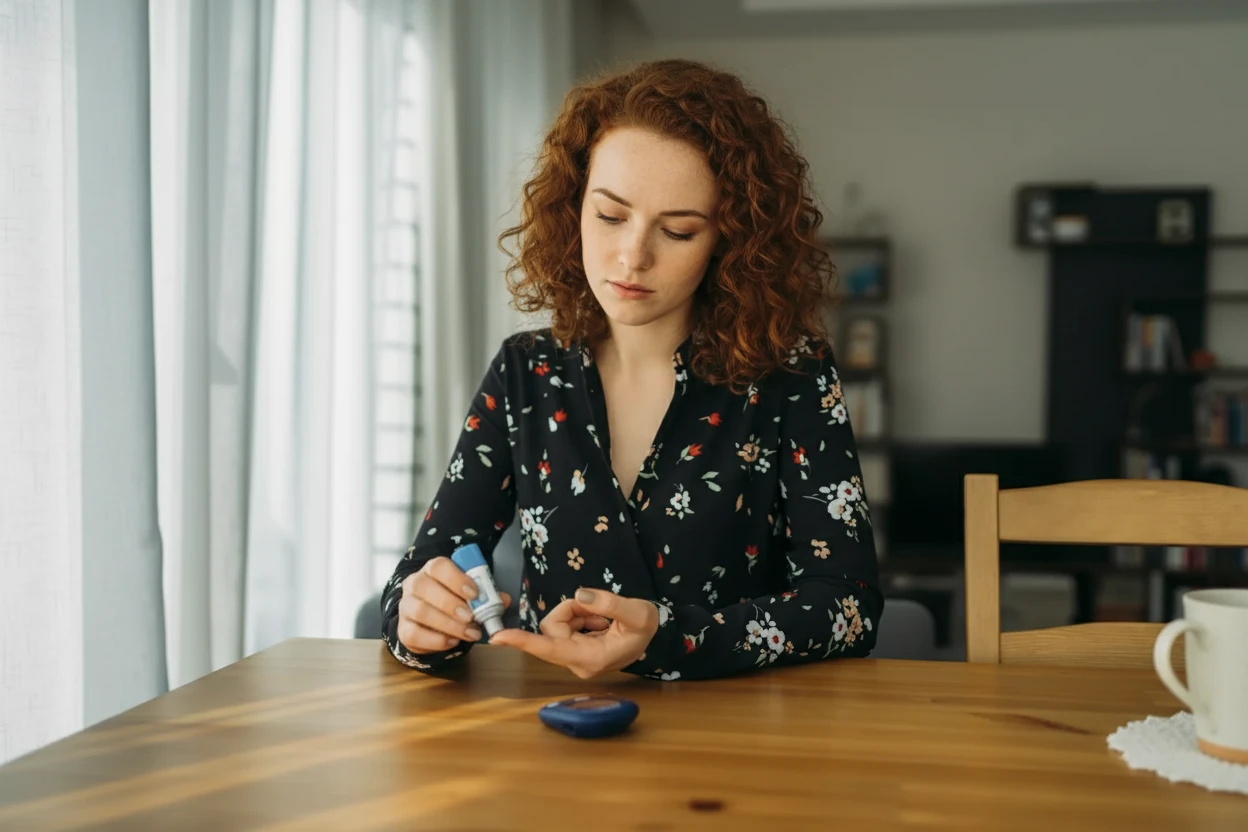
- Fingerstick glucose meters: These devices use a small blood sample from a fingertip to provide immediate glucose readings111.
- Continuous glucose monitors (CGMs): CGMs use a sensor inserted under the skin to measure interstitial glucose every few minutes, offering real-time data and trends1131.
- Hemoglobin A1C tests: Performed in clinical settings, A1C tests reflect average blood sugar over 2–3 months and complement daily monitoring78.
Proper technique, such as handwashing before fingerstick testing, is important to ensure accurate results1. Frequency of monitoring depends on individual health status and treatment plans; people with insulin-dependent diabetes often test multiple times daily, while others may test less frequently112.
Managing and Treating Blood Sugar
How to Maintain Normal Blood Sugar Levels
Maintaining blood sugar within a healthy range relies heavily on lifestyle choices. Key strategies include:
- Eating balanced meals rich in fiber, whole grains, fruits, vegetables, lean proteins, and healthy fats to slow glucose absorption and prevent spikes172.
- Engaging in regular aerobic physical activity, which improves insulin sensitivity and helps lower blood sugar12.
- Avoiding isolated carbohydrate intake and combining carbs with protein and fat to reduce rapid glucose rises1.
- Maintaining a healthy weight through diet and exercise to reduce insulin resistance and risk of diabetes102.
- Managing stress and getting adequate sleep, as stress hormones can impair insulin function and raise blood sugar212.
Professional support from diabetes educators and dietitians enhances adherence to these habits and improves outcomes1.
Treatments for High Blood Sugar
When lifestyle changes are insufficient, medical treatments may be necessary to control high blood sugar:
- Oral medications: These include drugs that increase insulin secretion, improve insulin sensitivity, or reduce glucose production by the liver7.
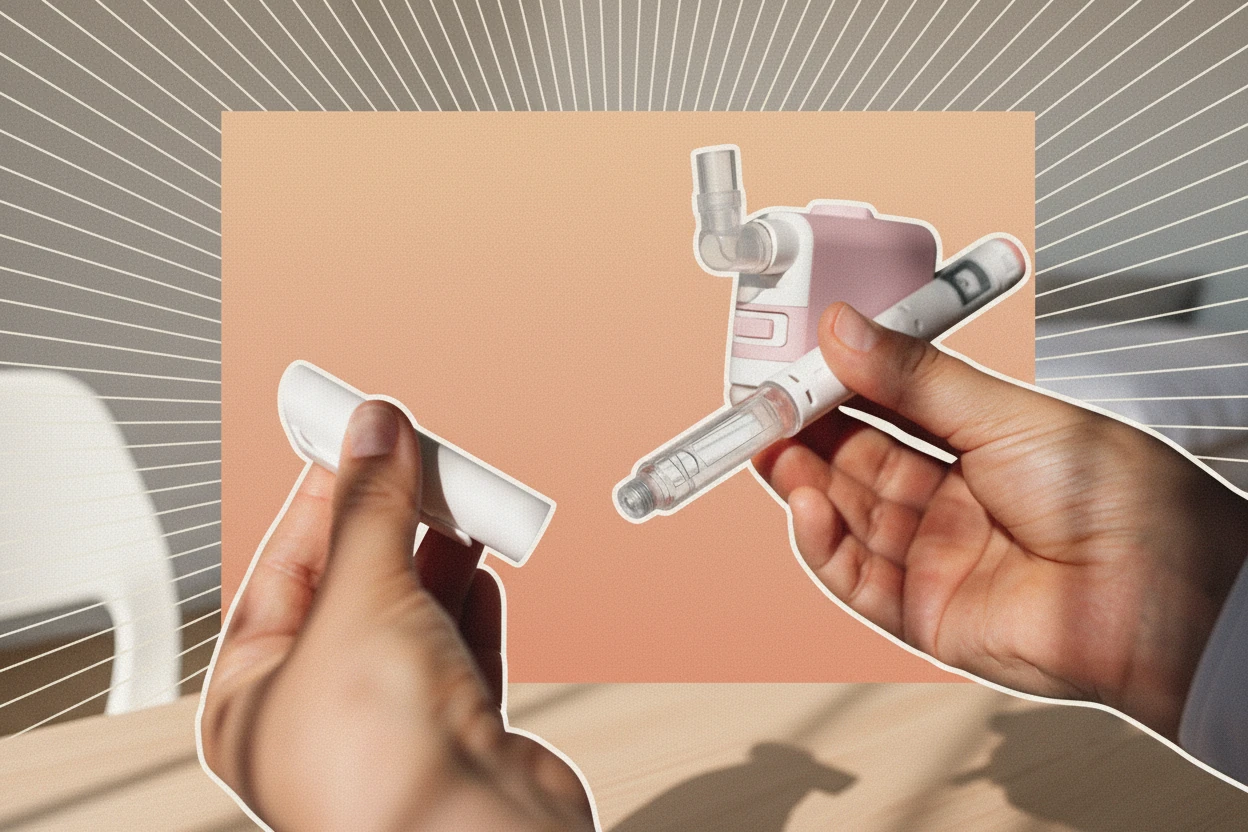
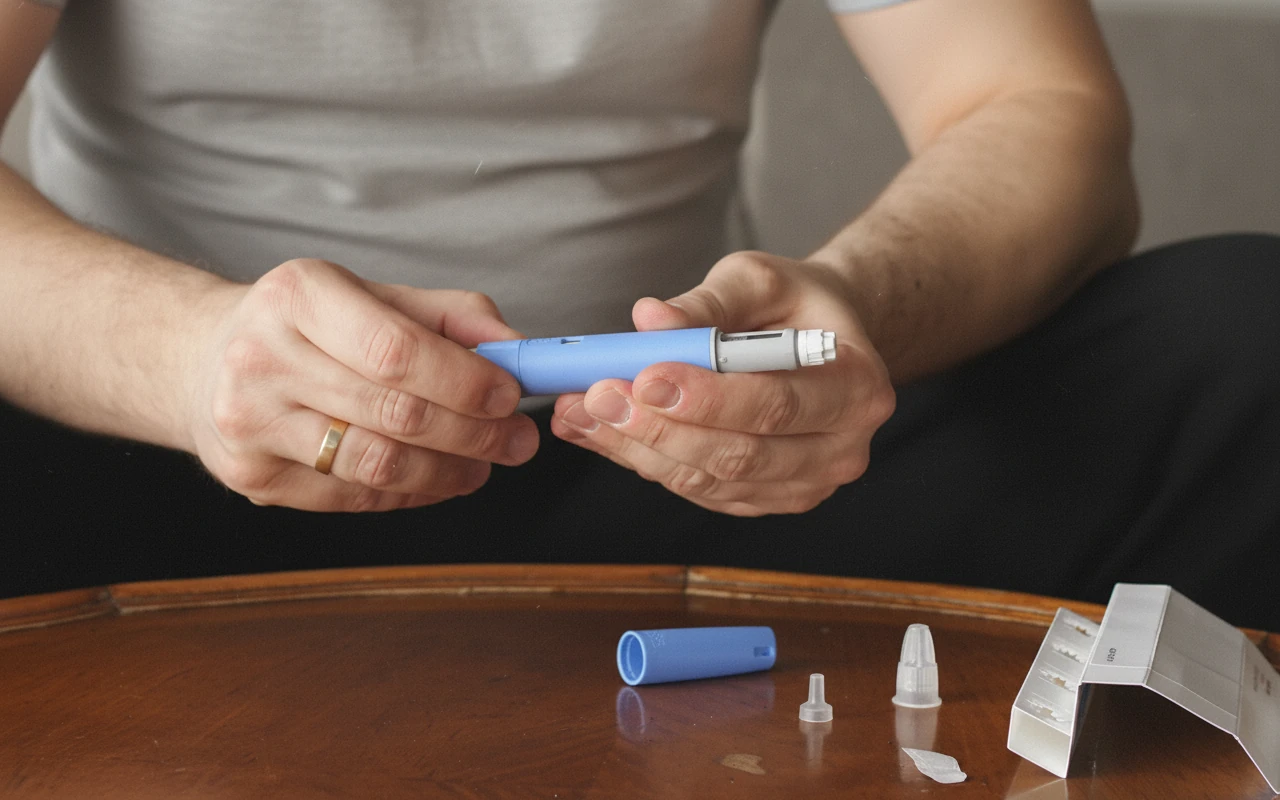
- Insulin therapy: Required for type 1 diabetes and sometimes for type 2 diabetes, insulin is administered via injections or pumps to regulate blood sugar7.
- Continuous glucose monitoring: CGMs help detect glucose variability and guide insulin dosing adjustments17.
- Regular medical follow-up: Monitoring A1C and blood glucose patterns allows healthcare providers to tailor treatment plans and prevent complications17.
In some cases, bariatric surgery may be considered for obese individuals with type 2 diabetes to improve blood sugar control7.
Treatments for Low Blood Sugar
“High blood sugar is very dangerous in the long term because it damages blood vessels and nerves, increasing the risk of infection. Chronically high blood sugar levels can affect vision and lead to peripheral neuropathy, which is loss of sensation in the feet and/or hands due to nerve damage. Damaged blood vessels can increase the risk of heart attacks, strokes, and peripheral vascular disease.”
— Dr. Wood, Northeast Medical Group Endocrinologist3
Prompt treatment of hypoglycemia is vital to prevent serious complications. Key steps include:
- Consuming fast-acting carbohydrates such as fruit juice, glucose tablets, or regular soda to quickly raise blood sugar112.
- Monitoring blood sugar levels frequently after treatment to ensure recovery1.
- Educating patients and caregivers on recognizing symptoms and managing hypoglycemia emergencies112.
- Using glucagon kits for severe hypoglycemia when the person cannot safely consume carbohydrates orally7.
- Adjusting diabetes medications and meal plans to reduce the risk of future low blood sugar episodes1.
Key Takeaways
- Blood sugar is the body's main energy source and is tightly regulated by diet, hormones, and cellular uptake1.
- Normal fasting blood glucose ranges from 70 to 99 mg/dL, with post-meal levels under 140 mg/dL considered healthy61.
- High blood sugar (hyperglycemia) increases risks of serious complications and requires lifestyle and medical management17.
- Low blood sugar (hypoglycemia) can be dangerous and needs immediate treatment with fast-acting carbohydrates112.
- Regular monitoring using fingerstick meters, CGMs, and A1C tests helps maintain blood sugar within target ranges17.
- Lifestyle modifications including balanced diet, exercise, weight management, and stress reduction are foundational for blood sugar control1012.