Type 2 diabetes affects over 400 million people worldwide and is characterized by chronic high blood sugar due to insulin resistance and impaired pancreatic function1. Regular physical activity is a cornerstone therapy that improves blood glucose control, reduces cardiovascular risks, and enhances overall metabolic health2. Engaging in exercise throughout the day, even in brief sessions, can significantly improve glycemic outcomes and help manage type 2 diabetes-best-and-worst-foodsdiabetes-best-and-worst-foodsdiabetes-mellitus-symptoms-causes-and-treatmentdiabetes-mellitus-symptoms-causes-and-treatmentdiabetes effectively34. Understanding the best exercise strategies, including timing and types of activities, is crucial for optimizing diabetes management.
Exercise for Type 2 Diabetes Management: Blood Sugar Control, Weight Loss & Health Benefits
Type 2 diabetes is marked by insulin resistance, where muscle cells do not respond properly to insulin, leading to elevated blood glucose and increased pancreatic insulin secretion that declines over time2. Physical activity improves glycemic control by enhancing insulin action and reducing the risk of cardiovascular complications and neuropathy2. Both aerobic and resistance exercises play vital roles in managing type 2 diabetes.
Aerobic exercise increases glucose uptake in muscles through insulin-dependent and independent pathways, reduces inflammation, and improves metabolic health56. Resistance training builds muscle mass, which contributes to better glucose disposal and insulin sensitivity2. Combining these exercise types maximizes glucose control benefits regardless of exercise timing72.
Starting with consistent physical activity is critical, with gradual progression to more structured programs for enhanced benefits4. Additionally, breaking up sedentary time with frequent movement throughout the day supports better blood glucose regulation2.
To summarize, effective exercise management for type 2 diabetes includes:
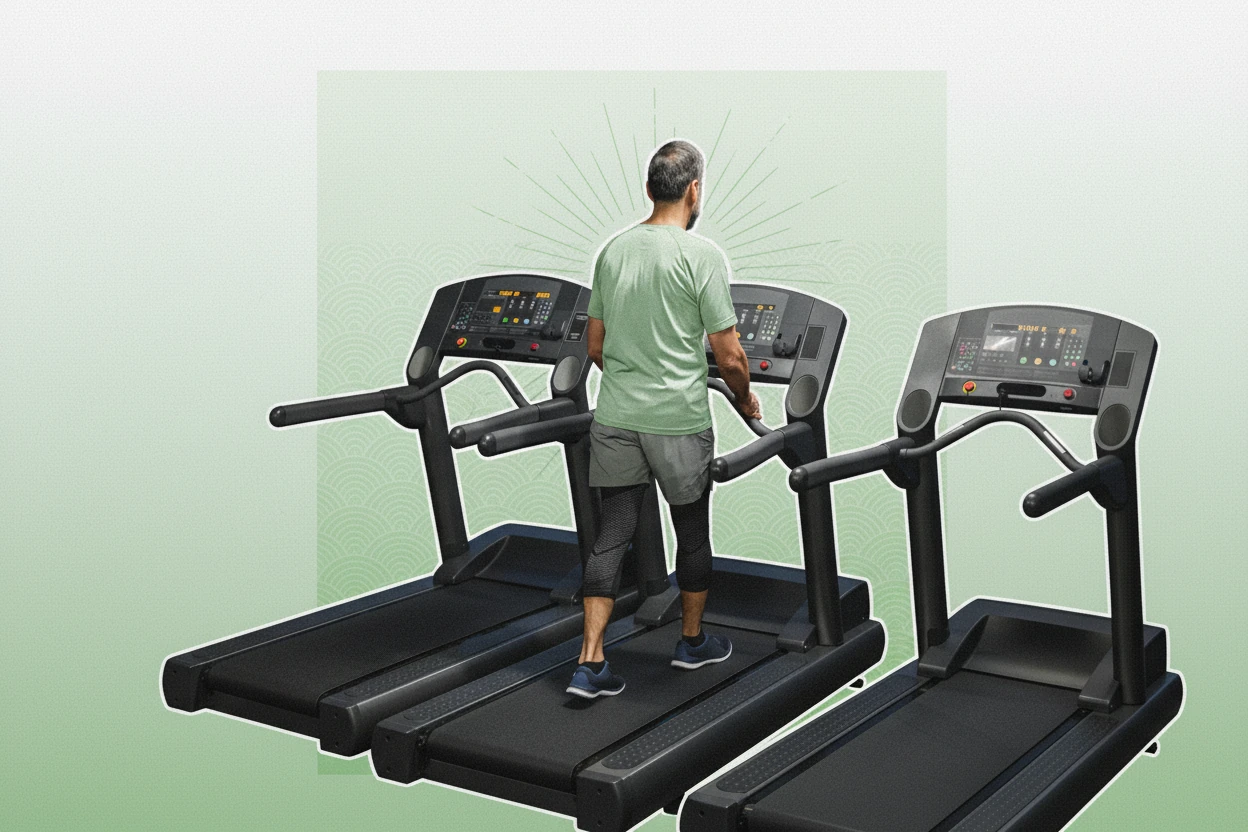
- Engaging in at least 150 minutes per week of moderate to vigorous aerobic exercise2.
- Incorporating resistance training 2–3 days per week to build muscle mass and improve insulin sensitivity2.
- Reducing sedentary time by including brief bouts of physical activity throughout the day34.
- Progressing gradually from light activity to more structured exercise routines4.
- Combining aerobic and resistance exercises for optimal glycemic and cardiovascular outcomes72.
“Exercise is a first-line therapy recommended for patients with type 2 diabetes (T2D). Although moderate to vigorous exercise (e.g., 150 minutes per week) is often advised alongside diet and/or behavior modification, exercise is an independent treatment that can prevent, delay, or reverse T2D.”
— Afsheen Syeda, American Journal of Medicine Open8
Optimal Timing for Diabetes Exercise: When to Workout for Best Blood Glucose Control
The timing of exercise relative to meals and time of day can influence glycemic control in type 2 diabetes. Postprandial (after meal) hyperglycemia is a major contributor to overall blood glucose burden and cardiovascular risk2. Engaging in light to moderate physical activity after meals, such as walking, stimulates glucose disposal in skeletal muscle and reduces glucose spikes592.
Evening exercise has been shown to provide sustained glycemic benefits that extend into the next morning, potentially offering better blood sugar control compared to morning workouts9. However, flexibility in exercise timing is important for adherence, and post-meal activity is generally favored when possible4.
Short bouts of physical activity spread throughout the day can be as effective as longer continuous sessions in improving glycemic control24. This approach helps maintain muscles in a constant state of increased glucose uptake, which is beneficial for blood sugar regulation10.
Key points on exercise timing include:
- Performing physical activity soon after meals to reduce blood glucose excursions2.
- Considering evening workouts for prolonged glycemic benefits9.
- Avoiding more than 48 hours between exercise sessions to sustain insulin sensitivity10.
- Incorporating multiple short bouts of exercise during the day for comparable benefits to longer sessions24.
- Adjusting exercise timing based on medication regimens to prevent hypoglycemia, especially when using insulin or secretagogues10.
Post-meal and evening exercise can significantly reduce blood sugar spikes and improve overall glycemic control in type 2 diabetes. Consistency and timing tailored to individual lifestyle and medication schedules enhance adherence and safety.102459
Combining Exercise Types: Aerobic, Strength Training & Flexibility for Type 2 Diabetes
A multimodal exercise approach combining aerobic, resistance, flexibility, and balance training offers comprehensive benefits for people with type 2 diabetes211. Each exercise modality targets distinct health outcomes critical for diabetes management and aging.
Aerobic exercise improves cardiovascular health and insulin sensitivity, while resistance training increases muscle mass, which enhances glucose uptake and metabolic function212. Flexibility and balance exercises reduce the risk of falls, especially in older adults, and improve joint range of motion11.
Exercise stimulates glucose uptake through mechanisms independent of insulin, making it effective even in insulin-resistant individuals. Combining aerobic and resistance training maximizes improvements in insulin sensitivity and glycemic control.1225
Varied exercise routines also support motivation and adherence by accommodating personal preferences and lifestyle factors4. Supervised training programs have shown better compliance and glycemic outcomes compared to unsupervised exercise2.
Benefits of combining exercise types include:
- Improved glycemic control through complementary mechanisms of aerobic and resistance training212.
- Maintenance of muscle mass and strength, which supports daily function and glucose metabolism11.
- Reduced fall risk and enhanced balance through flexibility and balance exercises11.
- Increased motivation and adherence by varying exercise modalities and schedules4.
- Greater cardiovascular and metabolic health benefits than single-mode exercise2.
| Exercise Type | Primary Benefits | Frequency Recommendation |
|---|---|---|
| Aerobic | Cardiovascular health, insulin sensitivity | Most days, 150 min/week moderate intensity2 |
| Resistance | Muscle mass, glucose uptake | 2–3 days/week212 |
| Flexibility | Joint range of motion, injury prevention | 2–3 days/week11 |
| Balance | Fall risk reduction | 2–3 days/week, especially older adults11 |
Exercise to Improve Insulin Sensitivity: How Physical Activity Lowers Blood Sugar & A1C
Exercise improves insulin sensitivity through both acute and chronic mechanisms, which is essential for managing type 2 diabetes212. Muscle contractions during exercise stimulate glucose transport via insulin-independent pathways, which remain effective despite insulin resistance5. This leads to increased glucose uptake by muscles during and after exercise, lowering blood sugar levels for up to 72 hours5.
Aerobic exercise enhances insulin action and fat oxidation, while resistance training increases skeletal muscle mass, contributing to improved glucose disposal212. High-intensity interval training (HIIT) and breaking up sedentary time with brief activity bouts also improve insulin sensitivity8.
“Regular physical activity offers many benefits for older adults with this chronic health condition.”
— National Council on Aging (NCOA)13
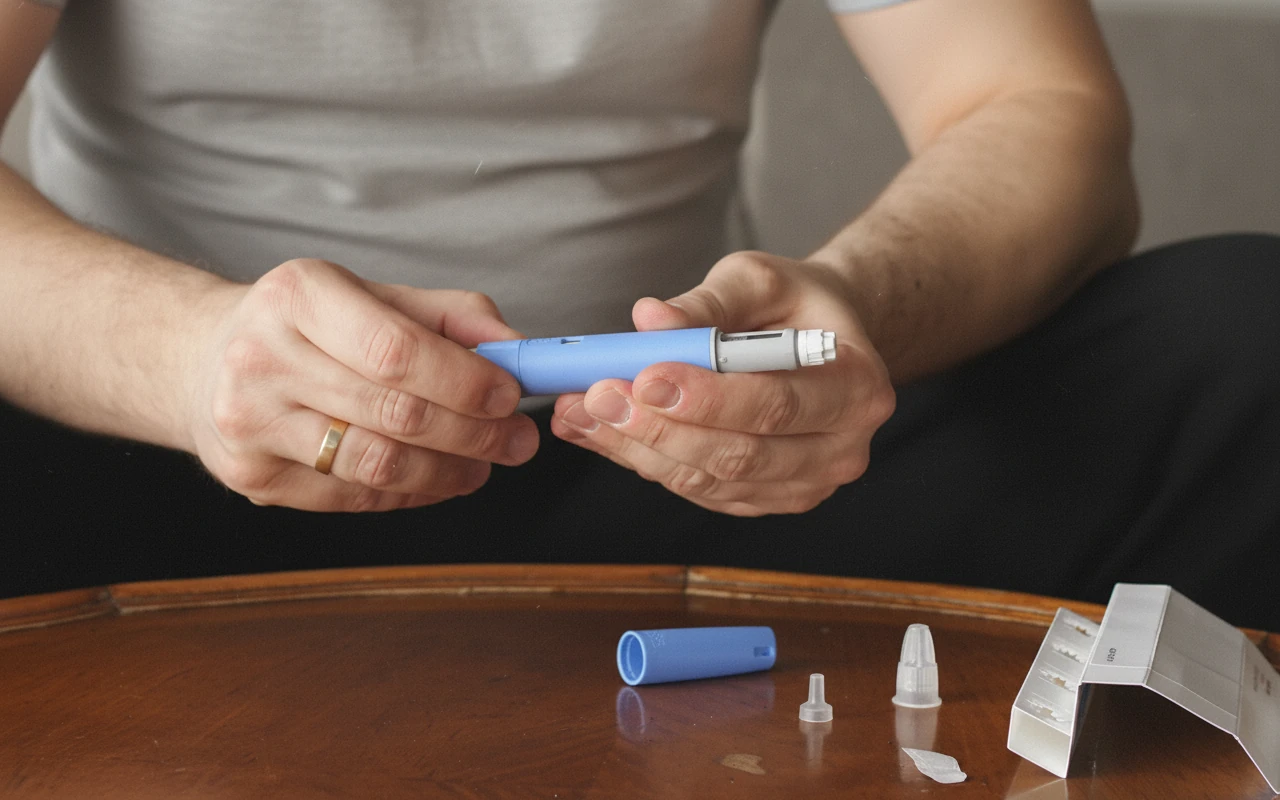
Medication adjustments may be necessary for individuals using insulin or insulin secretagogues to prevent exercise-induced hypoglycemia2. Most other medications do not significantly affect exercise responses2.
Key strategies to improve insulin sensitivity through exercise include:
- Engaging in regular aerobic exercise to enhance whole-body insulin sensitivity2.
- Incorporating resistance training to increase muscle mass and glucose uptake212.
- Performing exercise frequently, ideally not allowing more than 48 hours between sessions210.
- Breaking up prolonged sitting with short bouts of light to moderate activity34.
- Adjusting diabetes medications as needed to maintain safe blood glucose levels during exercise2.