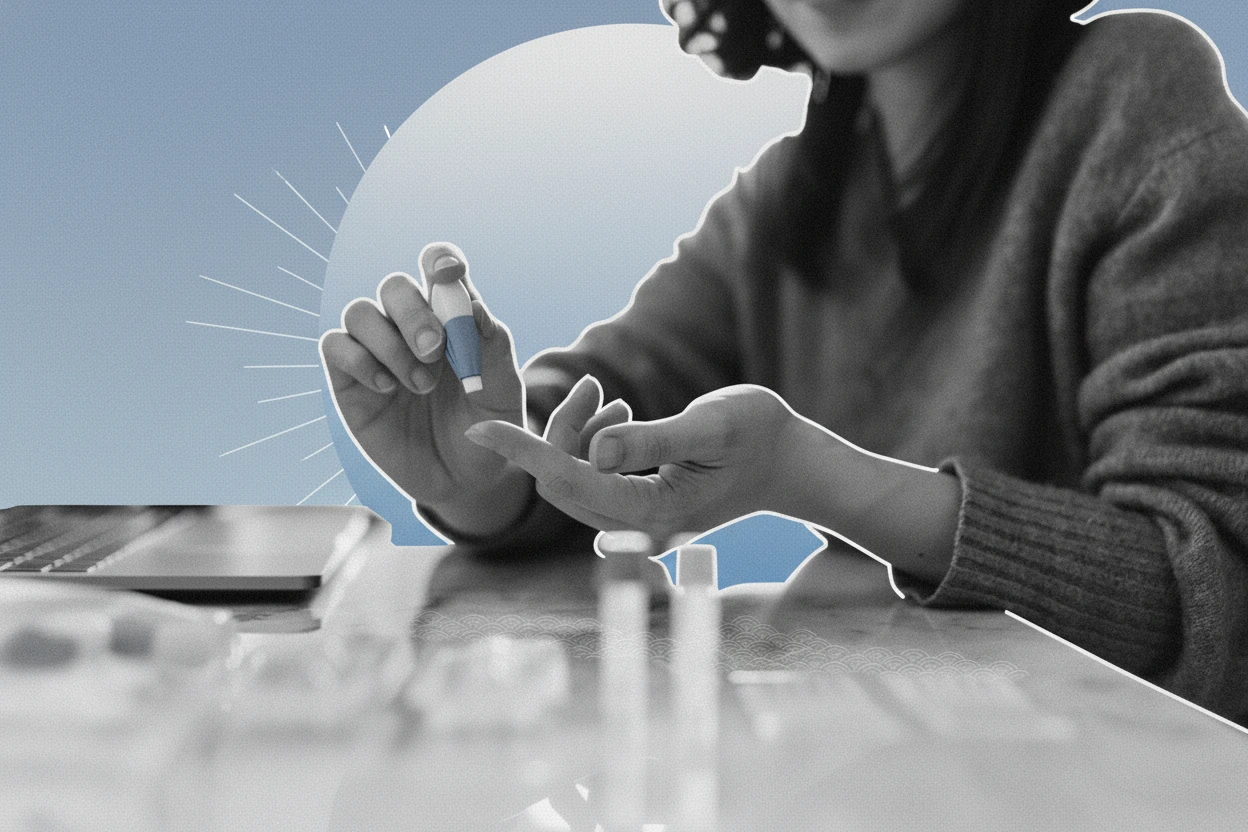
Meal timing plays a crucial role in managing diabetes-mellitus-symptoms-causes-and-treatmentdiabetes-mellitus-symptoms-causes-and-treatmentdiabetesdiabetesdiabetes, influencing blood sugar control and overall metabolic health1. Research shows that when you eat can be just as important as what you eat, with consistent meal schedules helping to stabilize glucose levels and reduce complications2. Aligning meals with your body's natural rhythms and medication schedules can improve diabetes outcomes and support weight management3.
Why Meal Timing Matters in Diabetes
For people with diabetes, maintaining steady blood sugar levels is essential to prevent complications. Hypoglycemia (low blood sugar) is a common and serious risk, especially for those using insulin or medications that increase insulin secretion4. Skipping meals or irregular eating patterns can cause blood sugar to drop dangerously low, leading to symptoms like shaking, sweating, dizziness, and hunger5. Frequent hypoglycemia may also result in compensatory overeating, contributing to weight gain, particularly in type 1 diabetes6.
Nocturnal hypoglycemia—low blood sugar during sleep—is especially dangerous because it often goes unnoticed, increasing the risk of recurrent episodes and daytime fatigue7. Hypoglycemia unawareness, where symptoms are absent despite low glucose, can develop with frequent hypoglycemia, long diabetes duration, or certain blood pressure medications5.
Consistent meal timing and carbohydrate intake are key strategies to maintain glycemic control and reduce hypoglycemia risk85. Regular meals spaced evenly throughout the day help keep blood sugar stable and prevent dangerous lows2. This approach is particularly important for individuals on insulin or sulfonylureas, where missed meals increase hypoglycemia risk5.
- Consistent meal timing and carbohydrate intake help maintain glycemic control in diabetes8.
- Regular meal patterns prevent hypoglycemia in those on insulin or insulin secretagogues5.
- Skipping meals increases hypoglycemia risk and may cause compensatory overeating86.
- Nocturnal hypoglycemia is linked to unrecognized low blood sugar during sleep and daytime fatigue7.
- Hypoglycemia unawareness is more likely with frequent episodes and long diabetes duration5.
Diabetes Meal Timing Strategies
Breakfast
Eating a balanced breakfast soon after waking is widely recommended for people with diabetes. A substantial breakfast followed by smaller meals later in the day has been linked to weight loss, improved blood sugar control, and reduced insulin requirements in type 2 diabetes910. Skipping breakfast is associated with higher blood sugar levels later in the day and overnight, as well as increased risk of obesity1112.
Interestingly, studies show that total daily calorie intake may not differ significantly between breakfast eaters and skippers, but skipping breakfast leads to compensatory overeating later, causing blood sugar spikes11. Breakfast also promotes satiety and better postprandial (after eating) glucose regulation13.
Lunch and Dinner
Maintaining balanced lunch and dinner meals with consistent carbohydrate amounts supports stable blood sugar and energy levels8. This is especially important for those taking insulin or oral diabetes medications, as skipping or delaying meals can cause blood sugar to drop5.
Eating an early dinner may benefit glycemic control. One study found that eating dinner within two hours of bedtime was linked to obesity and poorer blood sugar control in type 2 diabetes14. Avoiding late-night meals helps align eating patterns with circadian rhythms, improving glucose metabolism3.
Snacks
Snacking can help prevent hypoglycemia and manage hunger between meals, but not everyone with diabetes requires snacks8. Letting hunger cues and blood sugar levels guide snacking is advisable. For those at risk of nocturnal hypoglycemia or consuming alcohol, a bedtime snack may help prevent overnight lows15.
- Eat a balanced breakfast to improve glycemic control and reduce insulin needs9.
- Avoid skipping breakfast to prevent blood sugar spikes and weight gain11.
- Maintain consistent carbohydrate intake at lunch and dinner for stable glucose8.
- Eat dinner earlier to support better blood sugar control and reduce obesity risk14.
- Use snacks based on hunger and blood sugar, especially to prevent hypoglycemia8.
Coordinating Meals With Exercise
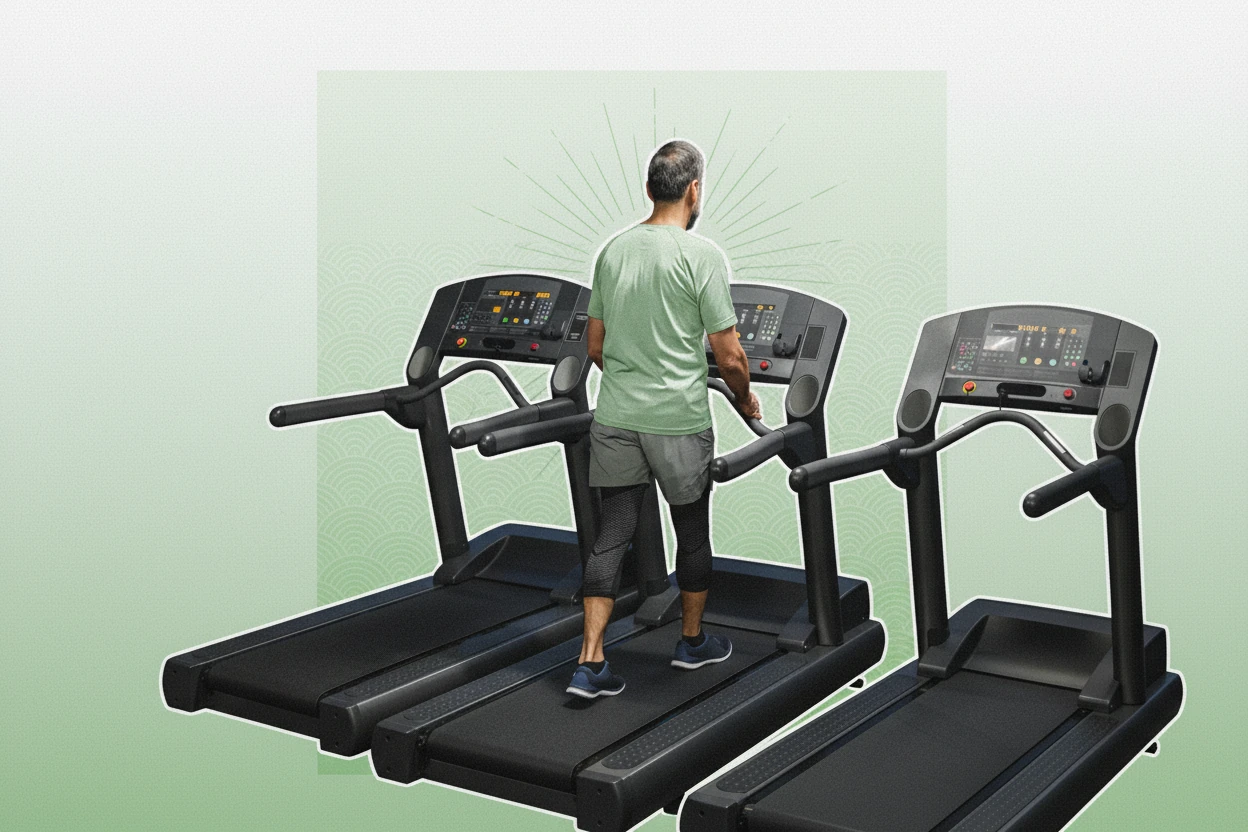
Exercise improves glucose metabolism and can lower blood sugar levels in people with diabetes16. Timing exercise about 30 minutes after a meal enhances glucose uptake by muscles, improving glycemic control, particularly in type 2 diabetes16.
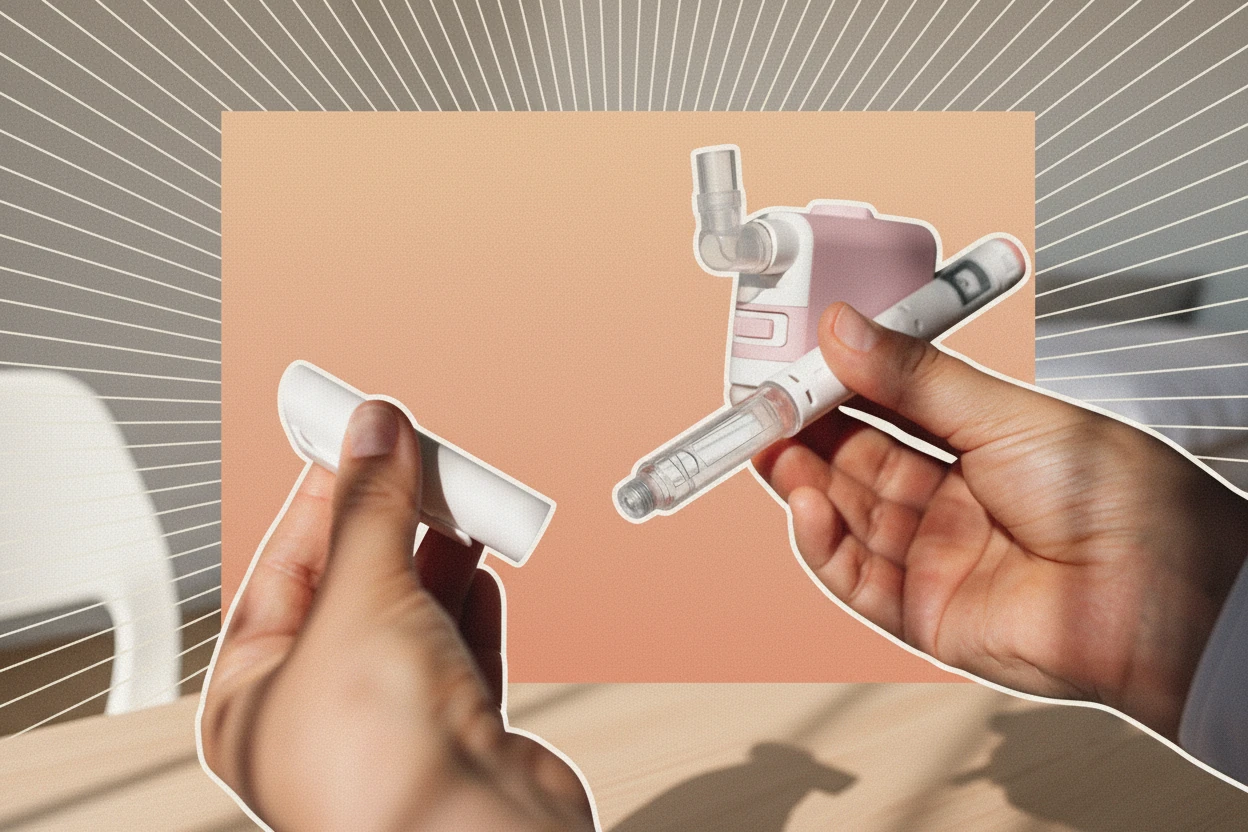
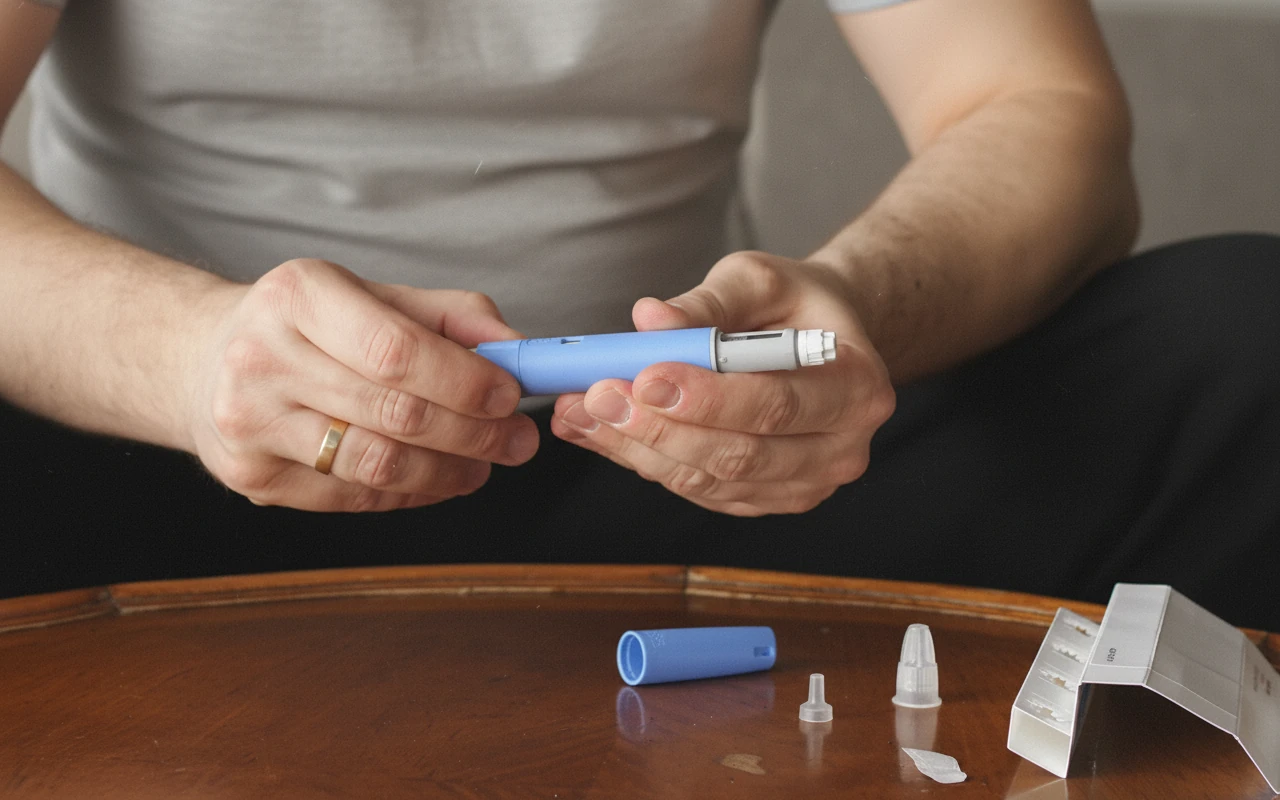
However, individuals using insulin or sulfonylureas must carefully balance exercise with carbohydrate intake and medication to avoid hypoglycemia5. Strategies include consuming carbohydrate snacks before or during exercise or exercising before meals with adjusted insulin doses165. Monitoring blood sugar before, during, and after exercise helps optimize safety and effectiveness15.
- Post-meal exercise (about 30 minutes after eating) improves glucose metabolism16.
- Pre-exercise carbohydrate intake may be needed to prevent hypoglycemia in insulin users5.
- Adjust insulin doses when exercising postprandially to avoid low blood sugar5.
- Carbohydrate snacks around exercise help maintain glucose levels16.
- Exercise timing should be individualized to balance safety and glycemic benefits17.
“Exercising after meals can help regulate blood sugar, but those on insulin need to coordinate snacks and medication carefully to prevent lows.”
— Danielle Weiss, MD15
Intermittent Fasting for Diabetes
Intermittent fasting (IF) involves cycling between periods of eating and fasting, such as the 16:8 daily fasting or alternate-day 24-hour fasting18. IF has gained attention for its potential to improve glycemic control, reduce insulin requirements, and promote weight loss in type 2 diabetes1918.
Evidence for IF in type 1 diabetes is limited but emerging. With proper education and use of advanced glucose monitoring technologies, some individuals with uncomplicated type 1 diabetes may safely practice IF18. However, IF carries risks such as hypoglycemia, dehydration, and nutrient deficiencies, especially for those on insulin or sulfonylureas18.
Certain populations should avoid IF, including pregnant or breastfeeding women, children, older adults, people with eating disorders, and immunocompromised individuals18. Anyone considering IF should consult their healthcare provider to ensure safety and appropriate medication adjustments.
- IF involves alternating fasting and eating periods, commonly 16:8 or alternate-day fasting18.
- IF can improve blood sugar control and reduce insulin needs in type 2 diabetes18.
- IF may be feasible in selected type 1 diabetes cases with education and glucose monitoring18.
- Risks include hypoglycemia, dehydration, nutrient deficits, and hunger18.
- IF is contraindicated in pregnancy, childhood, older age, eating disorders, and immunocompromised states18.
Creating Your Personal Meal Schedule
Developing a meal timing plan that fits your lifestyle, medication, and metabolic needs is essential for effective diabetes management17. Individualized plans consider nutrient balance, medication timing, physical activity, work schedules, and sleep patterns817.
“There is no one-size-fits-all plan for meal timing in diabetes. Individual responses vary, so working closely with your healthcare team is key.”
— Lindsey DeSoto, RD2
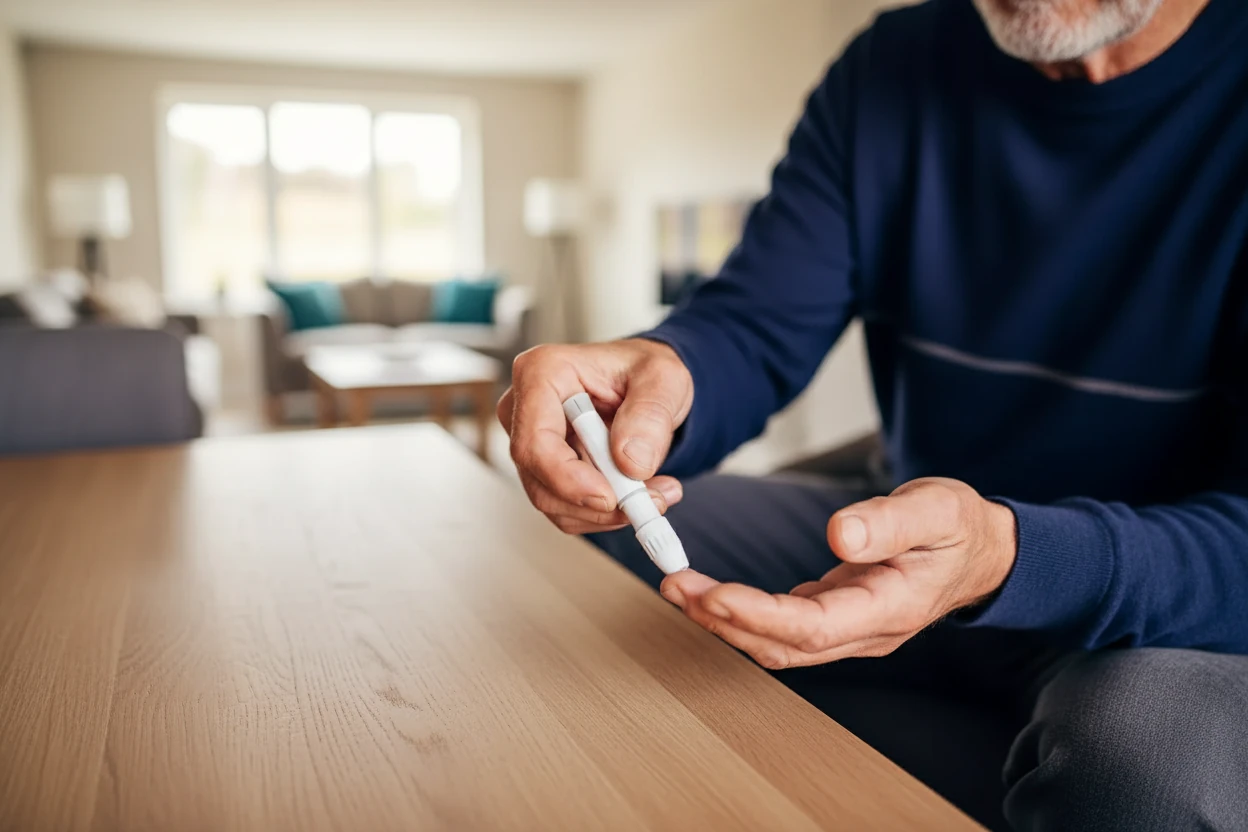
Keeping a detailed record of what and when you eat, along with blood sugar readings before and two hours after meals, helps identify patterns and optimize your schedule6. Using continuous glucose monitoring (CGM) or blood glucose meters (BGM) provides valuable data to tailor meal timing and insulin dosing6.
Including snacks based on hunger and glucose levels can support stable blood sugar8. Collaborating with healthcare providers, such as registered dietitians and diabetes educators, ensures your plan is safe, effective, and sustainable8.
- Plan regular meals with balanced vegetables, protein, and carbohydrates8.
- Coordinate carbohydrate intake with exercise and medication timing5.
- Keep food and timing logs alongside blood sugar monitoring86.
- Use CGM or BGM devices to understand individual glycemic responses6.
- Work with healthcare professionals to create a personalized meal timing plan8.