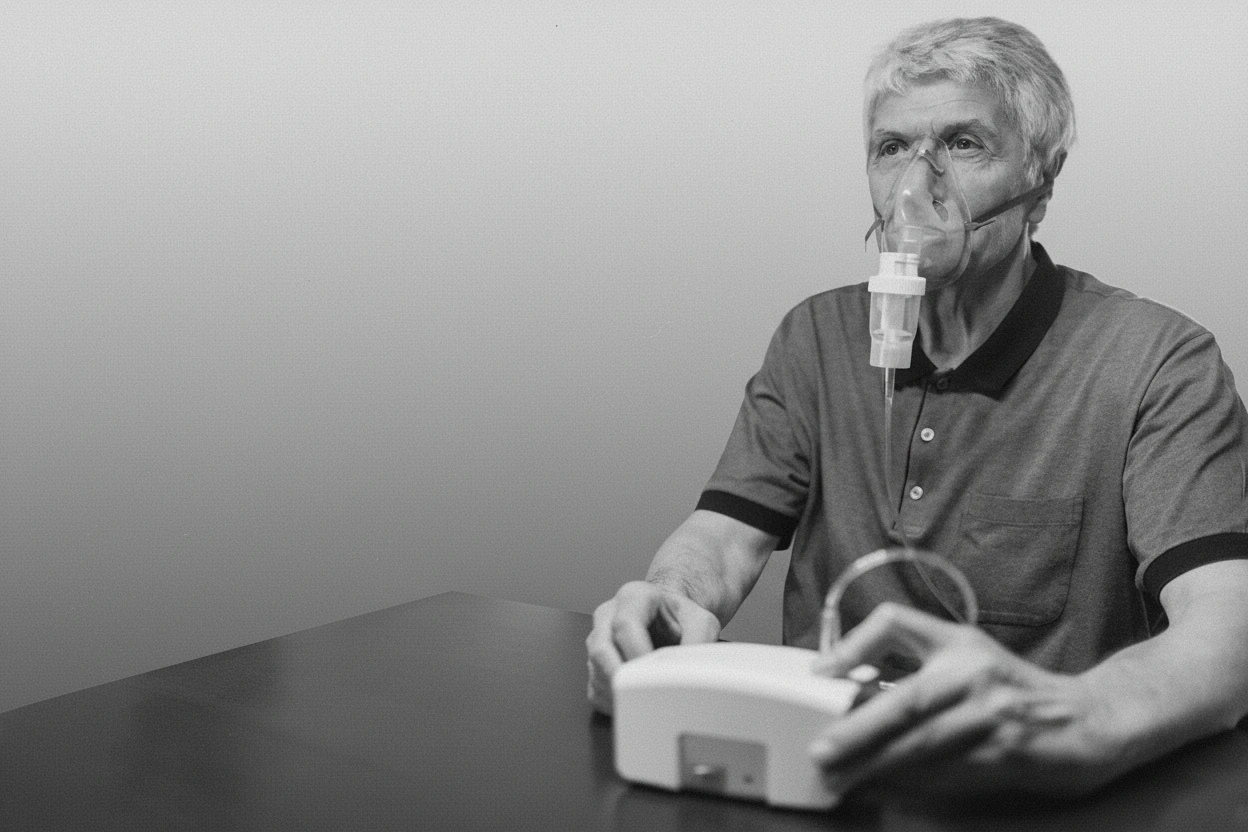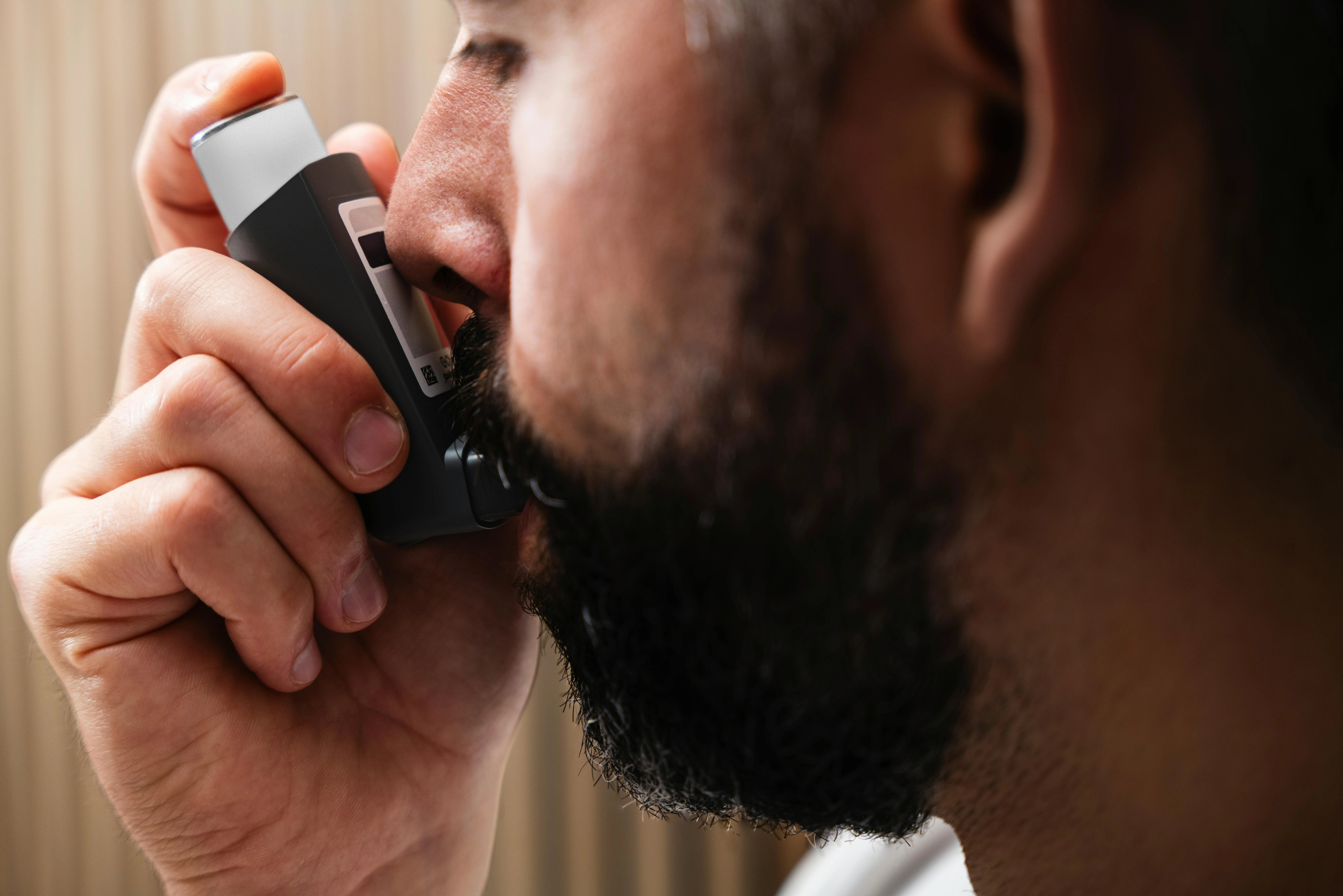
Blood oxygen level measures the amount of oxygen carried by red blood cells, which is essential for giving the body's cells the energy they need to work1. Oxygen enters the body through the lungs and is transported via the bloodstream to tissues and organs, supporting vital functions2. Maintaining normal blood oxygen levels is critical because low levels, known as hypoxemia, can lead to serious complications affecting the brain, heart, and other organs3. This article explores how blood oxygen levels are measured, their normal ranges, causes and risks of abnormal levels, and management strategies.
Measuring Blood Oxygen Levels
Blood oxygen levels indicate how well oxygen is being transported from the lungs to the bloodstream and then to the body's tissues. There are two main methods to measure these levels: pulse oximetry and arterial blood gas testing.
Pulse Oximetry
Pulse oximetry is a painless, non-invasive method that estimates arterial oxygen saturation (SpO2) by measuring how oxygenated and deoxygenated hemoglobin absorb light differently at specific wavelengths4. A small clip-like device, usually placed on a fingertip or earlobe, emits light through the skin and detects the amount of light absorbed by the blood5. Oxygenated hemoglobin absorbs more infrared light, while deoxygenated hemoglobin absorbs more red light, allowing the device to calculate oxygen saturation65.
Pulse oximeters provide quick readings of oxygen saturation and heart rate, making them widely used in clinical settings and increasingly for home monitoring, especially for patients with chronic respiratory diseases like COPD789. For accurate readings, it is recommended to use clean fingers without nail polish or artificial nails, rest calmly in a seated position before measurement, and ensure the device is securely but comfortably attached to the fingertip, preferably the index or middle finger54.
Despite their convenience, pulse oximeters can be less accurate under certain conditions such as poor peripheral perfusion, movement, skin pigmentation, and the presence of nail polish10115. Recent studies have highlighted racial and ethnic discrepancies in pulse oximetry accuracy, particularly in patients with darker skin pigmentation1112.
Arterial Blood Gas Test
Arterial blood gas (ABG) analysis is the gold standard for assessing blood oxygenation and acid-base balance13. This invasive test involves drawing blood from an artery, typically at the wrist, to directly measure the partial pressure of oxygen (PaO2), carbon dioxide, and blood pH1314. ABG provides a more precise and comprehensive evaluation of oxygen status than pulse oximetry but is less practical for frequent monitoring due to its invasive nature13.
ABG testing is especially important in cases of severe hypoxemia or when pulse oximetry readings are unreliable1315. It helps clinicians determine the severity of oxygen deficiency and guides oxygen therapy and other treatments.
Normal Blood Oxygen Level Ranges
Normal blood oxygen levels reflect the efficiency of oxygen uptake in the lungs and delivery to tissues. For most healthy individuals, oxygen saturation measured by pulse oximetry ranges between 95% and 100%16117. Newborns may have slightly lower normal values initially, but these typically rise to the adult range shortly after birth1.
Oxygen saturation values between 93% and 94% may warrant medical evaluation to assess respiratory status, especially in individuals with underlying health conditions7. Levels below 92% are generally considered low and indicate hypoxemia, which requires medical attention1871.
Arterial blood gas measurements show normal PaO2 values between 75 and 100 millimeters of mercury (mm Hg) in healthy lungs1714. Values below 60 mm Hg on ABG testing indicate hypoxemia and can signal insufficient oxygen delivery to vital organs1814.
| Measurement Method | Normal Range |
|---|---|
| Pulse Oximetry (SpO2) | 95% – 100%161 |
| Arterial Blood Gas (PaO2) | 75 – 100 mm Hg1714 |
Low Blood Oxygen (Hypoxemia)
Hypoxemia is a condition characterized by abnormally low levels of oxygen in the arterial blood, typically defined as SpO2 below 90% or PaO2 below 60 mm Hg181920. It is a sign that the lungs or circulatory system are not adequately oxygenating the blood, which can lead to tissue hypoxia and organ dysfunction12.
Symptoms
Symptoms of hypoxemia vary depending on severity and individual factors but commonly include:
- Shortness of breath or difficulty breathing (dyspnea)21
- Rapid breathing (tachypnea)220
- Fast or pounding heartbeat (tachycardia)220
- Headache23
- Confusion or difficulty concentrating23
- Bluish discoloration of the skin, lips, or fingernails (cyanosis)217
Causes
Hypoxemia can result from various conditions that impair oxygen intake, transfer, or transport, including:
- Lung diseases such as asthma, chronic obstructive pulmonary disease (COPD), pneumonia-symptoms-and-treatmentpneumonia-symptoms-and-treatmentpneumonia, and pulmonary fibrosis217
- Heart conditions that affect blood flow or oxygen delivery217
- Sleep apnea causing intermittent breathing pauses during sleep3
- High altitude exposure where oxygen levels in the air are lower23
- Use of strong pain medications or other factors that slow breathing3
Risks
Monitoring your blood oxygen level regularly, especially if you have lung or heart conditions, can help detect problems early and guide treatment. If your oxygen saturation falls below 92%, contact your healthcare provider promptly to avoid complications.182678
If untreated, hypoxemia can lead to serious complications such as:
- Organ damage due to insufficient oxygen supply, particularly to the brain and heart21221
- Respiratory failure and death in severe cases217
- Cognitive impairment and decreased physical performance2
High Blood Oxygen (Hyperoxemia)
Hyperoxemia refers to abnormally high levels of oxygen in the blood, often due to excessive oxygen administration during therapy. It is generally defined as SpO2 above 96–98% or PaO2 greater than 100 mm Hg1923.
Symptoms of hyperoxemia are less commonly discussed but may include neurological effects such as:
- Visual disturbances1924
- Tinnitus (ringing in the ears)1924
- Dizziness1924
- Seizures in severe cases1924
Prolonged exposure to high oxygen levels can cause oxygen toxicity, which damages tissues and may worsen patient outcomes1924. Therefore, oxygen therapy must be carefully titrated to avoid hyperoxemia while correcting hypoxemia2524.
“Oxygen enters your blood through your lungs. When you breathe in, oxygen from the air travels into small air sacs called alveoli. Blood vessels called capillaries are close to the alveoli and pick up the oxygen, which then travels through your blood to your tissues.”
— Cleveland Clinic Medical Team2
Managing Your Blood Oxygen Levels
Management of blood oxygen levels focuses on correcting hypoxemia and maintaining adequate oxygenation without causing harm from excessive oxygen.
- Supplemental oxygen therapy is used to increase oxygen saturation and improve tissue oxygen delivery1924.
- Oxygen dosing is tailored by healthcare providers to maintain target saturation ranges, usually between 92% and 96% for most patients1923.
- Avoiding hyperoxemia is important to prevent oxygen toxicity and related complications1924.
- Lifestyle measures support healthy oxygen levels, including smoking cessation, regular exercise, good nutrition, hydration, and breathing exercises2122.
- Posture affects oxygenation; upright sitting improves lung expansion and oxygen uptake compared to lying flat2122.
“Blood oxygen level measures the amount of oxygen carried by red blood cells, which is essential for providing the body's cells with the energy they need to function.”
— Dr. Jasmine Shaikh, MedicineNet1
When to Consult a Healthcare Provider
It is important to seek medical evaluation if blood oxygen saturation falls below 92% or if symptoms of hypoxemia develop187. Patients with chronic respiratory or cardiac conditions should monitor their oxygen levels regularly and consult healthcare providers if levels are abnormal78.
Emergency care is required if oxygen saturation is 88% or lower or if acute symptoms such as severe shortness of breath, cyanosis, chest pain, or altered mental status occur18721.
Key reasons to consult a healthcare provider include:
- Persistent oxygen saturation below 92%187
- Symptoms like dyspnea, fatigue, chest discomfort, or headache2122
- Sudden worsening of breathing or oxygen levels26
- Chronic disease patients experiencing abnormal readings8
💡 Did You Know? The body tightly regulates blood oxygen saturation because low levels can lead to serious complications, especially affecting the brain and heart3.
Summary of Blood Oxygen Levels
Maintaining normal blood oxygen levels is vital for health and organ function. Pulse oximetry offers a convenient, non-invasive way to monitor oxygen saturation, while arterial blood gas testing provides precise measurements when needed413. Normal oxygen saturation ranges from 95% to 100%, with hypoxemia defined as levels below 90–92%1871. Hypoxemia can cause symptoms such as shortness of breath and cyanosis and requires prompt medical attention to prevent serious complications217. Oxygen therapy must be carefully managed to avoid both hypoxemia and hyperoxemia, balancing oxygen delivery and toxicity risks1924. Lifestyle factors and posture also play important roles in supporting healthy oxygen levels2122.
Key Takeaways:
- Blood oxygen levels reflect how well oxygen is transported from the lungs to the body's tissues12.
- Normal oxygen saturation is typically 95% to 100% in healthy individuals1617.
- Hypoxemia (low blood oxygen) is defined as SpO2 below 90–92% and requires medical evaluation187.
- Pulse oximetry is a useful, non-invasive tool but can be affected by factors like skin pigmentation and nail polish115.
- Oxygen therapy should be carefully titrated to avoid both hypoxemia and hyperoxemia1924.