Blood sugar levels typically rise after eating, especially following carbohydrate-rich meals, which can lead to health risks if not managed properly1. Managing these post-meal glucose spikes is crucial for preventing insulin resistance, type 2 diabetes, and cardiovascular disease23. Emerging research shows that light physical activity such as walking shortly after meals can significantly improve blood sugar control and reduce related health risks14. This article explores the benefits of walking after eating and other effective strategies for blood sugar management.
Benefits of Walking After Eating for Blood Sugar
After a meal, blood glucose levels rise in a process known as the postprandial glucose excursion, typically peaking within 30 to 60 minutes51. This increase triggers insulin secretion, which helps cells absorb glucose for energy1. However, dysregulation of this balance can lead to chronic hyperglycemia, insulin resistance, and eventually type 2 diabetes3. Walking after meals activates large muscle groups, increasing glucose uptake and improving insulin sensitivity, which helps blunt these glucose spikes167.
“The walking conditions yielded significantly lower 2-hour glucose areas under the curve (10-min walk = 15607 ± 702, 30-min walk = 15732 ± 731, control = 16605 ± 745 mg·min/dL) and mean blood glucose levels (10-min walk = 127.9 ± 19.4, 30-min walk = 128.9 ± 5, control = 135.8 ± 20.5 mg/dL) than did the control condition (p < 0.05, d = 0.712-0.898). The 10-min walk condition (164.3 ± 8.9 mg/dL) resulted in a significantly lower peak glucose level than the control condition did (181.9 ± 8.4 mg/dL, p = 0.028, d = 0.731) despite no significant difference between the 30-min walk (175.8 ± 9.6 mg/dL) and control (p = 0.184, d = 0.410) conditions. A brief 10-min walk immediately after a meal appears to be an effective and feasible approach for the management of hyperglycemia.”
— Kaito Hashimoto, Scientific Reports10
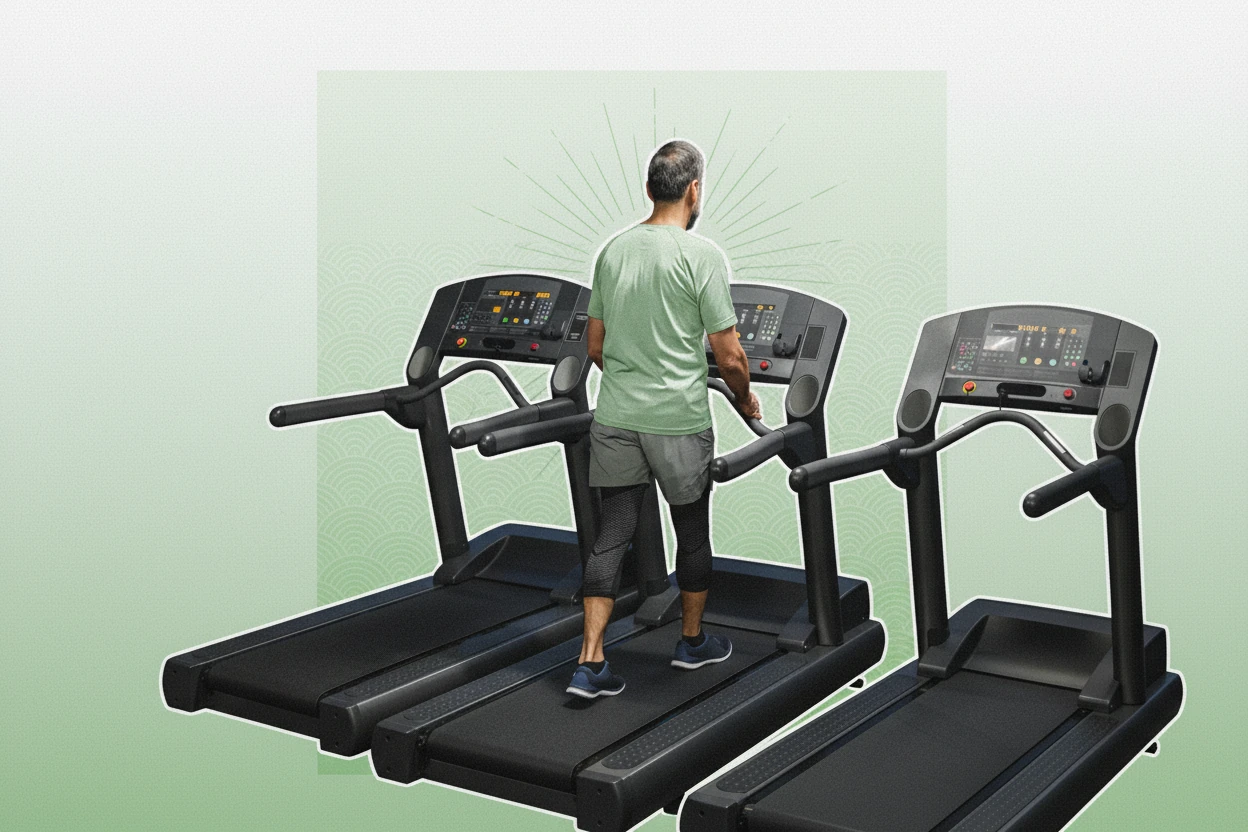
Light to moderate walking after eating stimulates muscle contractions that promote glucose transport into muscle cells through insulin-independent pathways, such as the action of glucose transporter type 4 (GLUT-4)4. This process reduces the amount of glucose circulating in the blood, preventing sharp spikes. Walking also suppresses hepatic glucose output, further stabilizing blood sugar levels4. Importantly, walking immediately or within 15 to 30 minutes after a meal is most effective, as it coincides with the peak glucose absorption period8910.
A randomized crossover trial found that a 10-minute walk immediately after glucose ingestion significantly lowered the two-hour blood glucose area under the curve (AUC) and mean blood glucose levels compared to no walking10. The 10-minute walk condition reduced peak glucose levels more effectively than a 30-minute walk started 30 minutes after glucose intake, highlighting the importance of exercise timing10. Another study showed that even brief walking bouts of 2 to 5 minutes after meals can reduce glucose spikes and improve insulin responses31112.
Systematic reviews confirm that interrupting prolonged sitting with light walking every 20 to 30 minutes improves postprandial glucose and insulin responses, with walking being more effective than standing116. These benefits extend to individuals with normal glucose tolerance as well as those with prediabetes or type 2 diabetes117.
Walking after meals also contributes to cardiovascular health by reducing blood sugar variability, which is linked to oxidative stress and endothelial dysfunction4. It can help lower blood pressure and improve lipid profiles, including increasing HDL (“good”) cholesterol and decreasing LDL (“bad”) cholesterol1314. Regular postprandial walking supports weight management by increasing metabolism and calorie burning14.
- Aim for light to moderate walking for 10 to 15 minutes immediately or within 15 to 30 minutes after meals81015.
- If unable to walk continuously, breaking walking into shorter bouts of 2 to 5 minutes multiple times a day can still be beneficial31112.
- Walking speed should be comfortable and sustainable, typically around 3.8 km/h, to ensure adherence and minimize gastrointestinal discomfort10.
- Incorporate walking after all main meals to maintain consistent blood sugar control throughout the day10.
| Intervention | Effect on Postprandial Glucose | Evidence Source |
|---|---|---|
| Light walking (2–5 min bouts) | Lowers glucose spikes | 31112 |
| Moderate walking (15–30 min) | Improves glucose homeostasis | 5161 |
| Breaking sitting every 20–30 min | Reduces insulin resistance | 311 |
| Post-meal exercise timing | Optimal at 15–30 min post meal | 8910 |
Additional Blood Sugar Management Strategies
Managing blood sugar is multifaceted, involving diet, exercise, and monitoring. Walking after meals is a simple yet powerful part of this comprehensive approach1712.
Beyond walking, managing blood sugar effectively involves a combination of lifestyle habits, dietary choices, and monitoring. Postprandial hyperglycemia (high blood sugar after meals) is a key target for intervention to prevent metabolic disorders1.
- Diet: Limiting intake of sugary drinks and highly processed carbohydrates helps prevent sharp blood sugar spikes17. Consistent meal timing supports stable glucose levels17.
- Physical Activity: Regular exercise improves insulin sensitivity and glucose regulation, reducing the risk of insulin resistance and type 2 diabetes23.
- Weight Management: Maintaining a healthy weight lowers insulin resistance and supports better blood sugar control2.
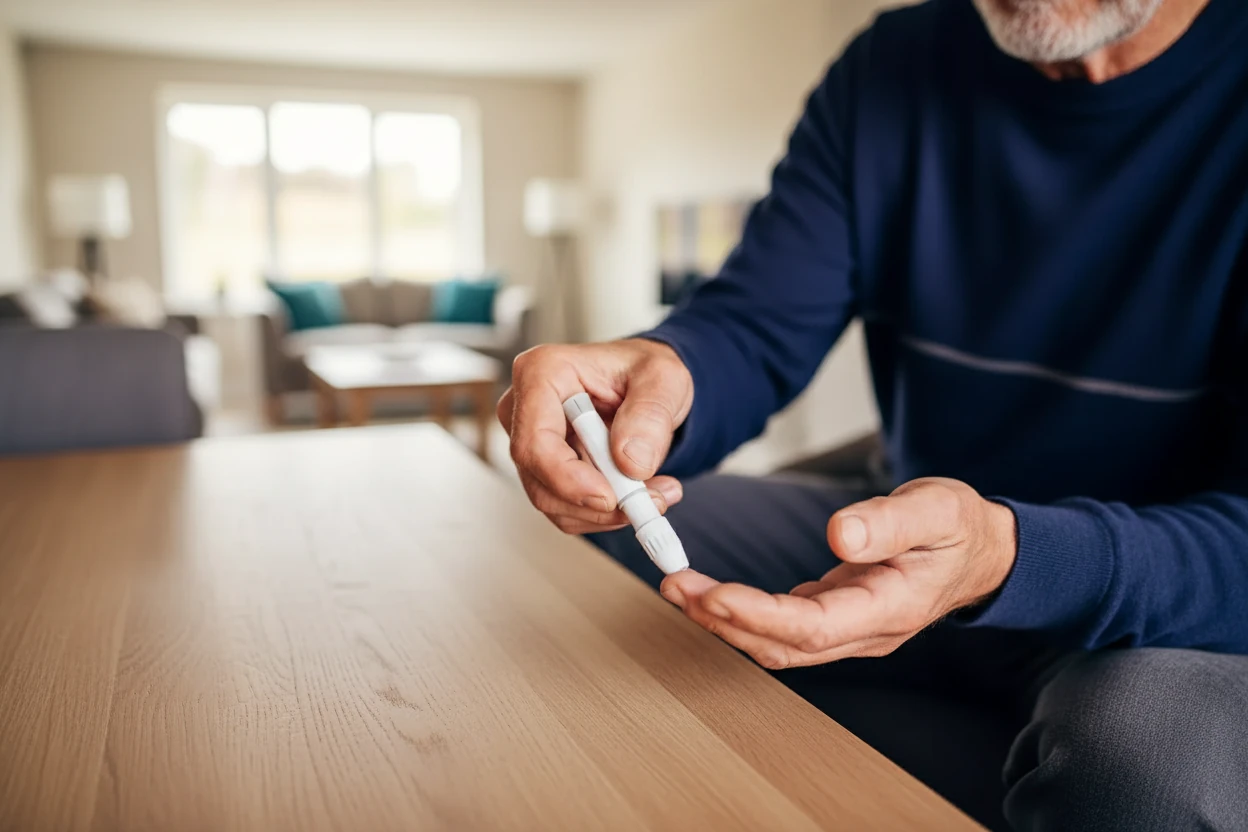
- Glucose Monitoring: Regular blood glucose monitoring helps identify patterns and guide treatment decisions, especially for people with diabetes17.
Walking after meals not only reduces the height of blood sugar spikes but also smooths the rise and fall, which lowers cardiovascular risk and helps prevent type 2 diabetes7.
Exercise performed shortly after eating, especially within 15 to 30 minutes, optimizes blood sugar control by targeting the postprandial glucose peak89. Interrupting prolonged sitting with brief walking breaks every 20 to 30 minutes also improves insulin responses and reduces insulin resistance311.
- Pharmacological treatments such as GLP-1 receptor agonists can lower blood sugar but may have side effects and require medical supervision17.
- Intermittent fasting can improve insulin sensitivity but may be difficult to maintain due to lifestyle constraints17.
- Incorporating fiber-rich foods, lean proteins, and healthy fats in meals supports steady glucose absorption and insulin response17.
| Strategy | Effect on Blood Sugar Control | Evidence Source |
|---|---|---|
| Healthy diet with fiber | Reduces glucose spikes | 171 |
| Regular physical activity | Improves insulin sensitivity | 2311 |
| Consistent meal timing | Supports stable glucose levels | 17 |
| Breaking sitting time | Lowers insulin resistance | 311 |
| Glucose monitoring | Guides treatment and prevents complications | 17 |