Nearly half of adults in the United States have high blood pressure, yet only about one in four have their condition under control1. High blood pressure, often called hypertension, is a silent condition that can quietly damage blood vessels and increase the risk of heart disease, stroke, and kidney problems2. Fortunately, adopting a heart-healthy lifestyle and working closely with healthcare providers can significantly reduce blood pressure and improve overall health3.
“Patients have different backgrounds and different approaches to living their lives. This is where the art of medicine comes in; getting to know patients and what they will and will not embrace can help physicians identify different therapies that suit their patients' habits and that will hopefully make a difference for them.”
— Kevin Woolf, University of Rochester Medical Center8
Understanding High Blood Pressure Numbers: What Do They Mean?
Blood pressure is measured using two numbers: systolic and diastolic. The systolic number represents the pressure in your arteries when your heart beats, while the diastolic number measures the pressure when your heart rests between beats. For most people, healthcare providers aim to keep systolic blood pressure below 120 mm Hg to reduce the risk of serious complications like stroke and heart attack3.
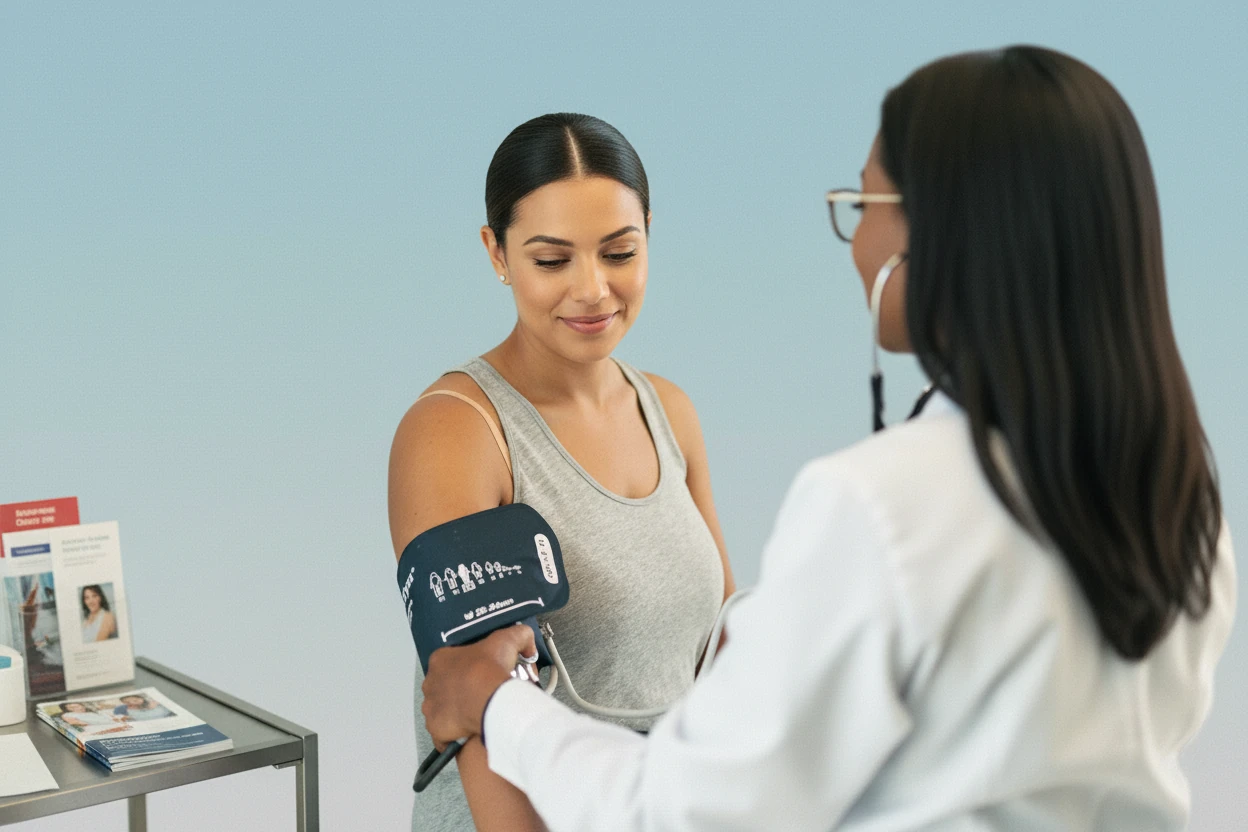
High blood pressure often has no symptoms, which is why regular monitoring is essential. Checking your blood pressure at home or during healthcare visits helps track whether lifestyle changes or medications are working4. Blood pressure numbers can be influenced by various factors, including weight, diet, physical activity, and stress levels.
💡 Did You Know?
Controlling blood pressure with a healthy lifestyle might prevent, delay, or lessen the need for medication5.
Health Risks of High Blood Pressure: Complications & Long-Term Effects
High blood pressure is sometimes called the “silent killer” because it usually causes no symptoms but can lead to serious health problems over time2. When blood pressure remains too high for too long, it stretches and damages arteries, making them less flexible and more prone to blockages6. This damage increases the risk of:
- Heart disease and heart failure1
- Stroke2
- Kidney damage2
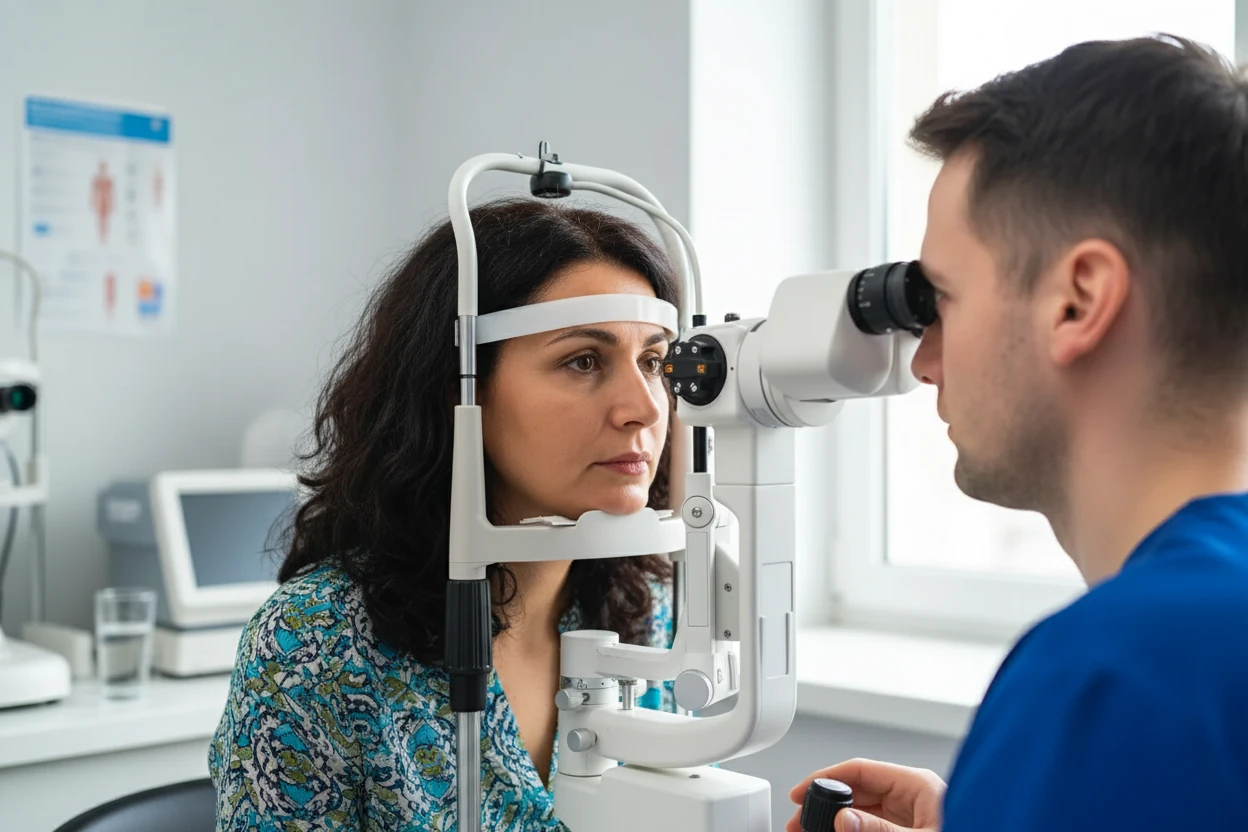
- Vision loss2
- Memory loss and cognitive decline6
High blood pressure often occurs alongside other conditions such as high cholesterol and diabetes, which further increase cardiovascular risk1. Poor sleep quality and chronic stress can also worsen hypertension and its effects1.
Effective Ways to Lower Blood Pressure: Diet, Exercise & Lifestyle Changes
Managing high blood pressure involves a combination of lifestyle changes and, when necessary, medications. For many people, lifestyle modifications alone can significantly reduce blood pressure and improve heart health5. Below are key strategies to help lower blood pressure effectively.
“Right now we're seeing a cultural shift where an increasing number of people want to avoid standard pharmaceuticals. We're also seeing a growing number of patients who require a large number of drugs to control their blood pressure and are looking for something else to help manage it.”
— John Bisognano, University of Rochester Medical Center8
Get Regular Physical Activity
Regular aerobic exercise can lower high blood pressure by about 5 to 8 mm Hg5. Physical activity helps keep elevated blood pressure from progressing to hypertension and can bring blood pressure down to safer levels in those already diagnosed5. Aim for at least 30 minutes of moderate activity most days of the week, which can be broken into shorter sessions if needed7.
Exercise benefits include:
- Strengthening the heart so it pumps blood with less effort6
- Reducing body weight, which lowers blood pressure5
- Improving artery function and flexibility6
Eat a Healthy Diet
Eating a diet rich in whole grains, fruits, vegetables, and low-fat dairy products while low in saturated fat and cholesterol can lower blood pressure by up to 11 mm Hg5. The DASH (Dietary Approaches to Stop Hypertension) eating plan is highly recommended for blood pressure control3. Key dietary tips include:
- Limiting sodium intake to 1,500 mg per day or less to reduce blood pressure by about 5 to 6 mm Hg5
- Increasing potassium intake through foods, which helps counteract sodium’s effects8
- Choosing foods with probiotics, which have been linked to healthier blood pressure6
- Reducing saturated fat and cholesterol to improve artery health5
Manage Your Stress
Long-term stress may contribute to high blood pressure by keeping it elevated longer than is healthy1. Managing stress through relaxation techniques, meditation, or counseling can help lower blood pressure. Transcendental meditation has shown promise in reducing blood pressure in some studies8.
Practice Good Sleep Hygiene
Getting enough good-quality sleep is crucial for blood pressure control. Adults should aim for 7 to 9 hours of sleep per night1. Consistently sleeping fewer than seven hours can increase the risk of developing hypertension and worsen existing high blood pressure1. Poor sleep quality is linked to higher blood pressure and related health problems4.
Take Your Medications as Directed
When lifestyle changes alone do not control high blood pressure, healthcare providers may prescribe medications. These antihypertensive drugs work in various ways to lower blood pressure, such as relaxing blood vessels, reducing fluid volume, or decreasing heart rate3. Common types include:
- Angiotensin-converting enzyme (ACE) inhibitors3
- Angiotensin II receptor blockers (ARBs)3
- Calcium channel blockers3
- Diuretics3
Many people require two or more medications to reach their blood pressure goals3. It is important to take medications exactly as prescribed and attend regular checkups to monitor effectiveness and side effects7.
Don't Smoke and Limit Alcohol Intake
Smoking raises blood pressure and damages blood vessels, greatly increasing the risk of heart disease and stroke1. Quitting smoking helps lower blood pressure and improves overall cardiovascular health5. Alcohol should be limited to less than one drink per day for women and two drinks per day for men to help lower blood pressure by about 4 mm Hg5. Excessive alcohol intake can raise blood pressure and reduce the effectiveness of medications5.
High blood pressure is often symptomless but can cause serious damage if left untreated. Regular blood pressure checks and adopting heart-healthy habits are the best ways to protect your health and prevent complications12.
Work With a Healthcare Provider
A healthcare provider can develop a personalized treatment plan based on individual risk factors and blood pressure readings3. Providers may use risk calculators to estimate the chance of stroke or heart attack and adjust treatments accordingly. Regular monitoring, medication adjustments, and lifestyle support are key to successful blood pressure management4.
Key Takeaways: Summary of Blood Pressure Management Strategies
- High blood pressure affects nearly half of U.S. adults and often has no symptoms, making regular monitoring essential1.
- Lifestyle changes such as regular exercise, a healthy diet, stress management, and good sleep hygiene can significantly lower blood pressure and reduce health risks531.
- Medications may be necessary when lifestyle changes are insufficient; adherence to prescribed treatments is critical for effective control37.
- Avoiding smoking and limiting alcohol intake support blood pressure control and overall cardiovascular health51.
- Working closely with healthcare providers ensures personalized care and better outcomes in managing high blood pressure34.