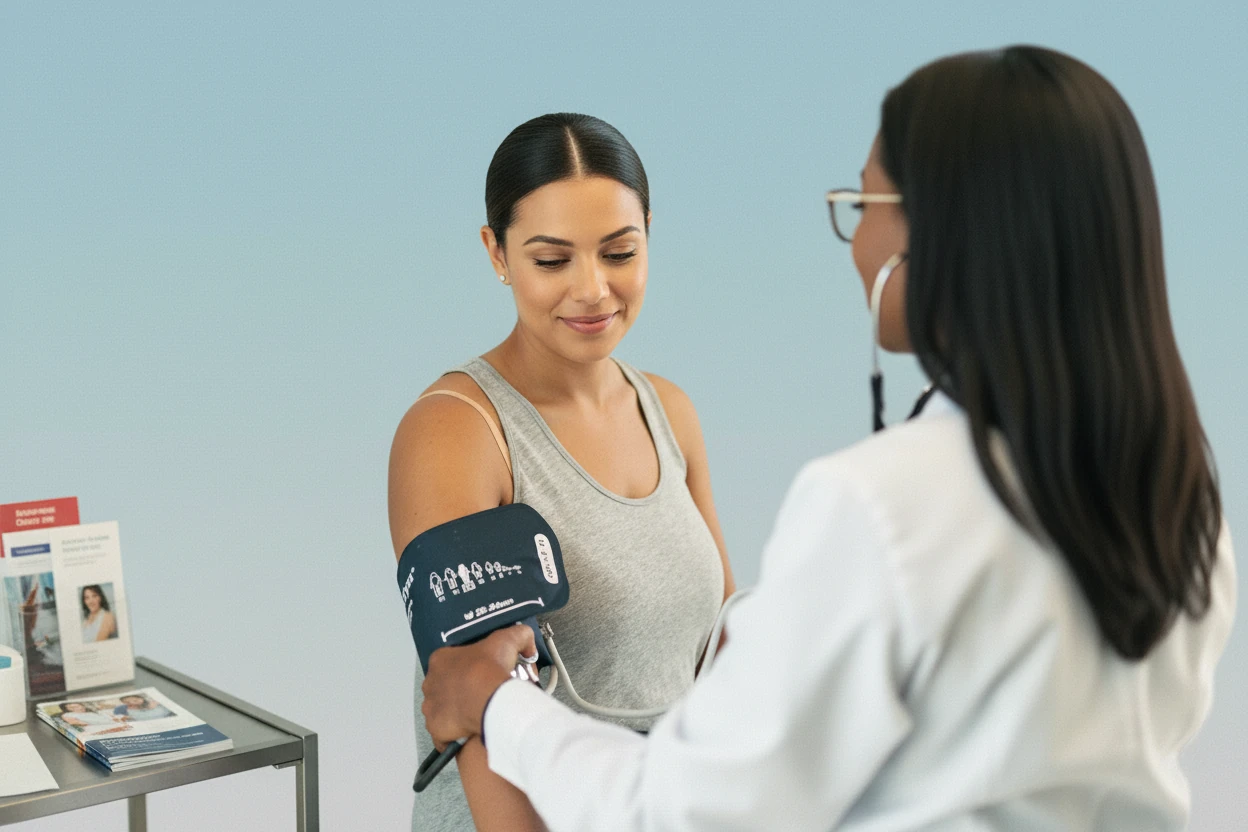
High blood pressure, or hypertension, affects nearly half of adults in the United States and is a major risk factor for heart disease and stroke1. Often called a silent killer, it usually has no symptoms but can quietly damage blood vessels and lead to serious health problems2. Adopting a heart-healthy lifestyle can reduce blood pressure, prevent or delay hypertension, and improve the effectiveness of medications3.
Increase Physical Activity
Regular physical activity is one of the most effective ways to lower blood pressure. Exercise strengthens the heart, enabling it to pump blood with less effort, which reduces the force on arteries and lowers blood pressure4. Aerobic exercise, such as walking, cycling, or swimming, has been shown to reduce blood pressure in individuals with hypertension, including those with resistant hypertension56. The 2017 ACC/AHA guideline recommends at least 150 minutes of moderate-intensity aerobic activity per week for blood pressure control7.
Physical activity interventions are most effective when combined with nutrition and behavior modification rather than used alone5. Regular exercise can lower high blood pressure by about 5 to 8 mm Hg and help prevent elevated blood pressure from progressing to hypertension8. Losing weight through exercise also reduces blood pressure, with about a 1 mm Hg decrease for each kilogram of weight lost9.
Reduce Sodium Consumption
Excess sodium intake is a well-established risk factor for elevated blood pressure10. Sodium causes the body to retain fluid, increasing blood volume and pressure on artery walls11. Reducing dietary sodium additives significantly lowers both systolic and diastolic blood pressure12. Major health organizations recommend population-wide sodium reduction to improve heart health12.
The Dietary Approaches to Stop Hypertension (DASH) diet advises limiting sodium intake to 2,300 mg per day, with a further reduction to 1,500 mg per day for greater benefit13. Processed foods, such as processed meats, canned soups, and snack foods, are major contributors to high sodium intake14. Reading food labels and choosing foods with less than 140 mg of sodium per serving can help monitor and reduce sodium consumption14.
Boost Potassium Intake
Potassium plays a key role in lowering blood pressure by helping relax blood vessel walls and counteracting the effects of sodium10. Diets rich in potassium are associated with lower blood pressure, especially in individuals with high sodium intake1014. The recommended daily intake of potassium for adults is about 3,500 mg10.
The DASH diet, which is rich in potassium, magnesium, and calcium, has been shown to lower blood pressure in both hypertensive and normotensive individuals10. Foods high in potassium include bananas, potatoes, beans, and leafy green vegetables10. Increasing potassium intake supports balanced fluid levels and helps reduce tension in blood vessels8.
Limit Sugar and Carbs
Reducing intake of added sugars and refined carbohydrates is linked to lower blood pressure and improved cardiovascular health10. High sugar intake increases blood pressure and cardiovascular risk10. Low-carbohydrate diets, which typically restrict carbohydrate intake to less than 130 grams per day, can lead to significant reductions in blood pressure in overweight and obese individuals14.
The American Heart Association recommends limiting added sugar to no more than 6 teaspoons (25 grams) per day for women and 9 teaspoons (36 grams) per day for men14. For perspective, a 12-ounce can of soda contains about 32 grams of added sugar14. Limiting sugar and refined carbohydrates supports blood pressure control and overall heart health8.
Manage Stress Levels
Chronic stress is a known risk factor for hypertension10. Stress triggers hormonal responses, such as the release of adrenaline and cortisol, which can raise blood pressure8. Stress-reducing activities like yoga, meditation, and mindfulness-based stress reduction have been shown to lower blood pressure in both hypertensive and normotensive individuals14.
Yoga combines breathing control, postures, and meditation to promote relaxation and reduce blood pressure14. Transcendental meditation and mindfulness techniques also help manage stress and support blood pressure control14. Managing stress is an important part of a heart-healthy lifestyle15.
Lifestyle changes play a vital role in treating high blood pressure. Controlling blood pressure with a healthy lifestyle might prevent, delay, or lessen the need for medicine9.
Prioritize Quality Sleep
Sleep deprivation and insomnia are associated with higher blood pressure and increased risk of hypertension, especially in older adults14. Blood pressure naturally decreases during sleep, so inadequate sleep disrupts this pattern and can contribute to elevated blood pressure14. Getting at least seven hours of sleep per night is recommended for blood pressure control14.
Conditions that disrupt sleep, such as sleep apnea, restless leg syndrome, and insomnia, increase the risk of hypertension9. Improving sleep quality supports heart health and helps maintain healthy blood pressure levels1.
Include Adequate Protein
Diets rich in protein and fiber are associated with lower blood pressure and reduced risk of hypertension14. High-protein diets help reduce blood pressure by supporting vascular function and promoting satiety, which can aid weight management14. Whey protein supplementation has been shown to lower systolic blood pressure in some studies14.
Good sources of protein include fish, eggs, meat, beans, legumes, nuts, and dairy products14. Foods with at least 7 grams of protein per ounce are considered high-protein14. Including adequate protein in the diet supports blood pressure control and overall cardiovascular health8.
Increase Omega-3 Intake
Omega-3 fatty acids, particularly DHA and EPA, help lower blood pressure and reduce the risk of cardiovascular disease14. These essential fats reduce inflammation and improve blood vessel function8. Fish oil supplementation has been shown to lower blood pressure in hypertensive individuals14.
Omega-3-rich foods include fatty fish such as mackerel and sardines, as well as flaxseed and chia seeds14. Consuming omega-3s from both food and supplements supports heart health and blood pressure management11.
Consider Dietary Supplements
Certain dietary supplements may help lower blood pressure, though evidence varies. Magnesium supplementation may help reduce blood pressure, especially in those with magnesium deficiency14. Garlic supplements have shown some potential to lower blood pressure, but evidence is limited14.
L-citrulline supplementation can lower systolic blood pressure by increasing nitric oxide production, which relaxes blood vessels14. It is important to consult a healthcare provider before starting any supplements to ensure safety and appropriateness14.
Limit Alcohol Consumption
Alcohol consumption can raise blood pressure and interfere with the effectiveness of antihypertensive medications14. Heavy alcohol use increases blood pressure after a delay and should be limited or avoided by people with hypertension14. The recommended alcohol limit is one drink per day for women and two drinks per day for men14.
Limiting alcohol intake can lower blood pressure by about 4 mm Hg and improve overall heart health9. Avoiding excessive drinking supports medication effectiveness and reduces cardiovascular risk8.
Stop Smoking
Smoking causes a temporary increase in heart rate and blood pressure due to nicotine's effects14. While the long-term effect of smoking on blood pressure is not fully established, smoking damages the heart and blood vessels, increasing cardiovascular risk14. Electronic cigarette use also raises blood pressure in hypertensive individuals14.
Quitting smoking is recommended to reduce the risk of hypertension and heart disease14. Smoking cessation supports blood vessel health and improves blood pressure control8.
Reduce Caffeine Intake
Caffeine causes a temporary increase in blood pressure, though this effect is generally not a risk for most people14. People with hypertension may be more sensitive to caffeine's blood pressure-raising effects, and excessive intake can increase cardiovascular risk14. The American Heart Association recommends limiting caffeine intake for those with high blood pressure14.
Moderation in caffeine consumption helps avoid unnecessary blood pressure spikes and supports overall cardiovascular health4.
Use Blood Pressure Medications
Antihypertensive medications are often necessary for blood pressure control, even when lifestyle changes are made14. Common medications include diuretics, beta-blockers, ACE inhibitors, angiotensin receptor blockers (ARBs), and calcium channel blockers14. These drugs work by different mechanisms:
| Medication Type | Mechanism of Action | Effect on Blood Pressure |
|---|---|---|
| Diuretics | Promote sodium and water excretion | Reduce blood volume and pressure14 |
| Beta-blockers | Reduce heart rate and cardiac output | Lower blood pressure14 |
| ACE inhibitors | Inhibit angiotensin II production, relax blood vessels | Lower blood pressure14 |
| ARBs | Block angiotensin II effects, relax blood vessels | Lower blood pressure14 |
| Calcium channel blockers | Reduce calcium entry into heart and vascular smooth muscle cells | Lower blood pressure14 |
| Sources:14 | ||
When lifestyle changes alone do not achieve blood pressure goals, medications help prevent complications such as heart attack, stroke, and kidney damage3.
Key Takeaways
- Regular physical activity and weight loss can lower blood pressure by strengthening the heart and reducing artery strain98.
- Reducing sodium intake and increasing potassium consumption help balance fluid levels and relax blood vessels, lowering blood pressure1013.
- Limiting added sugars, managing stress, and prioritizing quality sleep support cardiovascular health and blood pressure control10149.
- Avoiding smoking, limiting alcohol, and moderating caffeine intake reduce blood pressure spikes and cardiovascular risk149.
- When lifestyle changes are insufficient, antihypertensive medications are effective in controlling blood pressure and preventing serious complications143.