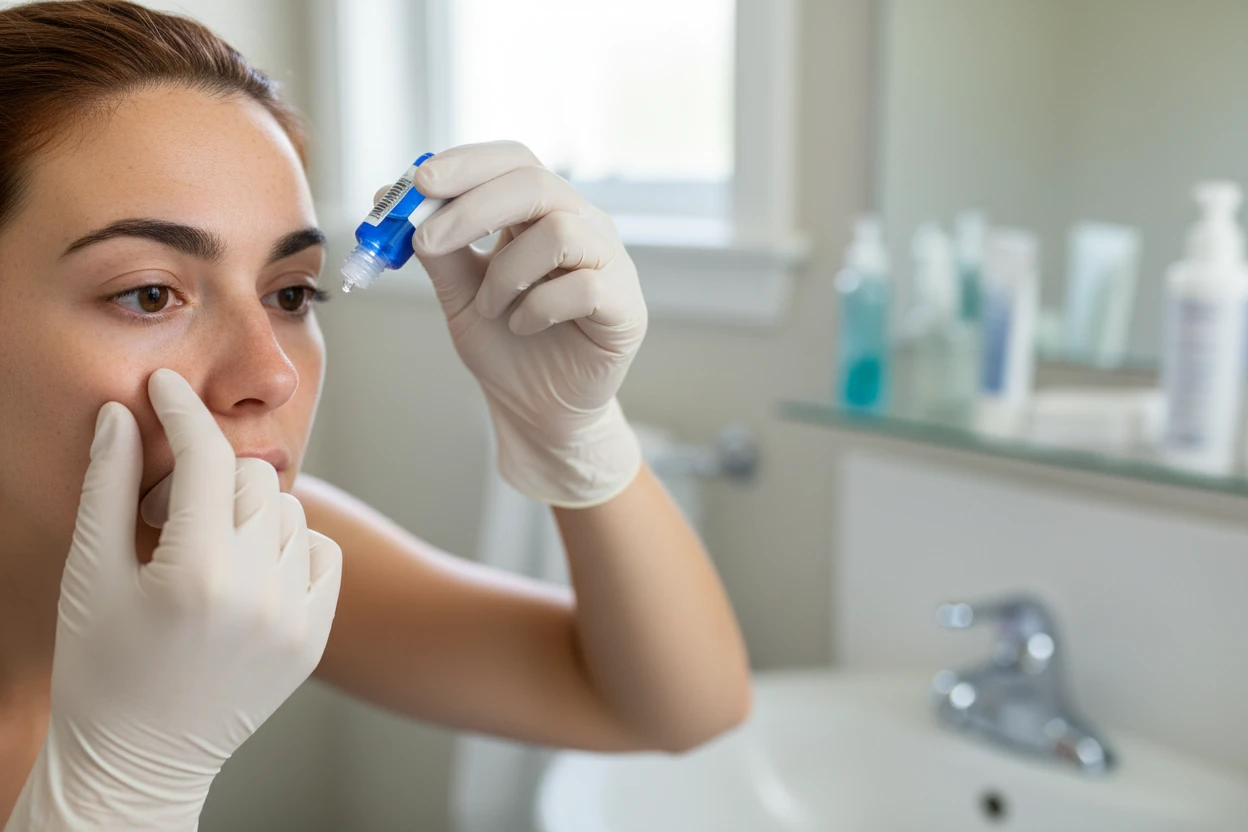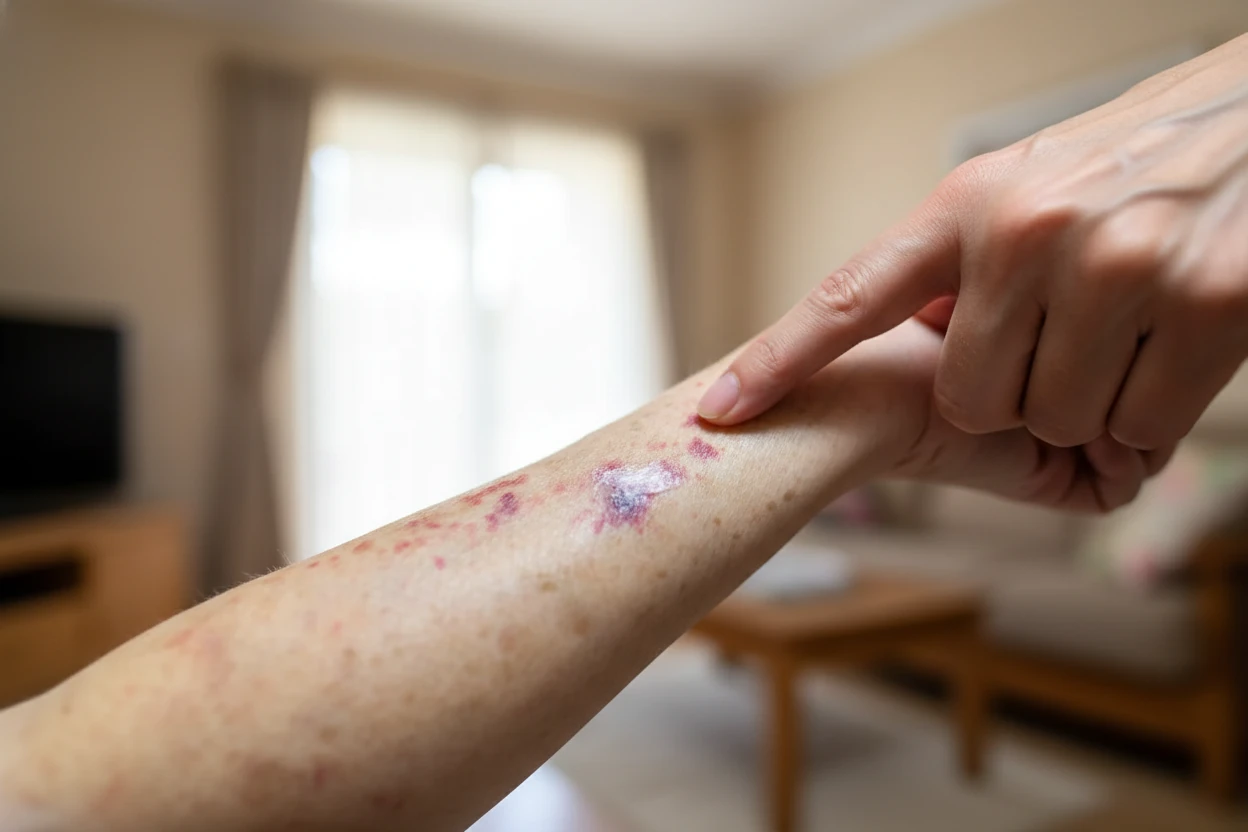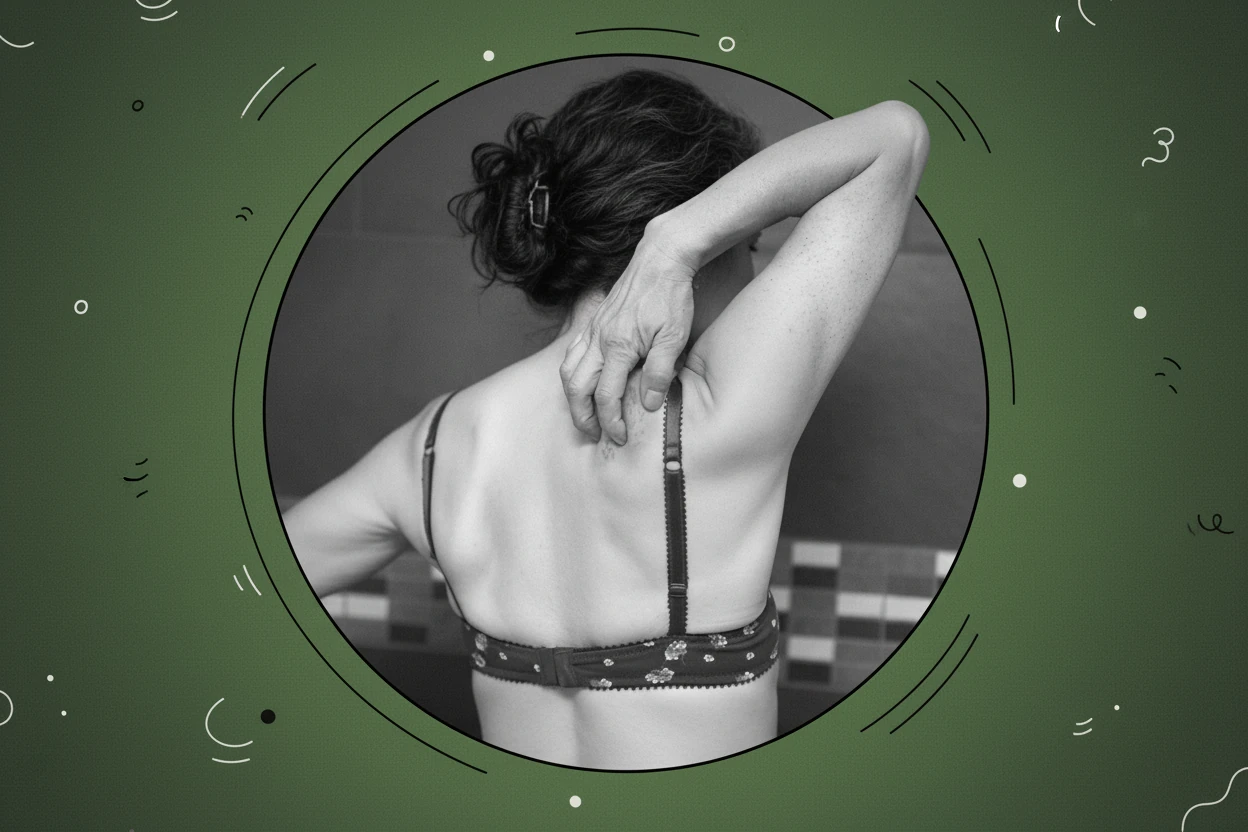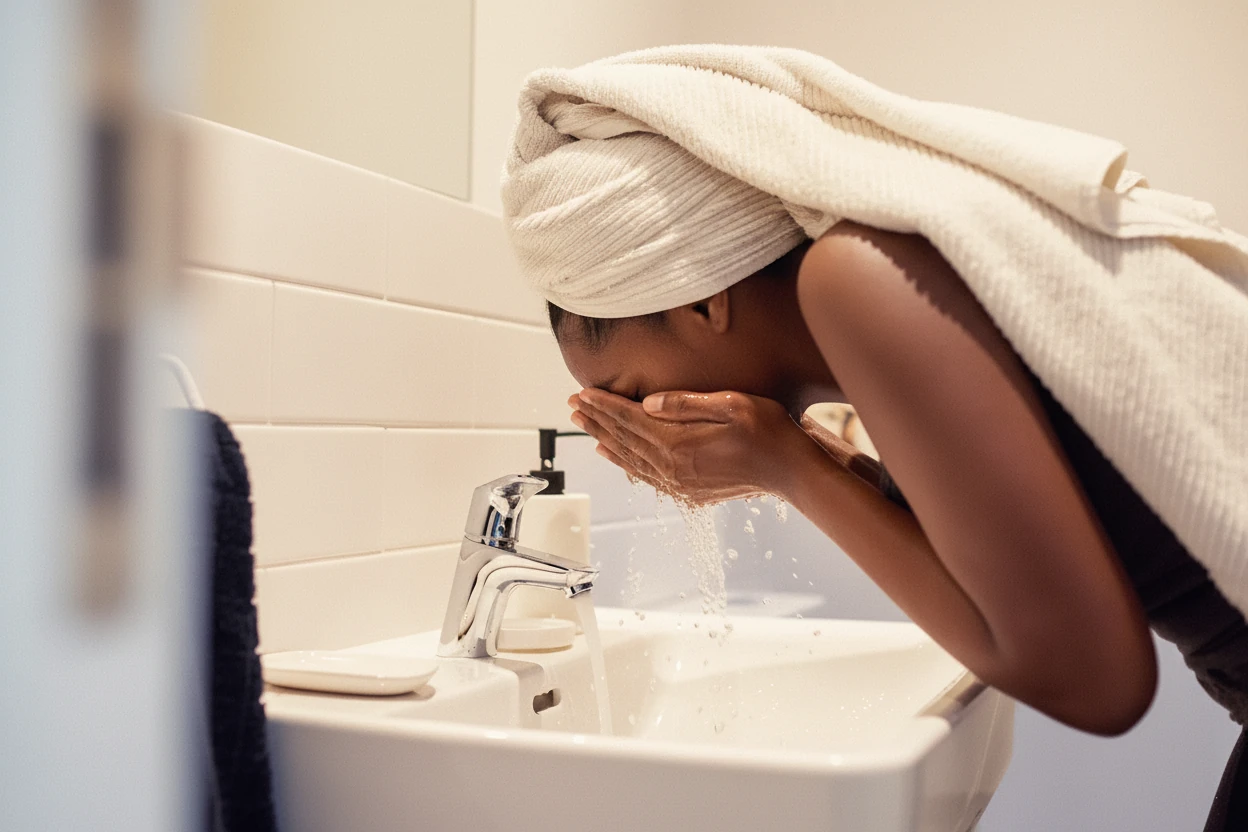
Blackheads are one of the most common forms of acne, affecting nearly everyone at some point in their lives, especially teenagers and young adults undergoing hormonal changes1. These small dark bumps appear mainly on the face, neck, back, and chest due to clogged pores filled with excess oil and dead skin cells2. While blackheads do not seriously affect physical health, they can cause significant emotional distress, including anxietyanxietyanxiety-13-evidence-based-optionsanxiety-13-evidence-based-optionsanxiety and mood disorders1. Understanding their causes, removal methods, and prevention strategies is essential for effective management and clearer skin3.
Understanding Blackheads
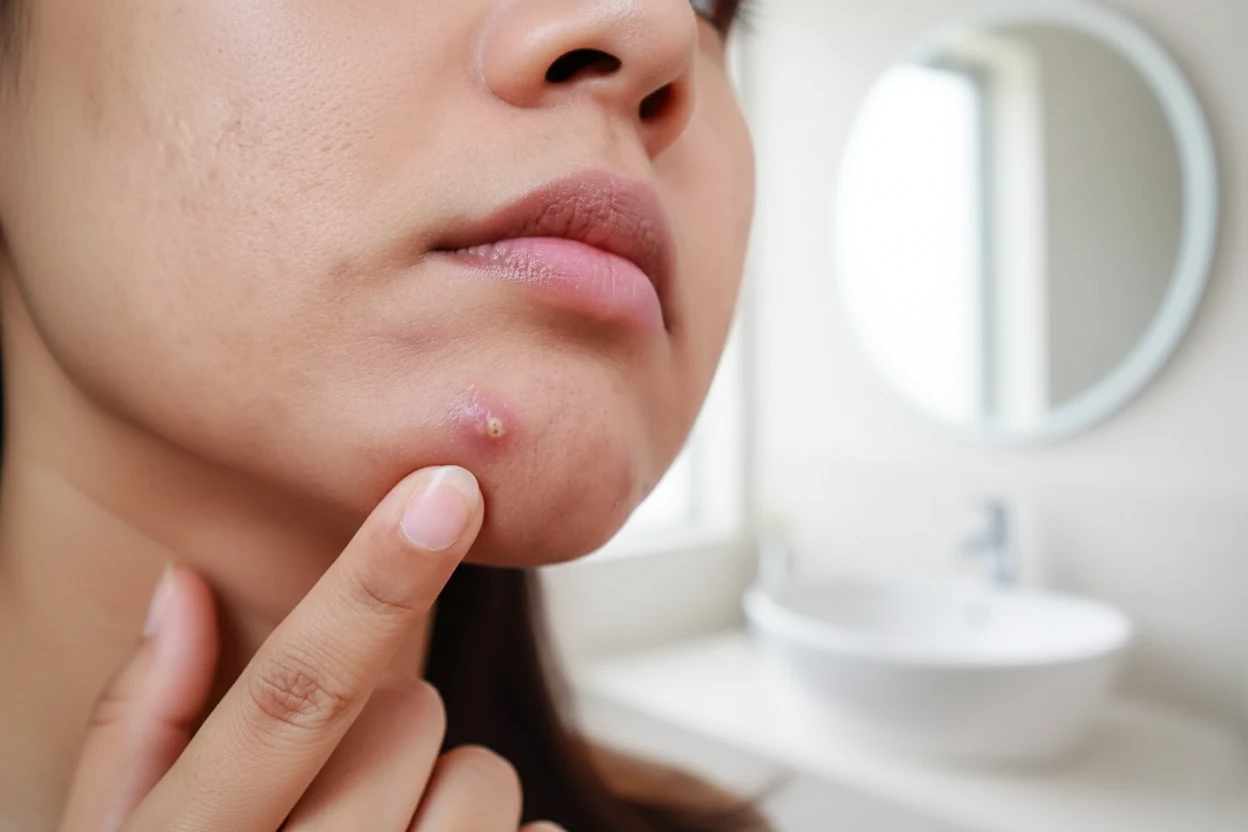
Blackheads, also known as open comedones, are a mild type of acne lesion characterized by open pores clogged with oxidized sebum (oil) and keratin (dead skin cells)4. The dark color of blackheads results from the oxidation of melanin and sebum when exposed to air, not from dirt4. They commonly appear on areas with more active oil glands such as the nose, cheeks, chin, and forehead4. Unlike whiteheads, which are closed comedones, blackheads have an open surface that allows oxidation to occur1.
The formation of blackheads involves several factors: excess sebum production, abnormal shedding of skin cells inside the follicle, and the presence of bacteria such as Cutibacterium acnes, which can contribute to inflammation in more severe acne types5. However, blackheads themselves are typically non-inflammatory and do not cause pain or discomfort1. They are easily recognizable as small, dark bumps on the skin surface.
💡 Did You Know? Blackheads are a very common skin condition that mostly affects your face, neck, back, and chest. They look like dark spots because the clogged pores oxidize when exposed to air1.
Blackhead Causes
Blackheads form when hair follicles become clogged with a mixture of dead skin cells and excess oil (sebum) produced by sebaceous glands4. This clogging creates an open comedone, which darkens due to oxidation2. Several factors contribute to blackhead formation:
- Hormonal changes during puberty increase androgen levels, which stimulate sebaceous glands to produce more sebum4.
- Genetics play a significant role in acne susceptibility, including blackheads4.
- Certain medications, such as corticosteroids and lithium, can worsen acne and blackhead formation4.
- Excessive sebum production combined with abnormal keratinization (skin cell shedding) leads to clogged pores4.
- Oily hair touching the face can transfer sebum and worsen pore clogging1.
- Friction and occlusion from tight clothing or frequent touching of the face may exacerbate acne4.
Blackheads are most common during adolescence due to hormonal fluctuations but can affect adults as well1. Unlike inflammatory acne, blackheads do not involve bacterial infection or redness unless secondary infection occurs4.
Effective Blackhead Removal Methods
Proper removal of blackheads is important to avoid skin damage, infection, and scarring. Various treatment options exist, ranging from topical agents to professional procedures.
Antibiotics
Antibiotics are primarily used to reduce bacterial colonization and inflammation in inflammatory acne rather than for blackheads alone4. Both topical and oral antibiotics, such as tetracycline-class drugs like doxycycline, are effective against acne-causing bacteria4. However, antibiotics should be used short-term and in combination with agents like benzoyl peroxide to reduce the risk of antibiotic resistance4. For blackheads specifically, antibiotics are not the first-line treatment.
Chemical Peel
Superficial chemical peels containing agents like salicylic acid can help clear comedones by exfoliating the skin and removing dead skin cells4. These peels penetrate pores to dissolve the material clogging them, improving skin texture and reducing blackheads6. Deep chemical peels are reserved for severe skin conditions and are not typically used for blackhead treatment4.
Cleansers and Exfoliators
Daily cleansing with gentle, non-comedogenic products is essential to remove excess oil and dirt that contribute to blackhead formation7. Salicylic acid, a beta-hydroxy acid (BHA), is especially effective because it is oil-soluble and penetrates pores to break down sebum and dead skin cells6. Alpha-hydroxy acids (AHAs) like glycolic acid exfoliate the skin surface, helping prevent clogged pores6. Clay masks and charcoal masks can also draw out oils and impurities from the skin2.
Comedo Extraction
Manual extraction of blackheads using specialized tools can effectively remove clogged material from pores8. However, extraction should be performed by trained professionals such as dermatologists or estheticians to minimize risks of skin damage, infection, and scarring4. DIY extraction or squeezing blackheads at home can push debris deeper into the skin and cause inflammation1.
“Extraction might sound scary, but many health professionals know how to remove unsightly blackheads with specialized tools.”
— Debra Jaliman, MD8
Laser Therapies
Laser and light therapies target acne by reducing oil production and killing bacteria on the skin3. These treatments can gently exfoliate the skin and improve blackhead appearance by promoting skin renewal and reducing sebaceous gland activity9. While more commonly used for inflammatory acne, laser therapies may benefit stubborn blackheads as part of a comprehensive treatment plan3.
Microdermabrasion
Microdermabrasion is a physical exfoliation technique that sands the outer skin layers to remove dead skin cells and unclog pores3. This procedure can improve skin texture and reduce blackheads but should be performed by professionals to avoid irritation6. It is often combined with other treatments for better results.
Retinoids
Topical retinoids, derived from vitamin A, are highly effective in preventing and treating blackheads by normalizing follicular epithelial desquamation and increasing skin cell turnover1011. Retinoids help unplug pores and reduce comedone formation12. They are considered first-line therapy for blackheads and mild acne10. Retinoids can be used alone or in combination with other agents like benzoyl peroxide for enhanced efficacy4.
Preventing Blackheads
Prevention focuses on maintaining clear pores and minimizing factors that contribute to clogging. Effective prevention strategies include:
- Washing the face twice daily with a gentle cleanser to remove excess oil and dirt3.
- Using non-comedogenic (non-pore-clogging) skincare and makeup products7.
- Avoiding picking, squeezing, or popping blackheads to prevent irritation and infection1.
- Regular exfoliation with alpha and beta hydroxy acids to remove dead skin cells6.
- Keeping hair clean and away from the face to reduce oil transfer1.
- Avoiding tight clothing or accessories that cause friction and occlusion4.
- Removing makeup before bed to prevent pore blockage7.
Antibiotics and benzoyl peroxide are useful for inflammatory acne but have limited roles in preventing blackheads alone4. Consistent skincare routines and avoiding mechanical irritation are key to reducing blackhead formation10.
Key Takeaways
- Blackheads are open comedones caused by clogged pores filled with oxidized sebum and dead skin cells, commonly appearing on the face, neck, back, and chest41.
- Hormonal changes, genetics, medications, and environmental factors contribute to blackhead development4.
- First-line treatments include topical retinoids and salicylic acid, which help exfoliate skin and prevent pore clogging106.
- Manual extraction should be performed by professionals to avoid skin damage and infection48.
- Prevention involves gentle cleansing, use of non-comedogenic products, regular exfoliation, and avoiding skin picking17.