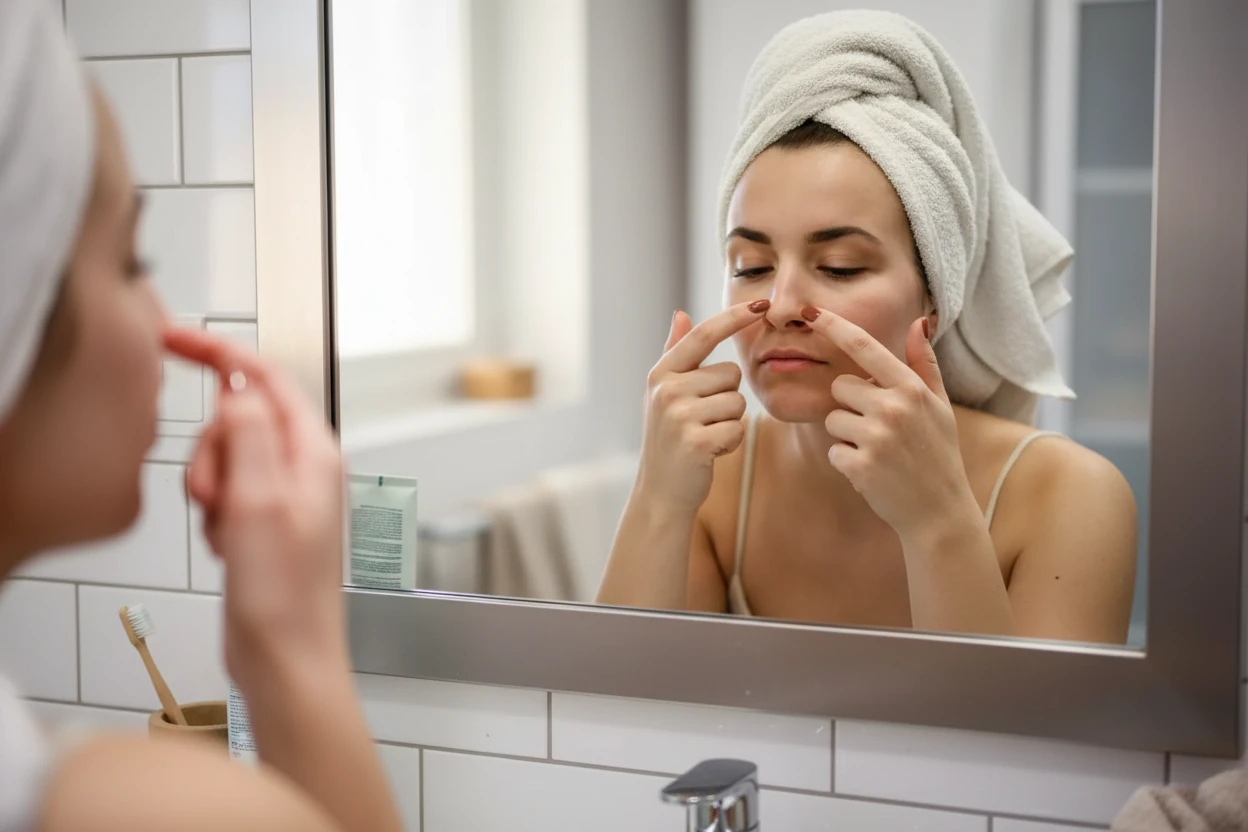
Pimples inside the nose are a common but often uncomfortable issue that many people experience. These bumps typically result from clogged pores, ingrown hairs, or infections caused by bacteria entering through minor trauma to the nasal area1. While most nasal pimples are harmless and resolve with simple home care, some can lead to more serious infections if left untreated2. Understanding the symptoms, causes, and proper treatment can help prevent complications and promote faster healing3.
Recognizing the Symptoms
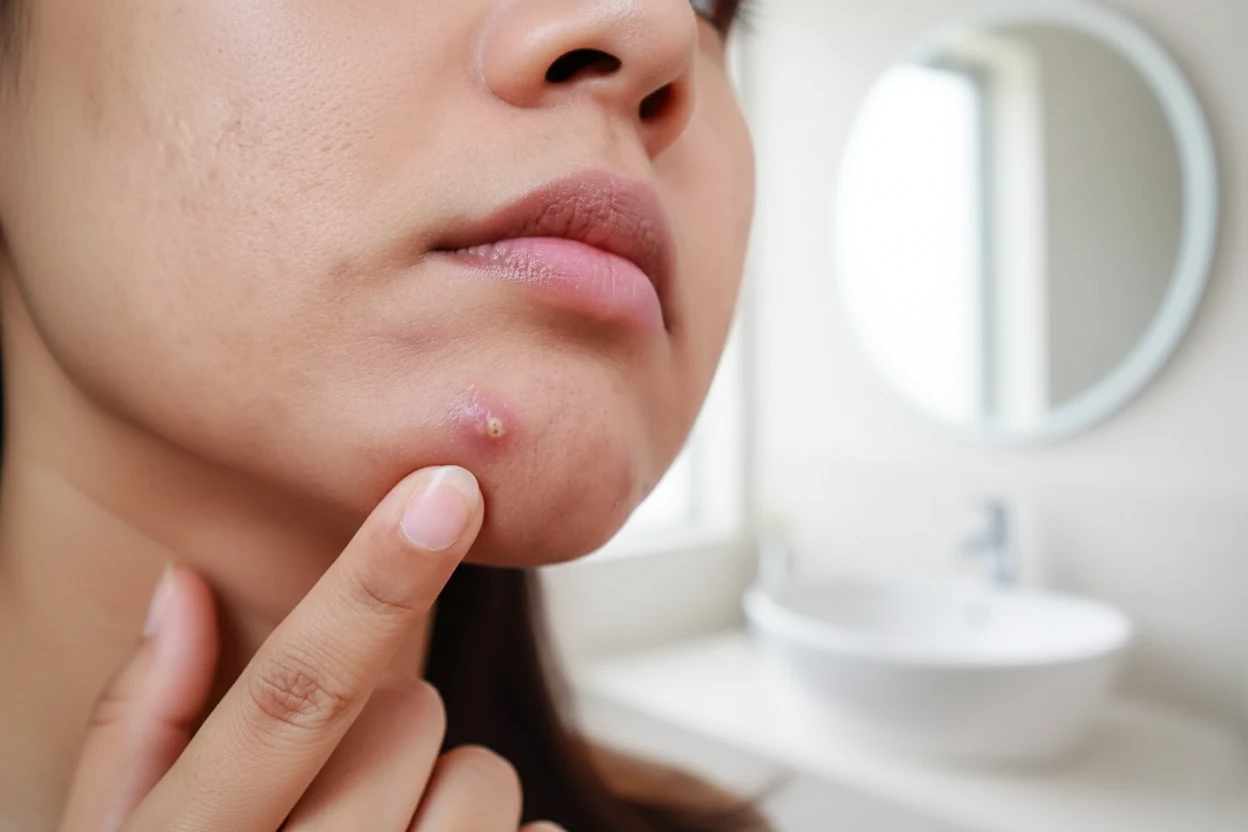
A pimple inside the nose usually appears as a painful, swollen bump that may be red or white4. These pimples can manifest as inflamed papules or pustules, often containing pus5. Some may look like comedones, which are flesh-colored, white, or dark bumps; blackheads are open comedones, while whiteheads are closed4. Nasal vestibulitis, a common infection of the nasal vestibule (the entrance of the nostrils), often causes crusting, pain, swelling, and redness inside the nose4. Other symptoms may include itching, bleeding, and dryness in the nasal area3. Infected pimples can cause severe pain and swelling, sometimes accompanied by crusting or discharge6.
Common Causes of Nasal Pimples
Acne
Acne inside the nose develops when pores become clogged by dead skin cells, excess oil, and bacteria2. The nose is especially vulnerable because its pores tend to be larger, making them prone to blockage7. Hormonal changes, seasonal skin variations, and stress can also contribute to acne-breakouts-the-connectionacne-bacne-causes-treatments-and-preventionacne formation on the nose8. Acne lesions inside the nose may appear as whiteheads, blackheads, or inflamed pimples7.
Nasal Vestibulitis
Nasal vestibulitis is an infection of the nasal vestibule caused primarily by the bacteria Staphylococcus aureus4. This infection often results from minor trauma such as nose picking, plucking nasal hairs, excessive nose blowing, or having a nose piercing2. People with diabetes, weakened immune systems, or those undergoing cancer treatment are at higher risk3. Symptoms include painful, red, and swollen bumps inside the nostrils, sometimes with crusting and discharge6. If untreated, nasal vestibulitis can lead to more severe infections like abscesses or cellulitis4.
Folliculitis
Folliculitis occurs when hair follicles inside the nose become inflamed or infected, often due to bacterial invasion after plucking or shaving nasal hairs5. This condition causes small, red, and painful bumps that can resemble pimples3. Folliculitis is generally mild but requires proper hygiene and sometimes medical treatment to prevent worsening3.
Nasal Furunculosis
Nasal furunculosis is a deeper bacterial infection of hair follicles inside the nose, leading to painful boils or furuncles9. These lesions are larger and more severe than typical pimples and can cause fever and facial swelling2. If left untreated, furuncles may progress to cellulitis, a serious skin infection that can spread to the bloodstream9. Prompt medical intervention is crucial to prevent complications.
Diagnosing a Nose Pimple
Diagnosis of a nasal pimple usually involves a physical examination and review of symptoms by a healthcare provider4. If an infection is suspected, a swab from inside the nostril may be taken to identify the bacterial cause4. In severe or persistent cases, imaging tests such as MRI or CT scans may be performed to evaluate the sinuses and surrounding tissues4. Referral to a dermatologist may be necessary for acne-related nasal pimples that do not respond to initial treatments4.
Effective Treatment Options
Most nasal pimples improve with simple home care measures. Applying warm compresses helps reduce pain and swelling by increasing blood flow to the area4. Gently cleaning the inside of the nose with mild soap and warm water keeps the area free from irritants and bacteria4. Over-the-counter acne treatments containing topical retinol, benzoyl peroxide, or salicylic acid can be effective for acne-related pimples inside the nose4. Essential oils with antibacterial properties, such as diluted tea tree oil, may also aid healing but should be used cautiously to avoid irritation4.
For infections like nasal vestibulitis or furunculosis, medical treatment with topical antibiotics such as bacitracin or mupirocin is often necessary6. Oral antibiotics like cephalexin or doxycycline may be prescribed for more severe infections6. In rare cases of deep infections, intravenous antibiotics or surgical drainage of abscesses may be required6. It is important to avoid popping or squeezing pimples inside the nose, as this can increase the risk of spreading infection10.
Prevention Strategies
A pimple, spot, or zit in the nose often results from a blocked pore or ingrown nose hair. However, a pimple in the nose can sometimes indicate a more severe condition, such as an infection1.
Preventing pimples inside the nose involves minimizing trauma and bacterial exposure to the nasal vestibule. Key prevention tips include:
- Avoid picking or scratching inside the nose to reduce the risk of introducing bacteria4.
- Do not pluck or shave nasal hairs, as this can cause ingrown hairs and infections1.
- Blow your nose gently and only as needed to prevent irritation4.
- Maintain good hand hygiene by washing hands before touching the nose4.
- Manage stress effectively, as stress can contribute to acne flare-ups4.
These measures help reduce inflammation and bacterial colonization inside the nose, lowering the chance of developing pimples or infections4.
Potential Complications
While most nasal pimples are harmless and resolve with self-care, untreated infections can lead to serious complications. Nasal vestibulitis may progress to mid-face cellulitis, an infection of the skin and soft tissues around the nose4. Abscess formation (a collection of pus) can occur, requiring drainage and antibiotic treatment4. In rare cases, infections can spread to the veins of the face and brain, causing cavernous sinus thrombosis, a life-threatening condition characterized by fever, eye swelling, and severe headache4. Prompt medical attention is essential if symptoms worsen or signs of systemic infection develop3.
| Complication | Description | Treatment |
|---|---|---|
| Mid-face cellulitis | Infection of skin around the nose | Antibiotics |
| Abscess formation | Pus-filled swelling inside the nose | Surgical drainage and antibiotics |
| Cavernous sinus thrombosis | Infection spreading to brain veins causing severe symptoms | Emergency medical care |
| Sources:4 | ||
Key Takeaways
- Pimples inside the nose commonly result from clogged pores, ingrown hairs, or bacterial infections like nasal vestibulitis4.
- Symptoms include painful, swollen bumps that may be red, white, or crusted inside the nostrils4.
- Home treatments such as warm compresses, gentle cleaning, and topical acne products are effective for most cases4.
- Avoid picking or plucking nasal hairs to reduce the risk of infection4.
- Seek medical care promptly if pimples become severely painful, swollen, or if fever develops to prevent serious complications4.
Nasal vestibulitis refers to an infection inside your nostrils (nasal vestibule). It’s often the result of excessive nose blowing or picking. Common symptoms include scabbing and crusting around the opening of your nose. Treatments include oral antibiotics, antibiotic ointments, or both6.
Frequently Asked Questions
Are pimples inside the nose serious?
Most nasal pimples are benign and resolve with home care. However, infections like nasal vestibulitis can become serious if untreated, so medical evaluation is recommended for persistent or painful lesions4.
Can I pop a pimple inside my nose?
Popping or squeezing pimples inside the nose is not advised because it can spread bacteria and worsen infection10.
What causes pimples inside the nose?
Common causes include clogged pores, ingrown hairs from plucking or shaving nasal hairs, bacterial infections like nasal vestibulitis, and folliculitis123.
How long do nasal pimples last?
Duration varies depending on size and severity. Most resolve within a few days to two weeks with proper care. Pimples lasting longer than two weeks should be evaluated by a healthcare provider4.
When should I see a doctor for a nasal pimple?
Seek medical attention if the pimple is very painful, swollen, spreading, accompanied by fever, or if symptoms do not improve after a few days of treatment3.