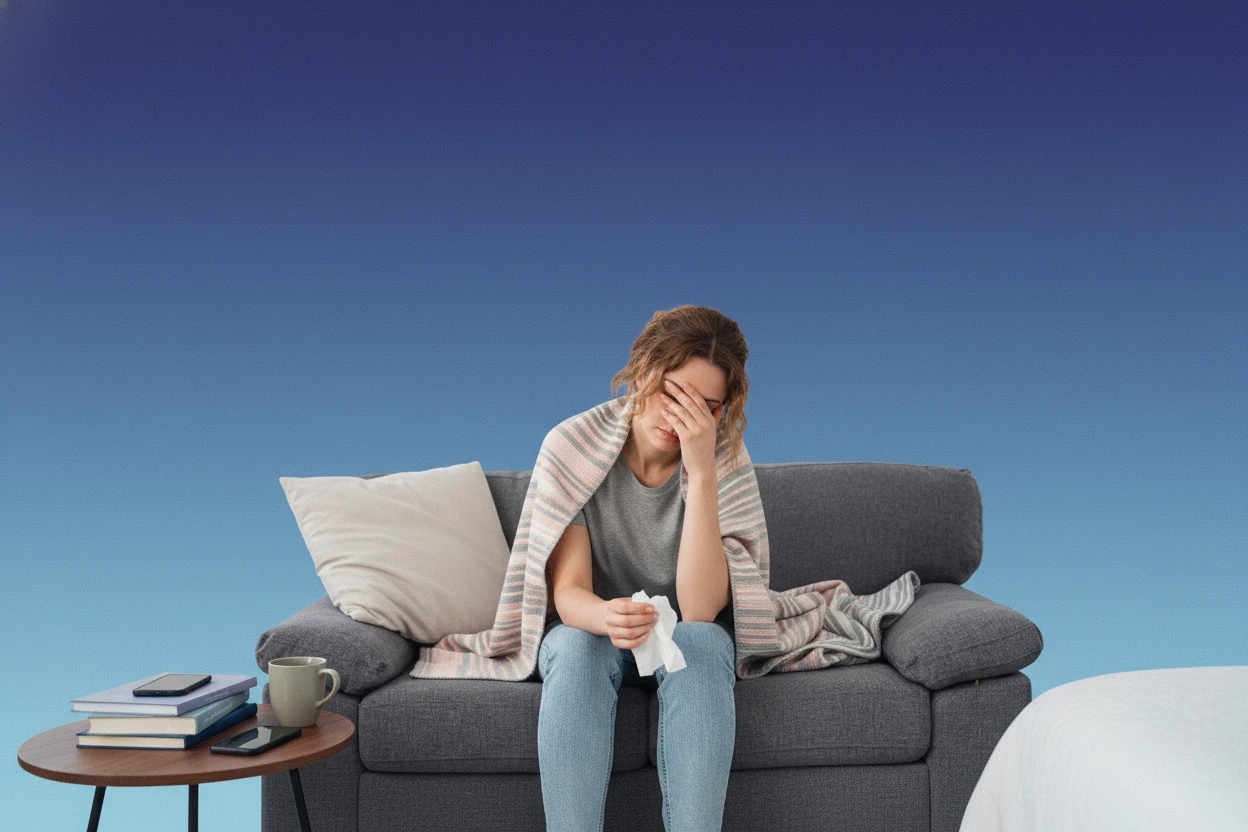
Headache disorders affect about half of adults worldwide, making them one of the most common neurological conditions1. Migraines alone impact roughly 30% of people, often causing significant disability and reduced quality of life1. Understanding the risk factors and prevention strategies is essential to reduce headache frequency and severity, improving daily functioning and wellbeing2.
Headache Risk Factors
Headache disorders vary widely in type and cause, with different risk factors influencing each subtype. Recognizing these factors can help individuals and healthcare providers tailor prevention and management strategies effectively3.
Risk Factors for Tension Headaches
Tension-type headaches are the most common form of headache, characterized by bilateral, pressing or tightening pain often described as a band-like pressure around the head2. They are most prevalent in young adults and more common in women than men2. Key risk factors include:
- Female sex2
- Young adulthood2
- Physical stress and muscle tension, especially in the neck and shoulders2
- Psychiatric comorbidities such as depression and anxiety4
- Sleep disturbances, including poor sleep quality and irregular sleep patterns2
- Irregular eating patterns or skipping meals2
These factors can trigger or worsen tension headaches by increasing muscle tension or altering pain perception2.
Risk Factors for Cluster Headaches
Cluster headaches are rare but extremely painful headaches that typically cause severe, unilateral pain focused around one eye or one side of the head56. They tend to occur in cyclical patterns or clusters lasting weeks to months5. While the exact risk factors are less well-defined compared to other headache types, family history is a notable contributor7. Other possible risk factors include:
- Genetic predisposition (family history)7
- Male sex (cluster headaches are more common in men, though not explicitly stated here)5
- Smoking and alcohol use (commonly reported but not detailed in the provided data)6
Cluster headaches often begin suddenly and reach peak intensity within minutes, making early recognition and treatment critical5.
Risk Factors for Migraine
Migraine is a complex neurological disorder characterized by recurrent moderate-to-severe headaches often accompanied by nausea, vomiting, and sensitivity to light or sound8. The lifetime prevalence of migraine-symptoms-causes-and-treatmentmigraine-prodrome-symptoms-and-feelingsmigraine is higher in women (about 18%) than men (about 6%)9. Important risk factors include:
- Female sex, especially related to hormonal fluctuations such as menstruation, pregnancy, and menopause28
- Young to middle adulthood2
- Stress and anxiety102
- Sleep disturbances, including poor sleep quality and irregular sleep patterns211
- Psychiatric comorbidities like depression and anxiety4
- Lifestyle factors such as irregular eating, caffeine consumption, and dehydration10212
- Family history of migraine or other headache disorders7
Environmental triggers such as bright or flashing lights, strong odors, and weather changes can also precipitate migraine attacks11. Additionally, some medications and physical triggers like head trauma or overexertion may increase risk11.
Genetic Predisposition
Genetics play a significant role in headache disorders, especially migraine. Heritability estimates for migraine range from 40% to 60%, indicating a strong genetic influence7. Familial hemiplegic migraine, a rare inherited subtype, follows an autosomal dominant pattern, meaning a single affected parent can pass the condition to offspring107. This form is characterized by migraine-like symptoms accompanied by neurological signs such as hemiparesis (weakness on one side of the body) and sensory disturbances7.
Key genetic mutations associated with familial hemiplegic migraine include:
- CACNA1A
- ATP1A2
- SCN1A
- PRRT27
Genetic predisposition is also implicated in cluster headaches and tension-type headaches, though specific genes for these conditions are less well-defined7. Family history remains a strong predictor for developing these headache disorders7.
Headache Prevention Tips
Effective headache prevention often combines lifestyle modifications, trigger management, and, when appropriate, medications. Tailoring prevention strategies to individual headache types and triggers improves outcomes2.
Avoiding Triggers
Identifying and avoiding personal headache triggers is a cornerstone of prevention. Common triggers include:
- Hormonal changes, particularly in women during menstrual cycles or hormone therapy28
- Caffeine consumption and withdrawal213
- Stress and emotional factors10213
- Sleep disturbances and irregular sleep patterns212
- Dietary factors such as skipping meals, fasting, aged cheese, processed meats, alcohol, and certain food additives like MSG2128
Because triggers vary widely among individuals, keeping a headache diary can help recognize patterns and manage exposure effectively811.
Sleeping Well
Quality sleep is essential for headache prevention. Poor sleep patterns are a leading cause of chronic headaches and migraines1211. Recommendations for healthy sleep include:
- Aim for 7–8 hours of sleep each night12
- Maintain consistent sleep and wake times, even on weekends1211
- Avoid oversleeping or sleep deprivation, both of which can trigger headaches1213
- Create a sleep-friendly environment with minimal noise, light, and electronic distractions11
- Discuss possible sleep disorders such as sleep apnea with a healthcare provider if snoring or daytime fatigue is present13
Good sleep hygiene reduces headache frequency and severity by stabilizing brain chemistry and reducing stress1211.
Staying Hydrated
Dehydration is a common trigger for headaches. Proper hydration helps maintain electrolyte balance and supports normal brain function1012. Tips for hydration include:
- Drink at least eight glasses (about 2 liters) of water daily12
- Avoid excessive caffeine and alcohol, which can cause dehydration or withdrawal headaches21213
- Monitor fluid intake during exercise or hot weather to prevent dehydration-related headaches12
Maintaining hydration can reduce headache frequency and intensity10.
Getting Exercise
Regular physical activity is a natural and effective way to reduce headache frequency and severity101214. Exercise helps by:
- Releasing endorphins, which block pain signals to the brain13
- Reducing muscle tension and stress1012
- Improving cardiovascular health and sleep quality10
Recommended exercise guidelines for headache prevention include:
- Engage in moderate aerobic exercise for 30 minutes, 3–5 times per week101213
- Avoid overexertion or inconsistent workout routines that may trigger headaches12
Exercise is a key lifestyle modification supported by clinical evidence to prevent migraines and tension headaches1014.
Managing Stress
Stress is a common trigger for many headache types, especially migraines and tension headaches10213. Effective stress management techniques include:
- Practicing relaxation methods such as meditation, deep breathing, or yoga101512
- Using biofeedback therapy or cognitive behavioral therapy for long-term stress reduction108
- Scheduling regular downtime to prevent "stress letdown" headaches after intense periods12
- Identifying and coping with unavoidable triggers through education and self-management11
Reducing stress can significantly decrease headache frequency and improve quality of life1012.
Trying Complementary Methods
Complementary approaches can support headache prevention alongside lifestyle changes. Evidence-based options include:
- Acupuncture, which has shown benefit in reducing migraine frequency168
- Mindfulness and relaxation techniques to reduce headache episodes10158
- Nutritional supplements such as magnesium, vitamin B2 (riboflavin), and CoQ10, which may help prevent migraines8
These methods can be integrated into a holistic headache management plan with healthcare provider guidance108.
Taking Medications
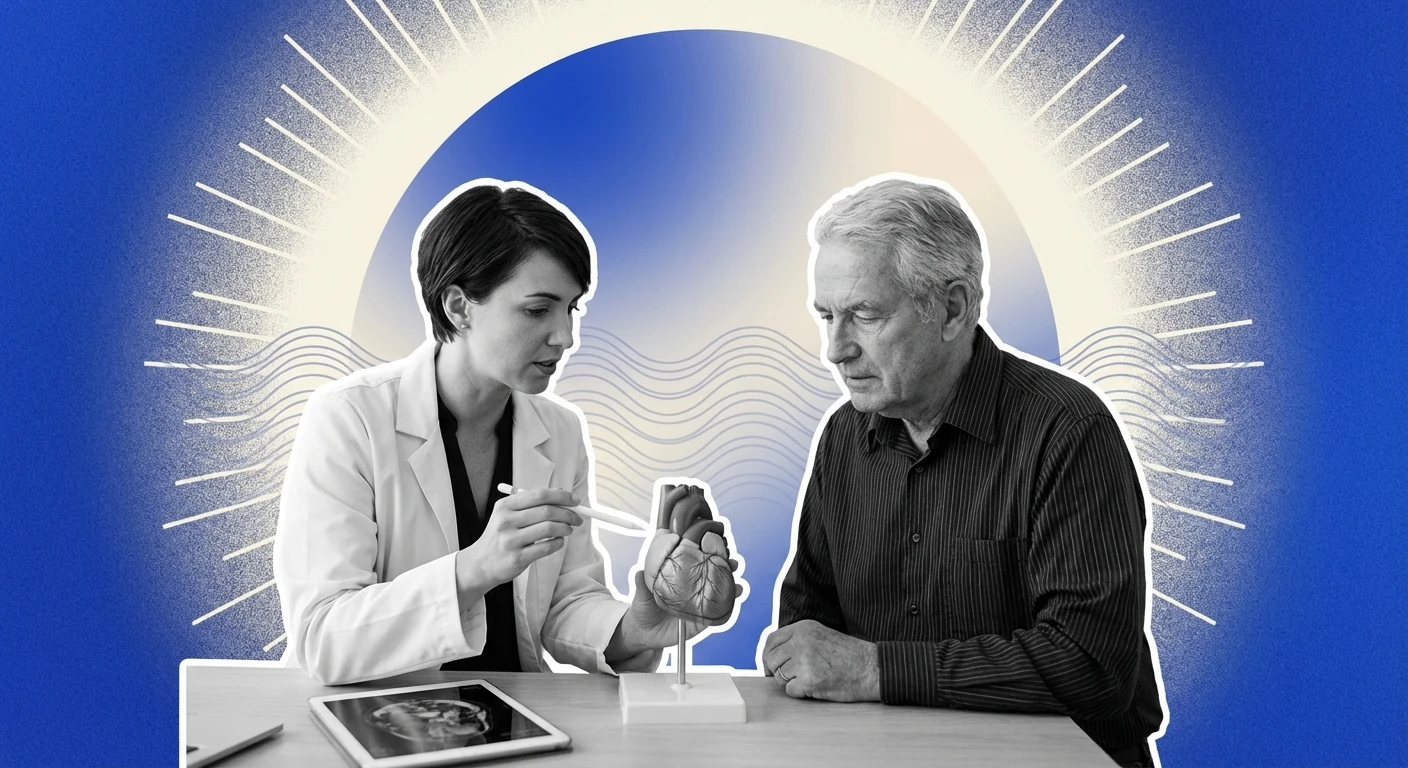
Managing headaches effectively requires a partnership with healthcare providers. Regular communication helps tailor treatments, adjust medications, and incorporate preventive strategies that fit individual lifestyles and headache types. Early intervention can reduce headache frequency and improve quality of life17183.
Preventive medications are recommended for individuals with frequent or disabling headaches, particularly migraines occurring four or more days per month91718. Common pharmacologic options include:
| Medication Type | Examples | Notes |
|---|---|---|
| Beta-adrenergic blockers | Metoprolol, Propranolol | First-line for episodic migraine prevention17 |
| Antiseizure medications | Valproate, Topiramate | Used if initial treatments are ineffective17 |
| Antidepressants | Amitriptyline, Venlafaxine | Serotonin-norepinephrine reuptake inhibitors17 |
| CGRP antagonists and monoclonal antibodies | Atogepant, Rimegepant, Erenumab, Fremanezumab | Newer options for migraine prevention1718 |
| Sources:91718 | ||
Adherence to medication regimens is crucial, as preventive effects may take several weeks to become apparent17. Medication overuse should be avoided to prevent rebound headaches11.
When to See Your Doctor
Persistent or disabling headaches warrant medical evaluation to optimize treatment and prevent complications3. Consult a healthcare provider if you experience:
- Headaches occurring frequently or worsening in intensity3
- Headache-related disability affecting daily activities3
- New or unusual headache symptoms, such as neurological changes3
- Suspected medication overuse or rebound headaches11
- Sleep disturbances like snoring or daytime fatigue suggestive of sleep apnea13
Healthcare providers can help adjust medications, recommend lifestyle changes, and address comorbidities that contribute to headache burden3. Major lifestyle or medication changes should always be discussed with a provider to ensure safety and effectiveness3.