Recent research has revealed that young adults who have had COVID-19 face a significantly increased risk of hearing loss compared to those who have not been infected1. A large nationwide study in South Korea involving over six million individuals aged 20 to 39 years found that COVID-19 infection was associated with a more than threefold higher risk of both general hearing loss and sudden sensorineural hearing loss (SSNHL)1. This emerging evidence highlights the importance of understanding the auditory effects of COVID-19 in younger populations, who typically have low baseline rates of hearing impairment1.
COVID-19 and Hearing Connection
The relationship between COVID-19 and hearing loss, particularly sensorineural hearing loss (SNHL), has become a growing concern in otolaryngology. SNHL occurs when there is damage to the inner ear or the auditory nerve pathways, leading to impaired hearing1. Several mechanisms have been proposed to explain how SARS-CoV-2, the virus causing COVID-19, might lead to hearing impairment:
- Direct viral damage to cochlear hair cells, which are essential for converting sound vibrations into neural signals2.
- Microvascular injury causing reduced blood flow and ischemia in the cochlea2.
- Immune-mediated cochlear inflammation triggered by the body's response to the virus2.
- Cytokine-induced damage resulting from the systemic inflammatory response known as a cytokine storm3.
A nationwide population-based cohort study from South Korea utilized data from the Korea Disease Control and Prevention Agency and the National Health Insurance Service to investigate this association in young adults aged 20 to 39 years4. This age group was specifically chosen to minimize confounding from age-related hearing loss, which is more common in older populations4.
“The new research may be an 'alert' that 'COVID-19 may be an independent risk factor for hearing loss and sudden sensorineural hearing loss among young adults,' said Hye Jun Kim, a biomedical sciences PhD candidate at Seoul National University and an author of the study.10”
— Hye Jun Kim, biomedical sciences PhD candidate, Seoul National University
Key findings from this study include:
- COVID-19 infection was associated with a significantly increased risk of hearing loss after adjusting for demographic and health variables such as age, sex, household income, comorbidities, and vaccination status4.
- The incidence of sensorineural hearing loss was notably higher in COVID-19 patients compared to controls without infection5.
- Sudden sensorineural hearing loss (SSNHL), characterized by rapid onset hearing loss within 72 hours, has been reported as a possible manifestation of COVID-19, sometimes with bilateral involvement and greater severity, especially in unvaccinated individuals6.
- Vaccination against COVID-19 appears to reduce the risk of post-infection complications, including auditory symptoms7.
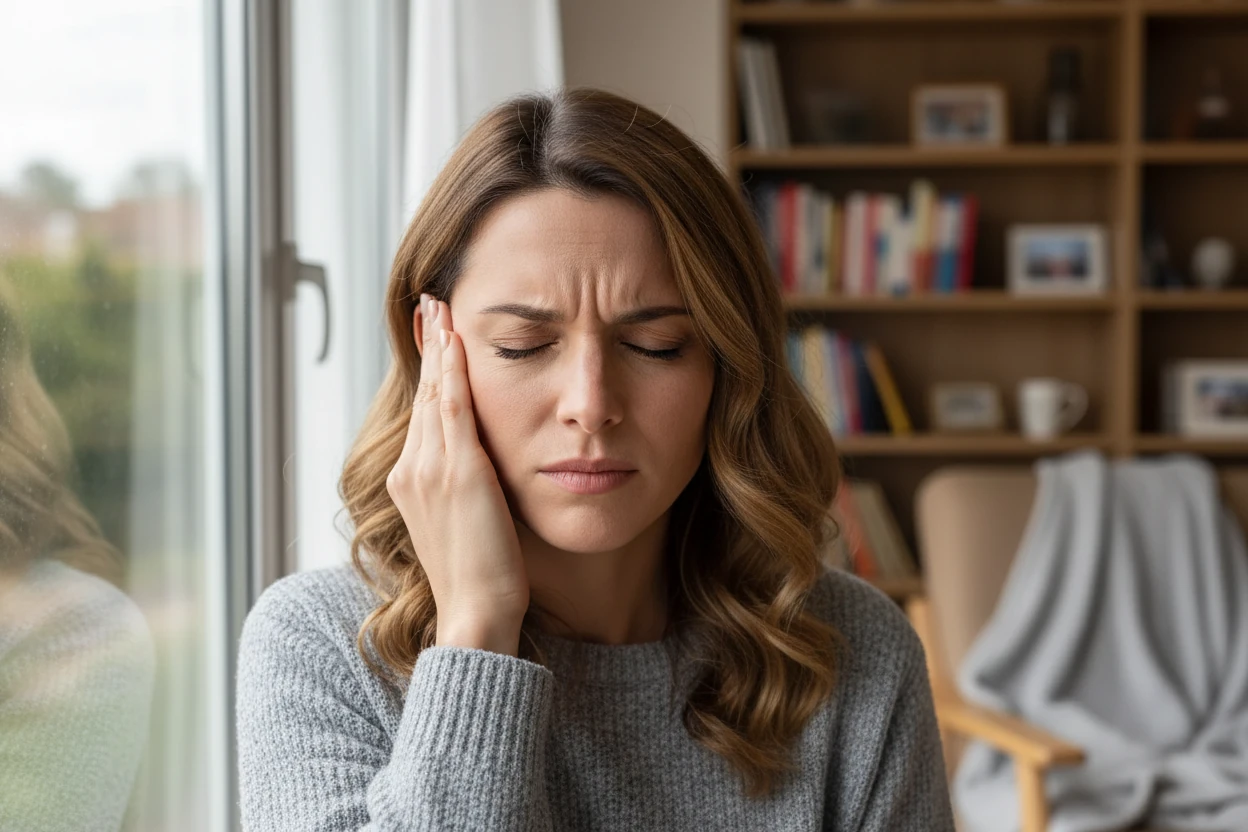
Recent case reports have documented sudden hearing loss in young adults with no prior hearing issues following COVID-19 infection, suggesting that hearing problems in this demographic have become a new public health concern8. Hearing loss in young adults can significantly affect quality of life, academic and occupational performance, and social functioning8.
A summary of the South Korean cohort study results is shown below:
| Outcome | Incidence in COVID-19 Group (per 10,000 person-months) | Incidence in Non-COVID Group (per 10,000 person-months) | Adjusted Subdistribution Hazard Ratio (aSHR)1 |
|---|---|---|---|
| Hearing Loss (HL) | 11.9 | 3.4 | 3.44 |
| Sudden Sensorineural Hearing Loss (SSNHL) | 1.8 | 0.5 | 3.52 |
These findings underscore the importance of clinicians monitoring hearing symptoms in patients with COVID-19 to enable early diagnosis and intervention9. Given the potential for hearing loss to persist or worsen without treatment, timely audiological assessment is critical9.
Need for Further Research
Despite growing evidence linking COVID-19 to hearing loss, several limitations in current research warrant cautious interpretation and highlight the need for further investigation:
- Many studies have been limited by small sample sizes, lack of control groups, and retrospective designs, which affect the generalizability of findings11.
- The causal relationship between COVID-19 and hearing loss remains unproven; most evidence shows association rather than direct causation3.
- Variability in SARS-CoV-2 variants, vaccination status, and population genetics complicates the interpretation and extrapolation of results across different regions62.
- Objective audiological data are often lacking, and many studies rely on self-reported symptoms or diagnostic codes, which may underestimate or misclassify hearing loss112.
- Selection bias may occur as individuals more concerned about COVID-19 may be more likely to seek hearing assessments1.
- The biological mechanisms underlying COVID-19-related hearing loss are not fully understood, and further biological and genetic studies are needed to confirm proposed pathophysiological pathways23.
“Overall, the findings suggested a significant association between COVID-19 and the development of hearing loss in young adults. However, the researchers believe that limitations such as the absence of objective audiological data, the retrospective study design, and the inability to generalize these findings to broader populations warrant careful interpretation of these results and necessitate further research on the subject, stated H.J. Kim and colleagues from Seoul National University College of Medicine.12”
— H.J. Kim and colleagues, Seoul National University College of Medicine
Current clinical guidelines recommend that patients reporting hearing symptoms after COVID-19 infection undergo early audiological evaluation and appropriate management9. This is important to prevent long-term auditory complications and improve quality of life9.
Key areas for future research include:
- Large-scale, prospective, controlled cohort studies with objective audiometric testing to establish causality and quantify risk313.
- Investigations into the effects of different SARS-CoV-2 variants and vaccination types on auditory outcomes69.
- Mechanistic studies exploring viral invasion of cochlear structures, immune responses, and vascular effects in the inner ear23.
- Development and evaluation of effective treatments and rehabilitation strategies for COVID-19-related hearing loss9.