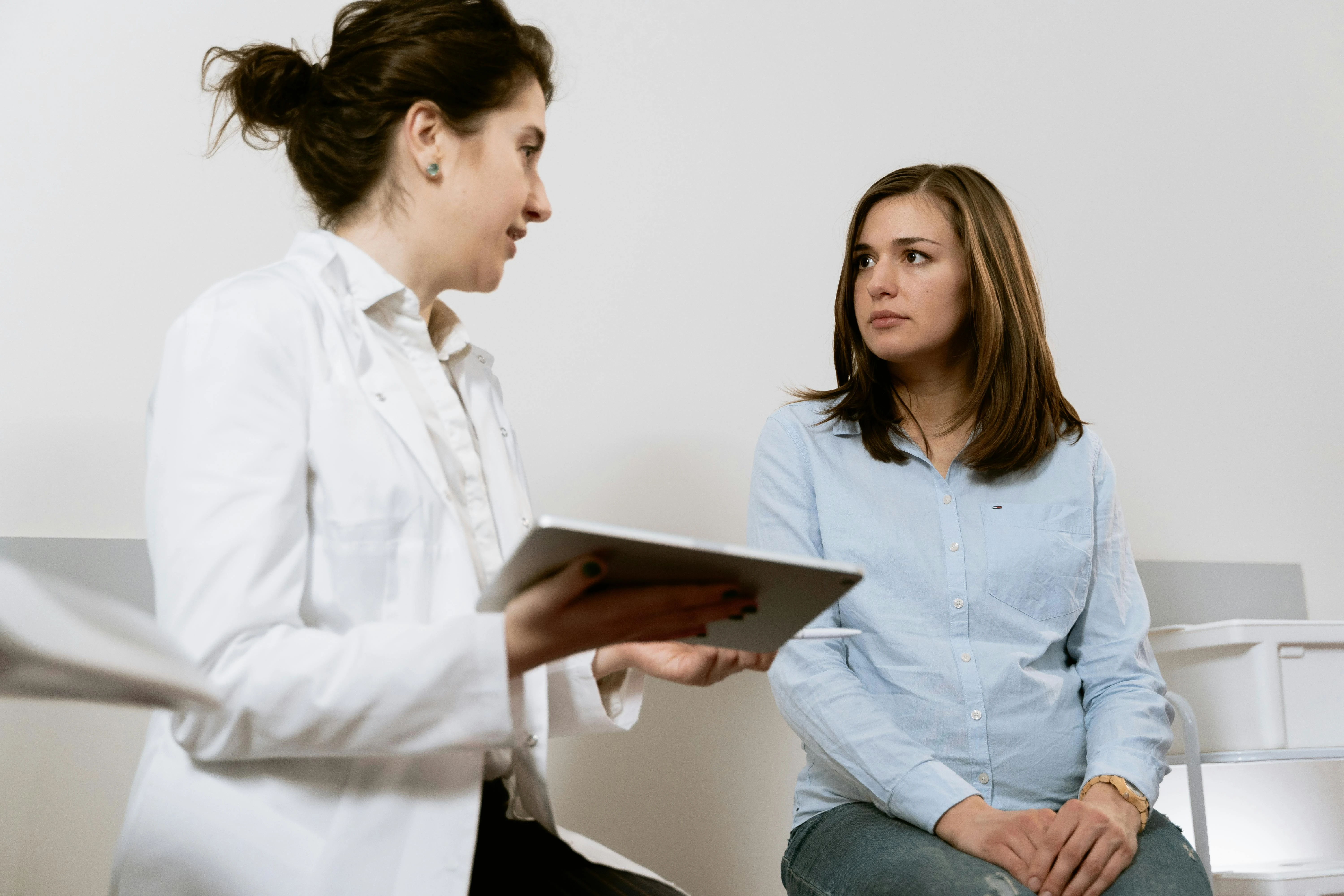
endometriosis-stages-symptoms-and-treatment">Endometriosis affects about one in ten people with uteruses worldwide, yet it often takes years to receive a diagnosis1. This delay can lead to worsening symptoms and significant physical and psychological burden2. The diagnostic process is complicated by symptom variability, normalization of pain, and the need for invasive procedures for confirmation3. Here, we explore the unique journeys of three patients—Sarah Bence, Jenneh Rishe, and Katrina Martin—highlighting the challenges and milestones in diagnosing endometriosis.
Sarah Bence: 1 Year to Diagnosis
Sarah Bence's experience with endometriosis diagnosis was notably shorter than the global average, which ranges from seven to ten years45. Despite the typical diagnostic delay, Sarah's journey took approximately one year, underscoring the variability in patient experiences1. Her symptoms included pelvic pain and gastrointestinal issues, which are common but often misattributed, contributing to diagnostic challenges2.
Sarah's Road to Diagnosis
September 2017
Sarah experienced a critical worsening of pelvic pain and constipation, prompting her to move from the United Kingdom to the United States to seek further medical evaluation1. This step marked the beginning of her active pursuit of a diagnosis.
March 2018
She underwent a colonoscopy, which returned normal results. A gastroenterologist incorrectly asserted that endometriosis could not affect her bowels because it would be visible during this procedure1. This reflects a common misconception that endometriosis lesions are easily detected by standard gastrointestinal tests, which is often not the case2.
July 2018
Further gastrointestinal testing, including manometry (measuring muscle contractions), defecography (imaging during defecation), methane breath testing, and mcv blood test results meaning and normal range tests, were inconclusive1. These tests ruled out other conditions but did not identify the cause of her symptoms.
October 2018
Sarah advocated for herself by requesting a diagnostic laparoscopy after reading scientific literature indicating that endometriosis can cause bowel symptoms1. This minimally invasive surgery remains the gold standard for confirming endometriosis, especially when symptoms are atypical or involve the bowel2. The laparoscopy confirmed her diagnosis, providing validation and a path forward for treatment.
Jenneh Rishe: 2 Years to Diagnosis
Jenneh Rishe's journey highlights the complexity of endometriosis when it involves extra-pelvic sites such as the diaphragm, causing symptoms beyond typical pelvic pain2. Her experience underscores the importance of patient advocacy and persistence in obtaining a diagnosis, especially when symptoms are unusual or misattributed3.
Jenneh's Road to Diagnosis
January 2014
Jenneh experienced sudden, severe pain in the right upper abdomen, leading to an emergency room visit. Despite extensive testing, all results were normal, and she was advised to monitor her symptoms6. This initial presentation illustrates how endometriosis symptoms can mimic other acute conditions, complicating early diagnosis2.
May 2014
She noticed the pain was cyclical, typically starting two days before her period. A gynecologist advised continued monitoring without further intervention6. This reflects a common pattern where cyclical pain is dismissed or normalized, delaying diagnosis3.
August 2014
Jenneh developed painful intercourse (dyspareunia), prompting her to seek a second opinion. A gynecologist suggested a presumptive diagnosis of endometriosis and prescribed combined hormonal contraceptives and nonsteroidal anti-inflammatory drugs (NSAIDs)6. These are first-line treatments for managing endometriosis-related pain2.
May 2015
Her pain worsened to a daily occurrence, accompanied by chest pain and shortness of breath. A diagnostic laparoscopy was recommended and confirmed endometriosis on her diaphragm6. This finding highlights the potential for endometriosis to affect extra-pelvic sites, which can cause diverse symptoms2.
May 2016
Jenneh underwent excision surgery to remove deep endometriosis lesions from her diaphragm, colon, pelvic side walls, and bladder6. Excision surgery aims to remove endometriosis tissue at its root and is considered more effective for deep infiltrating disease2.
“Diagnostic laparoscopy remains the gold standard for confirming endometriosis, especially in cases with atypical or extra-pelvic symptoms.”
— L.R. Frankel2
Katrina Martin: 8 Years to Diagnosis
Katrina Martin's experience reflects the average diagnostic delay seen in many countries, including the United Kingdom, where it takes nearly eight years from symptom onset to diagnosis7. Her journey demonstrates how endometriosis symptoms can evolve over time and involve multiple surgeries before a definitive diagnosis is made2.
Katrina's Road to Diagnosis
Throughout 2001
Katrina began experiencing intense period pain during high school. A gynecologist prescribed 600 milligrams of ibuprofen a few days before her period to manage the pain and recommended hormonal birth control1. However, due to side effects, she avoided hormonal treatment, which is a common first-line approach for symptom control2.
May 2009
She developed a dull pelvic pain that made wearing a seatbelt uncomfortable. Her gynecologist diagnosed and surgically removed an ovarian cyst1. Ovarian cysts can be associated with endometriosis and may complicate diagnosis2.
February 2010
Katrina underwent a second cyst removal surgery1. Recurrent cysts and persistent pain are common in endometriosis and often require multiple interventions2.
July 2020
“Diagnostic delay for endometriosis averages between seven to nine years globally, which imparts significant physical, psychological, and financial effects on the lives of patients.”
— National Institutes of Health2
An MRI scan revealed stage 4 endometriosis involving the pelvic sidewall, rectum, and bowel. She underwent surgery to remove one ovary and both fallopian tubes1. Advanced-stage endometriosis can involve multiple pelvic organs and may require extensive surgical management2.
| Stage of Endometriosis | Common Involvement Areas | Treatment Options | Average Time to Diagnosis (UK) |
|---|---|---|---|
| Stage 1–2 | Superficial lesions on pelvic organs | Hormonal therapy, NSAIDs | 7–10 years72 |
| Stage 3–4 | Deep infiltrating lesions, bowel, bladder | Surgical excision, hormonal therapy | 7–10 years72 |
Tests and Appointments to Expect
Endometriosis diagnosis is often delayed due to symptom overlap with other conditions and normalization of pain3. The diagnostic process typically involves multiple tests and specialist consultations.
- Symptom assessment: Chronic pelvic pain, painful periods (dysmenorrhea), pain during intercourse (dyspareunia), and gastrointestinal symptoms82.
- Imaging: Ultrasound and MRI may be used but have limited sensitivity for detecting endometriosis lesions2.
- Diagnostic laparoscopy: The gold standard for definitive diagnosis, allowing direct visualization and biopsy of lesions2.
- Referral to specialists: Gynecologists, gastroenterologists, pulmonologists, or pain specialists may be involved depending on symptom presentation2.
- Pain management: NSAIDs and combined hormonal contraceptives are first-line treatments; surgical excision is considered for deep or refractory disease2.
Delays in diagnosis contribute to increased physical, psychological, and social burdens for patients38.
💡 Did You Know?
Dealing with endometriosis is challenging, but sharing personal stories can provide validation and support for those affected10.
Could It Be Endometriosis?
Endometriosis is characterized by the presence of tissue similar to the uterine lining growing outside the uterus, causing chronic inflammation and pain2. It should be considered in individuals with chronic pelvic pain, especially if symptoms are cyclical or resistant to standard treatments2.
- Symptoms can include severe pelvic pain, heavy or irregular periods, pain during sex, bowel and bladder symptoms, and fatigue2.
- Misdiagnosis is common due to symptom overlap with conditions like irritable bowel syndrome (IBS) and urinary tract infections3.
- Awareness among healthcare providers and patients is crucial to reduce diagnostic delays39.
- Early diagnosis and treatment can improve quality of life and reduce complications such as infertility2.