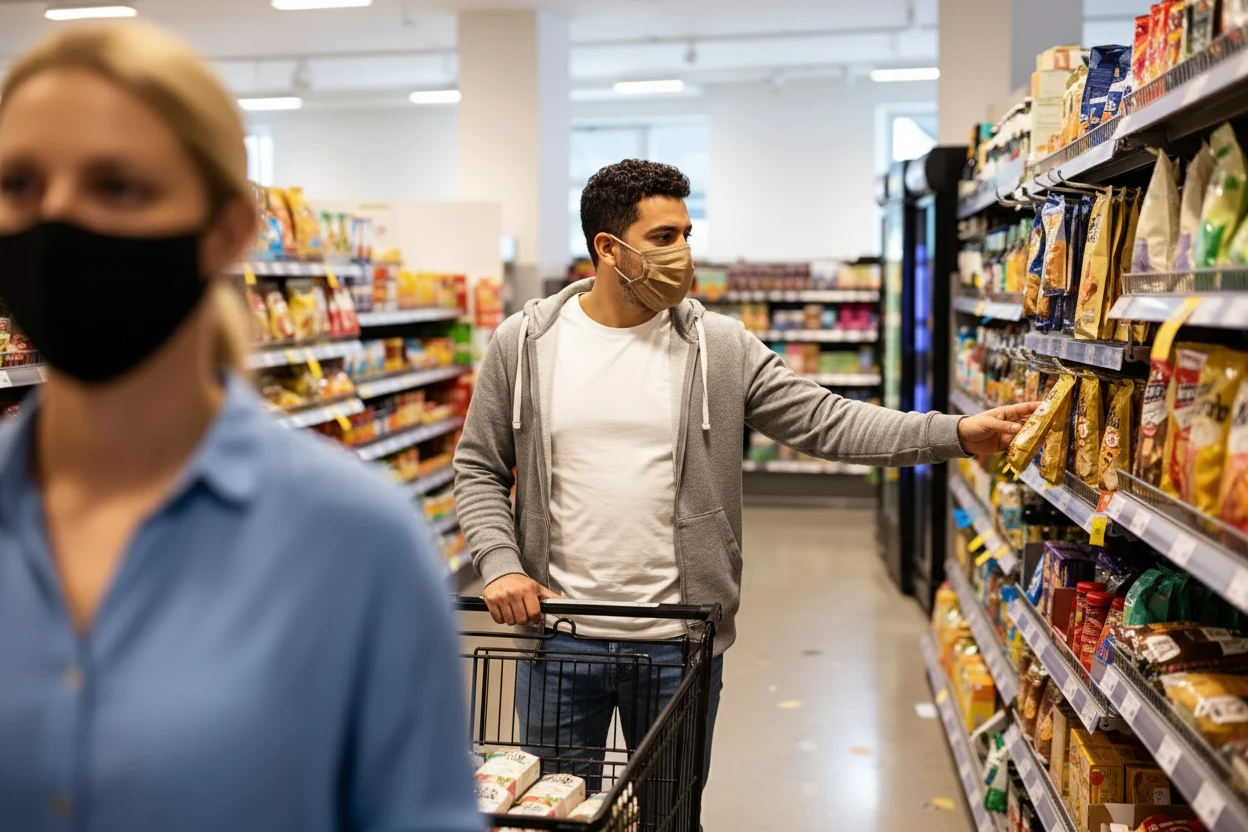
Respiratory viruses such as covid-test-accuracy-for-eg5-and-ba286-variants">covid-test-accuracy-for-eg5-and-ba286-variants">COVID-19, influenza, and respiratory syncytial virus (RSV) continue to pose significant health risks, especially during seasonal peaks. Wearing face masks remains a vital tool to reduce virus transmission, particularly in indoor and crowded settings1. The Centers for Disease Control and Prevention (CDC) bases its mask recommendations on local hospital admission rates, adjusting guidance according to community risk levels to protect vulnerable populations2. Choosing the right mask and knowing when to wear it can significantly lower the risk of infection and severe illness3.
CDC Mask Guidelines and Updates
The CDC currently classifies community COVID-19 risk based on hospital admissions per 100,000 people, using this metric to tailor mask guidance2. In areas with high risk, the CDC recommends wearing high-quality masks or respirators, such as N95s, and advises high-risk individuals to avoid non-essential indoor activities2. For medium or low-risk areas, mask use is especially advised for high-risk individuals and those in contact with them, particularly in indoor public settings2. The CDC also emphasizes that risk levels tend to rise during winter months, prompting more stringent precautions2.
Key points of the CDC's mask guidance include:
- Mask recommendations are based on local hospital admission rates to reflect community risk2.
- High-risk areas require high-quality masks or respirators and reduced indoor exposure for vulnerable groups2.
- Medium and low-risk areas focus on mask use for high-risk individuals and their contacts2.
- Self-testing and mask use are encouraged for those exposed to high-risk individuals, regardless of community risk2.
- Winter seasons often bring increased transmission risk, necessitating heightened vigilance2.
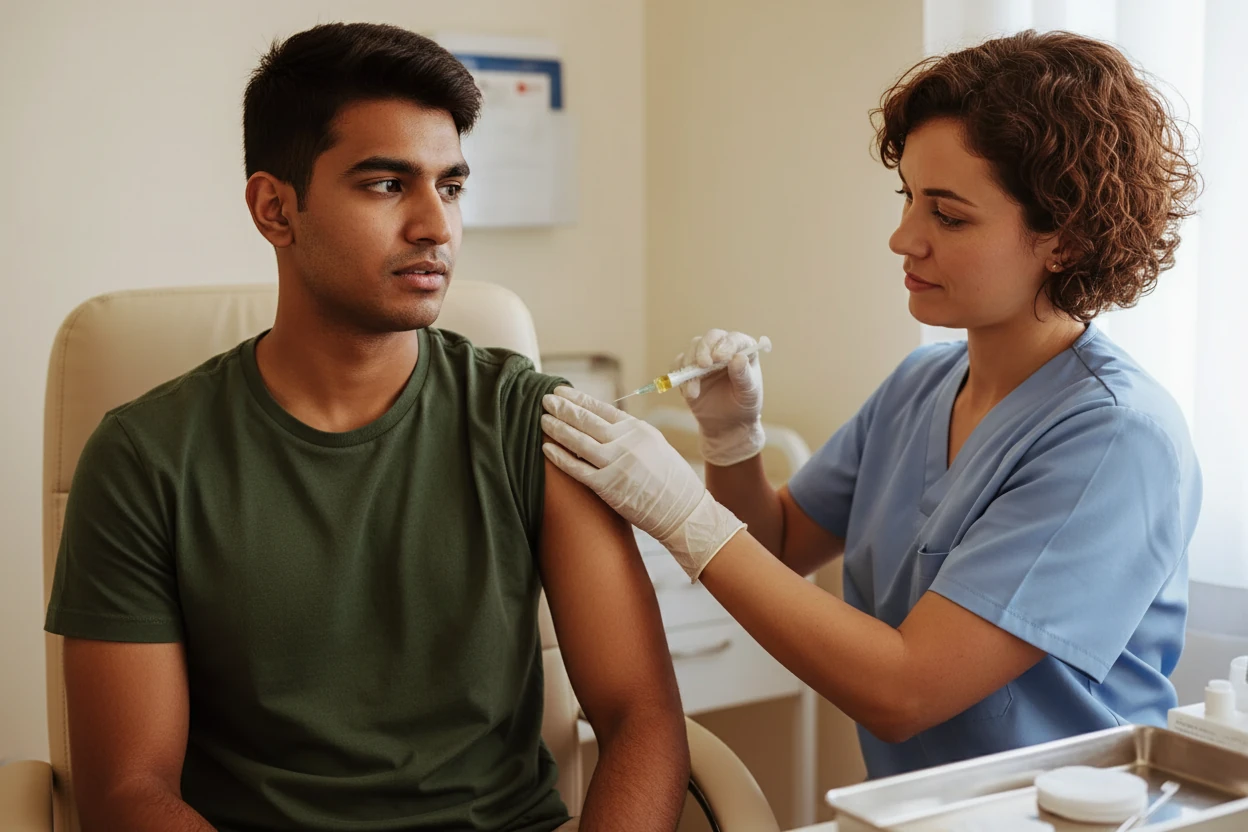
The CDC also highlights the importance of staying up to date with COVID-19 vaccinations, which have a significant impact on reducing hospitalizations and severe illness2. Despite vaccination, masks remain a key preventive measure, especially when community transmission is high4.
“Masks can also protect wearers from breathing in infectious particles from people around them.”
— Centers for Disease Control and Prevention (CDC)3
Personal Masking Decisions
Mask use is largely a personal choice for most individuals but is strongly recommended for high-risk groups and those in close contact with them2. Public health experts stress the importance of wearing masks in crowded, indoor, or poorly ventilated spaces when community cases are elevated2. The CDC advises anyone who has tested positive for or been exposed to COVID-19 to wear a mask, regardless of their risk status2.
Proper mask fit is as important as mask type. A snug mask that moves with your breath and prevents air leakage offers the best protection against respiratory viruses.23
When deciding whether to wear a mask, individuals should consider factors such as:
- Local trends in respiratory virus cases2.
- The ventilation quality of indoor spaces2.
- The size and density of crowds2.
- The type of activity and duration of exposure2.
Experts also recommend mask use in public transportation and other enclosed spaces where close contact is unavoidable5.
Masks serve as an additional layer of protection alongside other preventive measures such as vaccination, hand hygiene, and physical distancing3. Wearing a mask not only reduces the wearer's risk but also helps protect others by limiting the spread of infectious particles6.
Selecting Effective Face Masks
“Results from EGC affiliate Mushfiq Mobarak and coauthors’ recent paper clearly demonstrate that mask usage reduces Covid-19, highlighting how masks should continue to play a vital role in fighting the pandemic.”
— Mushfiq Mobarak, Yale University9
Choosing the right mask is crucial for effective protection against respiratory viruses. The CDC recommends masks that fit snugly over the nose and mouth to prevent droplet spread and minimize air leakage2. Proper fit is essential; a well-fitted mask moves with each breath and blocks air from escaping around the edges2.
Types of masks and their protective qualities include:
| Mask Type | Protection Level | Fit Characteristics | Notes |
|---|---|---|---|
| N95 Respirators | Highest level; filters ≥95% of airborne particles | Tight-fitting with head straps | Recommended for high-risk or aerosol-generating settings; disposable27 |
| KN95/KF94 Masks | High protection; filters large and small particles | Less tight than N95; ear loops | International standards; not NIOSH-approved27 |
| Surgical Masks | Moderate protection; filtration and fluid resistance | Loose-fitting; ear loops | Effective for droplet protection; disposable27 |
| Multi-layer Cloth Masks | Variable protection; depends on fabric and fit | Should fit snugly over nose and mouth | Effective if well-fitted and multi-layered28 |
Key recommendations for mask selection and use:
- Use the most protective mask you can comfortably wear for extended periods3.
- Check for gaps by cupping hands around the mask edges; warm air should flow through the mask front2.
- Masks must cover both the nose and mouth to be effective2.
- Avoid masks with valves as they do not filter exhaled air and may pose risks to others8.
- Replace disposable masks after one use and wash cloth masks regularly2.
Community-wide mask use enhances overall protection, but even individual use provides meaningful reduction in transmission risk2.