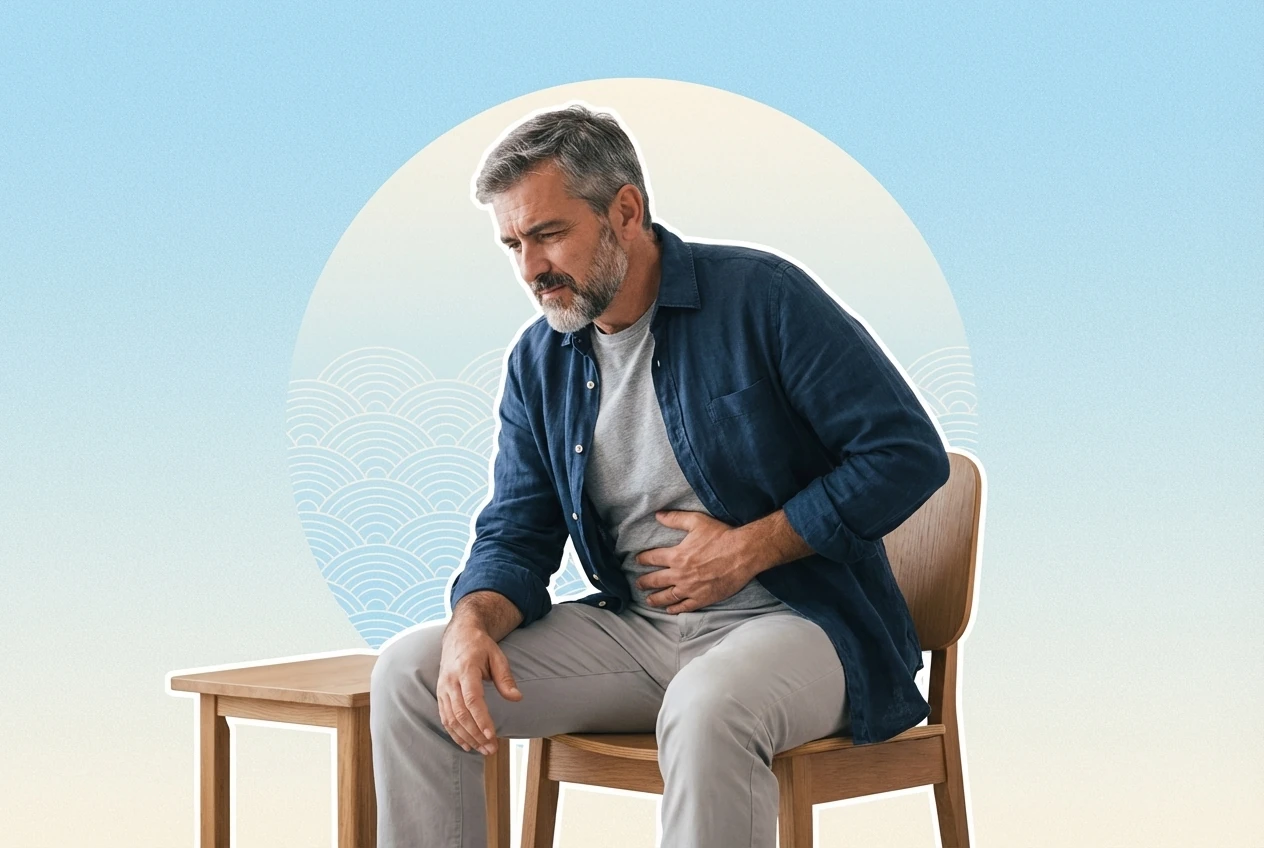
Constipation affects a significant portion of the adult population worldwide, with estimates ranging from 12% to 19%1. It is characterized by infrequent bowel movements or difficulty passing stools, which can cause discomfort and impact quality of life2. Various factors contribute to constipation, including diet, lifestyle, medical conditions, and medications, making understanding its causes essential for effective relief and prevention3.
Diet and Nutrition
Diet plays a crucial role in maintaining regular bowel movements. Low dietary fiber intake is one of the most common causes of constipation because fiber adds bulk to stool and helps it pass more easily through the intestines3. Insufficient consumption of fiber-rich foods such as fruits and vegetables contributes significantly to constipation1. Processed foods often lack adequate fiber, which can worsen symptoms1. Reducing intake of low-fiber processed foods and increasing consumption of whole fruits, vegetables, and whole grains can help alleviate constipation1.
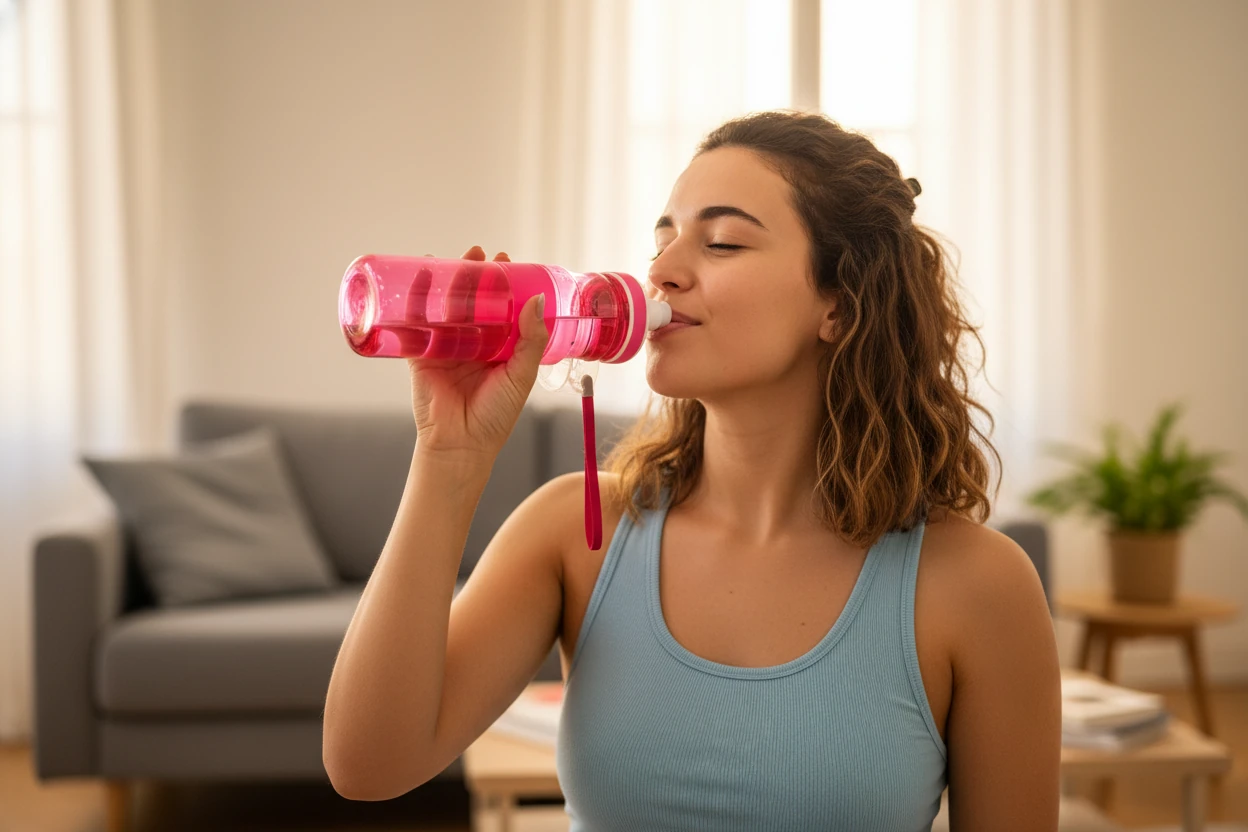
Adequate hydration is also essential for preventing constipation. Water helps soften stools, making them easier to pass3. Dehydration is a recognized risk factor for constipation because it leads to hard, dry stools that are difficult to evacuate1. Therefore, drinking enough fluids daily is a key preventive measure.
“While there are many factors that can affect constipation, diet is likely the most important. Processed foods, high-fat foods, and low-fiber diets can all increase constipation. Dehydration can also impact bowel movements.”
— Dr. Lindsay Northam, Methodist Physicians Clinic4
Dietary tips to prevent constipation include:
- Increase intake of fiber-rich foods such as fruits, vegetables, legumes, and whole grains1.
- Limit processed meats, fried foods, and refined carbohydrates like white bread and pasta4.
- Drink 6 to 8 glasses of water daily to maintain hydration4.
- Avoid excessive consumption of caffeine and alcohol, which can cause dehydration2.
- Gradually introduce fiber supplements if dietary changes are insufficient2.
Dietary Supplements Side Effects
Certain dietary supplements can contribute to constipation, particularly calcium and iron supplements. Calcium supplements have been associated with constipation in some individuals, but dividing doses or taking them with meals can reduce this risk5. Switching calcium formulations may also alleviate symptoms5. Iron supplements frequently cause constipation as a side effect and can lead to gastrointestinal symptoms including both constipation and norovirus-symptoms-beyond-vomiting-and-diarrheadiarrhea5. Multivitamins that contain calcium and iron may contribute to constipation in susceptible individuals5.
It is important to review supplement use with a healthcare provider if constipation develops, as adjustments may be necessary to minimize side effects5.
Irritable Bowel Syndrome (IBS)
Irritable bowel syndrome (IBS) is a common functional gastrointestinal disorder characterized by abdominal pain and altered bowel habits, including constipation6. IBS affects about 10% to 15% of adults in the United States, with only a subset receiving a formal diagnosis7. The exact cause of IBS remains unknown, but it is thought to involve dysfunction in the brain-gut axis, altered intestinal motility, and increased sensitivity of the gut nerves67.
IBS is classified into subtypes based on predominant bowel habits:
- IBS with constipation (IBS-C): characterized by hard, lumpy stools and predominant constipation68.
- IBS with diarrhea (IBS-D): characterized by frequent loose stools.
- IBS with mixed bowel habits (IBS-M): alternating constipation and diarrhea6.
Symptoms of IBS include abdominal pain or cramps, bloating, excess gas, mucus in stool, and a sensation of incomplete evacuation7. Defecation may relieve or worsen abdominal pain depending on the individual6.
Management of IBS often involves dietary changes such as increasing fiber intake gradually, avoiding trigger foods, and ensuring adequate hydration7. Behavioral therapies and medications may also be used to control symptoms7.
“IBS symptoms, such as stomach pain, diarrhea, constipation, and gas, are uncomfortable and can interfere with daily life. However, IBS is manageable.”
— Mayo Clinic7
Physical Inactivity and Exercise
Physical inactivity is a recognized risk factor for constipation because regular exercise stimulates colonic motility and promotes bowel movements1. Sedentary lifestyles reduce the natural contractions of the colon, leading to slower transit times and harder stools1. Prolonged immobility during illness or after surgery further increases constipation risk1.
Regular physical activity, even moderate exercise like walking, helps maintain normal bowel function by improving muscle tone in the abdomen and pelvic floor9. Exercise may be particularly beneficial in older adults who tend to be more sedentary9.
Key points on exercise and constipation:
- Physical inactivity reduces colonic motility, increasing constipation risk1.
- Regular exercise promotes bowel movements and muscle tone9.
- Immobility during illness or post-surgery worsens constipation1.
- Exercise benefits may be more pronounced in older adults9.
- Incorporate daily physical activity as a preventive strategy9.
Medications That Cause Constipation
Many medications can cause constipation as a side effect by slowing bowel motility or altering fluid balance. Common culprits include:
- Calcium and aluminum-containing antacids3.
- Anticholinergic and antispasmodic drugs, which reduce bowel muscle contractions3.
- Anticonvulsants used for neurological conditions3.
- Opioid pain medications, which bind to receptors in the gut and slow motility9.
- Parkinson’s disease medications that impair gastrointestinal movement3.
- Iron supplements and certain multivitamins containing calcium and iron5.
Other medications associated with constipation include tricyclic antidepressants, calcium channel blockers, diuretics, and some antipsychotics1011. Reviewing medication regimens with a healthcare provider is essential if constipation develops, as dose adjustments or alternative drugs may be necessary3.
Pelvic Floor Dysfunction
Pelvic floor dysfunction occurs when the muscles that support pelvic organs and assist in defecation do not coordinate properly, leading to obstructed defecation and constipation12. These muscles help control the bladder and rectum, and their improper function can cause difficulty in passing stool despite normal bowel movements12.
Biofeedback therapy and pelvic floor physical therapy are effective treatments for pelvic floor dysfunction, helping patients retrain muscle coordination and improve bowel function124.
“We have prescribed pelvic floor physical therapy for several of our patients. It has helped many people find relief.”
— Dr. Jessica Bracken, Methodist Physicians Clinic Women’s Center4
Pregnancy-Related Constipation
Constipation is common during pregnancy, especially in the third trimester, due to hormonal and mechanical factors13. Elevated progesterone levels slow gastrointestinal motility by relaxing smooth muscle, reducing bowel contractions13. Additionally, the growing uterus exerts mechanical pressure on the intestines, impeding bowel movements13.
These changes contribute to harder stools and infrequent bowel movements during pregnancy13. Managing constipation in pregnancy involves dietary fiber, adequate hydration, and safe physical activity13.
Lifestyle and Routine Changes
Changes in daily habits and routines can precipitate constipation. Traveling, changes in diet quantity or quality, and medication adjustments can all affect bowel regularity1. Ignoring the urge to have a bowel movement may also lead to constipation by disrupting the natural signals between the colon and brain9.
Maintaining consistent meal times, hydration, and responding promptly to bowel urges are important lifestyle measures to prevent constipation19.
Lifestyle tips to reduce constipation risk:
- Maintain a regular eating and toileting schedule1.
- Avoid ignoring the urge to defecate9.
- Limit processed and low-fiber foods1.
- Stay hydrated and active1.
- Review medications with healthcare providers when changes occur1.
When to See a Doctor
Medical evaluation is recommended when constipation causes significant discomfort or alarm symptoms are present. Seek care if you experience:
- Constipation lasting longer than three weeks314.
- Blood in stool or rectal bleeding314.
- Unexplained weight loss, especially in adults over 453.
- Severe abdominal pain or inability to pass stool2.
- Constipation accompanied by symptoms suggesting pelvic floor dysfunction or neurological disease123.
Early evaluation helps exclude serious conditions such as colorectal cancer and guides appropriate treatment3.
Summary of Constipation Causes
“Constipation has many causes. Low fiber intake, ignoring the urge to defecate, inadequate water intake, lack of exercise, use of painkillers, supplements like calcium and iron, and chronic laxative use can all contribute. Diabetes, neurological disorders, hypothyroidism, and depression can also slow bowel movements.”
— Dr. Jessica Bracken, Methodist Physicians Clinic Women’s Center4
Constipation is a multifactorial condition with several common causes:
| Cause | Mechanism/Notes | Evidence Level |
|---|---|---|
| Low fiber diet | Reduced stool bulk and slower transit | High13 |
| Inadequate hydration | Hard stools due to insufficient water | High13 |
| Irritable bowel syndrome | Altered gut-brain axis, variable bowel habits | High67 |
| Physical inactivity | Reduced colonic motility | High19 |
| Medications | Side effects slowing bowel motility | High53 |
| Pelvic floor dysfunction | Impaired muscle coordination during defecation | High124 |
| Pregnancy | Hormonal and mechanical factors | High13 |
| Lifestyle and routine changes | Dietary and medication changes affecting bowel | High19 |
Understanding these causes helps tailor effective management strategies for constipation relief and prevention.