Constipation affects between 2% and 27% of people worldwide, making it a common gastrointestinal issue with a significant impact on quality of life1. It ranges from occasional episodes to chronic conditions such as irritable bowel syndrome with constipation (IBS-C), where abdominal pain and bowel habit changes often overlap2. Understanding the symptoms, remedies, potential complications, and when to seek medical care is essential for effective management3.
Symptoms of Constipation Pain
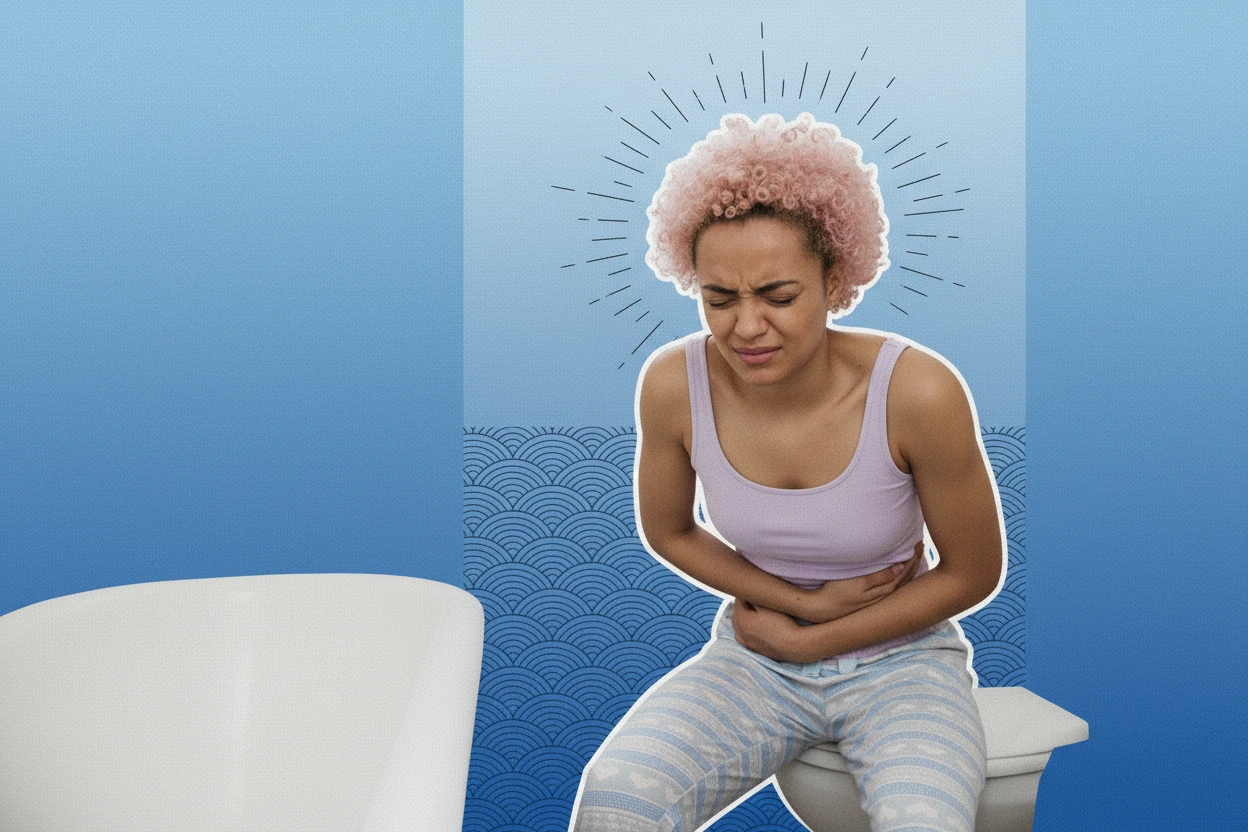
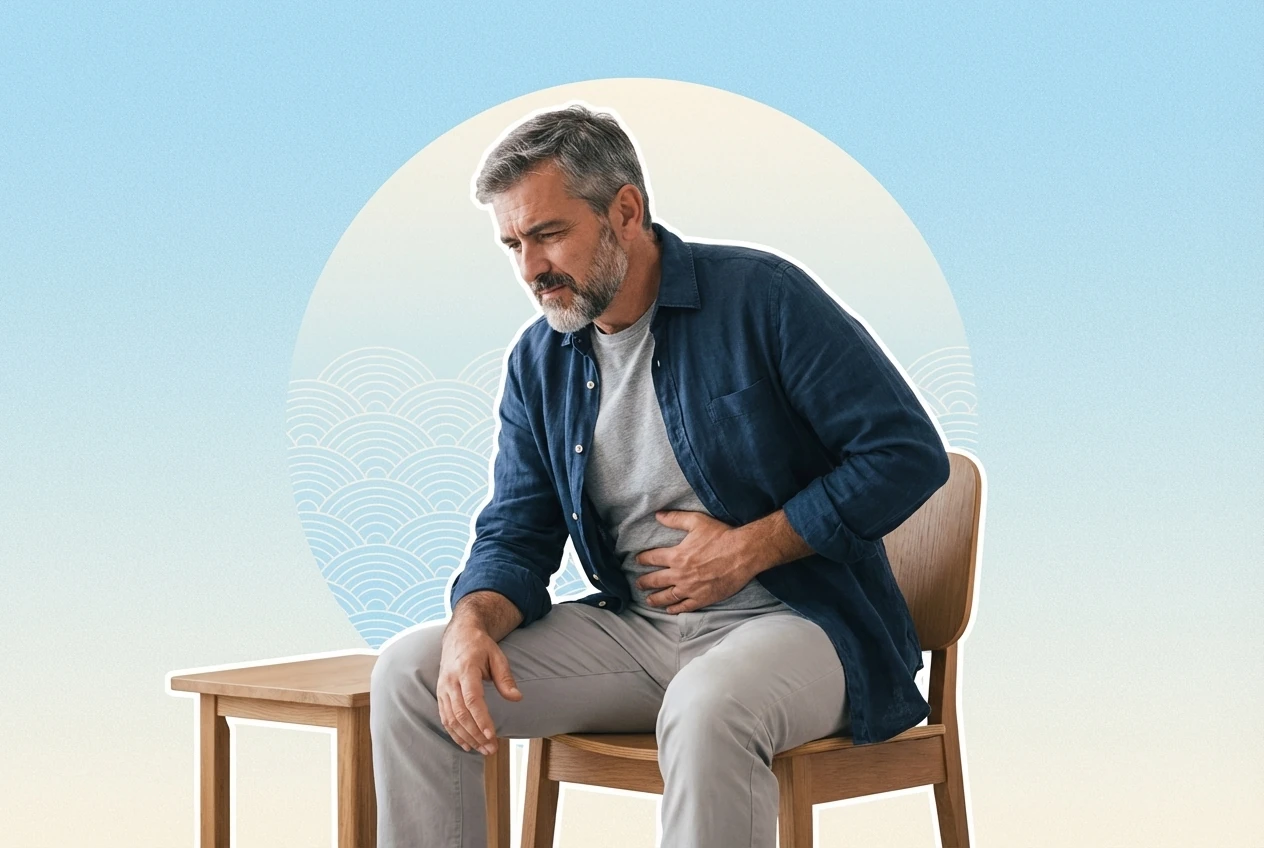
Constipation pain is typically described as mild to moderate abdominal cramping caused by stool retention in the colon4. This pain often accompanies bloating and a sensation of fullness in the abdomen4. In IBS-C, recurrent abdominal pain may improve or persist after defecation and is closely related to bowel habits and stool consistency2. Patients with IBS-C also experience visceral hypersensitivity, which heightens their perception of pain from intestinal stimuli5.
Pain during bowel movements is common due to straining and passing hard stools, which often result from inadequate fluid intake leading to dry, hard stools6. This dryness exacerbates pain and difficulty during defecation6. Other symptoms that may accompany constipation include:
- Fewer than three bowel movements per week7
- Hard, dry, or lumpy stools that are difficult or painful to pass8
- Feeling of incomplete bowel emptying after defecation8
- Abdominal discomfort or cramps4
- Bloating and fullness sensation4
These symptoms may vary in intensity and duration but often cause significant discomfort and distress.
“You may be constipated if you have one or more of these symptoms: infrequent bowel movements (fewer than three per week), hard stool often in small, dry pieces, excessive straining to have a bowel movement, and incomplete emptying of the bowels.”
— Christian G. Stevoff, MD, Northwestern Medicine9
Constipation Pain Relief and Remedies
Relieving constipation pain primarily involves addressing the underlying constipation through lifestyle and dietary changes, supplemented by medications when necessary3. Key remedies include:
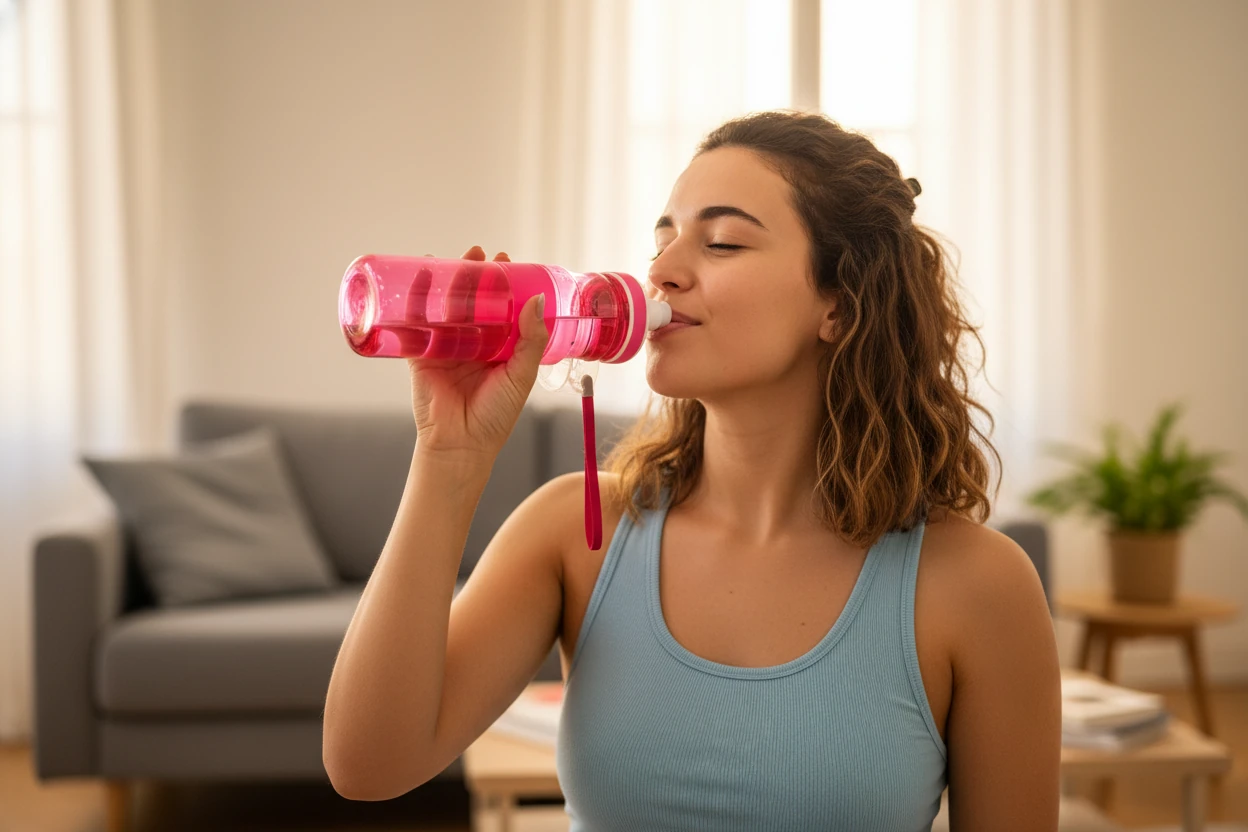
- Increasing fluid intake: Adequate hydration softens stools and eases their passage310.
- Dietary fiber supplementation: Fiber increases stool bulk and frequency, improving constipation symptoms310. Adults should aim for 22 to 34 grams of fiber daily from fruits, vegetables, whole grains, and legumes10.
- Responding promptly to the urge to defecate: Avoiding stool retention prevents worsening constipation3.
- Scheduled toileting: Establishing regular bowel habits can help regulate bowel movements3.
- Over-the-counter (OTC) laxatives: These provide short-term relief by softening stools or stimulating bowel movements310. Common types include osmotic laxatives (e.g., polyethylene glycol), stool softeners (e.g., docusate), and stimulant laxatives (e.g., bisacodyl)11.
- Prescription medications: Secretagogues such as linaclotide and lubiprostone increase intestinal fluid secretion and bowel frequency, effectively reducing abdominal pain in IBS-C211.
Additional practical tips include:
- Avoiding processed and high-fat foods that may worsen constipation10.
- Engaging in regular physical activity to promote bowel motility11.
- Using proper toilet posture, such as elevating the feet with a stool to straighten the anorectal angle9.
| Remedy Type | Examples | Notes |
|---|---|---|
| Dietary Fiber | Fruits, vegetables, bran cereals | Increase gradually to avoid gas and bloating11 |
| Fluid Intake | Water, naturally sweetened juices | Avoid caffeine and alcohol which can dehydrate10 |
| OTC Laxatives | Polyethylene glycol, bisacodyl, docusate | Use short-term; consult healthcare provider if prolonged use needed11 |
| Prescription Secretagogues | Linaclotide, lubiprostone | Effective for IBS-C; may cause diarrhea211 |
💡 Tip: Proper toilet posture, such as elevating your feet with a stool, can help ease bowel movements by straightening the colon9.
“One of the first steps you can take to relieve constipation is to increase your intake of fiber through your diet.”
— Jenette Restivo, Harvard Health Publishing10
Potential Complications of Constipation
Untreated or chronic constipation can lead to several complications, some of which may cause significant morbidity.
Increased pressure within the colon due to stool retention contributes to the formation of diverticula—small pouches that protrude from the colon wall12. This condition, known as diverticulosis, becomes more common with age, especially in individuals over 50 years old12. When these diverticula become inflamed or perforated, diverticulitis develops, which can cause severe abdominal pain and other complications12.
Obstipation is a severe form of constipation characterized by complete or near-complete bowel obstruction13. It results in the inability to pass stool or gas (flatus), leading to intense abdominal pain, bloating, and potential bowel ischemia if untreated13. Obstipation requires urgent medical attention to relieve the obstruction and prevent serious outcomes13.
Other possible complications include:
- Hemorrhoids from excessive straining8
- Anal fissures due to hard stool passage8
- Fecal impaction, where hard stool becomes stuck in the rectum8
- Rectal prolapse from repeated straining8
When to See a Doctor for Constipation
Persistent constipation pain that does not improve with lifestyle changes or is accompanied by mcv blood test results meaning and normal range in the stool or inability to pass gas requires urgent medical evaluation to rule out serious complications.37
Medical evaluation is essential when constipation persists despite lifestyle changes or is accompanied by alarm symptoms3. You should consult a healthcare provider if you experience:
- Constipation lasting longer than three weeks37
- Severe or persistent abdominal pain3
- Blood in stool or rectal bleeding37
- Inability to pass gas or stool, suggesting possible obstruction3
- Nausea and vomiting alongside constipation, which may indicate bowel obstruction3
- Unexplained weight loss or fatigue3
- Low back pain associated with constipation, which may signal underlying pathology14
Early diagnosis helps identify causes such as IBS-C or pelvic floor dysfunction and guides appropriate treatment2. Diagnostic tests may include abdominal imaging, colonoscopy, anorectal manometry, and transit studies, depending on clinical findings1511.
Constipation Pain Summary
Constipation is a common gastrointestinal condition characterized by infrequent, hard, and difficult-to-pass stools, often accompanied by abdominal pain and bloating47. The pain arises mainly from stool retention, gut hypersensitivity, and altered bowel motility, especially in IBS-C452. Effective relief centers on lifestyle modifications such as increased fiber and fluid intake, timely bowel habits, and physical activity31011. When these measures fail, OTC laxatives and prescription medications like linaclotide provide additional symptom control211.
Complications such as diverticular disease and obstipation can arise from untreated constipation, underscoring the importance of prompt medical evaluation when alarm symptoms occur12133. Maintaining open communication with healthcare providers and adhering to treatment plans can significantly improve quality of life and prevent serious outcomes.