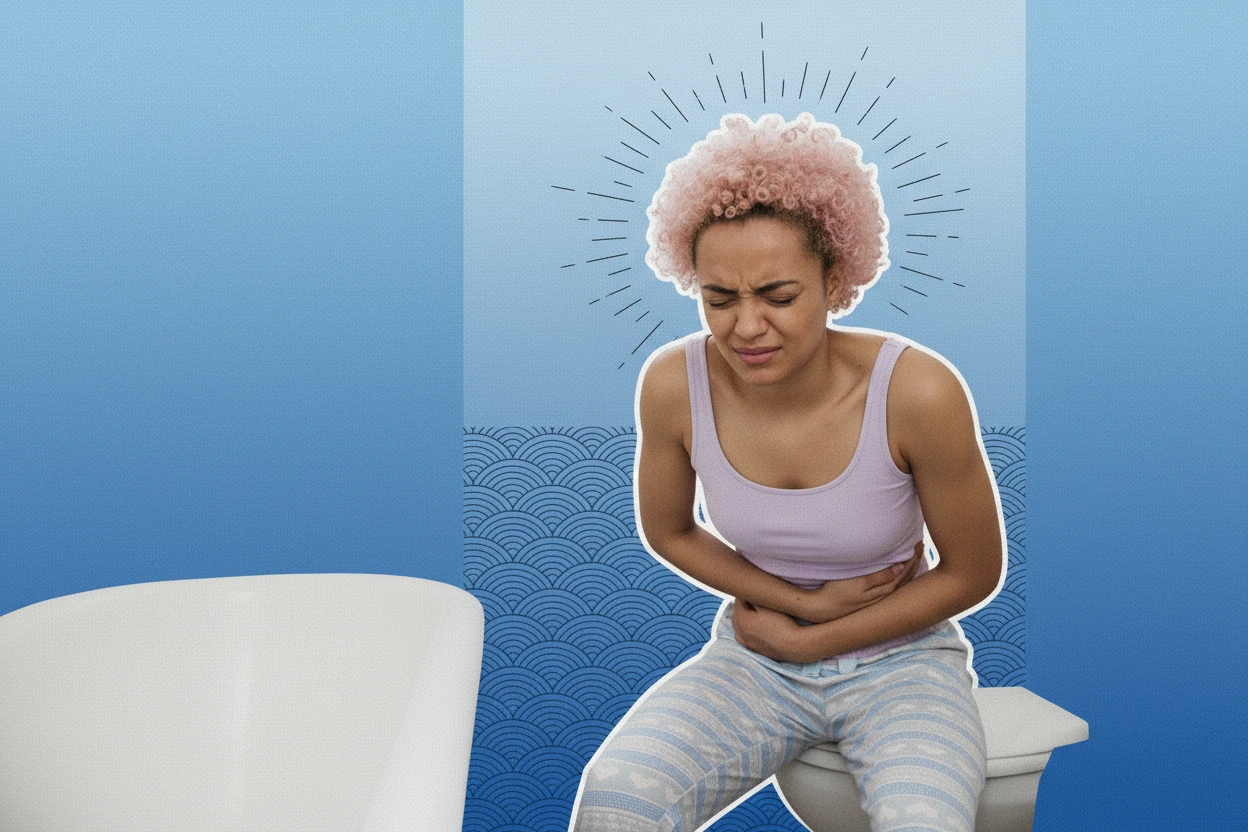
Constipation affects millions worldwide and can significantly reduce quality of life by causing discomfort and emotional distress1. It often results from a combination of dietary choices and lifestyle habits rather than a single cause2. Understanding which foods and behaviors contribute to constipation can help prevent and manage this common condition effectively3.
Constipation is a common condition caused by slow stool movement through the colon, often due to diet and lifestyle factors. Increasing fiber and fluids, exercising regularly, and not ignoring the urge to defecate are key to prevention and treatment.21
Common Dietary Causes
Diet plays a crucial role in bowel health. Low fiber intake, inadequate fluids, and high consumption of certain foods can slow digestion and harden stools, leading to constipation45.
Gummy candies and other sweets are typically low in fiber and high in sugar, which can worsen constipation1. High intake of ultra-processed foods, including sweets, is linked to increased constipation risk because they displace fiber-rich foods and may alter gut motility13.
Dairy products such as milk, cheese, and ice cream may contribute to constipation, especially in children, possibly due to individual sensitivities or cow’s milk protein effects673. Some studies suggest that proteins in cow’s milk can slow bowel movements and cause inflammation, though evidence is mixed63. Notably, lactose intolerance often causes diarrhea rather than constipation, but about 30% of cases may experience constipation8.
Processed and fried foods are often high in saturated fats and low in fiber, which can delay digestion and reduce stool bulk93. High fat content slows gut motility, and excessive salt in these foods can reduce water content in stools, making them dry and hard to pass3. Examples include frozen dinners, potato chips, french fries, and commercially baked goods310.
Red meat itself does not directly cause constipation but can contribute when it replaces fiber-rich foods in the diet10. High intake of saturated fat from red meat may also impair bowel function9. Ensuring meals with red meat include fiber sources like vegetables or whole grains can help mitigate constipation risk10.
- Low fiber intake is a significant risk factor for constipation4.
- Diets high in saturated fat may contribute to constipation9.
- High intake of ultra-processed foods, including sweets, is associated with increased constipation risk1.
- Dairy products may cause constipation in sensitive individuals, especially children6.
- Adequate fluid intake is essential to prevent constipation5.
Lifestyle and Behavioral Causes
Behavioral factors strongly influence bowel regularity. Physical activity, routine, and timely response to bowel urges are key to preventing constipation114.
Sudden changes or disruptions in daily diet and meal timing can affect bowel movements because the digestive system thrives on consistency1112. Irregular eating patterns may slow colonic motility and lead to constipation12.
Reduced food intake decreases the volume of stool and lowers colonic motility, which can cause or worsen constipation13. This is often seen in individuals with decreased appetite or restrictive diets.
Certain medications can cause constipation as a side effect, including opioids, anticholinergics, calcium channel blockers, and some antidepressants14. Medication-induced constipation should be considered when lifestyle and dietary changes do not improve symptoms.
- Physical inactivity is linked to increased constipation risk15.
- Ignoring the urge to defecate can contribute to constipation16.
- Disruption of daily routine, including meal timing, affects bowel movements12.
- Reduced food intake lowers colonic motility and stool bulk13.
- Some medications can cause or worsen constipation14.
“Constipation is usually multifactorial, involving diet, lifestyle, and genetics rather than a single food.”2
Preventing Constipation
Prevention focuses on dietary and behavioral modifications that promote regular bowel function. Increasing fiber and fluid intake, maintaining physical activity, and responding promptly to bowel urges are foundational strategies114.
- Increase dietary fiber gradually to 25–30 grams per day for women and 30–38 grams for men to avoid bloating1714.
- Drink plenty of fluids, aiming for about eight 8-ounce glasses daily, to help fiber soften stools518.
- Engage in regular physical activity, such as walking or moderate exercise, to stimulate gut motility1514.
- Maintain a consistent daily routine, including regular meal times and bathroom habits1112.
- Avoid delaying bowel movements to prevent weakening of the defecation reflex16.
“An adequate, well-designed diet should be a cornerstone of any effective treatment for chronic constipation.”19
When to See a Doctor
Medical evaluation is necessary when constipation is persistent, severe, or accompanied by alarm symptoms. Early consultation helps rule out underlying conditions and guides appropriate treatment111620.
Seek medical advice if you experience:
- Constipation lasting longer than three weeks despite lifestyle changes20.
- mcv blood test results meaning and normal range in the stool or rectal bleeding1620.
- Unexplained weight loss or severe abdominal pain20.
- Difficulty passing stools requiring digital assistance20.
- Constipation accompanied by vomiting or other systemic symptoms8.
“Constipation that does not respond to lifestyle changes should be assessed by a healthcare provider.”16
Summary of Constipation Causes
Constipation arises from a complex interplay of dietary, behavioral, and sometimes medical factors. Key contributors include low fiber intake, inadequate hydration, high consumption of processed and high-fat foods, and lifestyle habits such as physical inactivity and ignoring bowel urges41216.
| Cause Category | Key Factors | Effect on Constipation |
|---|---|---|
| Dietary | Low fiber, high saturated fat, processed foods, dairy | Slows gut motility, hardens stools |
| Behavioral | Physical inactivity, disrupted routine, delaying defecation | Reduces bowel movement frequency and efficiency |
| Medical/Medications | Opioids, anticholinergics, calcium channel blockers | Side effects causing decreased motility |
Constipation FAQs
Q: Can a single food cause constipation?
A: Constipation is usually caused by a combination of dietary and lifestyle factors rather than a single food2.
Q: Does increasing fiber help with constipation?
A: Yes, increasing fiber intake gradually, along with adequate hydration, is effective in preventing and managing constipation418.
Q: Are dairy products always constipating?
A: Dairy may cause constipation in some individuals, especially children sensitive to cow’s milk proteins, but effects vary68.
Q: How important is physical activity?
A: Regular exercise is associated with higher stool frequency and reduced constipation risk15.
Q: When should I see a doctor for constipation?
A: If constipation lasts more than three weeks, is severe, or is accompanied by blood or weight loss, seek medical evaluation1620.