Constipation is a common digestive issue affecting many people worldwide, often impairing quality of life1. Dietary fiber intake is strongly linked to improved bowel function and relief from constipation symptoms2. Including fiber-rich foods like oatmeal in the morning can support regular bowel movements and overall digestive health3. Understanding how oatmeal and other natural foods contribute to digestion can help manage and prevent constipation effectively4.
Morning Foods for Better Bowel Movements
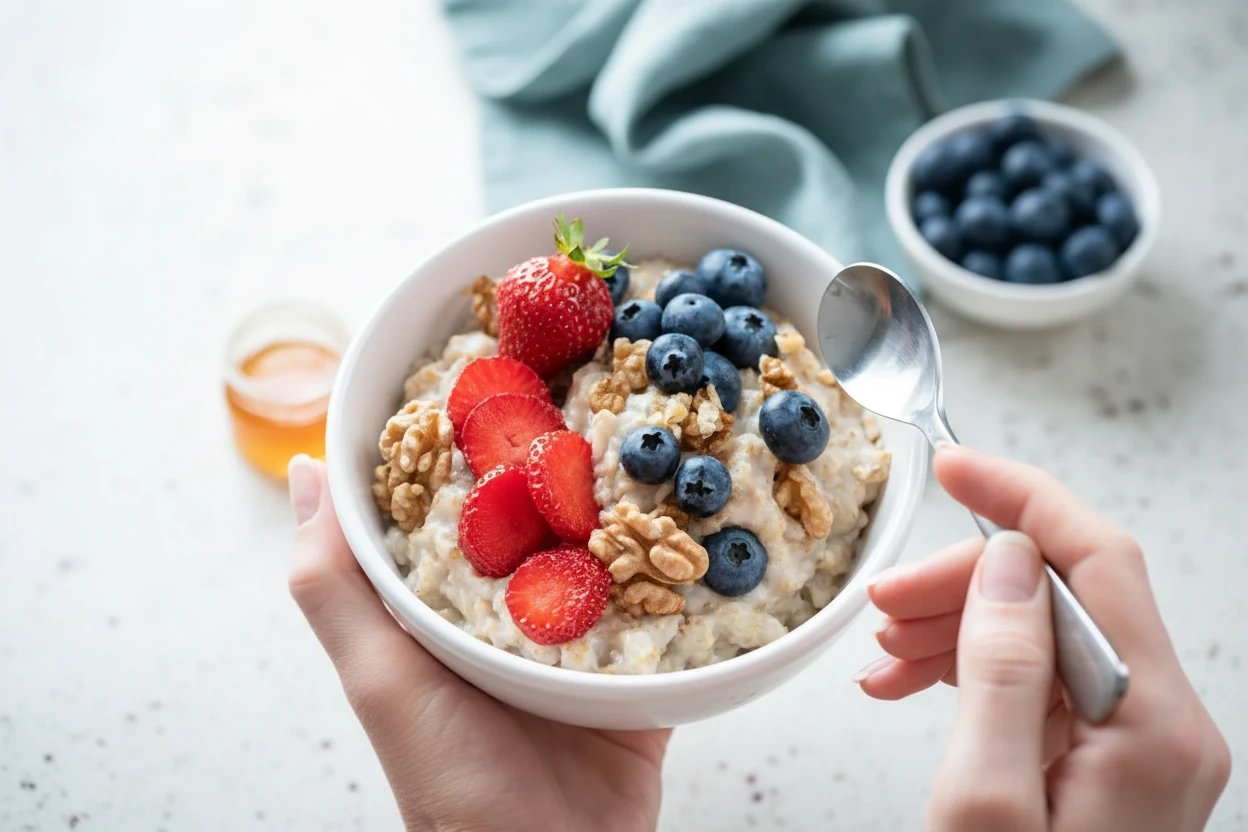
Starting the day with the right foods can promote regular bowel movements and ease constipation. Oatmeal is particularly beneficial due to its high soluble fiber content, especially beta-glucan, which softens stool and supports gut health23. Beta-glucan acts as a prebiotic fiber, nourishing beneficial gut bacteria and enhancing intestinal motility56. Combining oatmeal with other fiber-rich foods such as berries and seeds can further improve bowel regularity78.
Other factors besides diet also influence morning bowel habits. Consistent wake times help regulate circadian rhythms that control bowel function910. Physical activity in the morning stimulates gastrointestinal motility, promoting defecation910. Hydrating with warm fluids, including coffee, can activate the gastrocolic reflex, encouraging bowel movements910. Managing stress and allowing sufficient time for defecation also support healthy bowel habits910.
Eating oatmeal in the morning provides soluble fiber that softens stool, making it easier to pass. Pairing it with berries or seeds boosts fiber intake and supports gut microbiota for better digestion. Regular physical activity and hydration further enhance bowel function279.
Oatmeal Nutrition and Fiber Content
Oatmeal is a nutrient-dense food widely recognized for its health benefits. It contains a balanced mix of macronutrients, including carbohydrates that provide sustained energy release, and about 5 grams of protein per half-cup serving of dry oats11312. Oatmeal typically contains minimal sugar, usually less than 1 gram per serving1213.
The key to oatmeal’s effectiveness in relieving constipation lies in its fiber content. Most of the fiber in oats is soluble, primarily beta-glucan, which dissolves in water to form a gel-like substance. This gel increases stool moisture, softening it and facilitating easier passage through the intestines142. Beta-glucan also supports the gut microbiota by acting as a prebiotic, promoting the growth of beneficial bacteria such as Lactobacilli and Bifidobacterium species5615.
| Nutrient | Amount per ½ cup dry oats | Benefit |
|---|---|---|
| Protein | ~5 grams | Supports metabolic health1213 |
| Carbohydrates | Moderate, sustained release | Provides energy and glycemic control113 |
| Soluble fiber (beta-glucan) | High | Softens stool, promotes gut health142 |
| Sugar | <1 gram | Minimal impact on mcv blood test results meaning and normal range sugar1213 |
“Oats are loaded with soluble fiber, which is a type of fiber that allows more water to remain in the stool. This makes the stool softer and larger, and ultimately easier to pass.”
— Kristen Smith, Piedmont Atlanta Hospital16
Additional Health Benefits of Oatmeal
Beyond constipation relief, oatmeal provides several other health advantages. It is a rich source of essential micronutrients such as magnesium, zinc, and iron, which support metabolic and immune system functions113. The beta-glucan in oats has been shown to reduce low-density lipoprotein (LDL) cholesterol, thereby supporting cardiovascular health56.
Oat fiber also helps stabilize blood glucose levels by slowing carbohydrate absorption, which can aid in weight management through increased satiety56. The viscous gel formed by beta-glucan delays gastric emptying, making you feel full longer and potentially reducing calorie intake113. Oats can be incorporated into various meals, making it easier to increase dietary fiber intake throughout the day113.
| Food | Key Fiber Type | Benefit for Constipation |
|---|---|---|
| Apples | Soluble (pectin) | Increases stool bulk and transit speed1819 |
| Prunes | Fiber + sorbitol | Natural laxative, softens stool221 |
| Chia Seeds | Soluble, gel-forming | Softens stool, promotes regularity221 |
| Broccoli | Insoluble fiber | Improves stool quality and frequency1819 |
| Lentils | Soluble + insoluble | Supports regular bowel movements20 |
Oats contain a type of soluble fiber called beta-glucan, which lowers blood glucose and cholesterol levels. Beta-glucan also promotes healthy gut bacteria and intestinal health17.
Other Natural Foods for Constipation Relief
Several other natural foods complement oatmeal in promoting bowel regularity. These foods are rich in fiber types that support stool bulk and softness, as well as gut motility:
- Apples: Provide about 4.4 grams of fiber per medium fruit, including soluble fiber pectin, which accelerates colonic transit and reduces constipation181920.
- Prunes: Contain both fiber and sorbitol, a sugar alcohol with laxative effects that draw water into the colon to soften stool22116.
- Chia Seeds: High in fiber (~10 grams per ounce), chia seeds absorb water to form a gel that softens stools and promotes regularity22120.
- Broccoli: Offers dietary fiber that improves stool quality and bowel movement frequency1819.
- Lentils: Provide about 15.6 grams of fiber per cooked cup, supporting regular bowel movements and preventing constipation20.
“One prune has 1 gram of fiber, so it's a fiber powerhouse. Prunes also contain fermentable sugars such as fructans and sorbitol that offer a laxative effect.”
— Kristen Smith, Piedmont Atlanta Hospital16
Effective Morning Bowel Movement Strategies
In addition to dietary choices, lifestyle habits play a crucial role in promoting regular morning bowel movements. Consistent wake times help maintain circadian rhythms that regulate gastrointestinal function910. Engaging in physical activity shortly after waking stimulates gut motility, enhancing bowel movement frequency910.
Hydration is essential; drinking warm fluids in the morning can stimulate colonic activity. Coffee, in particular, triggers the gastrocolic reflex, which promotes defecation910. Managing stress and allowing adequate time for bowel movements also support healthy digestive habits910.
- Maintain regular wake-up times to support bowel rhythm910.
- Incorporate morning physical activity to enhance gut motility910.
- Drink warm water or coffee to stimulate bowel function910.
- Reduce stress to prevent constipation-related symptoms910.
- Allow sufficient time for comfortable defecation910.
Hydrating with warm fluids and engaging in morning exercise can significantly improve bowel movement regularity. Coffee’s stimulation of the gastrocolic reflex is a natural way to encourage defecation9.
💡 Did You Know?
Almost everyone experiences constipation at some point in their lives. Certain medications, lack of physical activity, pregnancy, or even dehydration can trigger the condition16.
Summary and Key Takeaways
Constipation is a widespread condition that can be managed effectively through dietary and lifestyle modifications. Oatmeal is a valuable morning food choice due to its high soluble fiber content, particularly beta-glucan, which softens stool and supports gut microbiota25. Combining oatmeal with other fiber-rich foods like berries, seeds, and fruits enhances its benefits78.
Oatmeal also provides essential nutrients and supports cardiovascular and metabolic health, making it a versatile addition to a balanced diet115. Alongside dietary fiber, consistent wake times, hydration, physical activity, and stress management are key strategies to promote regular bowel movements910.
- Oatmeal’s beta-glucan fiber softens stool and promotes gut health25.
- Combining oatmeal with other fiber-rich foods enhances bowel regularity78.
- Oatmeal provides important micronutrients supporting overall health113.
- Lifestyle habits like hydration, exercise, and consistent wake times improve bowel function910.
- Gradually increasing fiber intake and maintaining hydration are essential for constipation relief16.