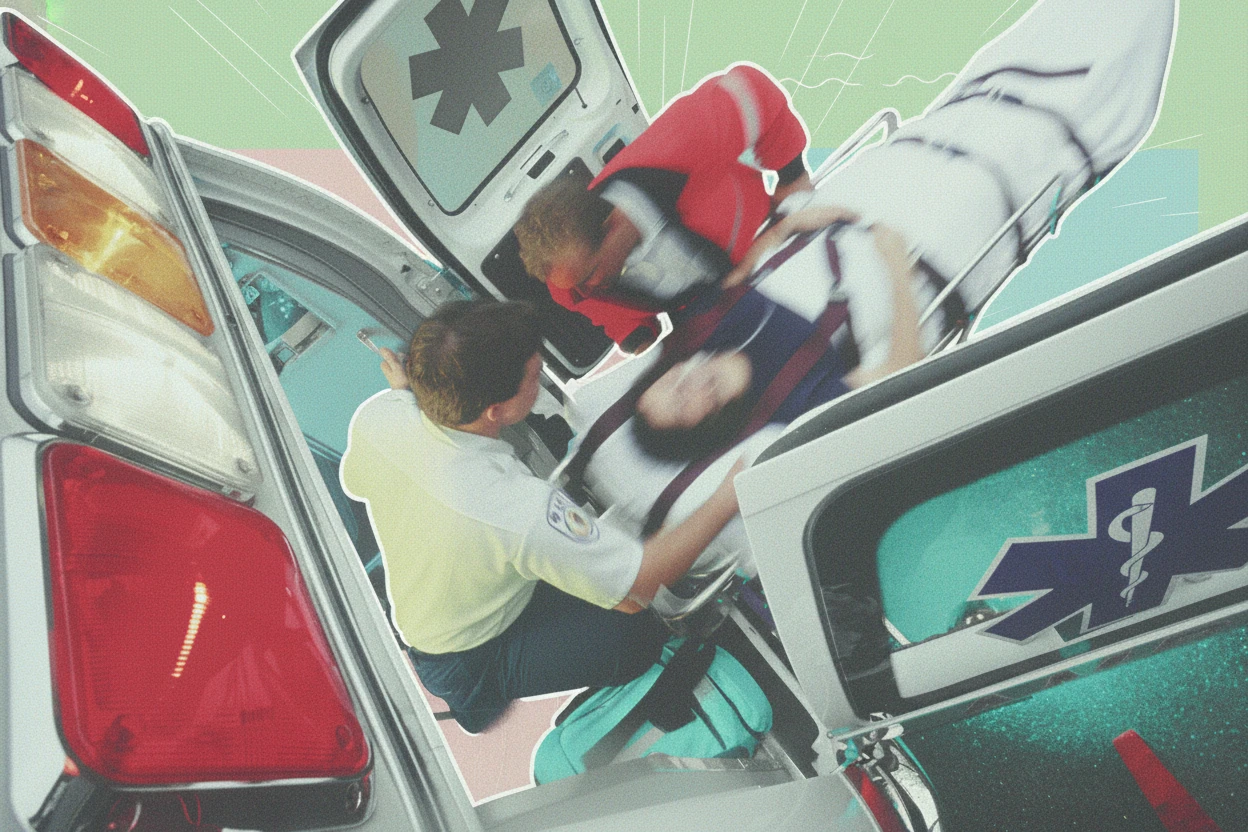
Heart attacks are a leading cause of death worldwide, with over 800,000 people in the United States experiencing one each year1. This serious medical emergency occurs when blood-pressure">planks and wall sits for lowering blood pressure-pressure-effective-strategies-and-tipsblood flow to the heart muscle is suddenly blocked, causing damage or death to the heart tissue2. Prompt diagnosis and treatment are critical to limit heart muscle damage and improve survival3.
Types of Heart Attacks
Heart attacks, medically known as myocardial infarctions (MI), are primarily classified based on electrocardiogram (ECG) findings and the extent of coronary artery blockage. The main types include ST-Elevation Myocardial Infarction (STEMI), Non-ST-Elevation Myocardial Infarction (NSTEMI), and coronary artery spasm.
ST-Elevation Myocardial Infarction (STEMI)
STEMI is characterized by a complete or near-complete blockage of a coronary artery, leading to significant myocardial ischemia (lack of oxygen) and necrosis (tissue death)4. On an ECG, STEMI shows ST-segment elevation, indicating full-thickness damage to the heart muscle4. This type of heart attack is usually caused by the rupture of an atherosclerotic plaque, which triggers thrombus (blood clot) formation and total artery occlusion4. STEMI requires urgent reperfusion therapy to restore blood flow and minimize heart damage5.
Non-ST-Elevation Myocardial Infarction (NSTEMI)
NSTEMI results from a partial blockage of a coronary artery or its branches, causing myocardial ischemia without full-thickness necrosis4. Unlike STEMI, NSTEMI does not show ST-segment elevation on ECG but may present with ST depression or T-wave inversion4. NSTEMI is more common than STEMI and accounts for the majority of acute myocardial infarctions4. Despite the less dramatic ECG changes, NSTEMI is life-threatening and requires urgent medical intervention4.
Coronary Spasm
Coronary artery spasm is a transient narrowing of a coronary artery that can reduce or block blood flow temporarily, leading to myocardial ischemia4. This spasm can occur in normal or partially blocked arteries and may cause chest pain or even a heart attack if severe6. Unlike the thrombotic occlusions seen in STEMI and NSTEMI, spasms are caused by sudden constriction of the artery muscle6.
Heart Attack Symptoms and Signs
Recognizing heart attack symptoms early is vital for timely treatment and improved outcomes7. Symptoms can vary widely but commonly include:
- Chest pain or discomfort described as pressure, squeezing, fullness, or pain7
- Pain or discomfort radiating to the jaw, neck, back, arms, or shoulders7
- Shortness of breath, often accompanying chest pain7
- Nausea or vomiting7
- Weakness, lightheadedness, or fainting7
- An overwhelming feeling of anxiety or impending doom8
Some individuals, especially women, may experience atypical symptoms such as fatigue, insomnia, or pain in the back or abdomen without chest pain9. Immediate medical attention is essential if any of these symptoms occur7.
Heart Attack Causes and Risk Factors
Most heart attacks are caused by coronary artery disease (CAD), a condition where fatty plaques build up inside the coronary arteries, narrowing them and reducing blood flow to the heart muscle4. When a plaque ruptures, it can trigger clot formation that blocks the artery, leading to myocardial infarction4.
Other causes include coronary artery spasm, embolism (blood clots or air bubbles traveling to the heart), and spontaneous coronary artery dissection (SCAD), a tear in the artery wall6. Myocardial infarction can also occur without obstructive coronary artery disease, a condition known as MINOCA (Myocardial Infarction with Non-Obstructive Coronary Arteries)6.
Risk Factors
Several modifiable and non-modifiable risk factors increase the likelihood of a heart attack:
- Smoking, which has a strong association with atherosclerosis and thrombus formation410
- Hypertension (high blood pressure) that damages arteries over time4
- Diabetes mellitus, which increases cardiovascular risk twofold411
- Hyperlipidemia (high cholesterol levels), especially elevated low-density lipoprotein (LDL) cholesterol4
- Obesity and abdominal fat accumulation11
- Physical inactivity and poor diet4
- Family history of early heart disease11
- Psychosocial stress and depression11
- Age and sex, with risk increasing after age 45 in men and 50 in women11
Managing these risk factors through lifestyle changes and medical treatment is crucial for prevention4.
Diagnosing a Heart Attack
Diagnosis of myocardial infarction involves a combination of clinical assessment, ECG, and cardiac biomarkers4.
- Electrocardiogram (ECG): The first test performed to detect electrical changes in the heart, such as ST-segment elevation or depression, which help classify the type of heart attack412.
- Cardiac Biomarkers: Troponin is the preferred biomarker due to its high sensitivity and specificity for myocardial cell death. Elevated troponin levels in the blood confirm myocardial injury413.
- Imaging Tests: Echocardiography or computed tomography (CT) scans may be used to assess heart function and detect areas of damage4.
- Stress Testing: Used to evaluate myocardial ischemia and the extent of coronary artery disease by monitoring ECG and blood pressure during exercise or pharmacological stress4.
Early and accurate diagnosis guides treatment decisions and improves outcomes14.
Heart Attack Treatment Options
Treatment aims to restore blood flow to the affected heart muscle quickly to limit damage and improve survival4.
Medications
- Aspirin: Given immediately to inhibit platelet aggregation and prevent further clot formation4.
- Thrombolytics: Drugs that dissolve blood clots, primarily used in STEMI when PCI is not immediately available4.
- Nitroglycerin: Relieves chest pain by dilating blood vessels and improving coronary blood flow4.
- Oxygen Therapy: Administered to improve oxygenation and reduce myocardial ischemia, especially in patients with breathing difficulties4.
- Beta-blockers: Reduce heart rate and blood pressure, decreasing myocardial oxygen demand11.
- Statins: Lower cholesterol levels and stabilize plaques to prevent future events11.
Procedures and Therapies
- Percutaneous Coronary Intervention (PCI): A minimally invasive procedure that opens blocked coronary arteries using a catheter and often places a stent to maintain artery patency45. PCI is the preferred reperfusion method for STEMI and some NSTEMI cases5.
- Coronary Artery Bypass Grafting (CABG): Surgery to bypass blocked arteries, used in complex or multiple blockages11.
- Cardiac Rehabilitation: A medically supervised program involving exercise, education, and counseling to improve recovery and reduce recurrence risk4.
Early reperfusion therapy, ideally within minutes to hours of symptom onset, significantly improves survival and reduces heart muscle damage5.
“The sooner blood flow is restored during a heart attack, the better the chance of a good outcome.”
— Rathod KS et al.5
Heart Attack Prevention Strategies
Preventing a heart attack involves managing risk factors through lifestyle and medical interventions4.
- Quit smoking and avoid exposure to tobacco smoke410.
- Maintain a healthy weight with a balanced diet rich in fruits, vegetables, whole grains, and low in saturated fats and sodium415.
- Engage in regular physical activity, aiming for at least 150 minutes of moderate-intensity exercise per week415.
- Control blood pressure, cholesterol, and diabetes with medications and lifestyle changes4.
- Manage stress through relaxation techniques and counseling4.
- Adhere to prescribed medications and attend regular medical follow-ups4.
“If only we correct our eating habits, then not only would we have perfect body weight, but also we can get rid of most diseases.”
— Subodh Gupta15
Heart Attack Related Conditions
Heart attacks often coexist with or lead to other cardiovascular conditions. Common related conditions include:
- Heart Failure: Resulting from extensive heart muscle damage, leading to impaired pumping ability1611.
- Arrhythmias: Abnormal heart rhythms that can be life-threatening4.
- Cardiogenic Shock: Severe heart failure causing inadequate blood flow to organs8.
- Pericarditis: Inflammation of the heart’s surrounding sac, sometimes occurring after MI4.
- Chronic Kidney Disease: Increases risk of heart attacks and worsens outcomes4.
Managing these conditions alongside heart attack treatment is essential for comprehensive care16.
Life After a Heart Attack
“Cardiac rehabilitation programs are recommended for recovery after myocardial infarction, involving exercise training, education, and counseling.”
— Kingma JG4
Recovery after a heart attack varies depending on the extent of heart damage and treatment received2. Scar tissue replaces dead heart muscle, which may reduce heart function2. Most survivors require lifestyle changes and long-term medications to prevent recurrence4.
- Cardiac Rehabilitation: Programs involving exercise training, education, and counseling improve physical fitness and reduce the risk of another heart attack4.
- Medication Adherence: Continuing beta-blockers, statins, aspirin, and other prescribed drugs is critical4.
- Regular Follow-up: Monitoring heart function and managing risk factors reduces complications2.
Patients can often return to normal activities within weeks to months, with gradual improvement in strength and endurance2.