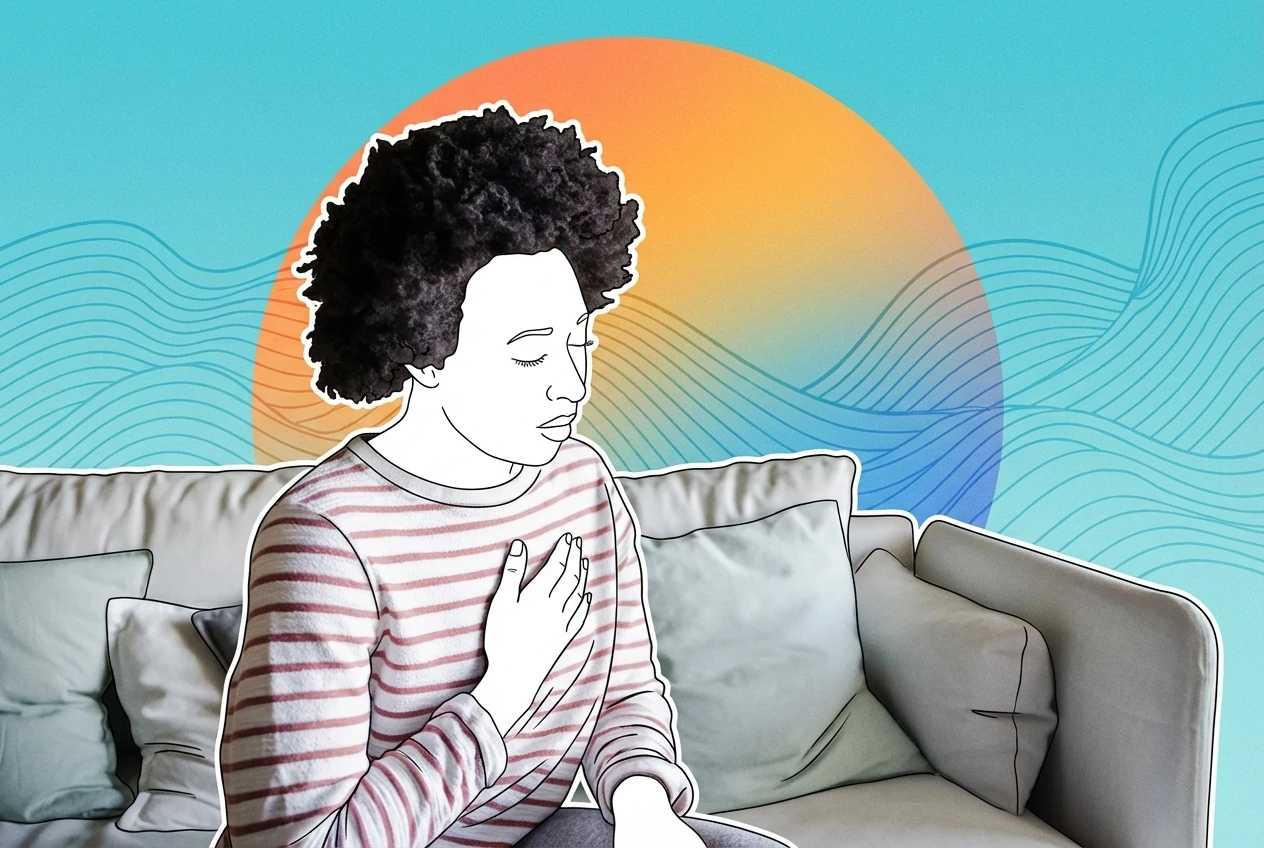
Heart disease is the leading cause of death for women in the United States and can affect women at any age1. Women often experience heart-failure-differencesheart-failure-differencesheart-palpitations-causes-and-reliefheart-palpitations-causes-and-reliefheart attacks differently than men, with symptoms that may be less obvious or atypical, leading to delays in diagnosis and treatment2. Recognizing these key signs is essential for timely medical intervention and improved outcomes3.
Despite women having more symptomatic chest pain than men, they are less likely to receive timely and appropriate care7.
Recognizing Heart Attack Symptoms
Chest pain or discomfort remains the most common symptom of a heart attack in women, occurring in over 90% of cases4. However, women frequently report a broader range of symptoms during acute coronary syndrome (ACS) than men, including shortness of breath, nausea, vomiting, fatigue, and palpitations5. Unlike men, women may experience less intense chest pain described more as pressure, tightness, or squeezing rather than crushing pain6.
💡 Did You Know?
Heart attacks are misdiagnosed more often in young women than in men. The predominant sign of a heart attack for both men and women is chest pain12.
Women are also more likely to have atypical symptoms such as pain in the neck, jaw, back, or stomach, which can be mistaken for non-cardiac issues like indigestion or anxiety7. Silent myocardial infarctions, which cause minimal or no chest pain, occur more commonly in women and contribute to underdiagnosis8. Prodromal symptoms, including unusual fatigue and indigestion, may precede acute events by days or weeks and are important for early recognition9.
Symptoms like dizziness, sweating, and lightheadedness are also more common in women during a heart attack10. The likelihood of myocardial infarction increases when several symptoms such as chest discomfort, shortness of breath, and nausea present simultaneously11.
- Chest pain or discomfort, often described as pressure or tightness4
- Shortness of breath or dyspnea5
- Pain in the arm(s), shoulder, neck, jaw, back, or stomach7
- Nausea, vomiting, or indigestion-like symptoms5
- Unusual or extreme fatigue lasting days or weeks before the event9
- Dizziness, lightheadedness, or fainting10
- Cold sweat or palpitations5