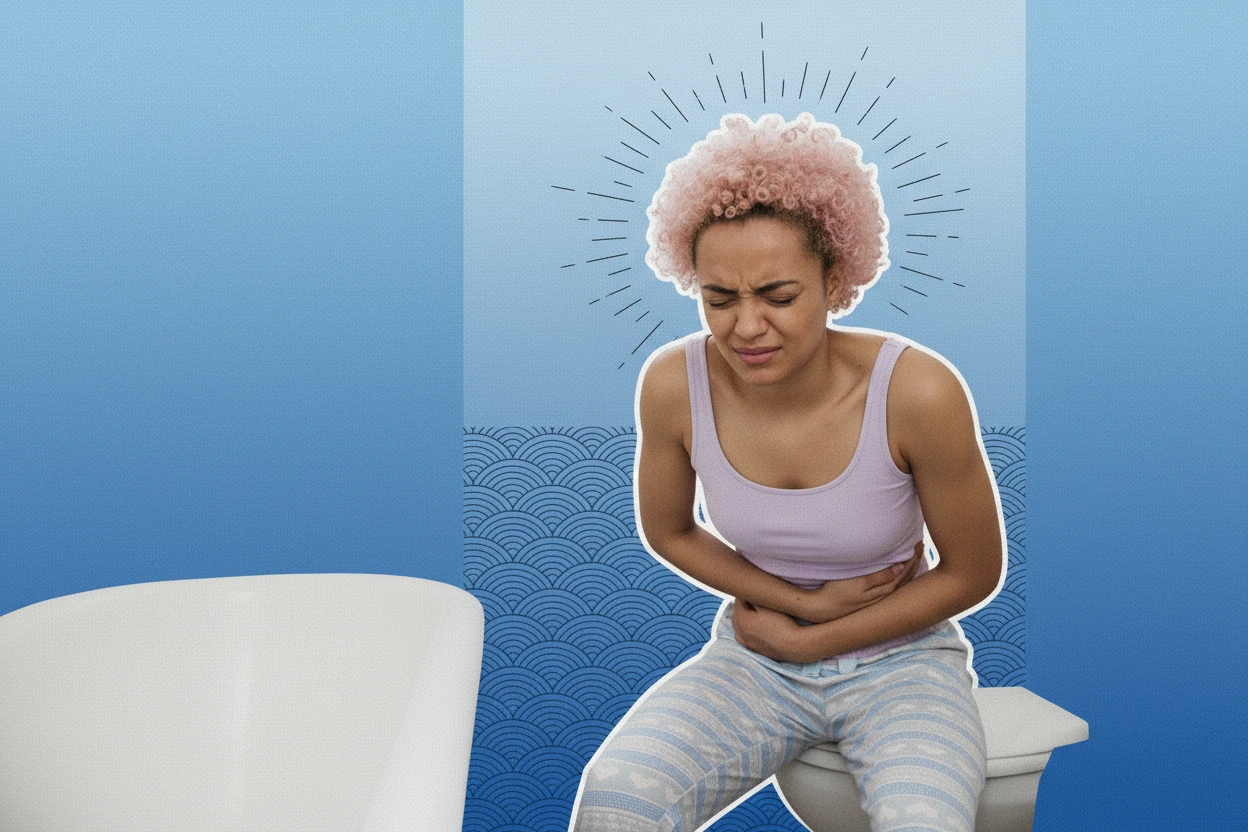
Enteritis is inflammation of the small intestine that can disrupt digestion and nutrient absorption, leading to various gastrointestinal symptoms1. It is most commonly caused by infections from viruses, bacteria, or parasites, but other causes include autoimmune diseases, radiation therapy, and reduced mcv blood test results meaning and normal range flow to the intestines2. While mild cases often resolve within a few days, severe enteritis can lead to dehydration and other serious complications, especially in vulnerable populations like children and the elderly3. Understanding the types, symptoms, causes, diagnosis, and treatment options is essential for effective management and prevention4.
Types of Enteritis
Enteritis can be classified based on its cause and the affected part of the gastrointestinal tract. The main types include infectious, radiation-induced, ischemic, and autoimmune enteritis56.
-
Infectious enteritis is the most common type and results from bacterial, viral, or parasitic infections. Bacterial enteritis often follows ingestion of contaminated food or water and includes pathogens such as Escherichia coli and Salmonella78. Viral enteritis, often called stomach flu or stomach bug, is primarily caused by norovirus globally, with rotavirus, adenovirus, and astrovirus also common91011. Parasitic causes include Giardia lamblia and other protozoa transmitted via fecal-oral routes712.
-
Radiation enteritis occurs when radiation therapy damages the intestinal lining, especially during cancer treatment targeting the abdomen or pelvis. Symptoms usually resolve within weeks after therapy but can persist for months or years in some cases13143.
-
Ischemic enteritis results from reduced blood flow to the small intestine, often due to vascular occlusion or comorbidities like diabetes and hypertension. This type can cause tissue damage and requires addressing underlying vascular issues1516.
-
Autoimmune enteritis involves immune system dysfunction causing inflammation. Conditions such as Crohn’s disease and lupus enteritis fall under this category, where the immune system attacks intestinal tissues131718.
These types differ in their causes, clinical course, and treatment approaches, making accurate diagnosis crucial2.
Enteritis Symptoms
The inflammation in enteritis disrupts normal intestinal function, leading to a range of symptoms primarily related to digestion and fluid balance519.
Common symptoms include:
- Abdominal pain and cramps, often acute in onset519
- Nausea and vomiting910
- Diarrhea, which may be watery or bloody910
- Loss of appetite and sometimes fever31
- Occasionally, mucus or blood in stool910
Dehydration is the most serious complication due to fluid loss from vomiting and diarrhea. Signs of dehydration include thirst, dry mouth, lightheadedness, reduced urination, and in severe cases, rapid heartbeat, low blood pressure, and altered mental status9103. Prompt medical attention is necessary if symptoms worsen or dehydration signs develop, especially in young children and older adults3.
Mild cases of enteritis often resolve without significant fluid loss or complications, but severe symptoms require urgent care to prevent life-threatening dehydration910.
“Enteritis is inflammation and irritation of the small intestine. An inflamed small intestine impairs digestion. Common symptoms include abdominal pain, diarrhea, nausea, and vomiting. The most common type of enteritis is caused by infection.”
— Sarah Lewis, Pharmacist1
Causes of Enteritis
Enteritis arises from various causes that lead to inflammation of the small intestine. These include infectious agents, autoimmune diseases, ischemia, and radiation exposure20135.
-
Infectious causes: Bacteria such as E. coli, Salmonella, Shigella, Campylobacter jejuni, and Staphylococcus aureus are common culprits in bacterial enteritis7821. Viruses like norovirus, rotavirus, adenovirus, and astrovirus are frequent viral causes worldwide91011. Parasites such as Giardia lamblia, Cryptosporidium, and Cyclospora spread mainly through fecal-oral transmission, especially in areas with poor sanitation712.
-
Radiation-induced enteritis: Radiation therapy targeting abdominal or pelvic cancers can damage intestinal cells, causing inflammation that may be acute or chronic13143.
-
Ischemic enteritis: Reduced blood flow due to vascular occlusion, atherosclerosis, or low blood pressure can cause ischemic injury to the small intestine1516.
-
Autoimmune enteritis: Diseases like Crohn’s disease, lupus enteritis, celiac disease, eosinophilic enteritis, and microscopic enteritis involve immune-mediated inflammation of the intestine1317182.
-
Other causes: Certain medications (e.g., NSAIDs, some antibiotics), alcohol, and illicit drugs like cocaine can also induce enteritis42.
Risk Factors of Enteritis
Several factors increase the likelihood of developing enteritis:
- Consumption of contaminated food or water, especially raw or undercooked poultry, meat, and unpasteurized dairy721
- Poor hygiene and sanitation practices712
- Recent travel to areas with unsafe water or food sources712
- Immunocompromised status, including young children, elderly, and patients on immunosuppressive therapy22231
- Underlying autoimmune diseases like Crohn’s disease or lupus131718
- Exposure to abdominal or pelvic radiation therapy1314
- Cardiovascular diseases, diabetes, or conditions causing poor blood flow1516
Understanding these risk factors helps in prevention and early diagnosis24.
Diagnosing Enteritis
Diagnosis of enteritis involves a combination of clinical evaluation, laboratory testing, and imaging studies to identify the cause and assess the extent of inflammation20255.
-
Clinical history and physical exam: A detailed history including symptom onset, diet, travel, medication use, and comorbidities is essential2025.
-
Laboratory tests: Stool studies help detect bacterial, viral, or parasitic pathogens. Stool cultures, multiplex PCR, and microscopy may be used2057.
-
Endoscopy and biopsy: Visualization of the small intestine via colonoscopy or upper endoscopy allows direct assessment and tissue sampling for histopathology, especially in autoimmune or chronic cases2017.
-
Imaging: CT scans and MRI provide detailed images of intestinal inflammation and help exclude other causes like bowel obstruction or tumors2015.
-
Differential diagnosis: Conditions such as pancreatitis, inflammatory bowel disease, and other gastrointestinal disorders must be ruled out2017.
Accurate diagnosis guides appropriate treatment and prevents complications24.
Enteritis Treatment Options
Treatment depends on the underlying cause and severity of enteritis, with supportive care being the mainstay for most cases20255.
-
Supportive care: Hydration is critical to replace fluids lost through diarrhea and vomiting. Oral rehydration solutions or intravenous fluids may be necessary, especially in severe dehydration9103.
-
Medications:
- Antibiotics are reserved for severe or complicated bacterial enteritis but are ineffective against viral infections516.
- Anti-diarrheal agents may be used cautiously in mild cases without systemic symptoms910.
- Corticosteroids and other immunosuppressants may be required for autoimmune enteritis such as Crohn’s disease or eosinophilic gastroenteritis2.
-
Adjustments or discontinuation of radiation therapy may be necessary in radiation enteritis1314.
-
Treatment of ischemic enteritis: Focuses on restoring blood flow and managing cardiovascular risk factors. Surgery may be needed in severe cases1516.
-
Hospitalization: Required for severe dehydration, persistent symptoms, or complications910.
Most infectious enteritis cases resolve within a week with proper care, while radiation enteritis may take months to improve139.
“Enteritis is most often caused by eating or drinking things contaminated with bacteria or viruses. The germs settle in the small intestine and cause inflammation and swelling.”
— Jenifer K. Lehrer, Aria - Jefferson Health Torresdale21
Preventing Enteritis
Prevention focuses on reducing exposure to infectious agents and minimizing risk factors for non-infectious types20137.
- Practice good hand hygiene by washing hands with soap and water after using the bathroom and before eating or preparing food724.
- Ensure food safety by thoroughly cooking meats, poultry, and eggs, and properly storing perishable foods267.
- Use clean utensils and avoid cross-contamination during food preparation267.
- Drink bottled or treated water, especially when traveling to areas with uncertain water quality712.
- Avoid exposure to potentially contaminated recreational water sources712.
- For radiation enteritis, careful radiation dosing and targeted techniques help reduce intestinal damage1314.
These measures collectively reduce the incidence of infectious and iatrogenic enteritis27.
Potential Complications
Severe or untreated enteritis can lead to serious health problems requiring medical intervention910.
- Dehydration: Excessive fluid loss can cause electrolyte imbalances, kidney failure, shock, and death if untreated910.
- Bowel obstruction: Inflammatory swelling may cause partial or complete blockage of the intestines1619.
- Post-infectious irritable bowel syndrome (IBS): Approximately 10% of IBS cases follow enteric infections1619.
- Chronic diarrhea and malnutrition: Especially in autoimmune or radiation enteritis2.
- Bowel perforation: Rare but life-threatening, requiring urgent surgery1.
Early recognition and treatment are crucial to prevent these outcomes910.
Dehydration is the most serious complication of enteritis and can develop rapidly, especially in infants and older adults. Prompt fluid replacement and medical care are essential to prevent life-threatening outcomes.1039
Key Points
- Enteritis is inflammation of the small intestine caused by infections, autoimmune diseases, ischemia, or radiation20135.
- Symptoms include abdominal pain, diarrhea, nausea, vomiting, and sometimes bloody stools910.
- Diagnosis involves clinical evaluation, stool tests, endoscopy, and imaging20255.
- Treatment is mainly supportive with hydration; antibiotics are used for bacterial infections, and immunosuppressants for autoimmune causes952.
- Prevention focuses on hygiene, safe food and water practices, and careful radiation dosing71213.
- Severe enteritis can cause dehydration, bowel obstruction, and chronic gastrointestinal issues91619.
FAQs
What is enteritis?
Enteritis is inflammation of the small intestine that impairs digestion and absorption, often causing diarrhea, abdominal pain, and nausea1.
What causes enteritis?
Common causes include infections by bacteria, viruses, or parasites; autoimmune diseases like Crohn’s; radiation therapy; and reduced blood flow to the intestines13715.
How is enteritis treated?
Most cases resolve with hydration and rest. Antibiotics are used for bacterial infections, while autoimmune or ischemic enteritis requires specific treatments9515.
Can enteritis be prevented?
Yes, by practicing good hand hygiene, safe food handling, drinking clean water, and minimizing radiation exposure71213.
When should I see a doctor for enteritis?
Seek medical care if symptoms last more than 3-4 days, if you have a high fever, bloody stools, or signs of dehydration324.