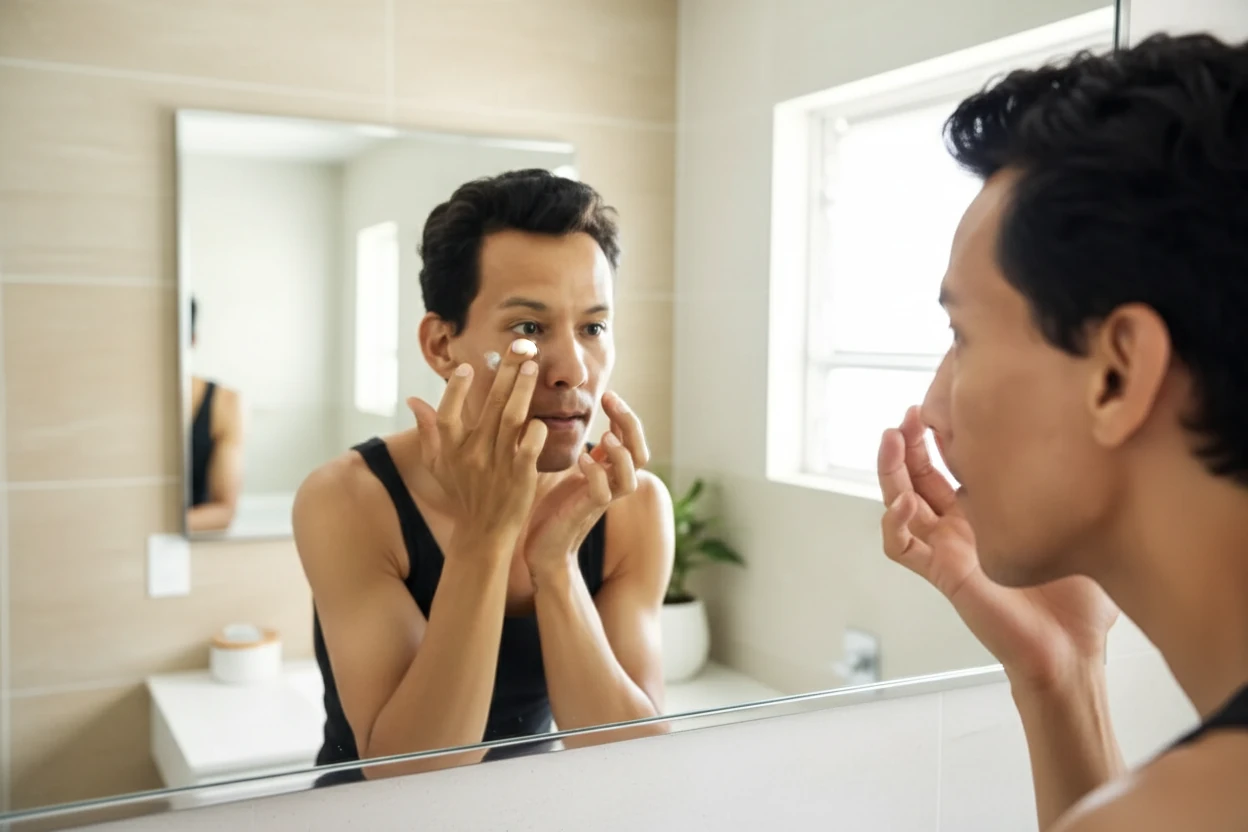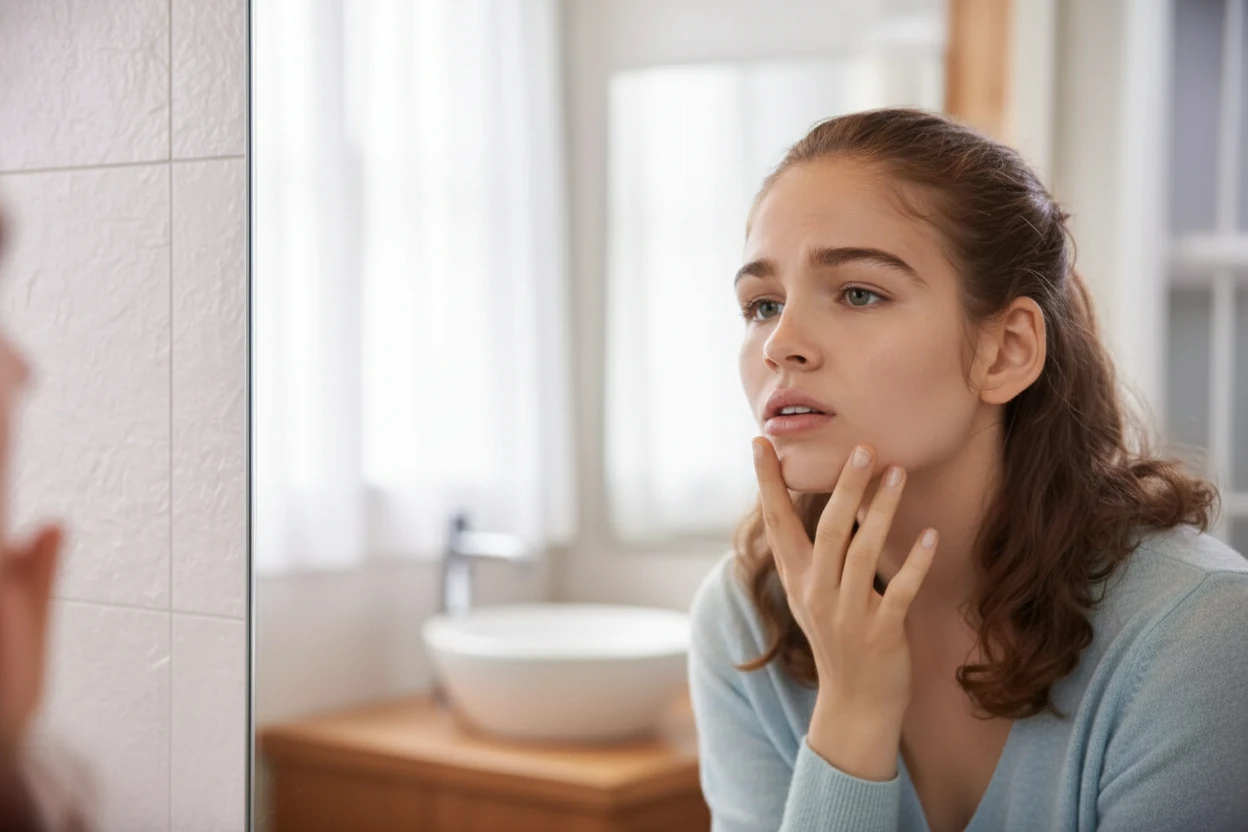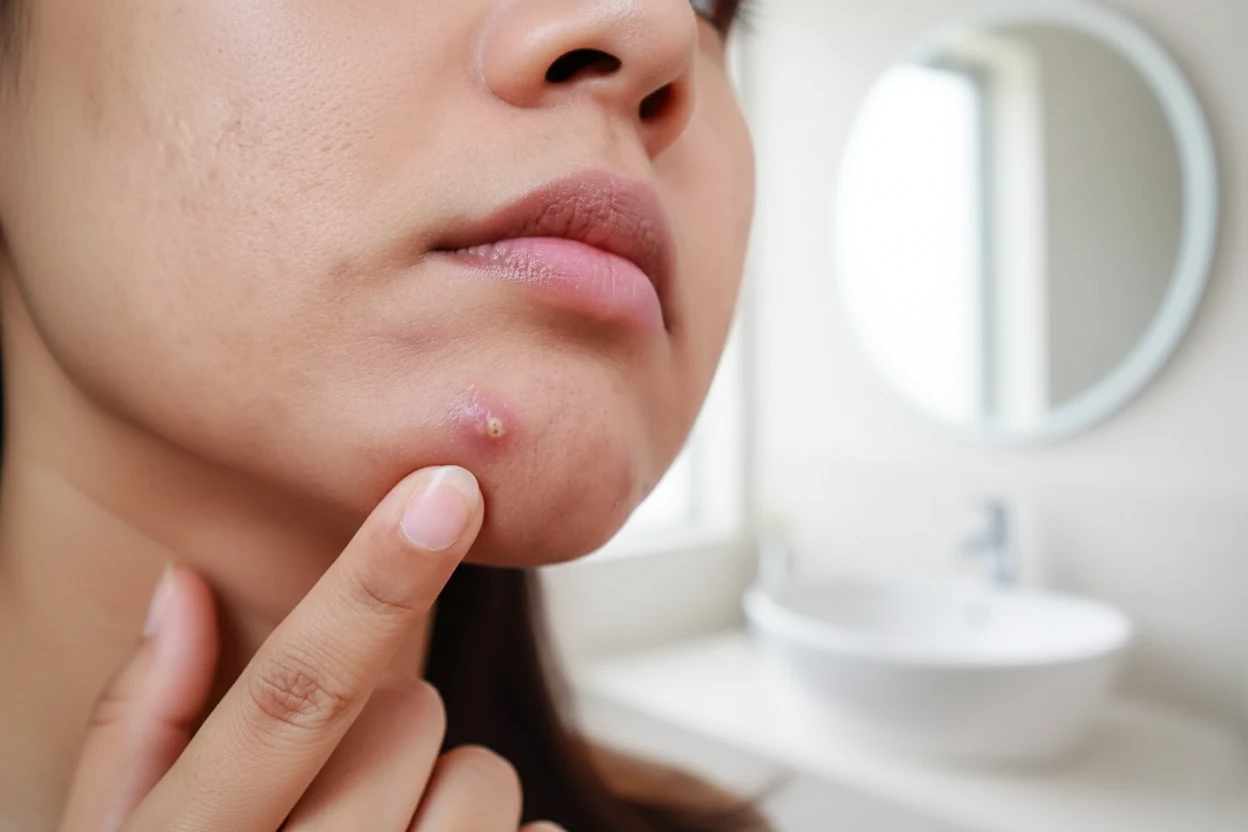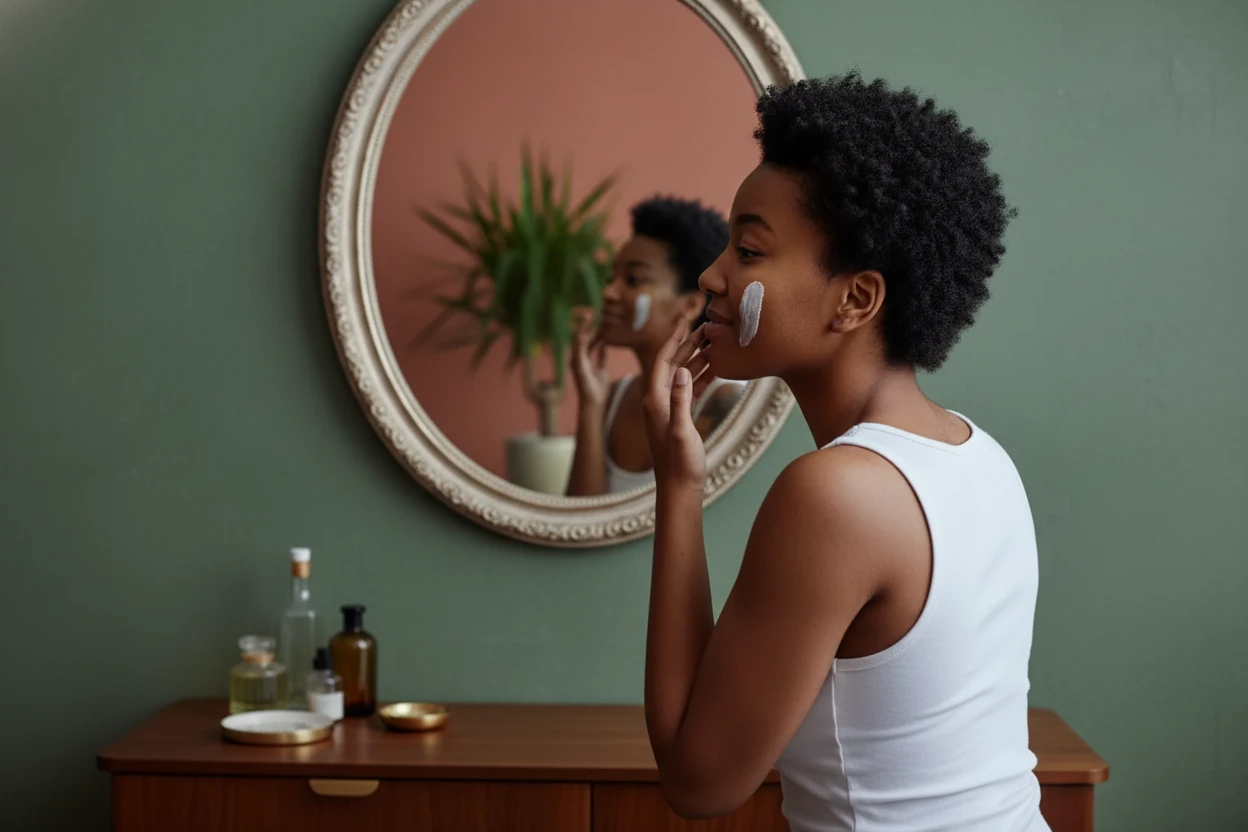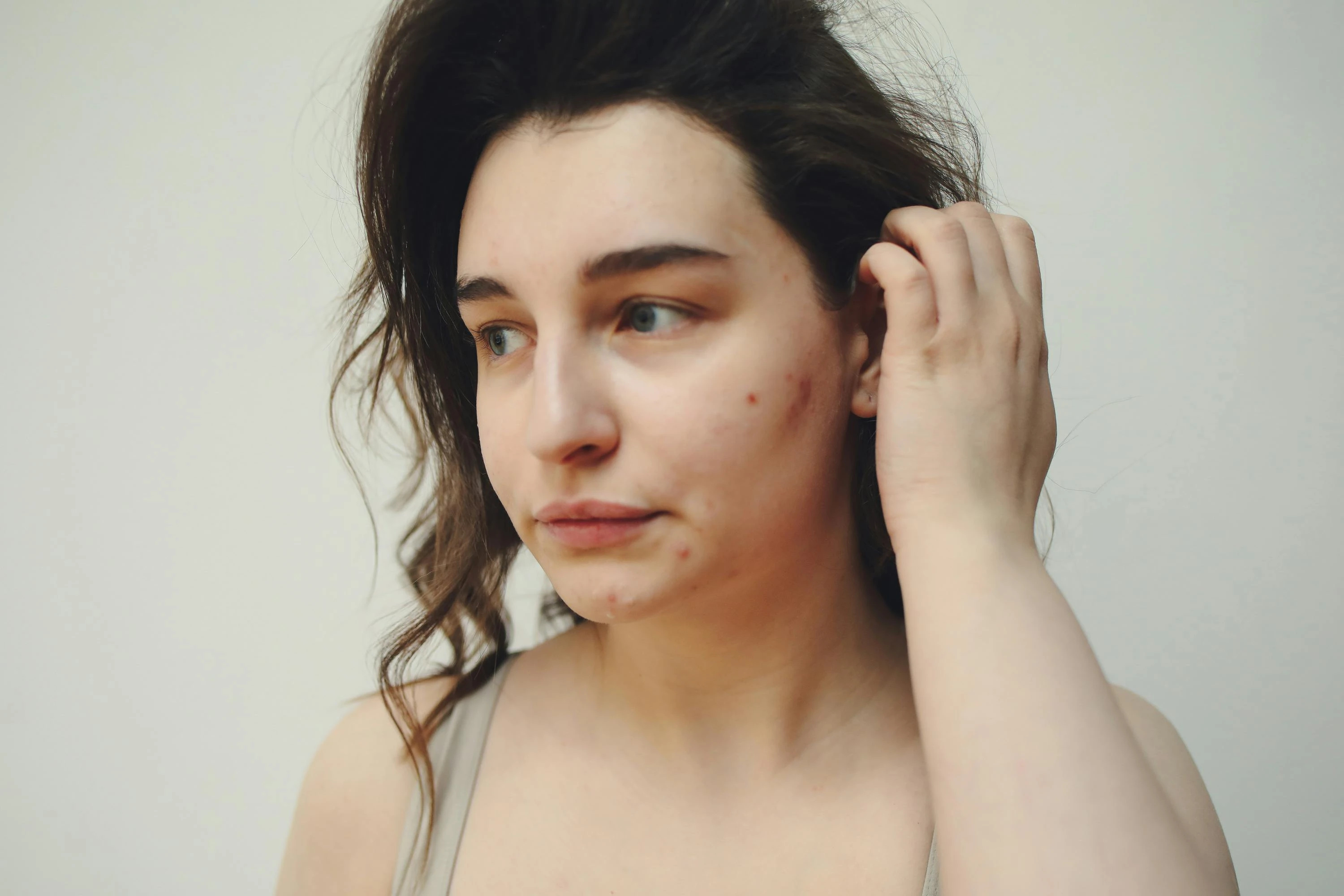
Stress pimples, often experienced as sudden acne-bacne-causes-treatments-and-preventionacne-bacne-causes-treatments-and-preventionacne-treatment-guideacne-treatment-guideacne flare-ups during periods of emotional strain, affect a large portion of the population, especially adolescents and young adults1. Psychological stress triggers hormonal changes that increase oil production in the skin, leading to clogged pores and acne lesions2. Managing stress alongside appropriate skincare can significantly reduce the frequency and severity of these breakouts3. Understanding the causes, symptoms, and treatment options is essential for effective management and prevention of stress-related acne4.
Signs and Symptoms of Stress Pimples
Stress pimples represent a flare or worsening of preexisting acne triggered by psychological stressors rather than a distinct acne type1. Acne lesions vary widely in appearance and severity, including:
- Blackheads (open comedones): Form when pores are clogged with excess oil and dead skin cells that darken upon air exposure2.
- Whiteheads (closed comedones): Occur when clogged pores remain closed, resulting in small white bumps2.
- Papules: Inflamed, tender red bumps without pus2.
- Pustules: Raised bumps containing visible pus at the surface2.
- Nodules and cysts: Severe, painful, inflamed lumps beneath the skin surface2.
- Pimples: Inflamed lesions caused by clogged pores infected by bacteria2.
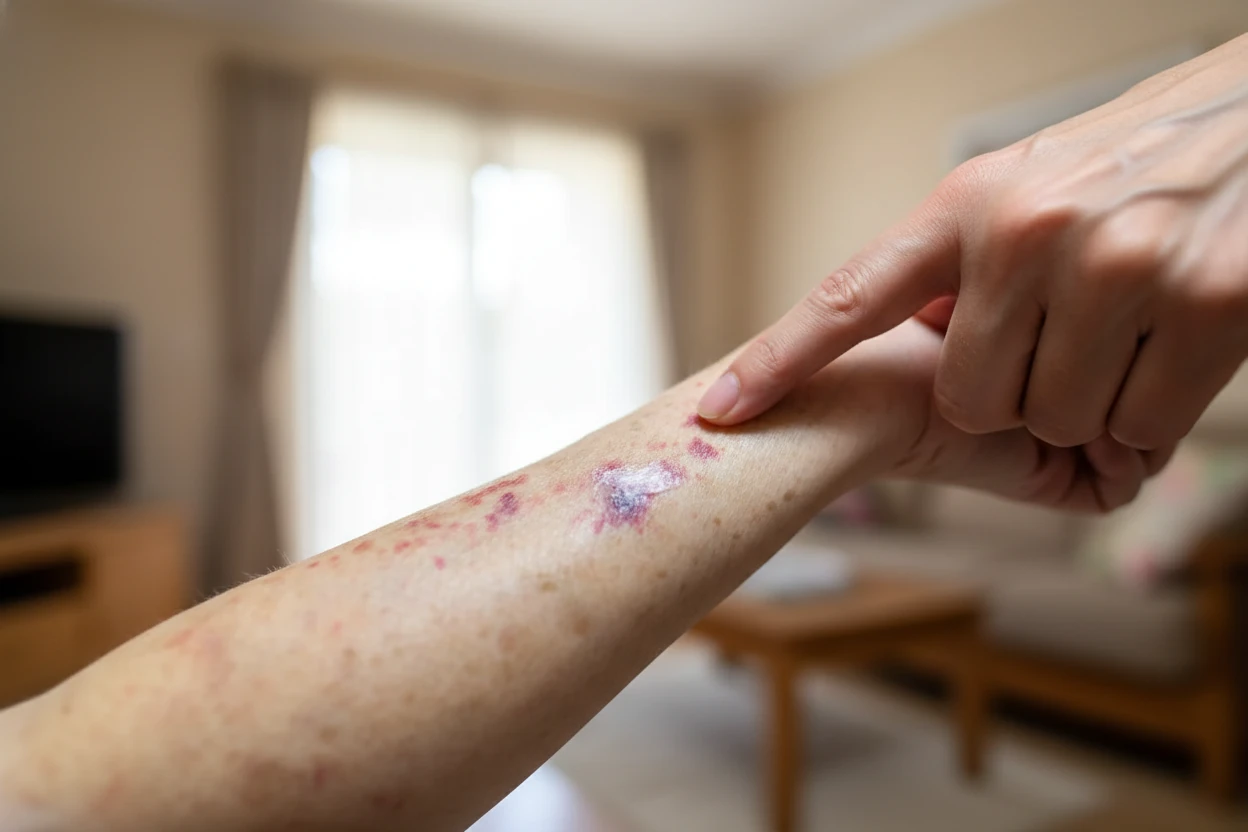
Stress can exacerbate existing acne, causing more frequent and severe flare-ups in susceptible individuals, especially those with oily skin and larger pores52. Stress-related acne lesions often appear on the face, chest, back, and shoulders6.
Stress can cause acne to heal more slowly, making lesions last longer and become more severe. Stress and acne have a bidirectional relationship, where stress worsens acne and acne outbreaks can increase emotional stress6.
The Link Between Stress and Acne
Psychological stress is a significant factor that can worsen acne but is not the primary cause7. Stress triggers hormonal changes, notably increased cortisol and androgen levels, which stimulate sebaceous glands to produce more sebum (skin oil)2. This excess oil, combined with abnormal skin cell shedding (keratinization), bacterial colonization by Propionibacterium acnes, and inflammation, leads to acne development2.
Individuals with oily skin and larger pores are more sensitive to stress-induced acne exacerbations2. Stress disrupts lifestyle routines such as sleep, diet, and exercise, which may further aggravate acne6. Additionally, stress can lead to skin-picking behaviors, increasing inflammation, scarring, and hyperpigmentation6.
Other Acne Causes
Besides stress, acne is influenced by multiple factors including:
- Hormonal fluctuations, especially during adolescence and in adult women8.
- Genetic predisposition, such as having parents with acne6.
- Certain medications and environmental exposures2.
- Dietary factors, including high sugar intake and some dairy products89.
- Skin barrier dysfunction and bacterial infections2.
These factors often interact with stress to worsen acne severity2.
“Stress can increase certain hormones, such as cortisol. This can lead to more inflammation, which can trigger and worsen acne.”
— Mary Sheu, Johns Hopkins Dermatology and Cosmetic Center8
Effective Treatments for Stress Pimples
Treating stress pimples involves addressing both the acne lesions and the underlying stress that triggers flare-ups7. Treatment plans should be individualized based on acne severity and patient preferences2.
Common treatment options include:
- Topical cleansers: Gentle cleansing twice daily with mild foaming or creamy cleansers helps remove excess oil and makeup without irritating the skin8.
- Topical medications: Retinoids (e.g., adapalene, tretinoin) normalize follicular keratinization and promote skin cell turnover2. Antibiotics (e.g., clindamycin, dapsone) reduce bacterial colonization and inflammation2. Benzoyl peroxide has antimicrobial and anti-inflammatory effects10.
- Salicylic acid: Helps unclog pores and reduce oil buildup10.
- Oral medications: For moderate to severe acne, oral antibiotics or hormone therapy (e.g., spironolactone) may be prescribed811.
- Adjunct therapies: Chemical peels, light therapy, and laser treatments can accelerate acne clearance and reduce scarring11.
Stress management techniques are essential components of treatment to reduce flare-ups and improve outcomes3. These include:
- Mindfulness and meditation3.
- Yoga and breathing exercises3.
- Adequate sleep and regular physical activity6.
💡 Did You Know?
Salicylic acid unclogs pores and reduces oil buildup. Benzoyl peroxide is anti-inflammatory and antimicrobial to combat increased inflammation and bacterial infection10.
Preventing Stress-Related Breakouts
Prevention of stress pimples focuses on managing stress and maintaining good skincare habits. Identifying stress as a trigger allows for tailored approaches to reduce acne flare-ups7.
“People with more acne-prone skin, such as those who have larger pores or tend to have more oily skin, are somewhat more sensitive to stress-induced acne.”
— Angela Lamb, Icahn School of Medicine at Mount Sinai4
Key prevention strategies include:
- Practicing stress reduction techniques such as mindfulness, meditation, and yoga3.
- Maintaining a gentle skincare routine with mild cleansers and avoiding harsh scrubs or strong soaps2.
- Washing the face up to twice daily and removing makeup before sleep6.
- Keeping hair away from the face to prevent pore clogging6.
- Avoiding picking or squeezing pimples to reduce inflammation and scarring6.
A balanced diet rich in fruits, vegetables, and low in excessive sugars and dairy may also help reduce acne severity8.
Stress-Triggered Skin Conditions
Stress not only worsens acne but also exacerbates other inflammatory skin disorders, including:
- Atopic dermatitis (eczema): Chronic, itchy, inflammatory skin lesions often worsened by stress5.
- Psoriasis: Characterized by red plaques with silvery scales, stress can trigger flare-ups5.
- Rosacea: Presents as facial redness, papules, pustules, and sometimes swelling, which stress can aggravate5.
Managing stress is an important part of controlling these skin conditions and improving overall skin health512.
When to See a Doctor
Professional evaluation is recommended when acne is persistent, painful, or worsening despite self-care2. Other reasons to seek medical advice include:
- Development of scarring during acne healing2.
- Acne causing significant emotional distress or psychological stress7.
- Sudden acne-like eruptions that may indicate other conditions such as folliculitis or allergic dermatitis5.
- When over-the-counter treatments have not improved acne after several weeks11.
Healthcare providers can offer prescription medications, advanced therapies, and psychological support to manage both acne and stress effectively711.
Summary and Key Takeaways
- Stress pimples are flare-ups of existing acne triggered by psychological stress, affecting many adolescents and adults17.
- Stress increases cortisol and androgen hormones, which stimulate oil production and inflammation, worsening acne28.
- Acne lesions include blackheads, whiteheads, papules, pustules, nodules, and cysts, with severity varying among individuals2.
- Effective treatment combines topical and oral medications with stress management techniques such as mindfulness and yoga324.
- Preventing stress pimples involves gentle skincare, avoiding pimple-picking, and maintaining healthy lifestyle habits62.
- Stress also worsens other skin conditions like eczema, psoriasis, and rosacea, highlighting the importance of holistic skin care5.
- Consult a healthcare provider for persistent, severe, or scarring acne to receive appropriate medical and psychological support27.