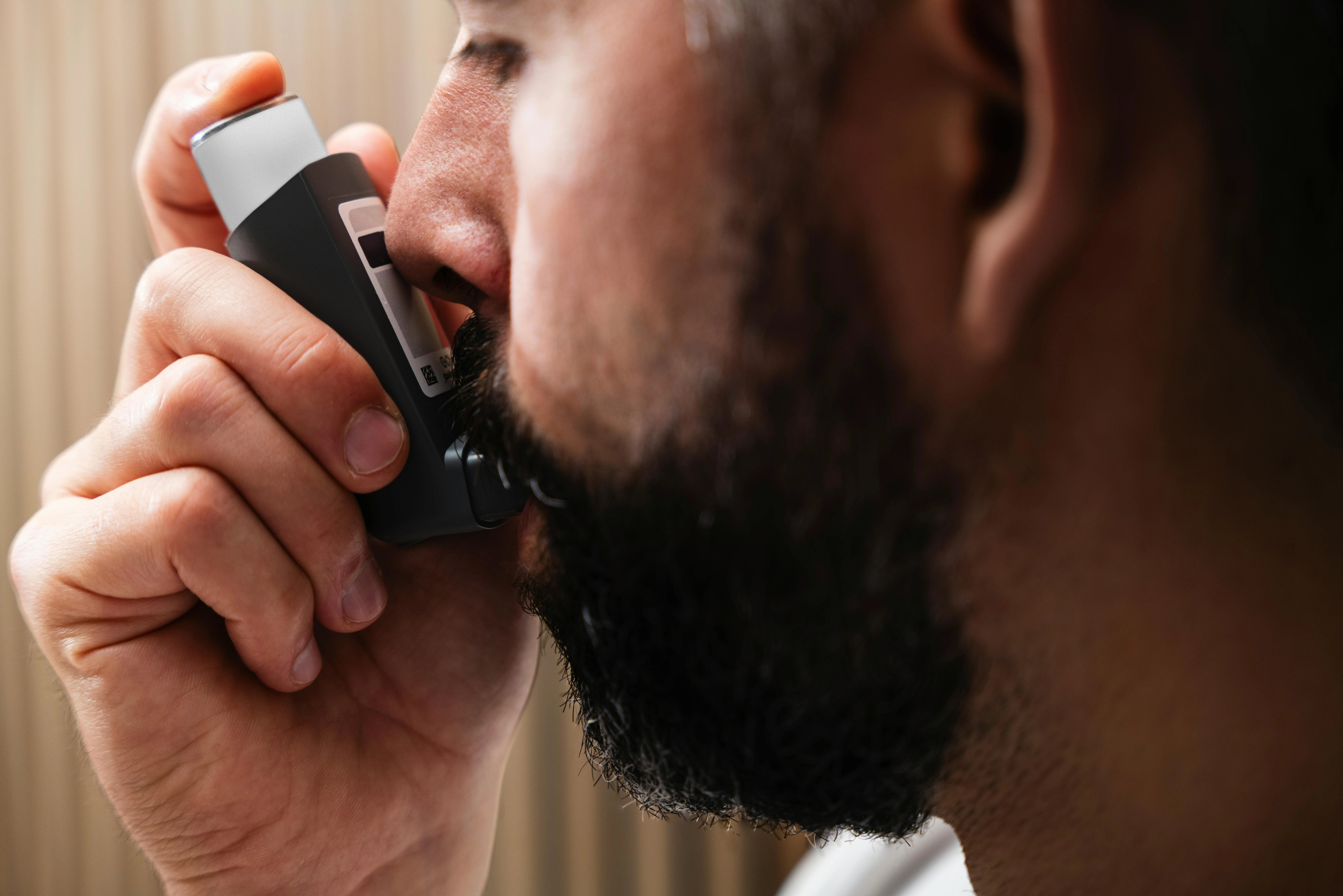
Asthma affects approximately 339 million people worldwide and is a chronic lung condition that causes breathing difficulties due to airway inflammation and narrowing1. While many people experience symptom improvement over time, especially children, asthma is generally considered a lifelong condition without a cure2. Some individuals may achieve asthma remission, meaning they live symptom-free for extended periods, but symptoms can return, and ongoing management remains essential34.
Understanding Asthma
Asthma is a chronic inflammatory disease of the airways characterized by variable airflow obstruction and bronchial hyper-responsiveness, which means the airways are overly sensitive and prone to narrowing1. This inflammation causes symptoms such as wheezing, shortness of breath, coughing, and chest tightness. These symptoms result from airway swelling, mucus buildup, and muscle tightening around the airways, making breathing difficult15.
Types
Asthma is classified based on symptom frequency and severity. One common type is intermittent asthma, where symptoms occur infrequently and there are no significant nighttime awakenings1. Other types include persistent asthma, which varies from mild to severe depending on how often symptoms occur and how much they affect daily life. Severe asthma, which accounts for about 5% of cases, involves more frequent symptoms and greater risk of serious attacks6.
Treatment typically involves inhaled corticosteroids and bronchodilators delivered via inhalers to control inflammation and open airways1. For severe asthma, additional options include systemic corticosteroids, biologic therapies targeting specific immune pathways, and bronchial thermoplasty, a surgical procedure that reduces airway smooth muscle67.
💡 Did You Know?
Asthma is an inflammatory condition that narrows your airways, creating permanent changes in your lungs. While it never completely goes away, symptoms can be managed effectively to improve quality of life4.
Does Asthma Ever Go Away?
Asthma is a chronic condition that does not have a cure and never completely goes away289. However, many people, especially children, experience a reduction in symptoms or appear to "outgrow" their asthma as they get older1011. This improvement often occurs because the airways grow larger and less reactive, and inflammation decreases with age10.
Despite symptom improvement, asthma can come and go over time and may flare up again due to triggers such as respiratory infections, allergies, smoke, cold weather, stress, or exercise811. Adults can also develop asthma later in life, often triggered by respiratory illness or allergen exposure, and symptoms may persist or fluctuate8.
Proper asthma management includes avoiding triggers, not smoking, using prescribed medications regularly, and monitoring lung function to prevent exacerbations125. Stopping medications without medical advice can lead to symptom return and increased risk of attacks1213.
Asthma Remission Explained
Asthma remission refers to a state where symptoms disappear or are significantly reduced for at least 12 months141310. This can happen with or without ongoing treatment. Remission is not the same as a cure because the underlying airway inflammation and sensitivity may persist, and symptoms can return14132.
There are two types of asthma remission:
- Symptomatic remission: Absence of asthma symptoms such as wheezing, coughing, and shortness of breath1413.
- Complete remission: Resolution of the underlying disease process, including normalized lung function and no airway inflammation141315.
Criteria for asthma remission include stable lung function, minimal or no symptoms, no exacerbations requiring emergency care, and controlled medication use over at least one year141310. When in remission, individuals may experience no asthma attacks or hospital visits, fewer doctor visits, less reliance on quick-relief inhalers, better sleep, and the ability to participate in physical activities without limitation410.
Asthma remission means you have gone 12 months or longer without significant symptoms or the use of corticosteroid medications, with improved lung function tests. However, remission does not guarantee permanent symptom resolution, and symptoms may return with exposure to triggers144.
Who Achieves Asthma Remission?
Certain factors increase the likelihood of achieving asthma remission. Childhood-onset asthma is associated with a higher chance of remission compared to adult-onset asthma14310. Other factors linked to remission include:
- Avoidance of smoking and secondhand smoke141310.
- Fewer or no comorbidities such as allergic rhinitis or eczema141311.
- Shorter duration of asthma symptoms before treatment1413.
- Mild asthma severity and good lung function1011.
- Early and consistent treatment to control inflammation and prevent airway remodeling10.
Biologic therapies targeting type 2 inflammation have improved symptom control and may modify disease progression in severe asthma, potentially increasing remission chances in this group176.
| Factor | Impact on Remission Likelihood | Evidence Source |
|---|---|---|
| Childhood-onset asthma | Higher chance of remission | 143 |
| Smoking status | Avoidance increases remission chance | 1413 |
| Comorbidities | Fewer comorbidities favor remission | 1413 |
| Biologic therapies | May improve control and remission | 176 |
Despite these factors, predicting remission remains challenging due to the complex and varied nature of asthma3. Some children who appear to outgrow asthma may experience symptom recurrence later in adulthood, sometimes triggered by infections or environmental exposures11.
“I wish I could tell you that asthma goes away when you turn X number of years in age, but that's just not the case.”
— Neha Solanki, Cleveland Clinic8
Key Takeaways
- Asthma is a chronic inflammatory disease that causes airway narrowing and breathing difficulties but can be well controlled with treatment12.
- While asthma does not have a cure, some individuals, especially children with early-onset asthma, may achieve remission with no or minimal symptoms for at least 12 months310.
- Asthma remission requires stable lung function, minimal symptoms, no severe exacerbations, and controlled medication use, but symptoms can return, especially with exposure to triggers14134.
- Avoiding smoking, managing comorbidities, early treatment, and biologic therapies improve the chances of remission and better asthma control141317.
- Patients should never stop asthma medications without medical advice to prevent symptom relapse and severe attacks1213.