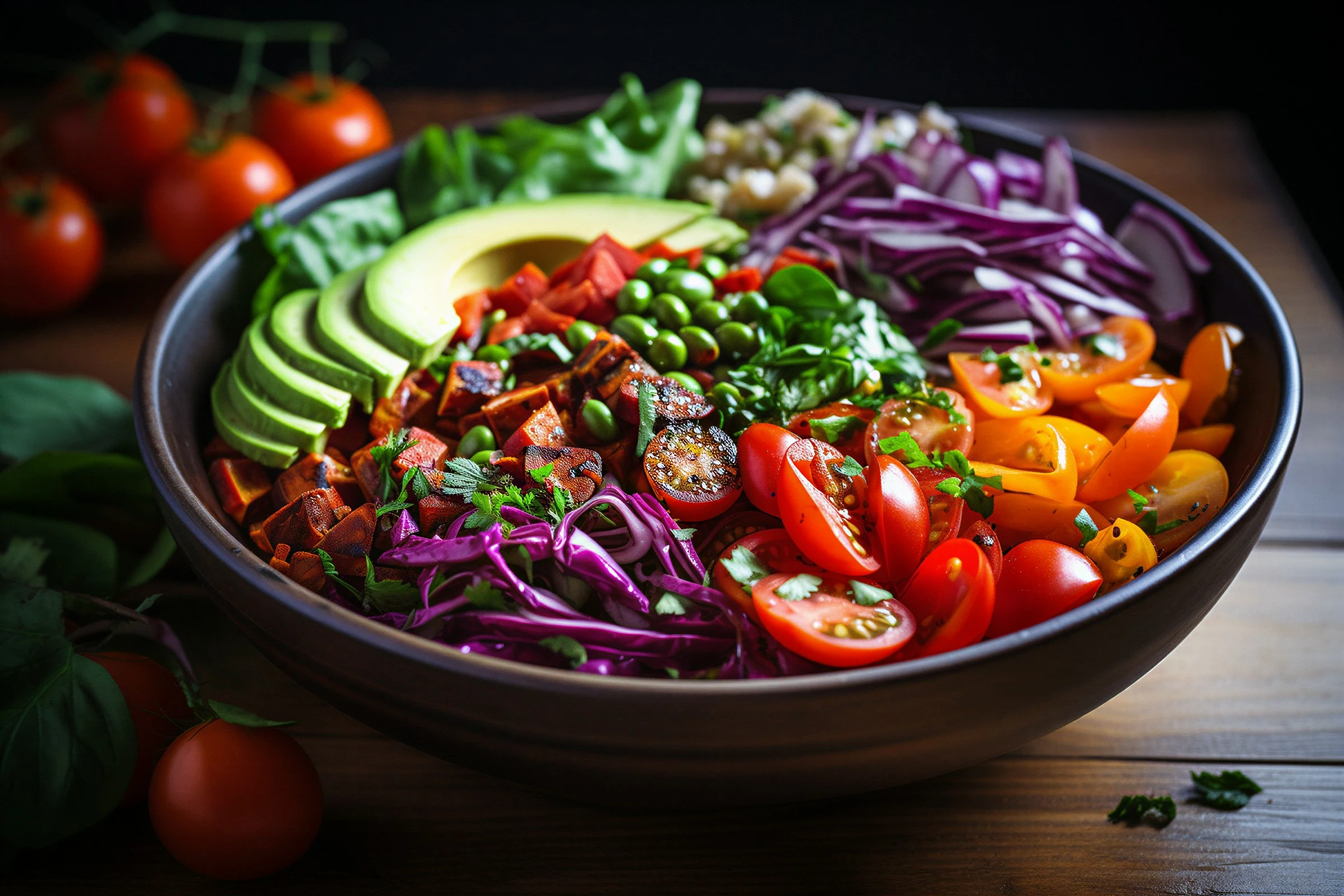
High blood pressure, or hypertension, affects about one in three adults worldwide and is a major risk factor for heart disease and stroke1. Diet plays a crucial role in managing blood pressure, with certain foods providing essential nutrients that promote vascular health and reduce hypertension risk2. Incorporating these foods into balanced eating plans like the DASH or Mediterranean diets can lead to meaningful reductions in blood pressure and cardiovascular events34.
Berries for Blood Pressure
Berries are rich in anthocyanins, a type of flavonoid that supports blood pressure regulation by improving endothelial function and increasing nitric oxide availability, which promotes vasodilation56. Clinical evidence links higher intake of flavonoid-rich foods, including berries, with reductions in systolic blood pressure by 3–5 mmHg, correlating with a 10–15% decrease in cardiovascular events718. Adding berries to meals such as salads or breakfast is an easy way to boost flavonoid intake and support blood pressure control9.
Beetroot Juice Benefits
Beetroot juice is a potent source of dietary nitrate, which the body converts to nitric oxide, a molecule that relaxes blood vessels and lowers blood pressure1011. Meta-analyses of clinical trials show that daily consumption of about 250 mL of beetroot juice can reduce systolic blood pressure by 4–5 mmHg, especially in hypertensive individuals121113. The nitrate-nitric oxide pathway is the primary mechanism behind these benefits, although other beetroot compounds like betalains may also contribute13. Longer-term supplementation (at least two weeks) tends to yield more sustained blood pressure reductions13.
Kiwi Fruit Health Effects
Kiwifruit contains high levels of potassium and vitamin C, nutrients essential for regulating vascular tone and reducing oxidative stress, which together help lower blood pressure51011. Randomized controlled trials have demonstrated that consuming kiwifruit improves endothelial function and reduces both systolic and diastolic blood pressure in people with elevated levels95. Including kiwifruit in daily meals is an effective way to increase intake of these blood pressure-supportive nutrients11.
Pistachios and Heart Health
Pistachios are a heart-healthy nut rich in unsaturated fats, fiber, and phytosterols, which reduce inflammation and enhance endothelial function, leading to lower blood pressure51411. Regular consumption of pistachios has been shown to reduce systolic blood pressure by 2–5 mmHg and decrease cardiovascular risk511. A moderate portion of about one ounce balances calorie intake with cardiovascular benefits. Adding pistachios to meals can improve nutrient density and support heart health511.
Lentils for Hypertension
Lentils, a type of legume, are rich in fiber, protein, and bioactive compounds that contribute to blood pressure regulation5811. They are key components of blood pressure-lowering diets such as DASH and Mediterranean diets811. Clinical trials report that regular legume consumption reduces systolic blood pressure by 3–4 mmHg, partly by improving insulin sensitivity and vascular function58. Incorporating lentils into meals increases dietary fiber and protein, supporting blood pressure control11.
Asparagus Nutritional Value
Asparagus provides important nutrients like potassium and folate that support vascular health and blood pressure regulation5101115. Potassium promotes sodium excretion and vasodilation, while folate helps reduce homocysteine levels, a risk factor for endothelial dysfunction1015. Asparagus is also nutrient-dense, contributing dietary fiber and minerals beneficial for cardiovascular health. Including asparagus in meals enhances intake of these blood pressure-supportive nutrients511.
Pears for Blood Pressure
Pears are a good source of magnesium, potassium, and dietary fiber, which support blood pressure reduction by promoting vasodilation, sodium excretion, and blood sugar regulation510111516. Epidemiological studies show that higher fruit consumption, including pears, is associated with a lower risk of developing hypertension16. Adding pears to meals helps increase intake of these beneficial nutrients and supports metabolic and vascular function11.
Sweet Potatoes Health Benefits
Purple sweet potatoes contain anthocyanins, antioxidants that improve vascular function and reduce oxidative stress, contributing to blood pressure lowering95. They also provide minerals such as potassium and magnesium, which further support blood pressure control10. Including sweet potatoes in the diet increases intake of these minerals and antioxidants, promoting cardiovascular health11.
Kale and Cardiovascular Health
Kale is a leafy green vegetable rich in potassium, calcium, and magnesium, minerals that help regulate blood pressure by promoting vasodilation and reducing vascular resistance95101115. Clinical trials have shown that kale juice can lower both systolic and diastolic blood pressure in hypertensive individuals9. Incorporating kale into meals enhances nutrient intake supportive of heart health and blood pressure management11.
Salmon for Heart Health
Salmon is a fatty fish high in omega-3 fatty acids, which reduce inflammation, improve endothelial function, and lower vascular resistance, thereby helping to reduce blood pressure5101117. Clinical guidelines recommend regular consumption of fatty fish like salmon as part of heart-healthy diets to manage hypertension and reduce cardiovascular risk51017. Including salmon in meals boosts omega-3 intake and supports blood pressure control11.
Diet Plans for Lowering Blood Pressure
The DASH (Dietary Approaches to Stop Hypertension) and Mediterranean diets are strongly recommended for managing hypertension due to their proven ability to lower systolic blood pressure by 6–11 mmHg34111. These diets emphasize high intakes of potassium, magnesium, calcium, fiber, and antioxidants, combined with sodium restriction41. The DASH diet focuses on fruits, vegetables, whole grains, legumes, and low-fat dairy, while the Mediterranean diet highlights minimally processed whole foods and healthy fats491.
💡 Did You Know? DASH stands for Dietary Approaches to Stop Hypertension. It is designed to prevent or treat high blood pressure by emphasizing nutrient-rich foods and limiting sodium, added sugar, and saturated fat18.
Additional Ways to Reduce Blood Pressure
Beyond diet, lifestyle changes such as regular physical activity, stress management, limiting alcohol intake, and smoking cessation significantly lower blood pressure and cardiovascular risk192021. Physical activity alone can reduce systolic blood pressure by approximately 5 mmHg in hypertensive individuals19. Managing stress helps reduce sympathetic nervous system activation, which contributes to blood pressure control2021.
“Try salt-free seasonings like Mrs. Dash. They are available in most grocery stores and supermarkets.”
— Roshini G. Merneedi2
Foods to Avoid With Hypertension
Limiting intake of processed and ultra-processed foods high in sodium, sugar, and saturated fats is critical for blood pressure management12223. Common sources include processed meats, salty snacks, sugary treats, and fast foods1. Reducing these foods lowers blood pressure and cardiovascular risk. Moderation in alcohol consumption and cautious caffeine intake are also advised, as excessive amounts can raise blood pressure124.
How to Measure Blood Pressure
Accurate blood pressure measurement is essential for diagnosing and managing hypertension2520. Systolic pressure measures the force during heartbeats, while diastolic pressure measures it between beats20. Hypertension is diagnosed when readings consistently exceed 140/90 mmHg20. Ambulatory blood pressure monitoring provides better risk prediction than office measurements and helps guide treatment decisions25. Elevated blood pressure increases cardiac workload and the risk of cardiovascular complications21.
“You should always check with your doctor whether it would be safe for you to try a high potassium diet, because patients with kidney disease tend to have higher potassium levels.”
— R Kannan Mutharasan2
Summary and Key Takeaways
- Including berries rich in anthocyanins can reduce systolic blood pressure and cardiovascular risk156.
- Beetroot juice, a dietary nitrate source, effectively lowers systolic blood pressure through nitric oxide-mediated vasodilation121013.
- Potassium- and vitamin C-rich fruits like kiwifruit support vascular health and reduce blood pressure510.
- Nuts such as pistachios improve endothelial function and lower inflammation, contributing to blood pressure control514.
- Legumes like lentils provide fiber and bioactive compounds that reduce systolic blood pressure and improve insulin sensitivity58.
- Vegetables including asparagus, kale, and sweet potatoes supply minerals and antioxidants vital for blood pressure regulation51015.
- Fatty fish like salmon provide omega-3 fatty acids that reduce inflammation and vascular resistance51017.
- DASH and Mediterranean diets are proven eating plans that lower blood pressure by emphasizing nutrient-rich, low-sodium foods341.
- Lifestyle factors such as physical activity, stress management, and limiting processed foods enhance blood pressure control19201.