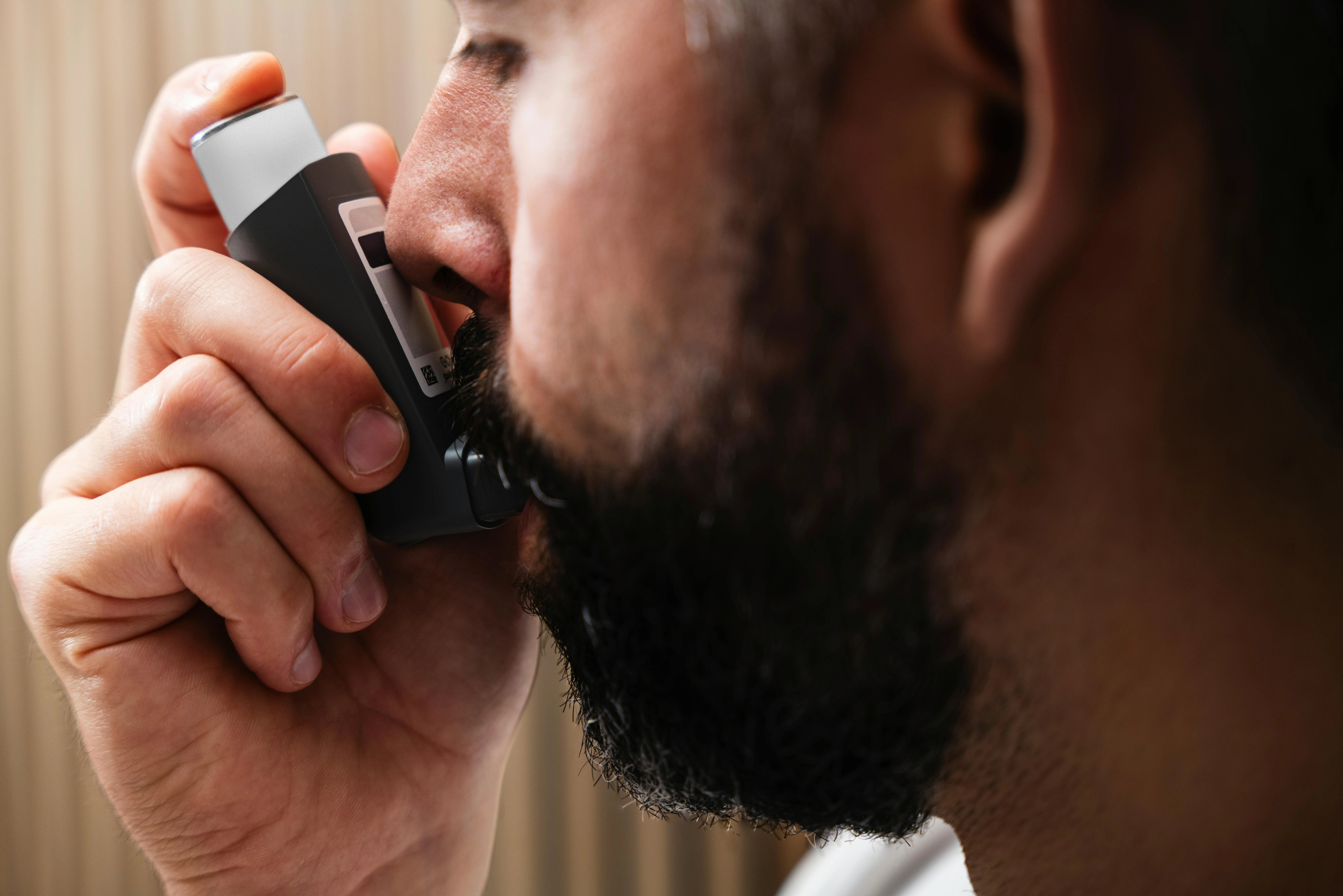
asthma-symptoms-causes-and-treatmentasthma-symptoms-causes-and-treatmentasthma-types-classifications-triggers-and-severityasthma-types-classifications-triggers-and-severityAsthma is a chronic lung condition that affects millions worldwide, causing the airways in the lungs to become inflamed and narrow, which makes breathing difficult1. Asthma attacks, or exacerbations, are sudden or gradual worsening of symptoms that can range from mild to severe and may become life-threatening if not managed promptly2. Recognizing early warning signs and understanding the progression of symptoms can help individuals take timely action to prevent severe attacks and improve outcomes3.
Early Asthma Attack Warning Signs
Early warning signs of an asthma attack are often subtle and vary from person to person, making awareness crucial for timely intervention3. These signs may appear before the classic symptoms of an asthma attack and can help prevent progression to more severe stages if addressed early3.
Common early warning signs include:
- Fatigue or feeling unusually weak, which may indicate the body is struggling to cope with airway irritation34.
- Nasal congestion or a runny nose, signaling the onset of airway inflammation34.
- A tickle or itchiness in the chest or throat, often preceding coughing or wheezing3.
- Itching under the chin or neck, which can be a premonitory symptom of an asthma attack54.
- Difficulty taking a deep breath, reflecting early airway narrowing3.
- Changes in posture, such as slouching or raised shoulders, which may indicate breathing discomfort3.
Recognizing these early signs and acting promptly by using prescribed quick-relief medications or avoiding known triggers can reduce the risk of a severe asthma attack36.
Early recognition of asthma attack warning signs such as fatigue, nasal congestion, and chest tickle is key to preventing severe exacerbations. Acting quickly can improve breathing and reduce emergency visits34.
Mild to Moderate Asthma Symptoms
Mild-to-moderate asthma attacks involve more noticeable respiratory symptoms that reflect airway narrowing and inflammation but can often be managed at home with appropriate medication3. These symptoms typically include:
- Wheezing, a high-pitched whistling sound during breathing caused by narrowed airways36.
- Chest tightness, described as pressure, squeezing, or pain in the chest area36.
- Frequent coughing, which may worsen at night or during physical activity36.
- Shortness of breath or difficulty breathing, including trouble taking deep breaths or feeling unable to catch one’s breath36.
- Retractions, where the ribs pull inward with each breath, indicating increased effort to breathe3.
- Neck strain or tightness as accessory muscles work harder to assist breathing3.
Peak flow monitoring is a valuable tool in identifying mild or moderate attacks by measuring the speed of air expelled from the lungs. A peak flow rate between 50% and 80% of an individual's best reading suggests a mild-to-moderate asthma attack378.
Using quick-relief inhalers, such as albuterol, can help open airways and alleviate symptoms during these attacks39. It is important to follow an asthma action plan to know when to increase medication or seek medical advice610.
| Symptom | Description | Peak Flow Indicator |
|---|---|---|
| Wheezing | High-pitched whistling during breathing | 50-80% of best peak flow3 |
| Chest tightness | Pressure or pain in chest | 50-80% of best peak flow3 |
| Frequent cough | Often worse at night or with exertion | 50-80% of best peak flow3 |
| Shortness of breath | Difficulty breathing or catching breath | 50-80% of best peak flow3 |
| Retractions & neck strain | Increased effort to breathe | Clinical observation3 |
“Asthma is a chronic inflammatory respiratory condition characterized by hallmark symptoms of intermittent dyspnea, cough, and wheezing. Early recognition and intervention of asthma exacerbations are crucial to prevent progression to severe, life-threatening stages.”
— Frank D. Brodkey, University of Wisconsin School of Medicine and Public Health11
Severe Asthma Attack Signs
Severe asthma attacks are medical emergencies that require immediate attention. These attacks can rapidly worsen and cause life-threatening breathing difficulties37. Key signs of a severe asthma attack include:
- Severe shortness of breath with rapid, shallow breathing or unusually slow breathing3.
- Chest pain described as crushing pressure or intense discomfort3.
- Cyanosis, a bluish or grayish discoloration of the lips, tongue, fingertips, or around the eyes, indicating low oxygen levels36.
- Retractions where the skin around the neck, chest, and ribs visibly sinks inward during breathing3.
- An expanded chest that does not deflate properly during exhalation, showing air trapping3.
- Sweating and cold, clammy skin due to distress and poor oxygenation3.
- Difficulty speaking, including inability to say more than one word at a time3.
- Changes in posture such as hunched or raised shoulders to aid breathing3.
A peak flow meter reading below 50% of the individual's best score confirms a severe asthma attack378. At this stage, basic activities like standing or walking may become impossible, and emergency medical care is critical3.
Severe asthma attacks can cause life-threatening symptoms such as cyanosis, chest pain, and inability to speak. Immediate emergency care is essential to prevent respiratory failure.37
Asthma Symptoms in Infants and Children
Recognizing asthma symptoms in infants and young children is challenging because they cannot always verbalize their distress. Parents and caregivers must watch for specific signs that indicate an asthma attack in this vulnerable group312.
Symptoms to monitor include:
- Nasal flaring, where the nostrils widen during breathing to increase airflow3.
- Rapid breathing accompanied by skin pulling in around the ribs or neck and exaggerated belly movements3.
- Wheezing, a high-pitched whistling sound during breathing3.
- Difficulty eating or sucking during feeding due to breathing struggles3.
- Cyanosis, which may appear as bluish skin on lighter skin tones or grayish/whitish skin on darker skin tones, especially on lips, tongue, fingertips, and around the eyes3.
- Unusual quietness, lethargy, or lack of interest in play or usual activities3.
- Grunting noises or short cries during breathing3.
- Floppiness or a floppy body posture and bobbing head movements indicating respiratory distress3.
- Agitation, crankiness, or fussiness due to discomfort3.
Early recognition and prompt use of prescribed asthma medications, along with seeking medical care, can prevent worsening symptoms and complications312.
“Parents and caregivers should be vigilant for signs of asthma attacks in infants and young children who cannot verbalize their symptoms.”
— Journal of Asthma and Allergy3
When to Contact Your Doctor
Knowing when to seek medical help is vital for managing asthma attacks safely. Many asthma attacks can be treated at home with quick-relief medication, but worsening or persistent symptoms require professional care310.
Seek medical attention if you experience:
- Persistent shortness of breath, even at rest3.
- Chest tightness that severely limits breathing3.
- Severe wheezing or shortness of breath that does not improve after using your inhaler3.
- Agitation, confusion, or inability to concentrate3.
- Strained neck and abdominal muscles from working hard to breathe3.
- Needing to sit or stand to breathe more easily3.
- Inability to complete a sentence without pausing to breathe3.
- Blue or grayish-colored lips, fingernails, or fingertips indicating low oxygen3.
- If you do not have access to your inhaler or your symptoms worsen after medication use3.
For infants and young children, call a healthcare provider or emergency services if you notice nasal flaring, rapid breathing with retractions, cyanosis, difficulty feeding, or unusual lethargy3.
| When to Seek Care | Reason |
|---|---|
| Persistent shortness of breath | Indicates worsening airway obstruction3 |
| Severe chest tightness | Limits ability to breathe properly3 |
| No improvement after inhaler use | May require additional treatment3 |
| Blue or gray lips or fingertips | Sign of low oxygen needing emergency care3 |
| Difficulty speaking or completing sentences | Severe respiratory distress3 |
If asthma symptoms worsen or do not improve after quick-relief medication, or if you experience signs like blue lips or inability to speak, seek emergency medical care immediately.3
Asthma Attack Symptoms Summary
Asthma attacks involve a range of symptoms that reflect airway inflammation, muscle tightening, and mucus production, which narrow the airways and make breathing difficult62. The severity of symptoms can vary widely:
- Early warning signs include fatigue, nasal congestion, itching, and a tickle in the chest or throat34.
- Mild-to-moderate attacks present with wheezing, chest tightness, frequent cough, and shortness of breath36.
- Severe attacks cause severe shortness of breath, chest pain, cyanosis, inability to speak, and require urgent medical attention37.
Many attacks can be managed at home with quick-relief inhalers, but worsening symptoms or failure to improve after medication use should prompt immediate medical evaluation310.
| Symptom Severity | Common Signs | Peak Flow Range | Action Needed |
|---|---|---|---|
| Early Warning Signs | Fatigue, nasal congestion, chest tickle | Not applicable | Use action plan, monitor closely3 |
| Mild to Moderate | Wheezing, chest tightness, cough | 50-80% of best peak flow | Use quick-relief inhaler, monitor3 |
| Severe | Severe shortness of breath, cyanosis, chest pain | <50% of best peak flow | Seek emergency care immediately3 |
💡 Did You Know? “An asthma attack is a sudden worsening of asthma symptoms caused by airway narrowing and inflammation, leading to coughing, wheezing, chest tightness, and difficulty breathing”.6
Asthma Attack FAQs
What is an asthma attack?
An asthma attack is a sudden worsening of asthma symptoms caused by airway narrowing due to inflammation, muscle tightening, and mucus production. It can range from mild to severe and is often triggered by allergens, irritants, or illness36.
What are the early signs of an asthma attack?
Early signs include increased mucus production, fatigue, nasal congestion, itching under the chin or neck, and a tickle in the chest or throat34.
How can I tell if my asthma attack is severe?
Severe attacks involve symptoms such as cyanosis (bluish skin), severe shortness of breath, chest pain, inability to speak more than one word at a time, and a peak flow reading less than 50% of your best37.
When should I seek emergency care?
Seek emergency care if symptoms worsen or do not improve after using your inhaler, if you experience persistent shortness of breath, chest tightness, severe wheezing, confusion, or blue lips or fingertips310.
Can asthma attacks be prevented?
Yes, by following an asthma action plan, avoiding triggers, taking prescribed controller medications, and monitoring symptoms regularly61.