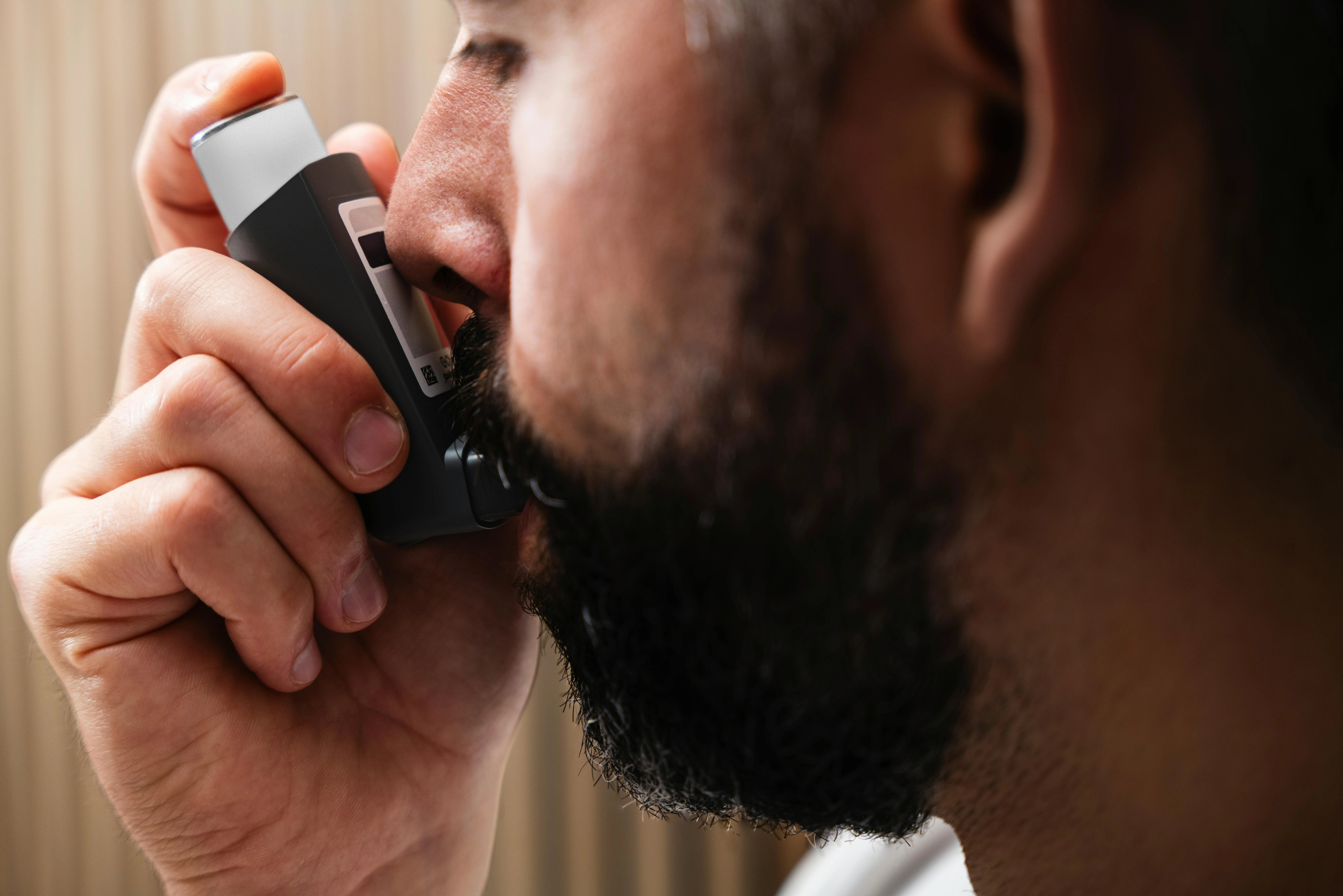
Asthma affects millions worldwide and is characterized by airway inflammation and narrowing, which can cause coughing, wheezing, and difficulty breathing1. Various factors can trigger asthma symptoms or attacks, including allergens, environmental irritants, infections, and physical or emotional stress2. Identifying and managing these triggers is essential to controlling asthma and improving quality of life3. This article explores common asthma triggers and offers practical guidance on how to recognize and reduce exposure to them.
Tobacco Smoke and Asthma
Tobacco smoke is a major trigger that worsens asthma by increasing airway inflammation and hyperresponsiveness4. Both active smoking and exposure to secondhand smoke can lead to more frequent and severe asthma exacerbations3. Children exposed to parental smoking during pregnancy have a higher risk of developing asthma4. Secondhand smoke contains thousands of harmful chemicals that irritate the lungs and can provoke asthma attacks5.
How To Manage
- Avoid active smoking and seek support for quitting, as cessation often requires multiple attempts6.
- Use pharmacologic aids such as nicotine replacement therapy to improve quit success rates6.
- Limit exposure to secondhand smoke by establishing smoke-free rules at home and in shared environments4.
- Encourage household members to refrain from smoking indoors or near individuals with asthma4.
- Utilize public health resources and counseling services for smoking cessation guidance6.
Secondhand smoke exposure significantly increases asthma severity and duration in children, making smoke-free environments critical for asthma management.7
Dust Mite Allergies
Dust mites are microscopic creatures living in indoor environments, feeding on human skin flakes4. Their fecal particles are potent allergens that can trigger allergic asthma symptoms ranging from mild nasal irritation to severe respiratory distress4. Dust mite allergens are common year-round indoor triggers, especially in bedding, carpets, and upholstered furniture3.
- Wash bedding weekly in hot water to reduce dust mite allergen load4.
- Use dust-proof covers on mattresses and pillows to limit mite exposure5.
- Vacuum carpets and furniture regularly with a HEPA-filter vacuum cleaner4.
- Replace carpets with hard flooring to reduce dust mite habitats4.
- Maintain indoor humidity below 50% to inhibit dust mite growth4.
- Reduce indoor clutter to minimize dust mite reservoirs4.
Mold Exposure
Mold spores and fragments are common asthma triggers that act as allergens and irritants3. Mold thrives in damp, poorly ventilated areas and grows on moist organic materials4. Chronic mold exposure can impair respiratory health and worsen asthma control3. Hidden mold growth is common and may require professional inspection if symptoms worsen in specific environments4.
- Fix leaks promptly to prevent moisture accumulation and mold growth4.
- Dry wet items quickly, ideally within 24 to 48 hours, to avoid mold colonization4.
- Use dehumidifiers to maintain indoor humidity at levels that inhibit mold proliferation4.
- Clean visible mold with soap and water on hard surfaces5.
- Discard mold-contaminated items to reduce allergen exposure4.
Pollen Allergies
Pollen is a seasonal outdoor allergen that triggers asthma symptoms primarily during spring and early summer3. Exposure to pollen can cause airway inflammation and worsen asthma control in sensitized individuals4. Pollen allergies often coincide with plant pollination periods, leading to seasonal symptom patterns4.
- Minimize outdoor exposure during peak pollen times, such as early morning and windy days4.
- Keep windows closed during high pollen seasons to reduce indoor allergen levels4.
- Use HEPA air purifiers indoors to filter airborne pollen particles4.
- Change clothes and shower after outdoor activities to remove pollen from skin and hair4.
- Use allergy medications as prescribed to control pollen-induced asthma symptoms4.
Pet Dander
Animal dander, consisting of shed skin cells, saliva, and urine from pets, is a common indoor allergen affecting 10-20% of people worldwide4. Cats and dogs are the most frequent sources of pet allergens that can provoke asthma symptoms in sensitized individuals3. Exposure to pet dander can cause airway inflammation and exacerbate asthma4.
- Restrict pets from bedrooms and upholstered furniture to reduce allergen exposure4.
- Groom pets regularly by non-allergic household members to decrease dander levels4.
- Wash hands and change clothes after contact with pets to limit allergen transfer4.
- Consider using HEPA air filters to reduce airborne pet allergens indoors3.
- Thoroughly clean and vacuum living areas to remove pet dander4.
Outdoor Air Pollution
Outdoor air pollution, including ozone, particulate matter, chemical fumes, and smoke, is a well-established trigger for asthma exacerbations3. Pollutants irritate the airways, increasing inflammation and asthma symptoms4. While individuals cannot control ambient air quality, they can take steps to reduce exposure during high pollution periods3.
- Monitor local Air Quality Index (AQI) reports to plan outdoor activities when pollution levels are low4.
- Avoid outdoor exercise or strenuous activity during poor air quality days3.
- Use protective equipment such as masks when exposure to pollutants is unavoidable4.
- Stay indoors with windows closed during high pollution or pollen days4.
- Utilize portable air cleaners or high-efficiency HVAC filters to improve indoor air quality5.
Exercise-Induced Asthma
Exercise-induced bronchoconstriction (EIB) is a common condition in people with asthma, causing transient airway narrowing during or after physical activity4. Symptoms include cough, wheezing, and shortness of breath, typically appearing shortly after vigorous exercise4. Despite this, regular exercise is beneficial for lung function and overall health3.
- Work with healthcare providers to develop individualized exercise plans that consider asthma control4.
- Use prescribed quick-relief inhalers 15 to 30 minutes before exercise to prevent symptoms8.
- Choose enjoyable, manageable activities to encourage consistent physical activity4.
- Avoid exercising in cold, dry, or highly polluted environments that may worsen symptoms4.
- Monitor symptoms closely and adjust activity intensity as needed4.
Viral Infections
Respiratory viral infections, such as rhinovirus, influenza, and respiratory syncytial virus (RSV), are leading triggers of asthma exacerbations across all ages9. Early childhood viral infections increase the risk of developing chronic asthma10. Viral infections can cause treatment failure and increase hospitalization risk in children with asthma7.
- Practice good hand hygiene to reduce viral transmission9.
- Avoid crowded places and close contact with infected individuals during outbreaks9.
- Use masks to lower the risk of respiratory virus spread9.
- Stay up to date with vaccinations, including influenza and covid-test-accuracy-for-eg5-and-ba286-variants">covid-test-accuracy-for-eg5-and-ba286-variants">COVID-19 vaccines9.
- Follow personalized asthma action plans to manage symptoms during viral infections9.
“Children who have an asthma flare caused by one of these viruses also have a harder time managing symptoms with their usual treatment. This is called treatment failure, and is often linked to hospitalization, emergency room visits, or relapse.”
— Kelli W. Williams, American Academy of Pediatrics7
Stress and Asthma
Psychological stress is a non-allergic trigger that can worsen asthma symptoms by causing rapid breathing and airway hyperresponsiveness3. Emotional stress and strong feelings may precipitate asthma attacks11. Managing stress can improve asthma control and overall quality of life11.
- Use relaxation techniques such as mindfulness, yoga, and meditation to reduce stress11.
- Develop personalized stress management plans with professional support when needed11.
- Practice breathing exercises to help control rapid breathing during stressful situations11.
- Maintain social support networks to buffer stress effects11.
- Recognize emotional triggers and address them proactively11.
Obesity and Asthma Risk
Obesity is linked to increased asthma prevalence and severity due to systemic inflammation caused by excess adipose tissue3. Abdominal fat contributes to airway inflammation and worsens asthma control12. Weight management through lifestyle changes can improve asthma outcomes12.
- Adopt a balanced diet and engage in regular physical activity to achieve weight loss12.
- Seek healthcare provider guidance for personalized weight management plans12.
- Address comorbidities that may affect asthma severity and obesity12.
- Monitor asthma symptoms closely during weight loss interventions12.
- Incorporate behavioral support to sustain healthy lifestyle changes12.
Other Potential Triggers
Asthma triggers vary widely and include environmental, physiological, and chemical factors beyond common allergens11. Cold, dry, or windy air can provoke symptoms, as can irritants like strong chemical odors4. Certain medications, including beta blockers and nonsteroidal anti-inflammatory drugs (NSAIDs), may also trigger asthma exacerbations4. Gastroesophageal reflux disease (GERD) is another condition associated with worsening asthma symptoms6.
Identifying Your Asthma Triggers
“Asthma is the most common chronic disease affecting children worldwide. About one out of every 10 U.S. children has asthma.”
— Kelli W. Williams, American Academy of Pediatrics7
Asthma triggers are highly individual and can differ in type and severity11. Identifying personal triggers is crucial for effective asthma management and symptom control11. Techniques for trigger identification include allergy testing, symptom journaling, and lung function monitoring4.
- Keep a symptom diary to track when and where symptoms occur11.
- Note potential exposures to allergens, irritants, or activities before symptom onset11.
- Consult healthcare providers for allergy testing and evaluation of comorbid conditions6.
- Use peak flow meters to monitor lung function and detect early worsening4.
- Review medication use and environmental factors regularly to adjust management plans11.
Key Takeaways
- Tobacco smoke, including secondhand exposure, is a major modifiable asthma trigger that increases airway inflammation and exacerbations4.
- Indoor allergens such as dust mites, mold, and pet dander are common triggers that require environmental control measures3.
- Outdoor allergens like pollen and air pollution worsen asthma symptoms seasonally and with poor air quality3.
- Viral respiratory infections are the leading cause of asthma exacerbations and require preventive strategies including vaccination and hygiene9.
- Stress and obesity contribute to asthma severity and should be addressed alongside traditional trigger avoidance1112.